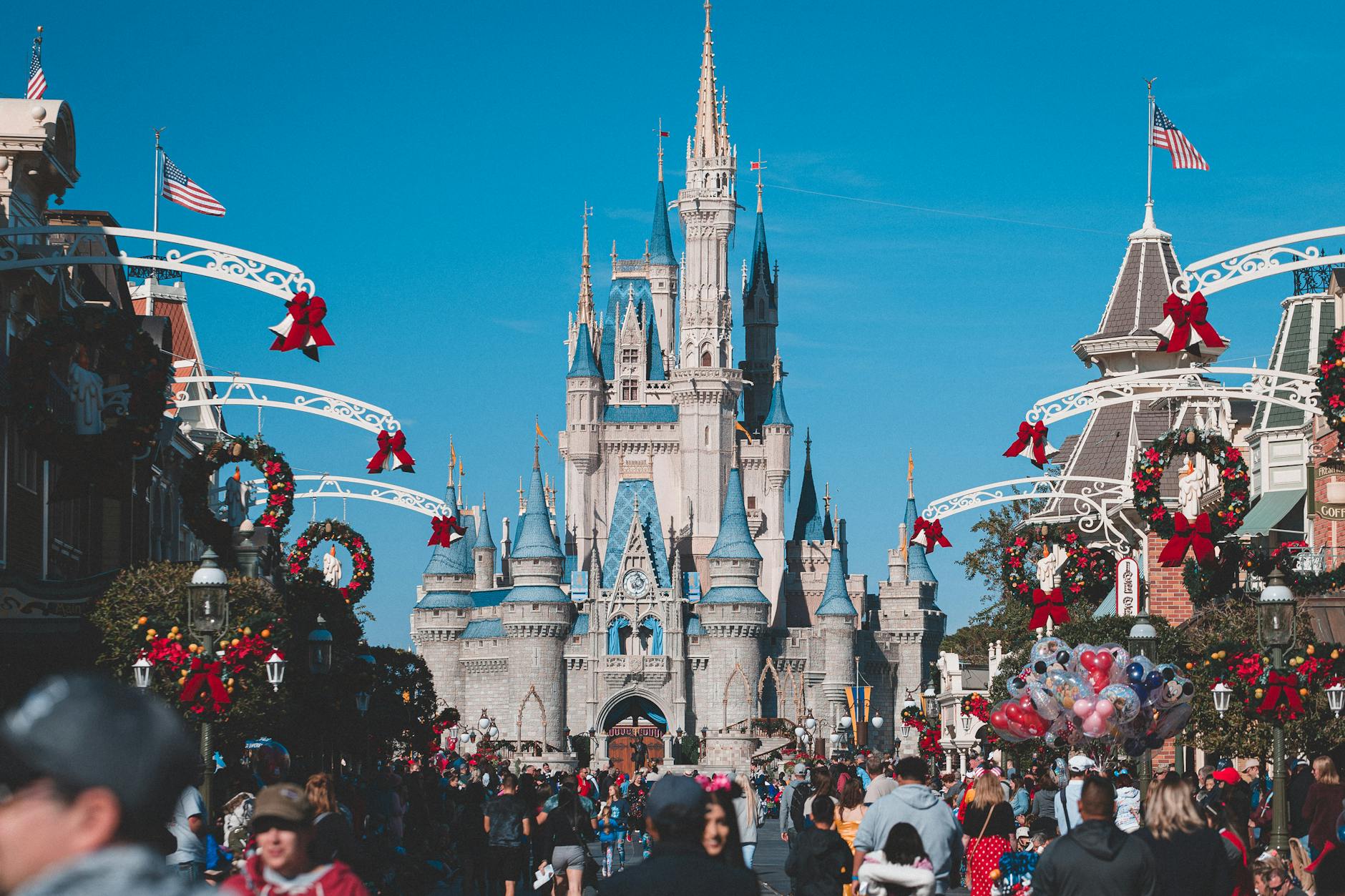
Disney Movies not on Disney Plus represent a surprising gap in what many subscribers assumed would be a complete library of the House of Mouse’s legendary film catalog. When Disney launched its streaming service in November 2019, the marketing promised access to decades of beloved classics, Pixar masterpieces, Marvel adventures, and Star Wars sagas.
The reality, however, reveals a more complicated picture where licensing agreements, content restrictions, and corporate decisions have left dozens of notable films unavailable on the platform that bears the Disney name. The absence of certain Disney movies from Disney Plus matters to subscribers who signed up expecting comprehensive access to the studio’s vast library.
- Table of Contents
- Why Are Certain Disney Movies Not Available on Disney Plus?
- Notable Classic Disney Films Missing From the Streaming Library
- Licensing Agreements Keeping Disney Content on Other Platforms
- Where to Watch Disney Movies Not Currently Streaming on Disney Plus
- Disney's Content Warning System and Controversial Absent Titles
- The Future of Missing Disney Movies on Disney Plus
- How to Prepare
- How to Apply This
- Expert Tips
- Frequently Asked Questions
- You Might Also Like
Parents searching for films they watched as children, film enthusiasts wanting to explore Disney’s animation history, and casual viewers curious about older titles frequently encounter frustrating dead ends.
The streaming landscape has conditioned audiences to expect everything in one place, making these gaps particularly noticeable when they involve a company that owns its entire back catalog.
This guide examines exactly which Disney movies remain absent from Disney Plus, explores the reasons behind these omissions, and provides practical solutions for viewers determined to watch these missing titles.
From licensing complications with competing platforms to controversial content that Disney has chosen not to feature, the full picture reveals how streaming rights work in the modern entertainment era and what options remain for completists seeking the full Disney experience.
Table of Contents
- Why Are Certain Disney Movies Not Available on Disney Plus?
- Notable Classic Disney Films Missing From the Streaming Library
- Licensing Agreements Keeping Disney Content on Other Platforms
- Where to Watch Disney Movies Not Currently Streaming on Disney Plus
- Disney’s Content Warning System and Controversial Absent Titles
- The Future of Missing Disney Movies on Disney Plus
- How to Prepare
- How to Apply This
- Expert Tips
- Frequently Asked Questions
Why Are Certain Disney Movies Not Available on Disney Plus?
The reasons Disney movies fail to appear on Disney Plus fall into several distinct categories, each reflecting different aspects of the entertainment business. Pre-existing licensing agreements represent the most common culprit, as Disney sold streaming and broadcast rights to various films years before launching its own platform.
These contracts, some spanning five to ten years, legally prevent Disney from hosting content on its own service until the agreements expire.
Netflix, Starz, and other platforms secured rights to numerous Disney titles during the pre-Disney Plus era when the company viewed licensing as a straightforward revenue stream rather than competition for its future streaming ambitions. Content sensitivity creates another category of absent films.
Disney has made deliberate decisions to exclude certain older titles that contain racial stereotypes, cultural insensitivity, or depictions that conflict with contemporary values.
Rather than editing these films or adding extensive disclaimers, Disney has simply kept some titles off the platform entirely. This approach differs from their handling of films like “Peter Pan” and “Dumbo,” which appear on Disney Plus with content warnings but remain viewable.
The company’s internal decisions about which films cross the line into unacceptable territory versus which merit warnings alone remain somewhat opaque to outside observers. Technical and legal complications surrounding music rights, actor likeness agreements, and other contractual elements also prevent certain films from streaming.
Some older productions involved rights arrangements that never anticipated digital distribution, creating legal tangles that require renegotiation or prevent streaming altogether. Additionally, co-productions with other studios sometimes split ownership in ways that complicate or prevent Disney Plus availability.

Notable Classic Disney Films Missing From the Streaming Library
Several significant gaps in the Disney Plus library affect viewers seeking classic animation and live-action films from the studio’s golden eras. “Song of the South,” the 1946 film combining live action and animation, remains Disney’s most famous unavailable title.
The company has kept this film out of circulation in the United States for decades due to its romanticized portrayal of plantation life and racial stereotypes, despite the Academy Award-winning song “Zip-a-Dee-Doo-Dah” remaining a park staple.
Disney has shown no indication of ever releasing this film on any home video or streaming format in North America. The original theatrical versions of several classic films also remain absent, replaced by altered editions.
Viewers seeking the original “Fantasia” with its unedited “Pastoral Symphony” sequence featuring racist caricatures cannot find it on Disney Plus, which hosts only the modified version. Similarly, some films appear in edited forms that remove or alter scenes Disney deemed problematic, meaning purists seeking original theatrical presentations must look elsewhere.
Several live-action films from the 1960s through 1980s cycle in and out of availability or remain perpetually absent due to licensing complications. Films like “The Black Cauldron,” despite its cult following, have experienced extended periods of unavailability.
The same applies to various made-for-television Disney movies from the Disney Channel’s early decades, many of which have never received streaming releases on any platform.
Licensing Agreements Keeping Disney Content on Other Platforms
The streaming wars created a complicated web of content licensing that continues affecting Disney Plus years after launch. When Disney acquired 21st Century Fox in 2019, it inherited numerous licensing deals that Fox had signed with competitors.
These agreements meant that recent Fox productions and catalog titles remained on platforms like Netflix, Hulu, and HBO Max even after Disney took ownership. While many of these agreements have since expired, some extend several more years. Pay television contracts represent another barrier.
Disney signed lucrative deals with premium cable networks years before streaming dominated the industry.
These arrangements sometimes include exclusive windows preventing streaming availability during certain periods. A film might leave Disney Plus temporarily to fulfill obligations to a cable partner before returning months later, creating a rotating availability that frustrates subscribers. International licensing adds further complexity.
A Disney film available on Disney Plus in the United States might remain licensed to a local broadcaster or streaming service in another country. Disney Plus subscribers in different regions frequently discover varying libraries, with some countries missing titles that others can stream freely.
These international agreements often predate Disney Plus by years and must simply run their course before the content can migrate to Disney’s own platform worldwide.

Where to Watch Disney Movies Not Currently Streaming on Disney Plus
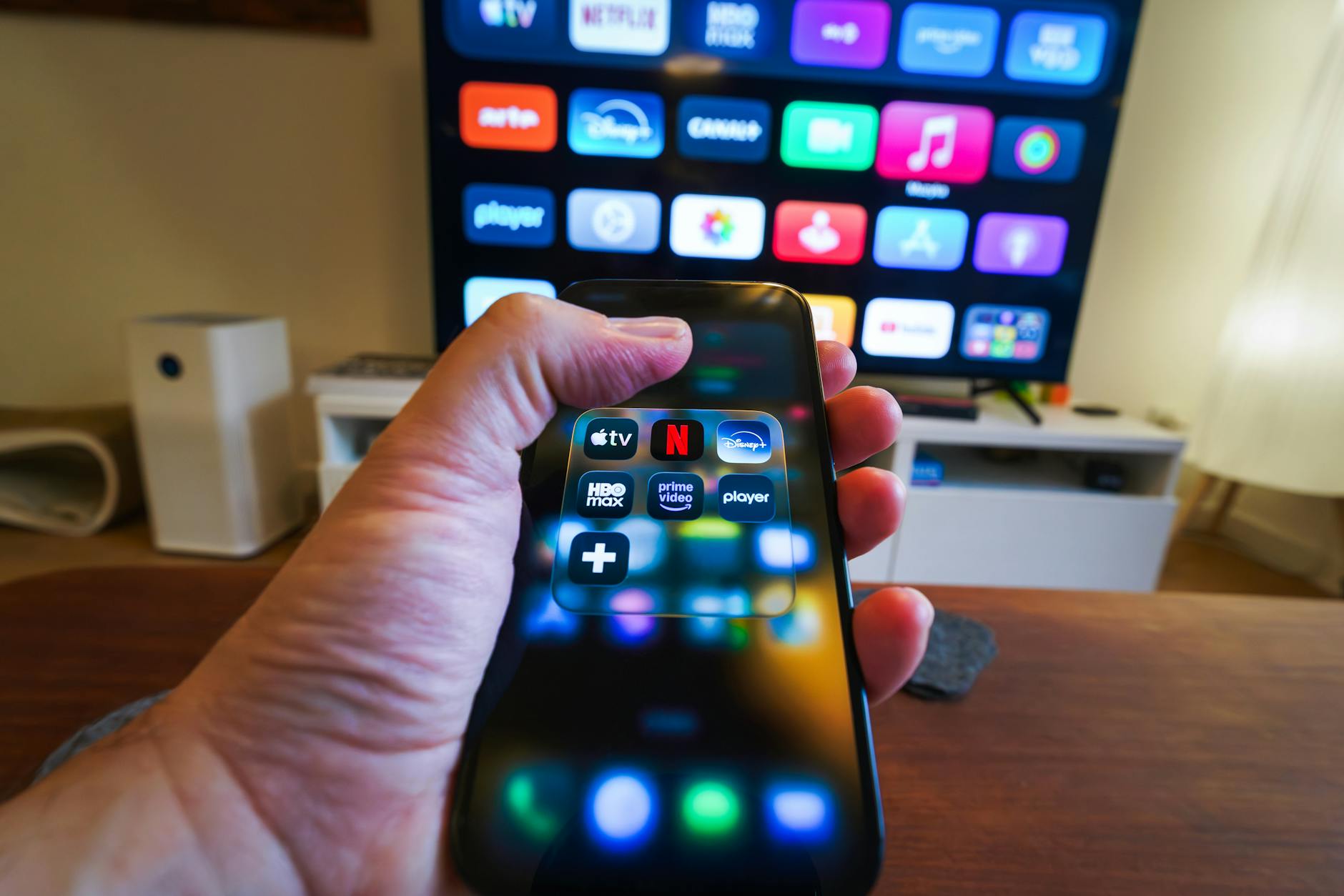
Viewers determined to watch Disney films absent from Disney Plus have several legitimate options for accessing this content. Digital purchase platforms including Amazon Prime Video, Apple TV, Vudu, and Google Play often sell Disney films for permanent digital ownership even when streaming rights lie elsewhere.
Purchasing a film digitally typically costs between fifteen and twenty dollars but provides indefinite access regardless of streaming availability changes. Physical media remains the most reliable option for many missing titles. DVD and Blu-ray releases of Disney films can be purchased new or found used through retailers, eBay, and local secondhand shops.
Disney’s “vault” release strategy of the past means that physical copies of some films hold significant collector value, but most titles remain reasonably priced.
For films Disney has chosen not to release in any modern format, used VHS tapes sometimes represent the only legal option. Library systems across the United States maintain extensive DVD collections including Disney films.
Most public libraries allow free borrowing of physical media with a library card, and many participate in interlibrary loan programs that can source specific titles from partner institutions. Digital library services like Hoopla and Kanopy, available through library membership, occasionally include Disney content depending on their current licensing arrangements.
Rental services offer another path for one-time viewing. Most digital platforms that sell Disney films also rent them for significantly less, typically four to six dollars for a forty-eight-hour viewing window. This option works well for viewers wanting to watch a specific film once without committing to purchase.
Disney’s Content Warning System and Controversial Absent Titles
Disney Plus implemented a content advisory system in 2020 to address problematic elements in older films rather than removing them entirely. Films including “Peter Pan,” “Dumbo,” “The Aristocats,” and “Swiss Family Robinson” now display warnings noting that they contain “negative depictions and/or mistreatment of people or cultures” representing “wrong then and wrong now” stereotypes.
These advisories appear before the film plays and in each title’s description. The decision tree Disney uses to determine which films receive warnings versus complete removal remains unclear. “Song of the South” stays entirely unavailable while “Dumbo” with its controversial crow sequence streams with a warning.
Some observers note that commercial potential influences these decisions, as popular films with problematic elements receive the warning treatment while obscure titles with similar issues might simply never appear. Disney has not published specific criteria explaining these distinctions.
The lack of parental controls initially allowing parents to hide content with warnings drew criticism from multiple directions. Some felt children could too easily encounter problematic material despite warnings, while others argued the warnings themselves drew unnecessary attention to issues young viewers might not otherwise notice.
Disney eventually added features allowing parents to restrict certain content ratings, though the advisory system for older films remains separate from the standard content rating restrictions.
The Future of Missing Disney Movies on Disney Plus
Disney’s streaming strategy continues evolving as the company responds to subscriber expectations, competitive pressure, and changing licensing landscapes. The trend points toward gradual expansion of the Disney Plus library as older licensing deals expire and content reverts to Disney’s control.
Films that cycled through Netflix or other platforms years ago steadily return to Disney Plus, suggesting patience will eventually resolve many current gaps.
The company has also shown willingness to reconsider availability decisions. Films previously absent have occasionally appeared without announcement, suggesting ongoing internal review of the catalog. However, certain titles like “Song of the South” show no indication of ever receiving streaming release given their historical baggage.
For these permanently unavailable films, physical media from past releases remains the only access point, and Disney has signaled no plans to change this approach.
How to Prepare
- Create a watchlist of desired films by checking which specific Disney movies you want to see, then verify their current Disney Plus availability by searching the platform directly. Note which titles return no results or show as unavailable in your region.
- Check JustWatch or similar aggregator services that track streaming availability across platforms. Enter each missing title to see which services currently offer it for streaming, rental, or purchase. These databases update regularly as licensing changes.
- Compare pricing across digital platforms for films you want to own permanently. Amazon, Apple, Vudu, and Google Play often price the same films differently, and sales frequently discount catalog titles. Setting price alerts through deal-tracking sites can notify you of discounts.
- Investigate your local library system by searching their online catalog for DVD availability. Apply for a library card if you lack one, and learn how to place holds on popular titles that may have waitlists.
- Research physical media availability for titles you cannot find digitally. Check current retail availability first, then explore used marketplaces if films are out of print. Verify disc region compatibility with your player for international purchases.
How to Apply This
- Prioritize streaming options first since these require no additional equipment and often cost less than purchasing. If a Disney film streams on a service where you already subscribe, that represents the easiest access path.
- Use rental options for one-time viewing rather than purchasing films you may only watch once. The price difference between a four-dollar rental and a twenty-dollar purchase adds up across multiple titles.
- Build a physical media collection for films you expect to revisit multiple times or that face uncertain digital futures. Physical media cannot be removed from your collection due to licensing changes.
- Combine library borrowing with personal purchases by using libraries for initial viewing to determine which films merit permanent addition to your collection. This approach prevents buying films you end up not enjoying.
Expert Tips
- Monitor Disney Plus library changes monthly since the platform adds and occasionally removes content without prominent announcements. Third-party sites track these changes more comprehensively than Disney’s own new release communications.
- Consider Disney Plus regional differences if you travel internationally. A film unavailable in your home country might stream on Disney Plus elsewhere, allowing viewing during trips abroad with the same subscription.
- Check the Disney Movie Club for physical media deals on harder-to-find titles. While the club’s commitment requirements deserve scrutiny, their exclusive releases sometimes include films unavailable through standard retail.
- Preserve access to digital purchases by understanding that buying from any major platform typically allows viewing through multiple devices and apps. A film purchased on Amazon can usually be watched through the Amazon app on Apple devices and vice versa.
- Watch for Disney Plus subscriber promotions that occasionally bundle digital movie purchases or expand temporary access to content housed on other platforms Disney owns, including Hulu and ESPN Plus.
Frequently Asked Questions
How long does it typically take to see results?
Results vary depending on individual circumstances, but most people begin to see meaningful progress within 4-8 weeks of consistent effort.
Is this approach suitable for beginners?
Yes, this approach works well for beginners when implemented gradually. Starting with the fundamentals leads to better long-term results.
What are the most common mistakes to avoid?
The most common mistakes include rushing the process, skipping foundational steps, and failing to track progress.
How can I measure my progress effectively?
Set specific, measurable goals at the outset and track relevant metrics regularly. Keep a journal to document your journey.