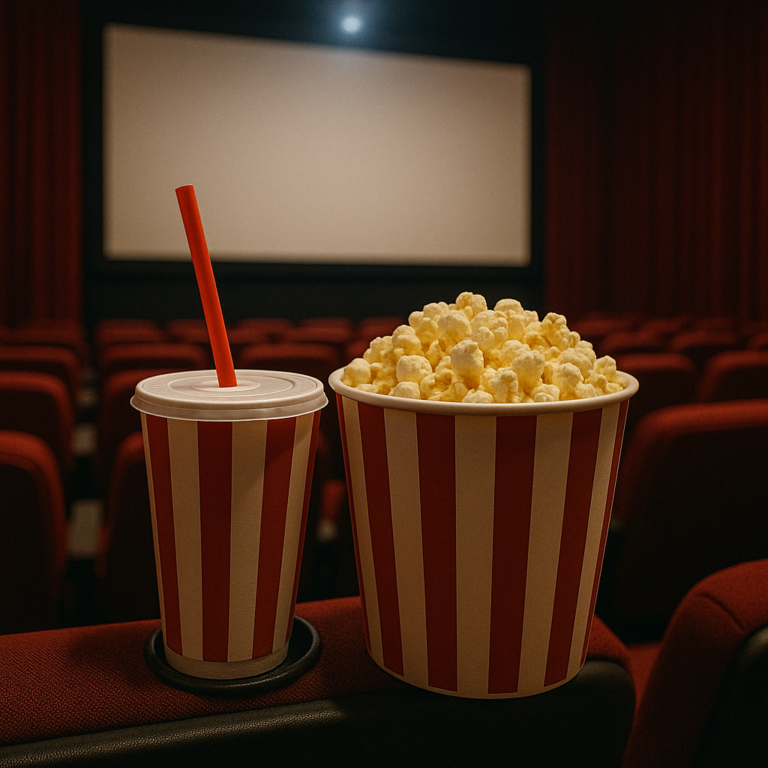
Slow-burn psychological thrillers represent one of cinema’s most demanding and rewarding genres, asking audiences to surrender to deliberate pacing while tension accumulates like pressure in a sealed chamber. Unlike conventional thrillers that rely on jump scares and constant action, these films build dread through atmosphere, character study, and the gradual revelation of disturbing truths. The genre has experienced a significant resurgence over the past two decades, with filmmakers recognizing that sustained unease often proves more affecting than momentary shock. The appeal of slow-burn psychological thrillers lies in their refusal to provide easy answers or quick resolutions.
These films address fundamental questions about human nature: What drives ordinary people toward darkness? How reliable are our perceptions of reality? When does paranoia become justified? Viewers drawn to this genre seek more than entertainment”they want films that linger in the mind long after the credits roll, demanding interpretation and rewarding repeat viewings. The psychological thriller operates on the principle that what remains unseen or unexplained terrifies far more effectively than explicit horror. By the end of this guide, readers will understand the defining characteristics that separate genuine slow-burn psychological thrillers from their faster-paced counterparts. The following sections explore the genre’s historical development, analyze its essential techniques, highlight landmark films that define the category, and provide practical guidance for approaching these deliberately paced narratives. Whether discovering the genre for the first time or seeking deeper appreciation of familiar favorites, this comprehensive examination offers the context needed to fully engage with cinema’s most cerebrally unsettling offerings.
Table of Contents
- What Defines a Slow-Burn Psychological Thriller and Why Does Pacing Matter?
- The Evolution of Psychological Thriller Cinema from Hitchcock to Modern Masters
- Essential Techniques Used in Slow-Burn Psychological Thriller Filmmaking
- How to Identify Quality Slow-Burn Psychological Thrillers Worth Your Time
- Common Challenges When Watching Slow-Burn Psychological Thrillers
- International Perspectives on Psychological Thriller Filmmaking
- How to Prepare
- How to Apply This
- Expert Tips
- Conclusion
- Frequently Asked Questions
What Defines a Slow-Burn Psychological Thriller and Why Does Pacing Matter?
The term “slow-burn” describes a specific approach to narrative construction where tension builds incrementally rather than through sudden escalation. In psychological thrillers employing this technique, the first act might appear deceptively calm, even mundane, establishing normalcy before subtle wrongness begins seeping through the cracks. This deliberate pacing serves a crucial purpose: it allows viewers to become invested in characters and situations before the psychological screws begin tightening. films like “The Talented Mr. Ripley” (1999) spend considerable time establishing Tom Ripley’s charm and insecurities before his capacity for violence emerges, making his transformation genuinely disturbing rather than merely shocking.
Pacing in slow-burn psychological thrillers functions as a storytelling tool rather than a stylistic indulgence. Directors use extended takes, measured editing rhythms, and carefully rationed information to create sustained discomfort. The audience often senses something wrong before understanding what, generating anxiety that proves more psychologically effective than explicit threat. Consider how “Rosemary’s Baby” (1968) derives its power from long stretches where nothing overtly threatening occurs, yet every interaction carries undertones of menace. Roman Polanski understood that paranoia flourishes in ambiguity, and his film demonstrates how restraint amplifies rather than diminishes tension.
- **Gradual information revelation**: These films meter out plot details sparingly, keeping viewers in states of uncertainty that mirror protagonist confusion
- **Character-driven tension**: Rather than external threats, the primary source of unease often stems from character psychology and interpersonal dynamics
- **Atmospheric emphasis**: Visual composition, sound design, and setting contribute as much to tension as narrative events
- **Ambiguous morality**: Slow-burn psychological thrillers frequently blur lines between victim and perpetrator, sanity and delusion
The Evolution of Psychological Thriller Cinema from Hitchcock to Modern Masters
Alfred Hitchcock established many conventions that slow-burn psychological thrillers continue employing today. His 1958 masterpiece “Vertigo” unfolds with deliberate patience, using its extended runtime to explore obsession, identity, and the unreliability of perception. Hitchcock recognized that psychological tension required time to develop properly”his famous statement that “there is no terror in the bang, only in the anticipation of it” encapsulates the slow-burn philosophy. Films like “Rear Window” (1954) and “Psycho” (1960) demonstrated how restraint and misdirection could generate more profound unease than graphic content. The 1970s marked a significant evolution in psychological thriller filmmaking, with paranoia becoming central to American cinema during the Watergate era.
Films like “The Conversation” (1974), directed by Francis Ford Coppola, exemplified slow-burn techniques applied to contemporary anxieties about surveillance and privacy. Gene Hackman’s portrayal of surveillance expert Harry Caul remains a masterclass in depicting psychological deterioration through accumulating details rather than dramatic confrontation. This decade also produced “Don’t Look Now” (1973), Nicolas Roeg’s grief-saturated thriller that influenced countless subsequent filmmakers with its elliptical structure and devastating final revelation. Contemporary directors have pushed the psychological thriller into increasingly challenging territory while maintaining slow-burn principles. Denis Villeneuve’s “Prisoners” (2013) stretches tension across 153 minutes, while Ari Aster’s “Hereditary” (2018) spends its first hour as a grief drama before revealing its true nature. South Korean cinema has contributed significantly to the genre’s evolution, with Park Chan-wook’s “Oldboy” (2003) and Bong Joon-ho’s “Parasite” (2019) demonstrating how slow-burn techniques can coexist with sudden violence to devastating effect.
- **1940s-1960s**: Hitchcock era establishes foundational techniques of suspense through restraint
- **1970s**: Post-Watergate paranoia produces landmark psychological thrillers reflecting cultural anxieties
- **1990s-2000s**: Independent cinema embraces slow-burn pacing as alternative to blockbuster spectacle
- **2010s-present**: International filmmakers, particularly from South Korea and France, revitalize the genre with fresh perspectives
Essential Techniques Used in Slow-Burn Psychological Thriller Filmmaking
Sound design often proves the most powerful tool in psychological thriller construction, working on viewers subliminally while they focus on visual information. Films like “No Country for Old Men” (2007) employ extended silences punctuated by amplified ambient sounds”footsteps, wind, distant traffic”creating unease without apparent cause. The Coen Brothers’ decision to eliminate conventional musical score from many sequences forces audiences into uncomfortable awareness of negative space. Similarly, Mica Levi’s discordant score for “Under the Skin” (2013) uses atonal strings and electronic textures to generate constant low-level anxiety. Visual composition in slow-burn psychological thrillers frequently employs negative space and unusual framing to suggest threat beyond the visible frame. Cinematographers shooting these films often favor static cameras, allowing tension to build within unmoving frames rather than creating energy through movement.
“The Shining” (1980) demonstrates this technique masterfully”Kubrick’s symmetrical compositions and Steadicam tracking shots through the Overlook Hotel’s corridors create geometric dread that operates independently from narrative events. The audience senses architectural malevolence before any supernatural events occur. Narrative structure in psychological thrillers often deliberately withholds crucial information, forcing viewers to question what they’re seeing. Unreliable narration”whether through deceptive protagonists or subjective camera work”keeps audiences uncertain about basic facts. “Gone Girl” (2014) weaponizes this uncertainty by revealing its central twist midway through, then forcing viewers to reassess everything they’d previously believed. The slow-burn approach allows this manipulation to function effectively; rushed pacing would expose the deception prematurely.
- **Diegetic sound emphasis**: Environmental sounds replace musical score to create naturalistic unease
- **Deep focus and negative space**: Visual compositions suggest unseen threat beyond frame boundaries
- **Temporal manipulation**: Non-linear editing and elliptical storytelling disorient viewers
- **Subjective camera work**: Point-of-view shots and unreliable visual narration blur reality and perception

How to Identify Quality Slow-Burn Psychological Thrillers Worth Your Time
Distinguishing genuinely effective slow-burn psychological thrillers from merely slow films requires understanding what purposeful pacing accomplishes. In successful examples, every scene advances either plot, character, or atmosphere”ideally all three simultaneously. “The Silence of the Lambs” (1991), despite containing thriller set pieces, derives most of its tension from dialogue-heavy scenes between Clarice Starling and Hannibal Lecter. These conversations feel unhurried yet remain charged with psychological danger, demonstrating how deliberate pacing differs from narrative stalling. Critical reception and audience scores provide useful but imperfect guidance for identifying quality psychological thrillers. Films in this genre frequently polarize viewers”those expecting conventional thriller rhythms often rate slow-burn entries negatively despite their artistic merit.
“The Witch” (2015) earned an 84% favorable rating from critics on aggregator sites while general audiences scored it significantly lower, reflecting the genre’s demanding nature. Look for films that generate passionate debate rather than universal acclaim or dismissal; the best psychological thrillers provoke strong, divergent reactions. Director filmography offers another reliable indicator of quality. Filmmakers who consistently work in psychological thriller territory develop craft specifically suited to sustained tension. David Fincher’s filmography””Se7en” (1995), “Zodiac” (2007), “Gone Girl” (2014)”demonstrates sustained excellence in the genre. Similarly, international directors like Thomas Alfredson (“Let the Right One In,” “Tinker Tailor Soldier Spy”) or Luca Guadagnino (“Suspiria,” “A Bigger Splash”) bring distinct sensibilities to psychological thriller construction.
- **Purpose behind pacing**: Every scene should contribute meaningfully to tension, character, or atmosphere
- **Polarized reception**: Significant gaps between critic and audience scores often indicate challenging genre work
- **Director track record**: Filmmakers with multiple entries in the genre typically demonstrate refined craft
- **Festival recognition**: Premieres at Cannes, Venice, or Sundance frequently indicate artistic ambition
Common Challenges When Watching Slow-Burn Psychological Thrillers
Modern viewing habits, shaped by streaming algorithms and smartphone-induced attention fragmentation, create genuine obstacles for appreciating slow-burn cinema. Studies indicate average shot lengths in mainstream Hollywood films have decreased from approximately 12 seconds in 1930 to under 2.5 seconds today. Audiences conditioned to rapid editing may experience genuine difficulty adjusting to the extended takes and measured pacing characteristic of psychological thrillers. This isn’t a criticism of viewers but recognition that slow-burn appreciation requires conscious adjustment from contemporary norms. The ambiguous endings common in psychological thrillers frustrate viewers expecting clear resolution. Films like “Caché” (2005) or “Martha Marcy May Marlene” (2011) conclude without explaining central mysteries, leaving interpretation to audiences.
This deliberate withholding of closure serves thematic purposes”these films explore how uncertainty and unresolved trauma persist rather than resolving cleanly. Understanding that ambiguity represents artistic choice rather than narrative failure helps viewers engage productively with open-ended conclusions. Second-viewing requirements present another barrier to appreciation. Many slow-burn psychological thrillers reveal their full architecture only on repeat viewing, when audiences can recognize foreshadowing and thematic development obscured during initial engagement. “The Sixth Sense” (1999) famously rewards re-watching by transforming innocent moments into devastating foreshadowing. While not all psychological thrillers employ twist structures, most benefit from multiple viewings that allow appreciation of craft invisible during suspenseful first encounters.
- **Attention adjustment**: Consciously prepare for longer takes and measured pacing
- **Ambiguity tolerance**: Accept that unresolved mysteries often represent intentional artistic choices
- **Re-watch value**: Plan to revisit films for full appreciation of structural and thematic complexity
- **Distraction elimination**: Slow-burn films require focused attention; multitasking destroys their effect
International Perspectives on Psychological Thriller Filmmaking
Non-English language cinema has produced some of the genre’s most significant works, often exploring psychological territory that Hollywood avoids. South Korean thrillers, in particular, demonstrate willingness to sustain tension across extended runtimes while incorporating social commentary absent from American equivalents. Bong Joon-ho’s “Mother” (2009) builds slowly toward revelations about maternal devotion taken to criminal extremes, while Lee Chang-dong’s “Burning” (2018) stretches ambiguity across 148 minutes without ever confirming whether its antagonist is actually guilty.
French cinema’s contribution to psychological thriller development includes the New French Extremity movement, which produced films combining slow-burn techniques with disturbing content. “Inside” (2007) and “Martyrs” (2008) represent extreme examples, but more accessible films like “Tell No One” (2006) or “The Beat That My Heart Skipped” (2005) demonstrate French facility with sustained psychological tension. Argentine cinema has also produced notable entries, including “The Secret in Their Eyes” (2009), which won the Academy Award for Best Foreign Language Film while demonstrating how political context can deepen psychological thriller narratives.
How to Prepare
- **Eliminate distractions completely** ” Silence phones, close laptops, and inform household members of unavailability. Slow-burn films build tension through accumulating details; checking messages during quiet scenes destroys the cumulative effect these films depend upon. Even brief attention breaks reset tension that took twenty minutes to establish.
- **Research minimal plot information** ” Avoid trailers, which frequently spoil slow-burn films by revealing too much. Read only genre classification and basic premise”knowing a film is a psychological thriller about marital deception tells you what you need without spoiling how that premise unfolds. Many landmark entries depend on audience uncertainty about what kind of film they’re watching.
- **Adjust expectations for pacing** ” Consciously remind yourself that slow scenes serve purposes beyond immediate narrative progression. If you find yourself growing impatient, consider whether the film is building atmosphere or developing character rather than assuming nothing is happening. Boredom in slow-burn films often indicates missed subtext rather than actual narrative stalling.
- **Watch during optimal alertness** ” Psychological thrillers requiring close attention suffer when viewers are tired. Unlike action films that can maintain engagement through spectacle, slow-burn entries demand cognitive investment throughout. Schedule viewing during peak alertness rather than late-night wind-down periods.
- **Commit to completion before starting** ” Knowing a film’s runtime in advance prevents the temptation to abandon demanding entries prematurely. Many slow-burn psychological thrillers pay off their patient buildup in final acts that recontextualize everything preceding; stopping early means missing the structural design that justifies earlier restraint.
How to Apply This
- **Start with accessible entry points** ” Begin with films that balance slow-burn techniques against more conventional thriller elements. “Zodiac” (2007) runs 157 minutes and refuses easy resolution, yet contains enough investigative momentum to carry viewers through its deliberate pacing. “Get Out” (2017) employs slow-burn first-act tension while delivering satisfying genre payoffs. These films develop appreciation for patient pacing without demanding complete abandonment of thriller expectations.
- **Progress to challenging masterworks** ” After developing comfort with slower pacing, approach films that push further toward ambiguity and restraint. “Mulholland Drive” (2001), “Under the Skin” (2013), and “Burning” (2018) reward patient viewers but require willingness to sit with uncertainty. These films may frustrate on first viewing but reveal complexity through subsequent engagement.
- **Explore international options systematically** ” Seek out psychological thrillers from South Korea, France, Argentina, and Germany to experience different cultural approaches to the genre. Start with critically acclaimed, subtitled entries that have proven accessible to international audiences, then explore deeper into national film industries as preferences develop.
- **Engage with analysis after viewing** ” Read critical essays and discuss films after watching to understand elements you may have missed. Slow-burn psychological thrillers often contain layers visible only through interpretive discussion. Podcasts, video essays, and academic criticism can transform confusing viewing experiences into profound ones.
Expert Tips
- **Trust the filmmaker through apparent slowness** ” When acclaimed slow-burn psychological thrillers feel tedious, consider whether the discomfort is intentional. Directors like Michael Haneke deliberately create viewer restlessness to make points about violence, voyeurism, or complicity. “Funny Games” (1997) frustrates audiences purposefully; recognizing this intention transforms frustration into engagement with the film’s project.
- **Pay attention to what isn’t shown** ” Slow-burn psychological thrillers frequently communicate through absence. Notice what scenes cut away from, what questions characters don’t ask, what information the film withholds. The violence omitted from “No Country for Old Men” or the explanations withheld in “The Witch” shape viewer psychology more effectively than explicit content would.
- **Recognize red herrings as craft elements** ” Misdirection in psychological thrillers isn’t failure to resolve plot threads but intentional manipulation of audience attention. When films introduce elements that seem significant but don’t pay off conventionally, consider whether the misdirection itself serves thematic purposes about perception, paranoia, or narrative expectations.
- **Allow interpretive uncertainty** ” Not every mystery requires solution. Films like “Caché,” “Mulholland Drive,” and “Enemy” (2013) generate extensive interpretive debate precisely because they resist definitive reading. Engage with multiple interpretations rather than seeking single correct answers; the genre’s sophistication often lies in productive ambiguity.
- **Recognize your optimal consumption context** ” Some viewers engage best with slow-burn films in theatrical settings where exit isn’t convenient and distraction is minimized. Others prefer home viewing with pause capability for processing dense scenes. Identify which context supports your engagement and prioritize accordingly.
Conclusion
Slow-burn psychological thrillers represent cinema operating at its most demanding and rewarding, requiring active viewer participation rather than passive consumption. The genre’s essential characteristics”deliberate pacing, atmospheric tension, unreliable narration, and ambiguous resolution”combine to create experiences that linger in memory long after viewing. Understanding these techniques as purposeful artistic choices rather than failures of conventional entertainment allows full appreciation of what the genre accomplishes. The skills developed through engaging with slow-burn psychological thrillers transfer beyond the specific genre.
Patient attention, tolerance for ambiguity, and recognition of visual and auditory storytelling techniques enhance engagement with all cinema. Viewers who learn to appreciate “Zodiac” or “The Witch” often find themselves noticing craft elements in films they’d previously watched casually. The genre serves as training ground for deeper film literacy while providing some of cinema’s most genuinely unsettling experiences. For viewers willing to surrender to deliberate pacing and sustained uncertainty, slow-burn psychological thrillers offer rewards unavailable elsewhere in contemporary cinema.
Frequently Asked Questions
How long does it typically take to see results?
Results vary depending on individual circumstances, but most people begin to see meaningful progress within 4-8 weeks of consistent effort.
Is this approach suitable for beginners?
Yes, this approach works well for beginners when implemented gradually. Starting with the fundamentals leads to better long-term results.
What are the most common mistakes to avoid?
The most common mistakes include rushing the process, skipping foundational steps, and failing to track progress.
How can I measure my progress effectively?
Set specific, measurable goals at the outset and track relevant metrics regularly. Keep a journal to document your journey.