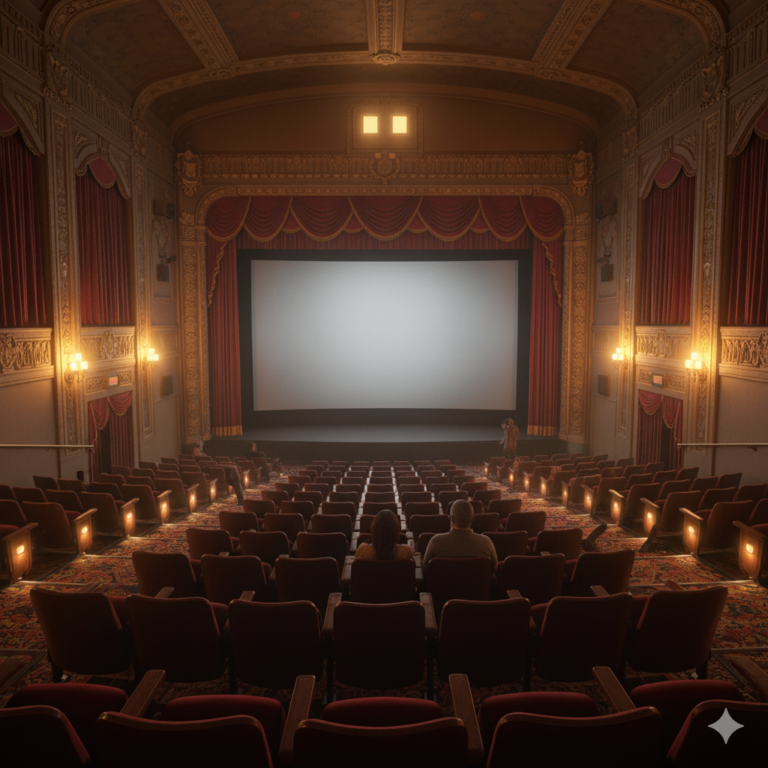
The *Eyes Wide Shut* masked party explained has become one of cinema’s most analyzed and debated sequences, captivating audiences since Stanley Kubrick’s final film premiered in 1999.
This elaborate ritual orgy scene, set in a Long Island mansion, represents the thematic and visual centerpiece of the film, raising questions about power, secrecy, sexuality, and the hidden lives of society’s elite.
For over two decades, viewers and critics have dissected every frame, mask, and piece of dialogue, searching for meaning in what remains one of the most deliberately cryptic scenes in modern filmmaking. Understanding this sequence matters because it encapsulates everything Kubrick was trying to communicate about desire, jealousy, class division, and the illusion of knowledge.
- Table of Contents
- What Is the Eyes Wide Shut Masked Ball Scene and Why Does It Matter?
- The Symbolism Behind the Masks and Costumes in Eyes Wide Shut
- The Hidden Meaning of the Ritual Ceremony at Somerton Mansion
- Victor Ziegler's Explanation of the Eyes Wide Shut Party: Truth or Lies?
- How the Masked Party Connects to the Film's Themes of Marriage and Desire
- The Historical and Cultural Influences on Kubrick's Masked Ball Depiction
- How to Prepare
- How to Apply This
- Expert Tips
- Frequently Asked Questions
- You Might Also Like
When Dr. Bill Harford, played by Tom Cruise, infiltrates the masked ceremony at Somerton mansion, he enters a world that exists parallel to his comfortable upper-middle-class existence””a world of genuine power and consequence that makes his own status seem trivial by comparison.
The scene functions as both a literal depiction of an elite secret society and a metaphorical journey into the unconscious mind, where repressed desires and fears take physical form.
By the end of this analysis, readers will gain a thorough understanding of how Kubrick constructed this sequence, what the various symbols and rituals represent, how the scene connects to the film’s larger themes, and why it continues to generate such intense fascination.
Whether approaching the film for the first time or returning for deeper analysis, examining the masked party provides insight not only into Kubrick’s artistic vision but also into enduring questions about what lurks beneath the surface of civilized society.
Table of Contents
- What Is the Eyes Wide Shut Masked Ball Scene and Why Does It Matter?
- The Symbolism Behind the Masks and Costumes in Eyes Wide Shut
- The Hidden Meaning of the Ritual Ceremony at Somerton Mansion
- Victor Ziegler’s Explanation of the Eyes Wide Shut Party: Truth or Lies?
- How the Masked Party Connects to the Film’s Themes of Marriage and Desire
- The Historical and Cultural Influences on Kubrick’s Masked Ball Depiction
- How to Prepare
- How to Apply This
- Expert Tips
- Frequently Asked Questions
What Is the Eyes Wide Shut Masked Ball Scene and Why Does It Matter?
The masked party sequence in *Eyes Wide Shut* depicts Dr. Bill Harford sneaking into an invitation-only ritual gathering at a gothic mansion called Somerton.
Having obtained a password (“Fidelio”) and a costume from his friend Nick Nightingale, Bill arrives to discover dozens of masked figures participating in an elaborate ceremony that combines religious or occult imagery with explicit sexual activity.
The sequence runs approximately twenty minutes and represents the film’s dramatic turning point, shifting Bill’s nocturnal odyssey from a series of near-encounters with danger into genuine peril. The scene matters on multiple levels. Narratively, it represents the moment Bill’s curiosity finally leads him somewhere he cannot easily escape.
His previous encounters””with a prostitute, with a costume shop owner, with Nightingale himself””all hinted at worlds existing beyond his comprehension.
At Somerton, he finally crosses a threshold. The masked figures immediately recognize him as an outsider, and a mysterious woman sacrifices herself to save him from unspecified punishment.
This encounter haunts Bill throughout the rest of the film, driving his investigation and ultimately forcing a confrontation with Victor Ziegler about what actually occurred. Thematically, the masked ball crystallizes the film’s exploration of duality and hidden lives.
Every character in *Eyes Wide Shut* wears a metaphorical mask, concealing desires, fears, and secrets from their partners and themselves. At Somerton, the mask becomes literal, but paradoxically, the participants are more honest about their desires than the “normal” people Bill encounters in everyday life.
The ceremony strips away social pretense even as it conceals individual identity, creating a space where the wealthy and powerful can act on impulses that polite society forbids.

The Symbolism Behind the Masks and Costumes in Eyes Wide Shut
The Venetian masks worn throughout the Somerton sequence carry centuries of cultural and artistic baggage that Kubrick deliberately invokes. Venice’s carnival tradition, dating to the medieval period, allowed all social classes to mingle anonymously, creating a temporary suspension of normal hierarchies and moral codes.
The masks at Somerton serve a similar function, though the gathering is exclusively elite rather than democratically anonymous. Kubrick worked with costume designer Marit Allen to source authentic Venetian masks from a workshop that had supplied them for actual Venetian balls, lending the sequence an air of genuine ritual rather than theatrical artifice.
The variety of mask designs at Somerton conveys psychological meaning. Bill wears a simple black and white mask that marks him as an outsider””it lacks the elaborate ornamentation of the other guests’ disguises.
The women wear feathered masks that emphasize their eyes while concealing their identities, creating an unsettling combination of anonymity and sexual display.
The ceremonial leader, referred to as “Red Cloak,” wears a mask with a pronounced beak-like nose, reminiscent of plague doctor masks from the Renaissance””a design historically associated with death and disease. This visual connection between sexuality, ritual, and mortality pervades the entire sequence.
The robes and cloaks follow a strict color hierarchy that suggests rank within the organization. Red Cloak’s crimson vestments mark him as the ritual’s conductor, while other participants wear black cloaks that they later remove.
The naked women who serve as sexual partners wear only masks and high heels, their vulnerability contrasting sharply with the fully clothed male participants. This visual arrangement explicitly depicts power dynamics””the wealthy remain protected and anonymous while those who serve them are exposed.
Kubrick leaves ambiguous whether these women are willing participants, high-priced escorts, or something more sinister, allowing viewers to draw their own conclusions about exploitation and consent.
The Hidden Meaning of the Ritual Ceremony at Somerton Mansion
The ceremony Bill witnesses upon entering Somerton resembles various historical and fictional secret society rituals, though Kubrick deliberately avoids identifying it with any specific tradition. Red Cloak presides from a throne, using a staff to direct proceedings while an organist plays a piece that, when played backward, reveals Romanian Orthodox liturgical text.
This reversed sacred music suggests a deliberate inversion of religious ceremony””not quite a Black Mass but something that consciously positions itself in opposition to conventional spiritual practice. The ritual’s structure follows recognizable patterns from fraternal organizations and mystery cults throughout history.
There is a formal opening with specific gestures and responses, a central rite involving the “selection” of women by masked participants, and an implicit hierarchy that Bill violates simply by being present without proper initiation.
The ceremony combines elements of Masonic ritual, Catholic liturgy, ancient mystery religions, and aristocratic libertine gatherings of the 18th century.
By blending these sources, Kubrick creates something that feels authentic without being traceable to any single tradition, allowing viewers to project their own theories about secret societies onto the sequence. The sexual dimension of the ritual has generated extensive debate about its meaning.
Some interpreters view the orgy as a straightforward depiction of how extreme wealth enables moral license””the powerful can indulge desires forbidden to ordinary people because they exist above conventional consequences. Others read the scene more symbolically, as representing the psychosexual anxieties that have plagued Bill since his wife Alice confessed her fantasy about another man.
In this interpretation, the orgy literalizes Bill’s jealousy and sexual insecurity, showing him what he fears: a world of uninhibited sexuality from which he is excluded. Both readings have validity, and Kubrick characteristically refuses to confirm either.
Victor Ziegler’s Explanation of the Eyes Wide Shut Party: Truth or Lies?
One of the film’s most crucial scenes comes near the end, when Bill’s wealthy patient Victor Ziegler summons him to explain what happened at Somerton.
Ziegler, played by Sydney Pollack, admits he was present at the ritual and claims the gathering was nothing more than an elaborate party for wealthy people who enjoy costumes and casual sex.
He insists that the “punishment” Bill faced was merely theatrical intimidation designed to scare him away, and that the woman who “sacrificed” herself simply overdosed on drugs by coincidence””her death had nothing to do with saving Bill. This explanation has divided viewers since the film’s release.
On one hand, Ziegler’s account is plausible and provides rational answers to the film’s mysteries. Secret societies throughout history have used theatrical intimidation to maintain secrecy, and the super-wealthy certainly have the resources to stage elaborate private parties.
The woman’s death could indeed be coincidental, especially given that we see her taking drugs earlier in the film.
Ziegler has a clear motivation to calm Bill down and prevent him from investigating further, which a truthful explanation would accomplish better than evasion. On the other hand, everything about the scene suggests Ziegler cannot be trusted. He initially denied any knowledge of Somerton before admitting he was there.
He claims not to know the identity of the woman who died, yet he clearly has extensive connections within the group. His body language throughout the conversation””the constant drinking, the nervous movements””suggests a man lying under pressure rather than speaking freely.
Most tellingly, Kubrick frames Ziegler behind a pool table throughout the conversation, literally positioning him as a game player. Whether Bill””and the audience””should believe this explanation remains deliberately unresolved, leaving the film’s central mystery intact.
How the Masked Party Connects to the Film’s Themes of Marriage and Desire
The Somerton sequence cannot be understood in isolation from *Eyes Wide Shut*’s broader examination of marriage, fantasy, and fidelity. The entire film unfolds over approximately thirty-six hours following Alice’s confession that she once fantasized so intensely about a naval officer that she would have abandoned her marriage for a single night with him.
This confession shatters Bill’s comfortable assumptions about his marriage and sends him into the night, seeking something””revenge, experience, understanding””that he cannot quite articulate. The masked orgy represents the logical extreme of the sexual possibilities Bill encounters throughout his journey.
Every previous encounter offers sex but fails to deliver: the prostitute Domino is interrupted, the costume shop owner’s daughter is whisked away, the hotel desk clerk gives him only information. At Somerton, sex surrounds Bill but remains equally unattainable””he is discovered before he can participate, expelled before he can understand.
The pattern suggests that Bill’s quest was never really about physical contact but about regaining a sense of control and knowledge that Alice’s confession stripped away. He wants to prove he could be desired by other women, but actually consummating that desire would mean becoming the person Alice merely imagined being.
The mysterious woman who offers herself in Bill’s place represents the film’s most complex treatment of sacrifice and desire. She saves him from punishment by claiming him as her own, then later apparently dies for this intervention. But her identity remains uncertain””is she the same woman Bill encountered at Ziegler’s party?
Is she Mandy, the model who overdosed? The film hints at connections without confirming them, leaving Bill and the audience unable to know whether her sacrifice was genuine heroism, part of the ritual’s theater, or simply coincidence. This uncertainty mirrors the impossibility of ever fully knowing another person, even””especially””the person you married.
The Historical and Cultural Influences on Kubrick’s Masked Ball Depiction
Stanley Kubrick drew on extensive historical and artistic precedents when crafting the Somerton sequence. The film adapts Arthur Schnitzler’s 1926 novella *Traumnovelle* (*Dream Story*), which contains a similar masked ball scene set in Vienna. Schnitzler’s version reflects the decadent aristocratic culture of late Habsburg Austria, where secret societies and elaborate entertainments flourished among the wealthy.
Kubrick updated the setting to contemporary New York but retained the European gothic atmosphere, creating a deliberate anachronism that emphasizes the timelessness of these rituals. The visual design of the sequence references centuries of artistic depictions of masked balls and secret gatherings.
Paintings by Pietro Longhi depicting Venetian carnival scenes informed the costume design, while the ritual elements echo everything from Goya’s *Witches’ Sabbath* to Renaissance depictions of aristocratic debauchery.
The mansion itself, filmed at Mentmore Towers in England, provides genuine 19th-century Rothschild architecture that connects to historical associations between banking dynasties and conspiracy theories about secret ruling elites. Kubrick was certainly aware of these associations and incorporated them deliberately, though whether to endorse or critique such theories remains ambiguous.
The ceremony’s musical score, composed by Jocelyn Pook, combines backward-masked Romanian liturgical chanting with an original composition called “Masked Ball.” This piece creates an atmosphere of genuine ritual without identifying any specific tradition, suggesting ancient practices that predate Christianity while using the sounds of Christian worship.
The music’s dissonance and unfamiliarity contribute powerfully to the sequence’s unsettling quality, making viewers feel as disoriented as Bill himself. Kubrick famously obsessed over musical choices, and his selection of Pook’s work over more conventional horror or classical options demonstrates his commitment to creating something genuinely strange rather than merely shocking.
How to Prepare
- **Watch the opening party scene carefully.** Victor Ziegler’s Christmas party in the first act introduces themes and characters that reappear at Somerton. Pay attention to the Hungarian man who flirts with Alice, the two models who proposition Bill, and especially Mandy, the overdosed woman Bill revives in Ziegler’s bathroom. These encounters establish the film’s pattern of sexual possibility and interruption.
- **Note Alice’s confession and its aftermath.** The pivotal scene where Alice describes her fantasy about the naval officer transforms everything that follows. Bill’s subsequent odyssey through New York’s sexual underworld stems directly from this conversation. Understanding his psychological state””jealous, humiliated, aroused, confused””illuminates his motivations at Somerton.
- **Follow Bill’s escalating encounters before Somerton.** Each stop on Bill’s journey””the patient’s daughter who confesses love, the prostitute’s apartment, the costume shop with its bizarre undercurrents””raises the stakes. By the time Bill reaches Somerton, he has already demonstrated willingness to transgress boundaries, making his infiltration of the ritual feel inevitable rather than arbitrary.
- **Research Venetian carnival and masquerade traditions.** Understanding the historical purpose of carnival masks””allowing social transgression under cover of anonymity””adds layers to the sequence. The masks at Somerton serve a similar function, enabling behavior that “respectable” identities forbid.
- **Consider the film’s dream logic.** Kubrick adapted a novella called “Dream Story,” and *Eyes Wide Shut* operates on dream logic rather than strict realism. Events that seem implausible in waking life””the ease of Bill’s infiltration, the theatrical punishment, the convenient deaths””make sense as expressions of unconscious anxiety. Approaching the masked party as a waking dream rather than documentary realism opens interpretive possibilities.
How to Apply This
- **Watch for color symbolism throughout the sequence.** Red dominates Somerton, from Red Cloak’s vestments to the lighting and decor. Red in the film consistently signals danger, sexuality, and transgression. Track how the color appears and what it suggests about power dynamics within the ritual.
- **Pay attention to what the film shows versus what characters claim.** The visual evidence at Somerton contradicts Ziegler’s later explanation in several ways. Noting these discrepancies helps determine whether his account should be trusted.
- **Consider the sequence from multiple characters’ perspectives.** Bill experiences Somerton as terrifying and exclusionary. But what does it look like from inside””from Ziegler’s perspective, or the mysterious woman’s? Imagining alternative viewpoints reveals how Kubrick constructed ambiguity.
- **Connect the imagery to Bill’s psychological state.** Many details at Somerton””the anonymous sex, the ritualized power dynamics, the punishment for transgression””relate directly to Bill’s anxieties about his marriage. Reading the sequence as symbolic rather than literal illuminates its psychological dimensions.
Expert Tips
- **Don’t overlook the unreliable framing of every scene.** Kubrick rarely places his camera neutrally. At Somerton, we see only what Bill sees, meaning our information is limited to his partial, panicked perspective. What happens in rooms he doesn’t enter remains unknown.
- **Listen to the music as carefully as you watch the images.** Jocelyn Pook’s score contains backward-masked lyrics and deliberate dissonance that communicate subconscious unease. The music often tells viewers what to feel before the images do.
- **Remember that Kubrick revised and edited until the final week of his life.** This was not a hastily assembled film but the obsessive culmination of decades of planning. Every detail that appears on screen was deliberately chosen from among countless alternatives.
- **Consider the film’s autobiographical dimensions.** Kubrick cast a real-life married couple as his protagonists and explored marital tensions during production. The film’s treatment of marriage, jealousy, and the impossibility of knowing one’s partner reflects genuine emotional stakes.
- **Resist the urge to definitively “solve” the mystery.** Kubrick constructed *Eyes Wide Shut* to remain permanently open to interpretation. Theories that claim to explain everything typically explain nothing. The film’s power lies precisely in what it refuses to clarify.
Frequently Asked Questions
How long does it typically take to see results?
Results vary depending on individual circumstances, but most people begin to see meaningful progress within 4-8 weeks of consistent effort.
Is this approach suitable for beginners?
Yes, this approach works well for beginners when implemented gradually. Starting with the fundamentals leads to better long-term results.
What are the most common mistakes to avoid?
The most common mistakes include rushing the process, skipping foundational steps, and failing to track progress.
How can I measure my progress effectively?
Set specific, measurable goals at the outset and track relevant metrics regularly. Keep a journal to document your journey.
You Might Also Like
Steve Levine writes FindThisMovie’s Ending Explained breakdowns, best-of lists, and scene-identification guides — drawing on 20+ years of watching (and re-watching) far too many films. More about Steve →