A Quiet Place Day One parents guide is essential reading for any caregiver considering whether this prequel horror film is appropriate for their children or teens.
Released in June 2024, this third installment in the A Quiet Place franchise takes audiences back to the very beginning of the alien invasion, depicting the chaotic first hours when the sound-hunting creatures descended on New York City.
Unlike its predecessors, which focused on a rural family’s survival, Day One plunges viewers into urban terror, raising the stakes and intensity in ways that demand careful parental consideration. The film carries a PG-13 rating from the Motion Picture Association, placing it in that often-ambiguous middle ground between family-friendly and adult content.
- Table of Contents
- Is A Quiet Place Day One Appropriate for Kids? Age Recommendations and Rating Breakdown
- Violence and Scary Content in A Quiet Place Day One: What Parents Should Expect
- Emotional Themes and Mature Content: Terminal Illness and Grief in Day One
- Language, Drugs, and Other Content Concerns for Families
- How A Quiet Place Day One Compares to Previous Films in the Franchise
- Sound Design and Sensory Considerations for Sensitive Viewers
- How to Prepare
- How to Apply This
- Expert Tips
- Frequently Asked Questions
- You Might Also Like
This rating means the movie contains material that parents may find unsuitable for children under 13, but it stops short of the explicit violence, language, or sexual content that would warrant an R rating.
For families who enjoyed the previous films or who have horror-curious teenagers, understanding exactly what content awaits becomes crucial for making informed viewing decisions. This comprehensive guide breaks down every element parents need to evaluate, from jump scares and creature violence to emotional themes and language.
By the end, readers will have a clear picture of what A Quiet Place Day One contains, how it compares to other films in the franchise, and specific strategies for preparing sensitive viewers.
The goal is not to make the decision for parents but to provide the detailed information necessary for each family to decide based on their own values and their children’s individual sensitivities.
Table of Contents
- Is A Quiet Place Day One Appropriate for Kids? Age Recommendations and Rating Breakdown
- Violence and Scary Content in A Quiet Place Day One: What Parents Should Expect
- Emotional Themes and Mature Content: Terminal Illness and Grief in Day One
- Language, Drugs, and Other Content Concerns for Families
- How A Quiet Place Day One Compares to Previous Films in the Franchise
- Sound Design and Sensory Considerations for Sensitive Viewers
- How to Prepare
- How to Apply This
- Expert Tips
- Frequently Asked Questions
Is A Quiet Place Day One Appropriate for Kids? Age Recommendations and Rating Breakdown
The PG-13 rating for A Quiet Place Day one reflects content decisions that place it squarely in horror territory without crossing into R-rated extremes. The MPA specifically cited “terror, violent content, and some bloody images” as the reasoning behind this rating.
Parents should understand that PG-13 horror films can vary wildly in intensity, and this particular entry leans toward the more intense end of that spectrum.
The urban setting allows for larger-scale destruction and a higher body count than the relatively intimate scares of the original film. Most parenting guides and film review aggregators suggest a minimum age of 12-14 for comfortable viewing, though this varies significantly based on individual children.
Kids who have experience with horror media and handle tension well may be ready at 12, while those who are prone to nightmares or anxiety around loud noises might struggle even at 14 or 15.
The film’s nearly silent stretches punctuated by sudden loud attacks create a particular type of anxiety that affects viewers differently than traditional horror with musical cues and dialogue.
- The film contains no sexual content beyond a brief, non-graphic moment
- Language is minimal with mild profanity only
- Violence is present but not gratuitously gory
- The sustained tension throughout may be more challenging than individual scary moments
- Themes of terminal illness add emotional weight beyond typical horror fare
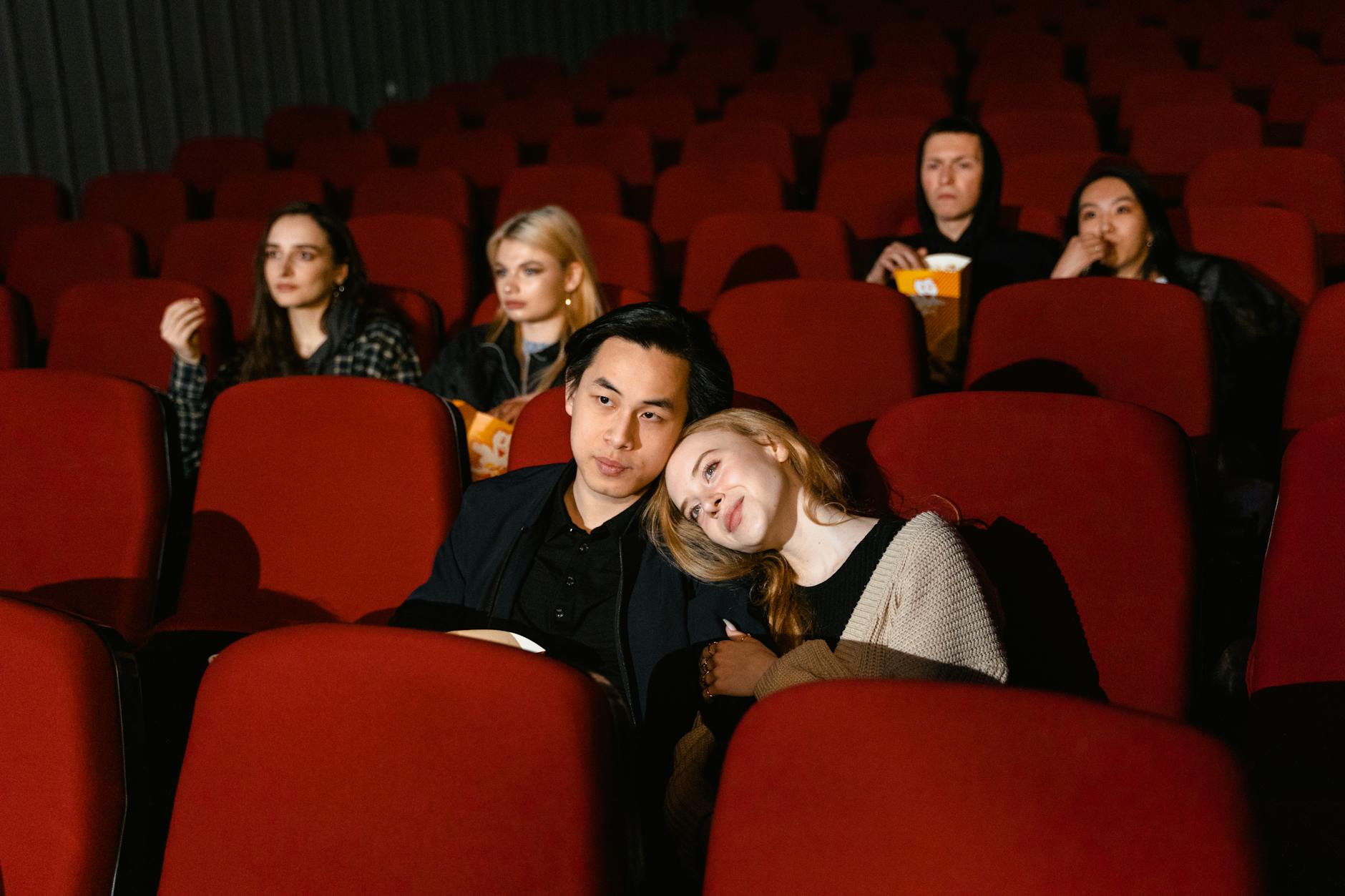
Violence and Scary Content in A Quiet Place Day One: What Parents Should Expect
The creature violence in Day One represents the most significant content concern for parents. The alien monsters hunt by sound and kill swiftly when they locate prey. Audiences witness multiple attack sequences where creatures strike humans, though the camera often cuts away before showing explicit gore.
Deaths are implied and shown in shadow, quick cuts, or from a distance, maintaining a level of restraint consistent with the PG-13 rating. the sheer volume of attacks exceeds the previous films due to the invasion-day setting with millions of potential victims.
Several sequences stand out as particularly intense. The initial attack on New York City depicts widespread panic, destruction of buildings, and mass casualties as creatures rain down from the sky. A puppet theater scene early in the film delivers the first major jump scare with devastating consequences.
Later sequences in flooded subway tunnels and dark buildings create claustrophobic tension that may overwhelm younger viewers. The film employs the same silence-then-sudden-noise technique that made the original so effective, and these moments are designed to startle audiences.
- Creature attacks are frequent but not very graphic
- Some blood is visible on wounds and in water, though not excessive
- Implied deaths of many unnamed characters during the invasion
- One emotionally difficult death of a character audiences have connected with
- Animals are placed in peril, which may disturb some viewers more than human violence
Emotional Themes and Mature Content: Terminal Illness and Grief in Day One
Beyond the creature horror, A Quiet Place Day One contains heavy emotional content that parents should consider carefully. The protagonist, Sam, portrayed by Lupita Nyong’o, is a hospice patient with terminal cancer.
her journey through the invasion is colored by her awareness that she was already facing death before the creatures arrived. This adds layers of melancholy and existential weight that distinguish the film from standard monster fare.
Children who have experienced loss or who have family members with serious illness may find these themes particularly affecting. The film explores grief, acceptance, and finding meaning in final moments. Sam’s relationship with her cat, Frodo, and her developing connection with a frightened stranger named Eric provide emotional anchors amid the chaos.
Their conversations touch on death, legacy, and what makes life worth fighting for even when the end seems inevitable. These themes may prompt difficult questions from younger viewers or cause unexpected emotional responses from those who connect with Sam’s circumstances.
- Terminal illness is central to the protagonist’s story, not a background detail
- Characters discuss death and dying in direct terms
- The ending carries significant emotional weight that may linger with sensitive viewers
- Themes of isolation and finding connection during crisis pervade the narrative
- Parents of children who have lost loved ones should consider timing carefully

Language, Drugs, and Other Content Concerns for Families
Language in A Quiet Place Day One is notably restrained, largely because speaking above a whisper means death. The few instances of profanity include mild words that fall well within PG-13 standards. There are no uses of stronger profanity, and the limited dialogue means fewer opportunities for objectionable language overall.
Parents concerned primarily about language will find this film less problematic than many other PG-13 releases.
The film contains brief scenes showing Sam’s medication and pain management as a cancer patient. These moments are handled realistically and are integral to her character rather than glorified or detailed. There is no recreational drug use, smoking, or alcohol consumption that would raise concerns.
A brief romantic subplot involves hand-holding and emotional intimacy without any sexual content. The focus remains firmly on survival and the developing platonic relationships between characters.
- No strong profanity (no F-words)
- Occasional mild language including “hell” and “damn”
- Medical drug use shown in context of cancer treatment
- No sexual content or nudity
- No smoking or drinking
How A Quiet Place Day One Compares to Previous Films in the Franchise
Parents familiar with the first two A Quiet Place films have a baseline for understanding what Day One offers, though notable differences exist. The original 2018 film and its 2021 sequel focused on the Abbott family in rural settings, creating tension through isolation and near-constant quiet.
Day One’s urban environment means more noise, more people, and consequently more creature activity. The scale of destruction is significantly larger, showing skyscrapers collapsing and streets filled with terrified crowds rather than a single farmhouse under siege.
The previous films earned their PG-13 ratings with similar content warnings, and Day One maintains consistency in terms of what it shows versus implies. However, the sheer number of deaths and attacks may register as more intense simply due to volume.
The creatures themselves appear more frequently on screen, which could either diminish their scariness through familiarity or increase it through constant threat. Parents whose children handled the first two films comfortably will likely find Day One comparable, while those who found the originals at the edge of tolerance may want to wait.
- More action and less quiet contemplation than the original
- Higher body count due to urban population density
- Creatures shown more frequently and in daylight
- Less focus on family dynamics, more on strangers bonding
- Similar jump scare techniques and creature design

Sound Design and Sensory Considerations for Sensitive Viewers
The sound design of A Quiet Place Day One deserves special attention from parents of children with sensory processing sensitivities. The film intentionally manipulates silence and sudden loud noise to create maximum startle effect. Long stretches of near-total quiet are shattered by creature shrieks, explosions, and the sounds of destruction.
This pattern repeats throughout the runtime and is fundamental to the film’s horror technique.
For children or adults who are sensitive to sudden loud noises, this element alone may make the film unsuitable regardless of other content considerations. The theatrical experience amplifies these contrasts significantly.
Cinema sound systems are calibrated to make quiet moments nearly silent and loud moments impactful, meaning the jumps between extremes are more jarring than home viewing. Parents considering whether to see the film in theaters versus waiting for streaming should factor this into their decision.
Home viewing with volume control and the ability to pause offers more management options for sensitive viewers.
- Extreme dynamic range between silence and sudden loud sounds
- Creature screech sounds are high-pitched and piercing
- Explosion and destruction sounds at high volume
- Theatrical presentation maximizes startle effect
- Consider noise-reducing earbuds or headphones for sensitive viewers
How to Prepare
- Watch the previous films first to establish familiarity with the creatures and the rules of the world. Children who understand how the monsters hunt and what survival looks like will feel less blindsided by the content in Day One. This also allows parents to gauge reactions to similar content before committing to the more intense prequel.
- Discuss the premise and basic plot without spoiling specific scenes. Explain that the film shows the first day of the alien invasion, that many people die, and that the main character is sick with cancer. Knowing these elements ahead of time can reduce shock and allow viewers to prepare emotionally rather than being caught off guard.
- Talk about the difference between movie scares and real danger. For younger teens especially, reminding them that they are safe and that the creatures are computer-generated effects can help maintain perspective. Some children benefit from learning about how special effects and sound design create fear artificially.
- Create a plan for taking breaks if needed. Agree on a signal the child can give if they need to step out, use the bathroom, or simply have a moment to decompress. Knowing they have an exit strategy can reduce anxiety and actually make it less likely they will need to use it.
- Choose the viewing environment thoughtfully. Decide whether the theatrical experience or home viewing better suits the child’s needs. Consider time of day, as late-night viewings may intensify anxiety and make post-film sleep difficult. A matinee followed by normal activities can help process the experience.
How to Apply This
- Preview reviews and content guides from multiple sources to form a complete picture of what the film contains. comprehensive information, but cross-referencing with sites like Common Sense Media or Kids-in-Mind offers additional perspectives and detail levels.
- Have a post-viewing conversation to process what your child experienced. Ask open-ended questions about what scared them, what they found interesting, and whether any parts made them think about real-life situations. This discussion helps contextualize the fiction and address any lingering concerns.
- Monitor sleep and mood in the days following viewing. Some children process horror films without any difficulty, while others experience delayed reactions including nightmares, anxiety about sounds, or intrusive thoughts about the creatures. Being attentive to these signs allows parents to provide support if needed.
- Use the film as a starting point for meaningful conversations about its deeper themes. The terminal illness storyline, the importance of human connection during crisis, and the value of finding joy even when facing the worst circumstances provide rich material for family discussions beyond simple scary movie territory.
Expert Tips
- Avoid making the theater experience the child’s first exposure to the franchise. The original A Quiet Place is more contained in scale and serves as an effective test of whether a young viewer can handle this style of horror before the more intense Day One.
- Consider individual sensitivity to specific triggers over general age recommendations. A 14-year-old who recently lost a grandparent to cancer may struggle more with this film than a 12-year-old without that connection, regardless of their respective comfort with scary movies.
- The cat in the film survives, which parents can safely reveal to children anxious about animal welfare without spoiling the human character arcs. This foreknowledge may reduce anxiety for animal lovers.
- If watching at home, having subtitles on can help manage the silence-to-loudness transitions by providing visual cues that something is about to happen, reducing the startle effect while maintaining narrative engagement.
- Frame discussions about the film’s scarier elements in terms of craft and technique rather than as genuinely frightening things. Asking “How do you think they made that scene so tense?” encourages analytical viewing that creates emotional distance from the horror.
Frequently Asked Questions
How long does it typically take to see results?
Results vary depending on individual circumstances, but most people begin to see meaningful progress within 4-8 weeks of consistent effort.
Is this approach suitable for beginners?
Yes, this approach works well for beginners when implemented gradually. Starting with the fundamentals leads to better long-term results.
What are the most common mistakes to avoid?
The most common mistakes include rushing the process, skipping foundational steps, and failing to track progress.
How can I measure my progress effectively?
Set specific, measurable goals at the outset and track relevant metrics regularly. Keep a journal to document your journey.
You Might Also Like
- The Prestige Twist Explained
- The Lord of the Rings The War of the Rohirrim Age Rating Explained
- Sonic the Hedgehog Three Age Rating Explained