The impact of cinema on society and social issues represents one of the most profound cultural forces of the past century, shaping public opinion, challenging norms, and serving as both mirror and catalyst for social change.
Since the Lumière brothers first projected moving images in 1895, film has evolved from a technological novelty into a dominant medium of storytelling that reaches billions of people across every continent.
Unlike any art form before it, cinema combines visual imagery, sound, narrative, and emotion in ways that can bypass intellectual defenses and speak directly to the human experience, making it uniquely powerful in addressing complex social questions. Understanding how movies influence society matters because we consume visual media at unprecedented rates.
The average American watches over four hours of video content daily, and global box office revenues exceeded $33 billion in 2023 alone.
- Impact Cinema Society: Table of Contents
- How Does Cinema Shape Public Perception of Social Issues?
- Historical Milestones Where Cinema Influenced Social Change
- The Role of Representation in Cinema and Social Impact
- How Filmmakers Address Social Issues Through Different Genres
- Criticisms and Debates About Cinema's Social Responsibility
- The Future of Socially Conscious Cinema
- How to Prepare
- How to Apply This
- Expert Tips
- Conclusion
- Frequently Asked Questions
- You Might Also Like
This massive consumption means that the stories, characters, and perspectives presented on screen inevitably shape how audiences perceive the world around them.
Films have historically tackled issues ranging from racial injustice and gender inequality to mental health stigma and economic disparity, often reaching audiences who might never engage with these topics through traditional news or academic channels.
The question of how cinema addresses social issues intersects with broader concerns about representation, responsibility, and the role of art in democratic societies.
By the end of this article, readers will gain a comprehensive understanding of the mechanisms through which film influences public attitudes, the historical precedents for cinema as a tool of social commentary, and the ongoing debates about the responsibilities of filmmakers in depicting sensitive subjects.
We will examine specific case studies of films that shifted public discourse, analyze the psychological research on media influence, and consider how different genres approach social messaging.
Whether you are a casual moviegoer curious about the deeper implications of what you watch, a student of film studies, or someone interested in the intersection of art and activism, this exploration will provide frameworks for thinking critically about the movies that shape our collective consciousness.
Table of Contents
- How Does Cinema Shape Public Perception of Social Issues?
- Historical Milestones Where Cinema Influenced Social Change
- The Role of Representation in Cinema and Social Impact
- How Filmmakers Address Social Issues Through Different Genres
- Criticisms and Debates About Cinema’s Social Responsibility
- The Future of Socially Conscious Cinema
- How to Prepare
- How to Apply This
- Expert Tips
- Conclusion
- Frequently Asked Questions
How Does Cinema Shape Public Perception of Social Issues?
cinema shapes public perception through several interconnected psychological and social mechanisms that researchers have studied extensively over the past several decades.
The transportation theory of narrative persuasion, developed by psychologists Melanie Green and Timothy Brock, explains that when viewers become absorbed in a story, their critical resistance to new ideas decreases significantly.
This “transportation” into a narrative world allows audiences to experience perspectives and situations far removed from their daily lives, fostering empathy and understanding in ways that didactic messaging cannot achieve.
A viewer who might dismiss a newspaper article about homelessness could find themselves deeply moved by a character’s struggle in a film like “The Pursuit of Happyness,” creating an emotional connection that statistics alone cannot provide.
The parasocial relationship phenomenon further explains cinema’s influence on social attitudes. When audiences spend two hours with characters, they develop pseudo-relationships that mirror real social connections. Research published in the Journal of Communication found that positive portrayals of marginalized groups in film can reduce prejudice in viewers, a concept known as the parasocial contact hypothesis.
This effect has been documented in studies examining attitudes toward LGBTQ+ individuals after watching films with positive gay characters, toward people with mental illness after sympathetic portrayals, and toward racial minorities when films present complex, humanized characters rather than stereotypes.
- The mere exposure effect means repeated cinematic representation normalizes previously unfamiliar concepts or groups, gradually shifting what society considers acceptable or mainstream
- Agenda-setting theory applies to film as it does to news media, with movies bringing certain issues to public attention and implicitly suggesting their importance through the choice to dramatize them
- The cultivation theory, developed by George Gerbner, demonstrates that heavy viewers of certain content types develop worldviews consistent with the patterns they see on screen, a phenomenon with significant implications for how crime, violence, and social problems are perceived
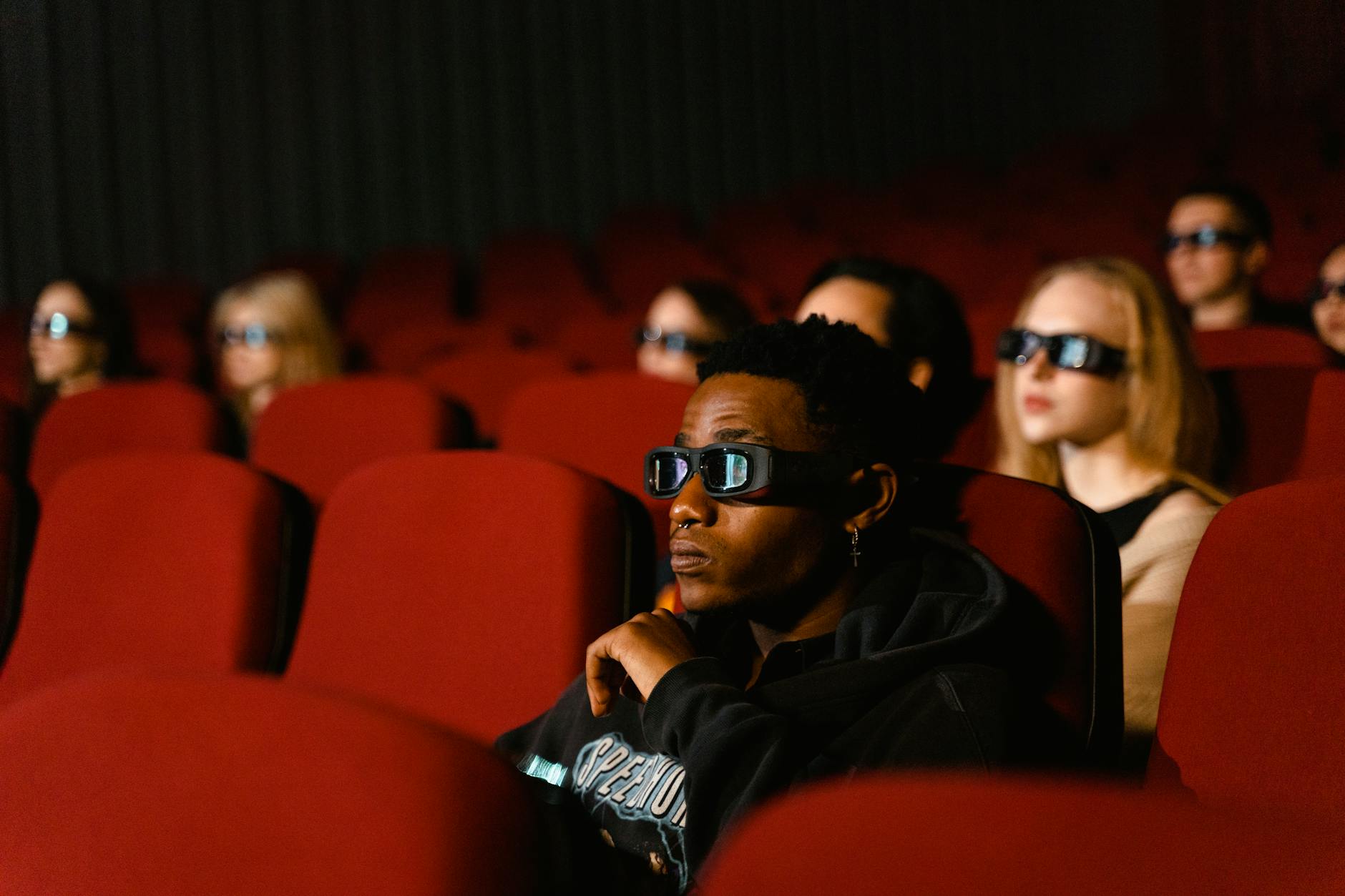
Historical Milestones Where Cinema Influenced Social Change
Throughout film history, specific movies have served as turning points in public discourse on critical social issues, demonstrating cinema’s capacity to accelerate cultural shifts. “Guess Who’s Coming to Dinner” (1967) premiered just months after the Supreme Court struck down anti-miscegenation laws in Loving v.
Virginia, presenting interracial marriage to mainstream audiences through the lens of a beloved upper-middle-class family. While criticized by some for its accommodating approach, the film reached audiences who might never have considered the issue, with Gallup polls showing approval of interracial marriage rising from 20% in 1968 to significantly higher numbers in subsequent decades.
The film’s impact illustrates how cinema can enter conversations at pivotal moments and help normalize social change already underway. The AIDS crisis of the 1980s and early 1990s received crucial attention through films like “Philadelphia” (1993), which became the first major Hollywood studio film to tackle HIV/AIDS directly.
Tom Hanks’ Academy Award-winning performance humanized people living with AIDS at a time when stigma and misinformation were rampant. Surveys conducted after the film’s release showed increased sympathy for AIDS patients and greater support for anti-discrimination protections.
Similarly, “Boys Don’t Cry” (1999) brought the murder of transgender man Brandon Teena to national attention, contributing to the eventual passage of hate crime legislation that included gender identity protections.
- “The Grapes of Wrath” (1940) depicted the plight of Dust Bowl migrants so powerfully that it influenced public support for New Deal programs and labor protections
- “Schindler’s List” (1993) revitalized Holocaust education, with the Survivors of the Shoah Visual History Foundation (now USC Shoah Foundation) collecting over 55,000 testimonies following the film’s release
- “An Inconvenient Truth” (2006) is credited by researchers at Yale and George Mason universities with significantly increasing public concern about climate change, demonstrating documentary film’s capacity to influence policy debates
The Role of Representation in Cinema and Social Impact
Representation in film carries weight precisely because absence and presence on screen communicate implicit messages about who matters in society and whose stories deserve telling.
The Annenberg Inclusion Initiative at USC has tracked representation in top-grossing films for over a decade, finding persistent disparities: in their 2023 report analyzing 1,600 films from 2007 to 2022, they found that only 34.6% of speaking characters were female, only 5.8% were from the LGBTQ+ community, and characters with disabilities appeared in just 2.2% of films despite representing approximately 15% of the global population.
These numbers matter because they shape both how marginalized groups see themselves and how dominant groups perceive others.
The concept of symbolic annihilation, coined by media scholar George Gerbner, describes how the absence or trivialization of groups in media contributes to their marginalization in society. When children grow up rarely seeing people who look like them in heroic roles, the psychological impact includes reduced self-esteem and narrowed conceptions of possibility.
Research published in Psychological Science found that after watching “black Panther,” Black children showed increased positive racial identity and higher self-esteem scores.
The film’s $1.3 billion global box office also challenged long-held industry assumptions that films with predominantly Black casts could not succeed internationally, potentially opening doors for more diverse storytelling.
- The “Bury Your Gays” trope, where LGBTQ+ characters disproportionately die in narratives, has been documented and criticized for sending messages about whose lives are valued
- The Bechdel Test, which asks whether a film has two named women who talk to each other about something other than a man, reveals that only about 57% of films meet this low bar, highlighting ongoing gender representation issues

How Filmmakers Address Social Issues Through Different Genres
Different film genres offer distinct approaches to engaging with social issues, each with particular strengths and limitations for reaching audiences and prompting reflection. Documentary filmmaking provides perhaps the most direct engagement, presenting real-world evidence and testimony to make arguments about social problems.
Films like “13th” (2016), which traces the connection between slavery and mass incarceration, combine archival footage, expert interviews, and statistical analysis to build compelling cases. The genre’s credibility comes from its perceived objectivity, though critics note that documentaries also construct narratives and can mislead through selective editing.
Streaming platforms have expanded documentary reach significantly, with Netflix’s documentary viewership increasing 300% between 2018 and 2023. Narrative fiction films address social issues through allegory, metaphor, and emotional identification with characters.
The horror genre has proven particularly adept at social commentary, from George Romero’s use of zombies to critique consumerism and racism to Jordan Peele’s “Get Out” (2017), which generated widespread discussion about liberal racism and the Black experience in America.
Science fiction similarly provides distance that allows audiences to engage with controversial topics, with films like “District 9” using alien segregation as obvious apartheid allegory. Comedy offers another avenue, with satire like “Don’t Look Up” (2021) addressing climate denial through absurdist humor that reached audiences who might avoid earnest environmental documentaries.
- Historical dramas like “12 Years a Slave” (2013) and “Selma” (2014) bring past injustices to contemporary audiences, often sparking educational initiatives and renewed interest in historical periods
- Animated films increasingly tackle social issues for younger audiences, with “Zootopia” (2016) addressing prejudice and stereotyping through its animal world allegory
- Independent cinema often leads on social issues, taking risks that studios avoid, with films like “Moonlight” (2016) exploring Black gay identity with nuance rarely seen in mainstream productions
Criticisms and Debates About Cinema’s Social Responsibility
The question of filmmakers’ social responsibility generates ongoing debate among critics, scholars, and industry professionals, with legitimate concerns raised about both overreach and neglect. Critics of socially conscious filmmaking argue that prioritizing message over artistry produces propaganda rather than art, pointing to films that sacrifice nuance for didacticism.
The concept of the “noble savage” or the “white savior” narrative illustrates how well-intentioned films can perpetuate harmful frameworks even while attempting to address social issues.
Films like “The Help” (2011) and “Green Book” (2018) received criticism for centering white perspectives in stories ostensibly about Black experiences, suggesting that who tells stories matters as much as which stories get told.
The debate over “cancel culture” and retroactive criticism of older films presents additional complications. Should classic films with racist elements like “Gone with the Wind” (1939) be banned, contextualized, or presented unchanged? Warner Bros. chose to add historical context to the film on its streaming platform, while others argue for removal entirely.
Research on media effects is also contested, with some scholars arguing that claims about cinema’s influence are overstated and that audiences are more active and critical consumers than cultivation theory suggests.
The relationship between violent media and real-world violence has been particularly contentious, with meta-analyses showing small but statistically significant correlations that are difficult to interpret causally.
- The “performative diversity” critique suggests that studios prioritize visible diversity over substantive change in storytelling and industry practices
- International perspectives complicate Western-centric analyses, with Bollywood, Nollywood, and other film industries having distinct relationships with their societies’ social issues

The Future of Socially Conscious Cinema
The evolving media landscape presents both opportunities and challenges for cinema’s continued engagement with social issues. Streaming platforms have democratized distribution, allowing films with niche social messages to find audiences without requiring blockbuster box office performance.
The success of films like “Mudbound” (2017) and “The Trial of the Chicago 7” (2020) on streaming services suggests audiences are willing to engage with challenging material in home viewing contexts.
However, the algorithm-driven recommendation systems of streaming platforms may create filter bubbles, showing socially conscious content primarily to viewers already inclined toward such material, potentially limiting the cross-ideological reach that theatrical releases historically provided.
Emerging technologies offer new possibilities for social impact filmmaking. Virtual reality experiences like “Traveling While Black” (2019) immerse viewers directly in the experience of racial discrimination, with research suggesting VR generates even stronger empathic responses than traditional film. Interactive documentaries allow viewers to explore social issues at their own pace and according to their interests.
At the same time, concerns about deepfakes and AI-generated content raise questions about documentary truthfulness and the ability to manipulate audiences through synthetic media. The cinema of the future will need to navigate these technological changes while maintaining the emotional authenticity and social relevance that has made film a powerful force throughout its history.
How to Prepare
- **Research the production context before viewing socially conscious films.** Understand who made the film, who financed it, and what perspectives they bring. A film about Indigenous experiences directed by an Indigenous filmmaker will likely differ significantly from one made by outsiders. Look up behind-the-scenes information, read interviews with the creators, and consider what agendas might shape the narrative.
- **Learn the historical and social background of the issues depicted.** Films compress and dramatize reality, often simplifying complex situations for narrative purposes. Before or after watching a film about a social issue, read scholarly or journalistic accounts to understand what the film accurately represents and what it omits or distorts. This context enhances both appreciation and critical assessment.
- **Familiarize yourself with basic film analysis concepts.** Understanding techniques like framing, editing, music, and point-of-view helps reveal how films construct their messages. A film about poverty that shows elegant cinematography of suffering may aestheticize rather than challenge the conditions it depicts. Technical choices are never neutral and always contribute to meaning.
- **Seek out diverse perspectives on the same social issues.** Watch multiple films on topics that interest you, including those made by different filmmakers from different backgrounds. Compare how documentaries and narrative films approach the same subject. This comparative approach reveals the constructed nature of all cinematic representation and guards against accepting any single film’s perspective uncritically.
- **Engage with film criticism and academic analysis.** Read reviews that go beyond simple quality judgments to analyze films’ social messages and contexts. Academic journals like Cinema Journal, Screen, and Jump Cut provide scholarly perspectives, while publications like Film Quarterly and Sight & Sound offer accessible but rigorous criticism. This external perspective often reveals dimensions of films that initial viewing misses.
How to Apply This
- **Join or create discussion groups focused on socially conscious cinema.** The impact of viewing extends significantly when combined with dialogue. Local film societies, university screenings with discussions, and online communities dedicated to film analysis provide forums for processing and debating the social dimensions of what you watch. Articulating your reactions helps clarify your thinking and exposes you to alternative interpretations.
- **Connect film viewing to direct engagement with social issues.** Many organizations partner with film releases to provide action opportunities. After watching a documentary about environmental issues, research local environmental organizations. After viewing a film about homelessness, look into volunteer opportunities at shelters. This connection between emotional engagement and practical action turns passive consumption into active citizenship.
- **Support filmmakers and distributors prioritizing underrepresented voices.** Where you spend money signals what content the industry should produce. Subscribe to streaming services featuring independent and international cinema. Attend film festivals showcasing work by marginalized filmmakers. Purchase rather than pirate films from smaller distributors. Market forces significantly influence what stories get told, and conscious consumption can shift those forces.
- **Share and discuss impactful films within your networks.** Social influence research shows that personal recommendations carry more weight than advertising. When a film affects you, talk about it with friends, family, and colleagues. Post thoughtful responses on social media. Write reviews on rating sites. This sharing extends films’ reach and multiplies their potential social impact beyond individual viewing.
Expert Tips
- **Watch films in theatrical settings when possible for socially significant releases.** The shared experience of communal viewing intensifies emotional responses and allows for immediate post-film discussion with fellow audience members. The box office success of films addressing social issues also signals to studios that such content has commercial viability.
- **Pay attention to what feelings films are trying to generate and interrogate whether those feelings serve understanding.** Some films manipulate emotions in ways that ultimately reinforce stereotypes or provide false catharsis. A film that makes white audiences feel good about historical progress may actually impede recognition of ongoing problems. Emotional engagement should prompt further inquiry, not substitute for it.
- **Distinguish between representation and inclusion behind the camera.** A film may feature diverse characters while being written, directed, and produced entirely by members of dominant groups. Research shows that diversity in creative leadership correlates with more nuanced and authentic representation on screen. The credits reveal as much as the screen when assessing a film’s social positioning.
- **Consider international cinema for perspectives unavailable in Hollywood productions.** American studio films reflect American assumptions and concerns. Iranian cinema, South Korean films, and African productions offer different frameworks for understanding social issues that can challenge parochialism. Subtitles are a small barrier compared to the expanded understanding these works offer.
- **Revisit older films with contemporary critical awareness while avoiding anachronistic judgment.** Classic films reflect their eras’ blind spots and prejudices, which current viewing can reveal. Understanding how past films failed on social issues illuminates both historical attitudes and the slow pace of change. However, dismissing older films entirely ignores their historical value and the ways they may have been progressive within their contexts.
Conclusion
The relationship between cinema and society operates as a continuous feedback loop, with films both reflecting social attitudes and actively shaping them. Throughout more than a century of cinema history, movies have brought attention to injustices, humanized marginalized groups, and provided shared cultural touchstones for processing social change.
The research on media influence, while complex and sometimes contested, consistently demonstrates that what we watch matters. Films reach audiences in emotional registers that other forms of communication cannot access, creating opportunities for empathy and understanding that transcend demographic boundaries.
The question is not whether cinema influences society but how to harness that influence responsibly while respecting artistic freedom and audience autonomy.
Moving forward, critical engagement with film becomes increasingly important as media consumption intensifies and new technologies create both opportunities and risks. Viewers who understand the mechanisms of cinematic influence can appreciate films more fully while maintaining appropriate skepticism about the perspectives they promote.
Filmmakers who recognize their social power can tell important stories without sacrificing artistic integrity or descending into propaganda. The cinema’s capacity to address social issues remains one of the medium’s great gifts, inviting audiences into experiences and perspectives that might otherwise remain unknown.
By watching thoughtfully, discussing openly, and acting on the understanding films provide, audiences can help ensure that cinema continues to serve as a force for social awareness and positive change in the decades ahead.
Frequently Asked Questions
How long does it typically take to see results?
Results vary depending on individual circumstances, but most people begin to see meaningful progress within 4-8 weeks of consistent effort.
Is this approach suitable for beginners?
Yes, this approach works well for beginners when implemented gradually. Starting with the fundamentals leads to better long-term results.
What are the most common mistakes to avoid?
The most common mistakes include rushing the process, skipping foundational steps, and failing to track progress.
How can I measure my progress effectively?
Set specific, measurable goals at the outset and track relevant metrics regularly. Keep a journal to document your journey.
You Might Also Like
For more on Impact Cinema Society, see the full breakdown above – the impact cinema society details cover what most viewers want to know.
Whether you searched for impact cinema society reviews, impact cinema society streaming, or impact cinema society cast, this guide consolidates the relevant impact cinema society facts in one place.