Organizing virtual movie watch parties with discussions has become an essential skill for film enthusiasts who want to share their passion with friends, family, and fellow cinephiles scattered across different locations.
What began as a niche workaround for long-distance friendships has evolved into a legitimate form of communal film appreciation, complete with dedicated platforms, established etiquette, and creative approaches to fostering meaningful conversations about cinema.
The appeal extends beyond mere convenience””virtual watch parties offer opportunities for diverse perspectives, flexible scheduling, and the kind of focused film discussion that rarely happens in traditional theater settings. The challenges of hosting these events are real but solvable.
Synchronization issues, awkward silences, technical difficulties, and the absence of physical presence can all undermine the experience if not addressed thoughtfully.
- Organizing Virtual Movie: Table of Contents
- What Makes Virtual Movie Watch Parties Different from In-Person Viewing?
- Essential Platforms and Tools for Synchronized Virtual Movie Watching
- Structuring Discussions That Enhance Film Appreciation
- Selecting Films That Spark Meaningful Watch Party Conversations
- Managing Technical Challenges and Synchronization Problems
- Building Recurring Watch Party Communities and Film Clubs
- How to Prepare
- How to Apply This
- Expert Tips
- Conclusion
- Frequently Asked Questions
- You Might Also Like
Many hosts struggle with balancing the movie-watching experience with discussion time, or find that conversations fizzle out after surface-level reactions. Others battle with platform limitations that fragment attention or create frustrating delays between participants.
These obstacles have led countless well-intentioned watch parties to fall flat, leaving hosts wondering whether the format can ever replicate the magic of watching films together in person.
This guide addresses those concerns directly, offering tested strategies for selecting the right technology, structuring engaging discussions, managing group dynamics across screens, and creating an atmosphere that enhances rather than diminishes the cinematic experience.
By the end, readers will understand how to plan watch parties that accommodate different time zones and technical abilities, facilitate discussions that go beyond “that was good” or “that was boring,” and build recurring events that participants genuinely look forward to attending.
Whether the goal is a casual viewing with close friends or a structured film club meeting, the principles outlined here apply across scales and purposes.
Table of Contents
- What Makes Virtual Movie Watch Parties Different from In-Person Viewing?
- Essential Platforms and Tools for Synchronized Virtual Movie Watching
- Structuring Discussions That Enhance Film Appreciation
- Selecting Films That Spark Meaningful Watch Party Conversations
- Managing Technical Challenges and Synchronization Problems
- Building Recurring Watch Party Communities and Film Clubs
- How to Prepare
- How to Apply This
- Expert Tips
- Conclusion
- Frequently Asked Questions
What Makes Virtual Movie Watch Parties Different from In-Person Viewing?
Virtual movie watch parties operate under fundamentally different social and technical conditions than traditional group viewings, and understanding these differences is essential for hosting successful events.
In a physical setting, the shared environment does much of the work automatically””everyone sees the same screen, hears the same audio, and can read the room through peripheral awareness and body language.
Virtual gatherings require intentional design to recreate even basic elements of this shared experience, from ensuring playback synchronization to establishing when and how participants should communicate. The absence of physical co-presence changes group dynamics in subtle but significant ways.
Participants in virtual watch parties often feel less inhibited about texting reactions during the film, which can either enhance engagement or create distracting cross-talk depending on how the host manages it.
The barrier to participation drops since viewers can attend from bed, their couch, or anywhere with internet access, but this comfort can also lead to divided attention if someone decides to multitask.
Additionally, the deliberate nature of virtual attendance””requiring technical setup, calendar coordination, and active platform participation””tends to filter for genuinely interested viewers rather than casual tagalongs who happened to be in the same room. The discussion component benefits from the virtual format in several ways that surprise many first-time hosts.
Text-based chat running alongside the viewing creates a written record of reactions and observations that can fuel post-movie discussion. Participants who might stay quiet in person sometimes contribute more readily through typed comments.
Screen sharing allows hosts to pull up specific scenes for analysis, reference external materials like interviews or reviews, and guide visual attention in ways impossible during in-person viewings. These affordances, when leveraged properly, can produce discussions that exceed what typically happens after a trip to the local cinema.
- Physical presence must be deliberately simulated through platform features and hosting choices
- Participant attention requires active management strategies absent from in-person gatherings
- Text-based communication creates opportunities for enhanced engagement and discussion documentation
- Technical setup acts as a filter that often increases participant investment
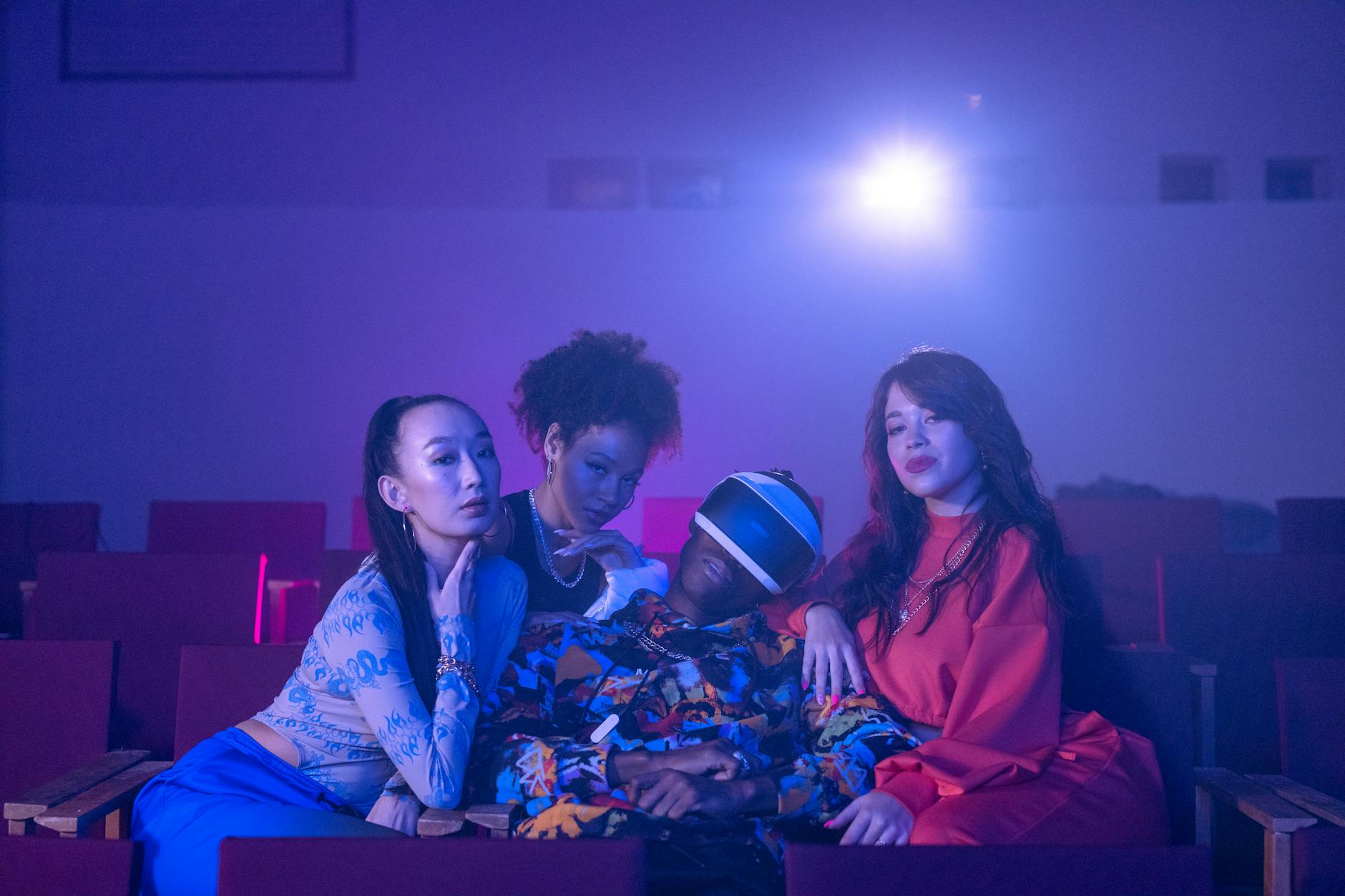
Essential Platforms and Tools for Synchronized Virtual Movie Watching
The technical foundation of any virtual watch party determines its ceiling for success, and the platform landscape has matured considerably since the early days of awkward countdown synchronization.
Dedicated watch party services now offer built-in synchronization that keeps all participants within a fraction of a second of each other, automatic pause-when-someone-buffers features, and integrated chat or voice communication. The major streaming services have developed their own solutions, while third-party platforms offer cross-service compatibility that allows groups to watch content from different libraries together.
Teleparty, formerly Netflix Party, remains one of the most widely used browser extensions, supporting Netflix, Hulu, Disney Plus, HBO Max, Amazon Prime Video, and several other services. It synchronizes playback automatically and provides a sidebar chat interface where participants can send text messages and emoji reactions.
Discord has emerged as a powerful alternative, particularly for groups already using the platform for other purposes””its screen share feature allows anyone to broadcast their video player to a server channel, though quality depends on the broadcaster’s internet connection and Nitro subscription status.
Amazon Prime Video’s Watch Party feature, Hulu’s Watch Party, and Disney Plus GroupWatch offer native solutions that require no additional software but limit participation to subscribers of those specific services. For groups prioritizing discussion, the choice between text chat and voice communication during the film shapes the entire experience.
Platforms like Scener allow participants to appear on video in a virtual theater lobby before and after the film while providing text chat during playback. Kosmi offers virtual rooms where groups can watch synchronized video from various sources while chatting via text or voice.
When accessibility matters, these platforms vary significantly in their support for closed captions, audio descriptions, and compatibility with screen readers. Testing the chosen platform with a short video before the main event prevents technical disasters during the actual watch party.
- Teleparty supports major streaming services with automatic synchronization and integrated chat
- Discord screen sharing works across content sources but depends on connection quality
- Native watch party features from streaming services limit participation to subscribers
- Voice versus text chat during viewing fundamentally changes the participation dynamic
Structuring Discussions That Enhance Film Appreciation
The discussion component transforms a watch party from passive group viewing into genuine film engagement, but meaningful conversations require structure and facilitation. Without guidance, post-movie discussions tend to follow predictable patterns: initial gut reactions, plot confusion clarification, a few memorable scene callouts, then rapid dissipation.
Hosts who prepare discussion frameworks in advance consistently report deeper, longer, and more satisfying conversations that leave participants thinking about the film long after the event ends.
Effective discussion structures often move through layers of engagement, starting with immediate emotional responses before progressing to analytical observation and finally broader thematic connections. A simple framework asks participants to share one moment that surprised them, one element they want to discuss further, and one question the film left them with.
More elaborate approaches borrow from academic film studies, prompting examination of cinematography, sound design, narrative structure, and directorial choices before addressing interpretation and evaluation.
The key is matching discussion depth to group interest””casual viewers may find heavy analytical frameworks exhausting, while serious film enthusiasts may feel unsatisfied by surface-level reaction sharing. Timing discussions requires strategic decisions that many hosts overlook. Holding all discussion until after the credits preserves immersion but means earlier scenes receive less attention as memory fades.
Allowing real-time commentary keeps energy high but fragments attention and prevents the film from building cumulative impact. A middle approach pauses at one or two predetermined points for brief discussion before continuing, then holds the main conversation after the film ends.
This works particularly well for longer films or those with distinct acts. Whatever approach a host chooses, communicating expectations clearly before pressing play prevents the frustration of mismatched assumptions about when talking is appropriate.
- Prepared discussion frameworks prevent conversations from fizzling after initial reactions
- Layered discussion structures move from emotional response through analysis to broader themes
- Discussion timing decisions involve tradeoffs between immersion and engagement
- Clear communication of discussion expectations before viewing prevents participant frustration
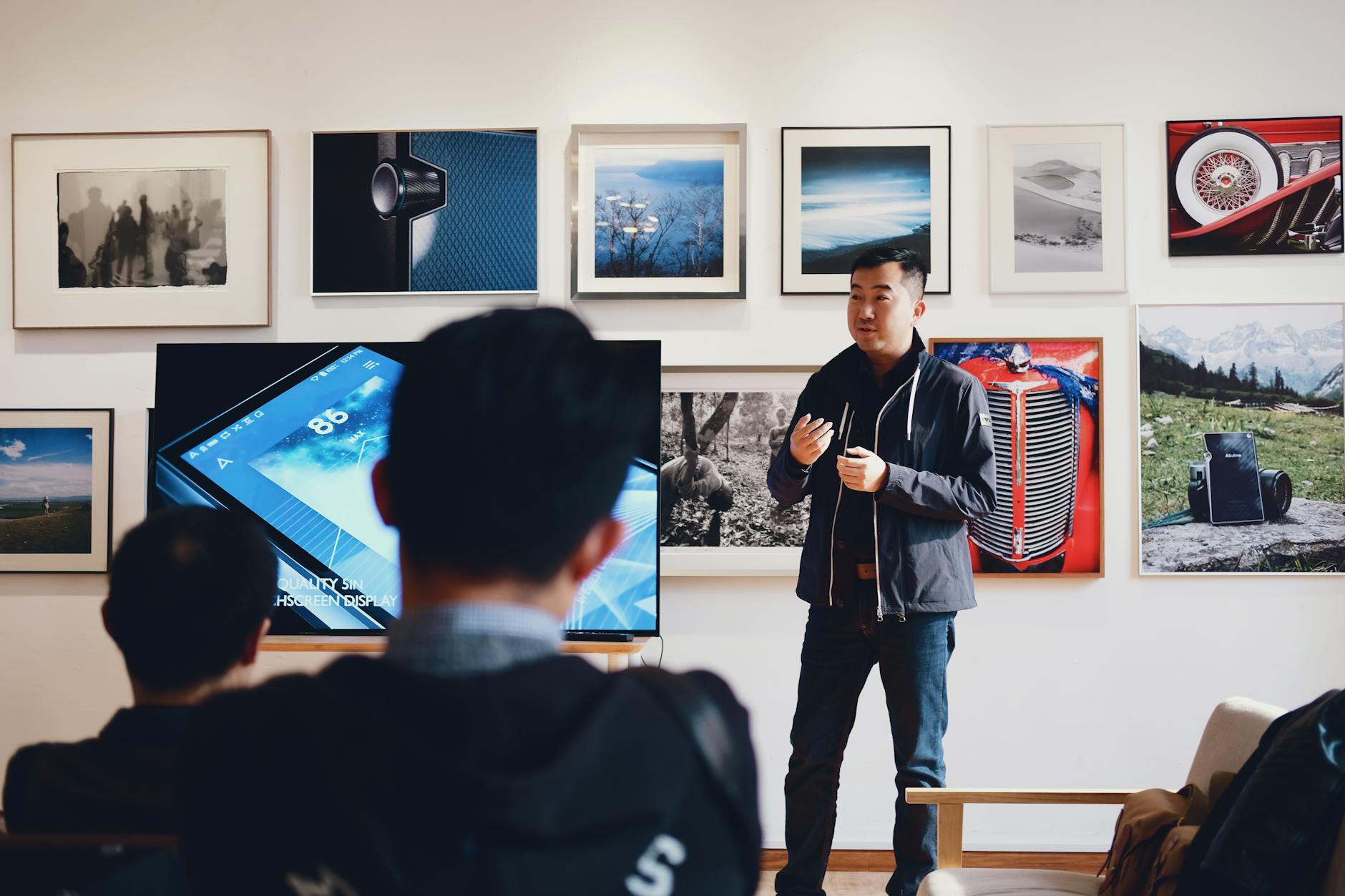
Selecting Films That Spark Meaningful Watch Party Conversations
Film selection may be the single most consequential decision a host makes, and the criteria for good watch party films differ from what makes a good solo viewing experience. The ideal watch party selection balances accessibility with substance””films that are engaging enough to hold distributed attention while offering sufficient depth to fuel extended discussion.
Obscure masterpieces that demand silent contemplation often underperform at watch parties, while crowd-pleasing spectacles may leave little to discuss beyond whether the effects looked cool. Genre films with strong thematic content tend to outperform in the watch party format because they provide both entertainment value and analytical hooks.
Horror films naturally generate communal reactions and raise questions about fear, mortality, and social anxieties. Science fiction prompts speculation about technology, humanity, and possible futures. Mysteries and thrillers invite collective theorizing and post-viewing reconstruction of clues.
Even romantic comedies and action films can spark rich discussion when selected for their subversive elements, cultural commentary, or notable craft achievements. The common thread is films that give participants something to notice, question, or debate beyond basic plot comprehension. Polling participants for preferences while maintaining curatorial vision helps balance democracy with direction.
Offering a curated shortlist of three to four films allows group input without opening the floor to infinite suggestions that delay decision-making. Themed selections around directors, decades, movements, or subjects create natural discussion throughlines across multiple watch parties.
Pairing lesser-known films with accessible entry points””a familiar actor, a timely topic, or connection to a popular film””helps participants take chances on movies they might not select independently. The goal is creating conditions where everyone arrives curious rather than skeptical or disengaged.
- Watch party films require balance between accessibility and discussion substance
- Genre films with thematic depth tend to outperform prestige pictures requiring silent reverence
- Curated shortlists balance participant input with host direction
- Themed selections create discussion continuity across multiple events
Managing Technical Challenges and Synchronization Problems
Technical difficulties represent the most common source of watch party frustration, and proactive management prevents most issues from derailing events. Synchronization problems top the list””when one participant’s playback drifts even a few seconds from the group, reactions land at wrong moments, spoilers slip through chat, and the shared experience fractures.
Understanding why synchronization fails helps hosts prevent and troubleshoot these situations rather than simply hoping the technology cooperates. Internet connection variability causes most synchronization drift, as participants with slower connections experience buffering that pauses their playback while others continue.
Platforms with automatic synchronization typically detect this and pause all participants when one buffers, but this feature sometimes fails or creates annoying repeated pauses that frustrate the group.
Hosts can mitigate this by recommending participants pre-buffer content before official start time, close bandwidth-heavy applications and browser tabs, and use wired rather than wireless connections when possible.
For groups with consistently unreliable connections, lowering streaming quality settings reduces buffering frequency at the cost of visual fidelity. Audio and video quality mismatches between participants create a second category of technical problems.
Differences in speaker systems, headphone quality, and room acoustics mean the same film sounds dramatically different across participants””dialogue-heavy films become frustrating when some viewers miss lines others hear clearly. Subtitle availability and configuration also varies, creating uneven experiences for viewers who need them.
Hosts should verify that selected films have adequate subtitle options on the chosen platform before announcing the selection. A pre-event technical check that includes playing a few minutes of the actual film content catches these issues before the main event, allowing time for troubleshooting or platform switches.
- Synchronization drift typically stems from internet connection variability
- Pre-buffering, closing other applications, and wired connections reduce buffering
- Audio quality and subtitle availability vary significantly between participants
- Pre-event technical checks with actual film content prevent day-of surprises

Building Recurring Watch Party Communities and Film Clubs
Single watch parties can be enjoyable, but recurring events transform isolated experiences into genuine communities with developing tastes, inside jokes, and accumulated shared references. Building this consistency requires establishing rhythms and expectations that make attendance feel natural rather than demanding.
Monthly watch parties tend to work better than weekly ones for most groups, allowing enough time between events for anticipation to build while preventing schedule fatigue. Consistent scheduling””same day of week, same time””reduces coordination overhead and lets participants plan around the event.
Film club structures borrowed from book clubs add additional layers of engagement that deepen community bonds. Rotating film selection duties gives each member a chance to share something meaningful to them while distributing the cognitive load of curation. Assigned discussion leaders prepare questions or contextual information that elevates conversation quality.
Themed seasons””exploring a director’s filmography, tracing a genre’s evolution, or surveying a national cinema””provide narrative arc to what might otherwise feel like random selections. Some groups maintain shared documents logging films watched, ratings, and memorable discussion moments, creating an archive that reinforces group identity and provides fodder for retrospective conversations.
Handling membership changes gracefully helps communities survive the natural churn of participants. Establishing low-pressure norms around attendance””expecting regulars but not penalizing absences””prevents guilt from causing dropout spirals. Welcoming new members with orientation to group history, norms, and ongoing jokes integrates them quickly.
Letting inactive members fade naturally without dramatic expulsion maintains relationships that might reactivate when life circumstances change. The most durable watch party communities treat the group itself as a long-term project worth maintaining through careful social tending rather than assuming shared interest in movies will automatically sustain participation.
How to Prepare
- **Select and verify platform access two weeks before the event.** Choose a platform that works for all participants, confirm everyone has necessary subscriptions or extension installations, and test basic functionality with at least one other person. This buffer time allows troubleshooting platform issues and gives participants time to set up accounts if needed.
- **Choose the film and distribute it one week in advance.** Send participants the film title, streaming platform, direct links when possible, and any relevant context they should know beforehand””whether that’s historical background, trigger warnings, or the reason this film was selected. Include estimated runtime to help participants block appropriate time.
- **Prepare discussion materials three to four days before.** Draft five to seven discussion questions ranging from reaction-based to analytical, research basic background information about the film’s production and reception, and identify two or three scenes that might merit revisiting during discussion. Having these ready prevents scrambling after the film ends.
- **Send a reminder with technical instructions the day before.** Include the start time in multiple time zones if participants span regions, the exact platform link, troubleshooting steps for common issues, and expectations about when and how to communicate during the viewing. Explicit instructions reduce the number of messages asking “how does this work?” at start time.
- **Open the virtual room fifteen minutes early on event day.** Arrive before participants to welcome arrivals, handle last-minute technical issues, facilitate pre-movie socializing, and coordinate official start time once sufficient participants have joined. This buffer absorbs lateness and technical fumbling without delaying the film itself.
How to Apply This
- **Start with a film you know well to reduce host anxiety.** For first-time hosts, selecting a familiar film allows confident discussion facilitation and appropriate timing of any planned pauses. The host’s comfort transfers to participants and sets a positive tone for future events with more adventurous selections.
- **Establish explicit communication norms before pressing play.** State whether text chat during the film is encouraged, tolerated, or discouraged; whether voice commentary is appropriate; and what topics should be saved for post-film discussion. Five minutes of norm-setting prevents sixty minutes of uncertainty and mismatched expectations.
- **Assign at least one other active participant to help facilitate.** A co-host can monitor chat while the host focuses on the film, help troubleshoot technical issues with struggling participants, and contribute discussion energy during post-film conversation. Distributed responsibility prevents host burnout and improves participant experience.
- **Follow up within two days with discussion summary and next event announcement.** Sending a brief message recapping key discussion points, sharing any resources mentioned during conversation, and announcing the next film and date maintains momentum between events. This follow-through demonstrates host investment and gives participants closure on the experience.
Expert Tips
- **Create a backup communication channel before every event.** When the primary platform fails, having a group text thread, Discord server, or other backup prevents total communication breakdown. Announce this backup during pre-event instructions so participants know where to go if the main platform crashes.
- **Leverage the chat log for discussion by reading it aloud.** After the film ends, scroll through chat and pull out interesting observations that got lost in the viewing moment. Attributing comments to their authors and inviting elaboration transforms ephemeral reactions into discussion seeds and makes participants feel their contributions mattered.
- **Time discussion to avoid the energy cliff.** Most groups hit a natural energy decline about forty-five minutes into post-film discussion. Plan the most important questions for the first half hour when engagement peaks, and be willing to call the event conclusive before conversation limps to an exhausted stop. Ending strong encourages future attendance.
- **Rotate through multiple film types to accommodate different tastes.** Even groups with strong shared preferences benefit from occasional departures that challenge assumptions and reveal unexpected common ground. A horror-loving group might discover rich discussion in a documentary; a comedy-focused group might find surprising engagement with slow cinema.
- **Document technical setups that work for your specific group.** When you find a platform, quality setting, and workflow that produces smooth experiences for your participants, write it down. Replicating success is easier than solving problems repeatedly, and this documentation helps when onboarding new members or resuming after breaks.
Conclusion
Organizing virtual movie watch parties with discussions requires intentional design that compensates for the absence of physical co-presence while leveraging the unique advantages of digital gathering. The technical foundation must be solid enough that synchronization and quality concerns fade into the background, allowing participants to focus on the film and each other.
Discussion frameworks transform passive viewing into active engagement, and thoughtful film selection creates conditions where meaningful conversation flows naturally. Building these events into recurring communities adds layers of shared history and developing collective taste that enrich each subsequent gathering.
The effort invested in mastering virtual watch party hosting yields returns that extend beyond individual events. Participants in well-run film discussions develop vocabulary for articulating their reactions, exposure to perspectives that challenge comfortable assumptions, and appreciation for craft elements they might otherwise overlook.
The host develops facilitation skills transferable to professional and personal contexts, curatorial sensibilities that deepen their own film engagement, and a reputation as someone who creates valuable social experiences.
Whether the goal is maintaining connections across distance, building new communities around shared cinematic interest, or simply watching movies in ways that stick rather than sliding immediately out of memory, virtual watch parties represent a format worth mastering.
The technology will continue improving, but the fundamental human desire to experience stories together and talk about what they mean has remained constant for as long as films have existed.
Frequently Asked Questions
How long does it typically take to see results?
Results vary depending on individual circumstances, but most people begin to see meaningful progress within 4-8 weeks of consistent effort.
Is this approach suitable for beginners?
Yes, this approach works well for beginners when implemented gradually. Starting with the fundamentals leads to better long-term results.
What are the most common mistakes to avoid?
The most common mistakes include rushing the process, skipping foundational steps, and failing to track progress.
How can I measure my progress effectively?
Set specific, measurable goals at the outset and track relevant metrics regularly. Keep a journal to document your journey.
You Might Also Like
- Why One Movie Night Costs $100
- Why Movie Tickets Are So Expensive Now
- IMAX Total Movie Night Cost Breakdown
For more on Organizing Virtual Movie, see the full breakdown above – the organizing virtual movie details cover what most viewers want to know.
Whether you searched for organizing virtual movie reviews, organizing virtual movie streaming, or organizing virtual movie cast, this guide consolidates the relevant organizing virtual movie facts in one place.