# Why Avatar’s CGI Feels So Real and Immersive
When you watch Avatar on the big screen, the alien world of Pandora feels genuinely alive. The Na’vi characters move with human emotion, their faces show subtle expressions, and the environments pull you into another reality. This isn’t magic – it’s the result of a filmmaking approach that puts actors first and technology second.
## The Foundation: Performance Capture Over Animation
James Cameron revolutionized how Avatar was made by flipping the traditional filmmaking process on its head. Instead of animators creating characters from scratch, actors perform first and the visuals are built afterward. This means the CGI is not the starting point of the film – it’s the actors’ real performances that serve as the foundation.
During filming, actors wear special suits covered with sensors that track every movement of their body joints, spine, shoulders, legs, and posture. At the same time, head-mounted cameras are placed just inches from the actors’ faces. These cameras capture even the smallest facial movements like lip tension, eye focus, eyebrow shifts, and subtle cheek motion. This detailed data allows the CGI Na’vi characters to display expressions that feel genuinely human, emotional, and alive, rather than animated or artificial.
## Making It Feel Real in the Studio
The production team doesn’t just rely on sensors and cameras. They also use practical proxy props and partial structures of flying creatures, Pandora animals, wind traders, vehicles, weapon handles, and platforms built inside the studio. This allows actors to feel real scale and physical balance while performing. When an actor holds a weapon or stands on a platform, they’re not pretending – they’re actually interacting with something tangible.
Cameron explains that performance capture is actually the purest form of screen acting. Actors don’t repeat scenes for close-ups or wide shots. They perform the entire scene once, and every angle and perspective comes from that single performance. This creates a consistency and authenticity that traditional filmmaking can’t match.
## Preserving Every Detail in Post-Production
After the actors finish performing, the advanced muscle simulation technology transfers their performances onto CGI characters. The team carefully preserves subtle facial expressions and eye movements while adding digital elements like fire, smoke, sparks, and glowing embers. The goal is to keep 100 percent of the actors’ performances intact while building the alien world around them.
## Designed for the Theater Experience
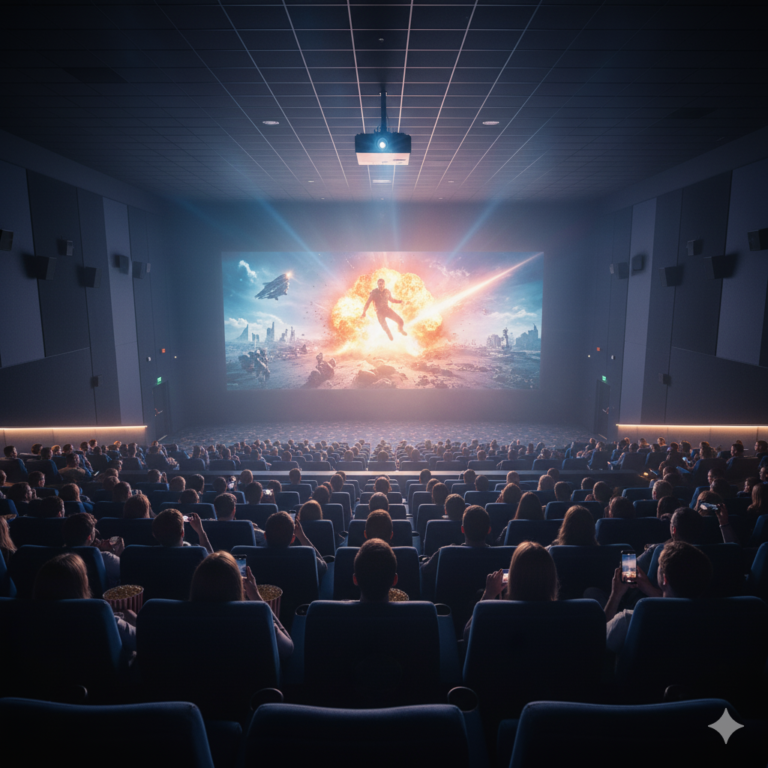
Avatar Fire and Ash is designed in native 3D from the start, meaning depth, scale, and movement are authored shot by shot specifically for the big screen. This is something you can’t experience at home. The filmmakers built the entire movie with theaters in mind, using virtual cameras and a refined VFX pipeline to create an immersive experience that only works when you’re sitting in a cinema.
The side-by-side comparisons of performance capture and final CGI shots reveal the exact transformation from raw actor data to finished scenes. What you’re seeing is the same performance frame-matched to the final CGI scene. This proves that Avatar’s realism comes from the actors, not from animation tricks or computer wizardry.
## Why This Approach Works
By prioritizing human performance over spectacle, Avatar creates characters and worlds that feel emotionally real. When you watch a Na’vi character on screen, you’re watching an actor’s genuine movements and expressions translated into an alien form. The technology serves the story and the emotion, not the other way around. This is why audiences feel connected to these characters and why the world of Pandora feels like a place that actually exists.
—
Sources
https://www.youtube.com/watch?v=wfeDWgEBif8
https://www.youtube.com/watch?v=EpsiSc-IT4A