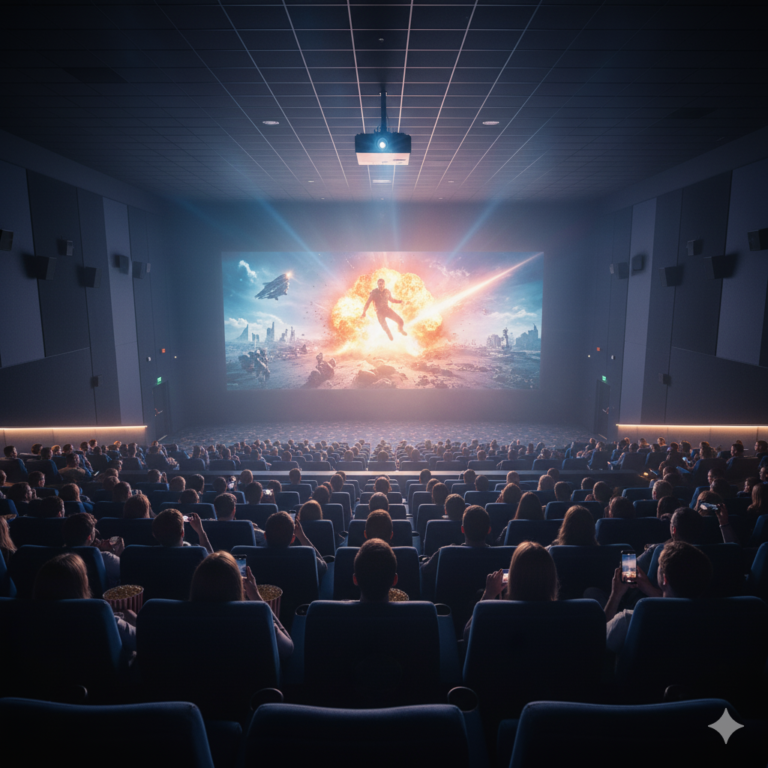
Sonic the Hedgehog 3 represents the 2024 eagerly awaited continuation of Paramount Pictures’ massively successful video game adaptation franchise, marking a significant milestone in both video game cinema and the blue blur’s cultural legacy. Released on December 20, 2024, the third installment brings the iconic rivalry between Sonic and Shadow the Hedgehog to the big screen for the first time, fulfilling a promise teased in the post-credits scene of the second film. The movie arrives at a pivotal moment when video game adaptations have finally shed their reputation for mediocrity, with the Sonic franchise leading the charge as one of the most consistent performers in the genre. The anticipation surrounding this third chapter stems from several factors that have coalesced into perfect storm conditions for a blockbuster release.
Shadow the Hedgehog, voiced by Keanu Reeves, stands as one of gaming’s most requested characters for live-action treatment, and his tragic backstory involving Maria Robotnik provides emotional depth rarely seen in family-friendly action films. The film also introduces Gerald Robotnik, adding generational weight to the Robotnik family’s antagonistic relationship with Sonic and his allies. For longtime Sega fans, seeing these elements from Sonic Adventure 2 adapted for cinema represents a dream decades in the making. By exploring this comprehensive analysis, readers will gain insight into the creative decisions that shaped the film, understand how the Sonic cinematic universe has evolved across three entries, and discover what makes this particular installment a turning point for the franchise. Whether you’re a parent planning a family outing, a nostalgic gamer curious about how your childhood favorites translate to film, or a cinema enthusiast tracking the video game adaptation renaissance, this breakdown covers the essential elements that define Sonic the Hedgehog 3 as a cultural event.
Table of Contents
- What Makes Sonic the Hedgehog 3 the Most Eagerly Awaited Continuation of 2024?
- The Shadow the Hedgehog Storyline and Sonic Adventure 2 Adaptation
- Jim Carrey’s Evolution as Dr. Robotnik Across the Trilogy
- Sonic Cinematic Universe Building and Franchise Future
- Video Game Movie Renaissance and Sonic’s Role in Changing Perceptions
- Voice Cast and Performance Dynamics in the Third Film
- How to Prepare
- How to Apply This
- Expert Tips
- Conclusion
- Frequently Asked Questions
What Makes Sonic the Hedgehog 3 the Most Eagerly Awaited Continuation of 2024?
The journey to sonic the Hedgehog 3 began with one of Hollywood’s most remarkable turnarounds. When the first film’s initial trailer dropped in 2019, the internet recoiled at Sonic’s disturbingly humanoid design, prompting Paramount to delay the release and completely redesign the character. That willingness to listen to fans established a precedent of respect that has carried through the entire franchise.
The 2020 original grossed $319 million worldwide against a $85 million budget, while 2022’s sequel jumped to $405 million globally, demonstrating growing audience trust and enthusiasm. Several elements converged to make the third film’s anticipation reach fever pitch throughout 2024: The film’s marketing campaign leaned heavily into nostalgia while promising evolution. Trailers emphasized the shift toward higher stakes, with imagery of destruction and emotional confrontations between Shadow and Sonic suggesting a maturation of the franchise’s tone. Paramount’s decision to release during the competitive holiday corridor, directly challenging other major releases, signaled confidence in the property’s drawing power.
- Shadow the Hedgehog’s inclusion addresses years of fan requests, with the character’s complex anti-hero persona offering narrative possibilities beyond the straightforward heroism of previous entries
- The casting of Keanu Reeves brought immediate credibility, as his understated vocal style mirrors Shadow’s brooding intensity while his cultural status as a beloved figure generated substantial media coverage
- Jim Carrey’s return as Dr. Robotnik, after initially suggesting the second film might be his last, added uncertainty that kept fans engaged with every production update

The Shadow the Hedgehog Storyline and Sonic Adventure 2 Adaptation
Shadow the Hedgehog’s origin story draws directly from Sonic Adventure 2, released for Dreamcast in 2001 and later ported to GameCube. In the game, Shadow was created by Gerald Robotnik aboard the Space Colony ARK as the “Ultimate life Form,” intended to provide immortality and cure diseases. Gerald’s granddaughter Maria befriended Shadow during his creation, and her death at the hands of government forces transformed both Shadow into a weapon of vengeance and Gerald into a mad scientist bent on destroying Earth.
This backstory provides some of gaming’s most emotionally resonant material, and the film adaptation had to balance honoring these elements while making them accessible to newcomers. The 2024 film adaptation condenses and reconfigures certain elements for cinematic pacing: Director Jeff Fowler, returning for his third consecutive Sonic film, faced the challenge of maintaining the franchise’s family-friendly appeal while honoring Shadow’s darker origins. The solution involved emphasizing Shadow’s grief and sense of betrayal rather than his more violent tendencies from the games. This approach allows younger viewers to empathize with Shadow while older fans recognize the source material’s DNA woven throughout the narrative structure.
- Maria Robotnik’s relationship with Shadow receives central focus, establishing the emotional foundation that drives Shadow’s antagonism toward humanity and, by extension, Sonic’s human allies
- Gerald Robotnik’s arc connects directly to his grandson Ivo (Dr. Robotnik), creating thematic parallels about scientific ambition and moral compromise across generations
- The government conspiracy elements translate into sequences that give the film a slightly more mature edge than its predecessors
Jim Carrey’s Evolution as Dr. Robotnik Across the Trilogy
Jim Carrey’s portrayal of Dr. Robotnik stands as the live-action trilogy’s secret weapon, providing a villain performance that channels classic physical comedy while grounding the character in genuine menace. The actor initially approached the role with some hesitation, uncertain whether a video game adaptation warranted his involvement, but ultimately found creative freedom in the character’s theatrical villainy. His performance in the first film earned praise for bringing Carrey’s trademark elasticity back to the screen after years of more subdued work.
The evolution across three films shows deliberate character development: Carrey’s decision to return for the third film carried significance beyond contractual obligation. The actor had publicly discussed retirement from acting, making each project feel potentially like a final performance. His dual role as both Ivo and Gerald required differentiating two characters who share genetic material but express their genius in distinct ways. Gerald’s tragedy and genuine love for Maria contrasts with Ivo’s narcissistic cruelty, and Carrey navigates these differences through subtle shifts in posture, vocal rhythm, and emotional availability.
- In the original, Robotnik appears as an arrogant government scientist, clean-shaven and smugly confident in his technological superiority
- The sequel presents him stranded on the Mushroom Planet, driven to madness and sporting the iconic bald head and exaggerated mustache fans recognize from the games
- Sonic the Hedgehog 3 introduces Gerald Robotnik, played by Carrey in additional prosthetics, allowing the actor to explore the family legacy that produced Ivo’s particular brand of megalomania

Sonic Cinematic Universe Building and Franchise Future
Paramount’s approach to building a Sonic cinematic universe demonstrates lessons learned from both successful and failed franchise attempts across Hollywood. Rather than announcing an elaborate multi-film slate before proving audience interest, the studio allowed each installment to organically expand the world while leaving room for future growth. The first film established Sonic’s relationship with Tom and Maddie Wachowski, the second added Tails and Knuckles, and the third integrates Shadow and the Robotnik family history into an increasingly complex mythology.
Key strategic decisions have positioned the franchise for longevity: The business model behind Sonic’s success reflects changed industry conditions. Unlike the superhero franchises that dominated the 2010s with interconnected narratives requiring homework, Sonic films function as standalone adventures that reward repeat viewers without punishing casual audiences. This accessibility, combined with genuine affection for the source material evident in every frame, has created sustainable enthusiasm rather than diminishing returns.
- The Knuckles spinoff series on Paramount+ tested whether the property could sustain expansion beyond theatrical releases, with positive reception validating the approach
- Character introductions follow a deliberate pace, with each new addition receiving enough screen time to establish personality rather than overwhelming viewers with cameos
- Post-credits sequences tease future developments without making films feel incomplete, striking a balance that eluded many would-be franchises
Video Game Movie Renaissance and Sonic’s Role in Changing Perceptions
The history of video game adaptations in Hollywood reads like a cautionary tale until remarkably recently. From the disastrous 1993 Super Mario Bros. film through countless direct-to-video disasters, the assumption held that games and films spoke incompatible languages. The Sonic franchise arrived at the precise moment when that narrative began shifting, and its success helped accelerate the change.
Released just before the pandemic in February 2020, the first Sonic film demonstrated that respecting source material while crafting genuine cinematic experiences could yield both critical acceptance and commercial reward. The broader context of video game adaptations in 2024 shows a transformed landscape: Sonic the Hedgehog 3 benefits from and contributes to this environment. The film’s willingness to tackle Shadow’s tragic backstory demonstrates confidence that audiences will accept emotional complexity from gaming adaptations. Whereas earlier attempts often stripped games of their distinctive elements to fit Hollywood formulas, the current wave celebrates what makes each property unique. For Sonic, that means speed, attitude, and a colorful cast of anthropomorphic characters existing alongside human actors without apology.
- The Super Mario Bros. Movie (2023) shattered records, proving animated approaches to gaming properties could achieve unprecedented success
- HBO’s The Last of Us brought prestige television credibility to the medium, earning Emmy recognition
- Various studios greenlit projects previously considered unfilmable, from Minecraft to Legend of Zelda
Voice Cast and Performance Dynamics in the Third Film
The voice cast assembled for Sonic the Hedgehog 3 represents a carefully calibrated mix of returning performers and strategic new additions. Ben Schwartz continues as Sonic, having defined the character’s cinematic personality across all three films with manic energy tempered by genuine heart. Colleen O’Shaughnessey reprises Tails, uniquely maintaining continuity with her video game voice work that predates the films. Idris Elba returns as Knuckles, bringing gravitas to the warrior echidna while allowing comedic moments to land through his commitment to the character’s earnestness.
Keanu Reeves as Shadow generated the most discussion among casting announcements. The actor’s relatively monotone delivery, sometimes criticized in other roles, perfectly suits Shadow’s stoic demeanor and emotional guardedness. Reeves brings unavoidable cultural associations””his status as an internet-beloved figure creates interesting tension with Shadow’s antagonistic role, potentially encouraging audiences to seek redemption for the character even during his most destructive moments. The contrast between Schwartz’s rapid-fire Sonic and Reeves’ measured Shadow creates dynamic vocal interplay that emphasizes their philosophical differences.
How to Prepare
- **Watch the previous two films** to establish character relationships, particularly Sonic’s bond with the Wachowski family, his friendship with Tails, and his complicated alliance with Knuckles. While the third film provides context, emotional payoffs hit harder with existing investment in these dynamics.
- **Familiarize yourself with Shadow’s game origins** through playthroughs or summaries of Sonic Adventure 2. Understanding Maria’s significance and Gerald Robotnik’s descent into madness provides framework for the film’s emotional beats, even where specific details differ between adaptations.
- **Watch the Knuckles series on Paramount+** if time allows, as the six-episode show bridges the gap between the second and third films while deepening Knuckles’ character beyond comic relief. The series explores echidna culture and Knuckles’ adjustment to Earth life.
- **Consider the theatrical experience** for first viewings, as the film’s action sequences and visual spectacle benefit from premium formats. The sound design for Sonic’s speed and Shadow’s chaos abilities rewards quality audio systems.
- **Prepare younger viewers for darker themes** by discussing concepts like loss and grief in age-appropriate ways beforehand. Shadow’s backstory involves character death and government violence, handled delicately but present nonetheless.
How to Apply This
- **Explore the video game catalog** starting with Sonic Adventure 2 to experience the source material directly, then branching into other titles based on which characters resonated most from the films.
- **Engage with the fan community** through dedicated forums and social media spaces where decades of Sonic appreciation have created welcoming environments for newcomers introduced through the films.
- **Share the experience across generations** by introducing the films to family members who may have played the original Genesis games, creating conversation opportunities about how entertainment evolves while maintaining core appeal.
- **Follow official Paramount and Sega channels** for announcements regarding future films, series, and transmedia content expanding the cinematic universe.
Expert Tips
- **Approach Shadow as a complete character** rather than simply a villain or anti-hero archetype. His actions throughout the film stem from comprehensible emotional wounds, and recognizing this complexity enhances the viewing experience significantly.
- **Pay attention to visual callbacks** embedded throughout the film that reference specific game moments, level designs, and character animations. The production team includes longtime Sonic fans who plant Easter eggs for attentive viewers.
- **Listen for the musical score’s integration** of classic Sonic game compositions, particularly during key emotional and action sequences. The soundtrack bridges gaming and cinematic traditions deliberately.
- **Notice the physical comedy techniques** Jim Carrey employs differently as Gerald versus Ivo Robotnik, as subtle performance choices distinguish characters who share genetic heritage and the same actor.
- **Consider the pacing differences** from previous entries, as the third film attempts broader tonal range, shifting between comedic sequences, action spectacle, and genuine dramatic weight more rapidly than its predecessors.
Conclusion
Sonic the Hedgehog 3 arrives as the culmination of a franchise journey that seemed unlikely from its troubled beginnings. The decision to delay the first film and redesign its protagonist based on fan feedback established a creative relationship between studio and audience that has paid dividends across three theatrical releases and a streaming series. By the third film, Paramount and the creative team have earned sufficient trust to tackle Shadow the Hedgehog’s emotionally complex backstory, bringing gaming’s most requested character to life with casting, writing, and direction that honors decades of fan attachment.
The film’s significance extends beyond its individual merits into what it represents for video game adaptations broadly. Where previous generations of filmmakers treated gaming properties as brands to exploit, the current approach recognizes them as mythologies with devoted communities deserving respect. Sonic’s cinematic success has opened doors for properties once considered impossible to adapt, and its continuation suggests Hollywood has finally learned that authenticity and accessibility need not conflict. For audiences experiencing the blue blur’s adventures for the first time or reconnecting with childhood memories, Sonic the Hedgehog 3 offers exactly what it promises: fast-paced entertainment with unexpected emotional depth and genuine affection for its source material.
Frequently Asked Questions
How long does it typically take to see results?
Results vary depending on individual circumstances, but most people begin to see meaningful progress within 4-8 weeks of consistent effort.
Is this approach suitable for beginners?
Yes, this approach works well for beginners when implemented gradually. Starting with the fundamentals leads to better long-term results.
What are the most common mistakes to avoid?
The most common mistakes include rushing the process, skipping foundational steps, and failing to track progress.
How can I measure my progress effectively?
Set specific, measurable goals at the outset and track relevant metrics regularly. Keep a journal to document your journey.