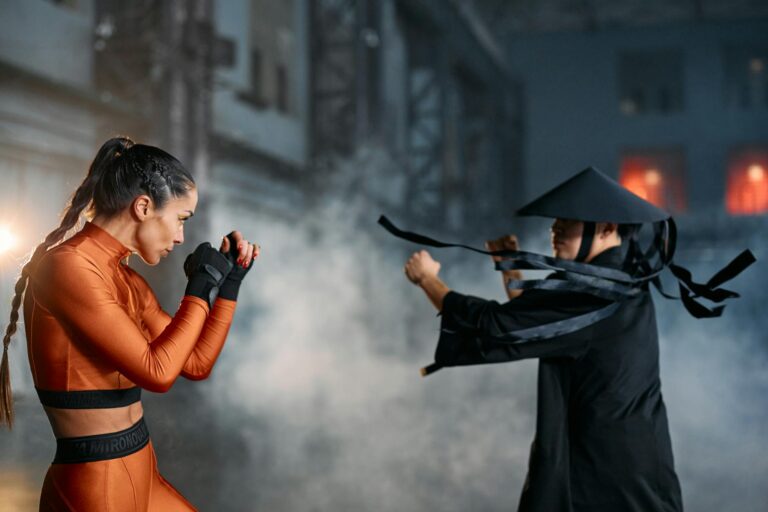
Avatar CGI Motion Capture Comparison
The Avatar movies stand out for their stunning use of motion capture, or performance capture, where actors wear special suits and dots on their faces and bodies to record every move and expression. These raw performances get turned into the final blue Na’vi characters through computer graphics, or CGI, creating lifelike aliens on Pandora. For more details on this process in the latest film, check out this behind-the-scenes video: https://www.youtube.com/watch?v=wfeDWgEBif8[1].
In the original 2009 Avatar, director James Cameron pushed motion capture to new levels. Actors like Sam Worthington performed in a simple virtual space with no sets, lights, or cameras yet built. Multiple reference cameras—up to 10 per scene—captured every angle at once, giving animators tons of data to match movements perfectly later. This on-set capture sped things up, avoiding long waits for visual effects teams. A deeper look at these innovations is in this video: https://www.youtube.com/watch?v=nBh5GSxks3U[2].
By Avatar: The Way of Water and now Fire and Ash, the tech got even better. Side-by-side comparisons show the exact same actor performance frame-by-frame next to the final CGI shot. James Cameron calls it the purest form of acting—no repeating takes for close-ups or wide shots. Everything happens in native 3D from the start, with virtual cameras preserving 100% of the emotions, movements, and subtle facial details. This builds immersive scenes meant for theaters, not home screens[1].
In Fire and Ash, actors like Jack Champion as Spider, Oona Chaplin as Na’vi leader Varang, and Kate Winslet as the pregnant Ronal wear motion-capture suits underwater and on land—a first for cinema, delayed by tech development, COVID, and strikes. The dots on their faces and bodies feed into computers to generate the Na’vi, making them feel real despite heavy CGI. One review notes the technique can limit raw emotional range since actors look unrecognizable under the gear, but the leads still shine through[3]. For a full review, see: https://www.lvpnews.com/20260103/at-the-movies-avatar-fire-and-ash-a-deep-dive/[3].
Comparing across films, early Avatar set the bar with multi-camera reference and real-time motion paths. Newer ones refine it for complex action, like war scenes and underwater work, keeping actor humanity at the core amid spectacle. Pandora’s visuals stay breathtaking, all computer-generated from those captured performances[1][2][3].
Sources
https://www.youtube.com/watch?v=wfeDWgEBif8
https://www.youtube.com/watch?v=nBh5GSxks3U
https://www.lvpnews.com/20260103/at-the-movies-avatar-fire-and-ash-a-deep-dive/