- Movies 2026 Dialogue: Table of Contents
- Thrillers Built on Psychological Mind Games and Negotiations
- Courtroom Drama and Historical Narratives as Dialogue Showcases
- Returning Franchises and Adaptations Centered on Character Dynamics
- Sci-Fi Ensemble Films and Cross-Genre Dialogue Potential
- The Challenge of Sustaining Dialogue Without Pacing Fatigue
- Performance and Acting as Narrative Substance
- The Continuing Appeal of Character-Driven Cinema in an Era of Spectacle
- Conclusion
- You Might Also Like
The 2026 film calendar delivers a notable collection of dialogue-driven films that prioritize character interaction, psychological complexity, and verbal sparring over spectacle.
From courtroom dramas centered on historical testimony to thrillers built on tense negotiations and mind games, audiences will find several compelling options that prove thoughtful conversation can be just as gripping as action sequences.
Dead Man’s Wire, featuring Dacre Montgomery and Al Pacino, stands out as a character-driven thriller defined by high-stakes negotiations and psychological tension, while Send Help traps two corporate rivals on a remote island where survival hinges entirely on their ability to communicate and manipulate one another.
Beyond thrillers, 2026 also delivers the long-awaited Nuremberg courtroom drama, the return of Meryl Streep and Anne Hathaway in The Devil Wears Prada: Revenge Wears Prada, and the Peaky Blinders film adaptation—all centering on dialogue-heavy storytelling.
This article explores the dialogue-driven films coming in 2026 and examines why character-focused narratives continue to resonate with audiences seeking substance over style. The resurgence of dialogue-heavy cinema reflects a broader appetite for films that trust their scripts and performances rather than relying on visual effects or action to carry the narrative.
Whether through intense psychological mind games, witty banter, or courtroom arguments, these 2026 releases prove that compelling dialogue remains one of cinema’s most powerful tools. Understanding which films deliver on this promise—and recognizing the distinct types of dialogue-driven stories—helps viewers choose films aligned with their preferences for intellectual engagement and character development.
Table of Contents
- Thrillers Built on Psychological Mind Games and Negotiations
- Courtroom Drama and Historical Narratives as Dialogue Showcases
- Returning Franchises and Adaptations Centered on Character Dynamics
- Sci-Fi Ensemble Films and Cross-Genre Dialogue Potential
- The Challenge of Sustaining Dialogue Without Pacing Fatigue
- Performance and Acting as Narrative Substance
- The Continuing Appeal of Character-Driven Cinema in an Era of Spectacle
- Conclusion
Thrillers Built on Psychological Mind Games and Negotiations
The thriller genre in 2026 leans heavily into dialogue-driven conflict, with films like Dead Man’s Wire exemplifying how verbal exchanges can create more tension than physical confrontation.
Directed by Gus Van Sant and featuring a cast including Cary Elwes and Colman Domingo alongside Pacino, this film specializes in high-stakes negotiations where characters attempt to outmaneuver one another through conversation, backed by Danny Elfman’s psychological score.
The film’s strength lies in how it uses dialogue not merely as exposition but as a weapon—characters negotiate, bluff, and reveal vulnerabilities through what they say and, crucially, what they withhold. Send Help takes the psychological dialogue-heavy approach further by confining its narrative to two characters on a remote island.
The survival dynamics become entirely dependent on the cat-and-mouse verbal exchanges between a strategist and her arrogant boss, stranded together and forced to rely on one another.
This is dialogue-driven filmmaking by necessity—with no rescue in sight and tension mounting through isolation, the entire narrative depends on these two characters’ ability to communicate, manipulate, deceive, and ultimately understand each other.
The limitation of this approach is that films depending entirely on two-character dialogue require exceptional performances and writing; even minor weaknesses in either area become glaringly obvious when there’s nowhere else for the audience’s attention to go. However, when executed well, this intensity creates an intimate viewing experience that larger ensemble casts struggle to achieve.
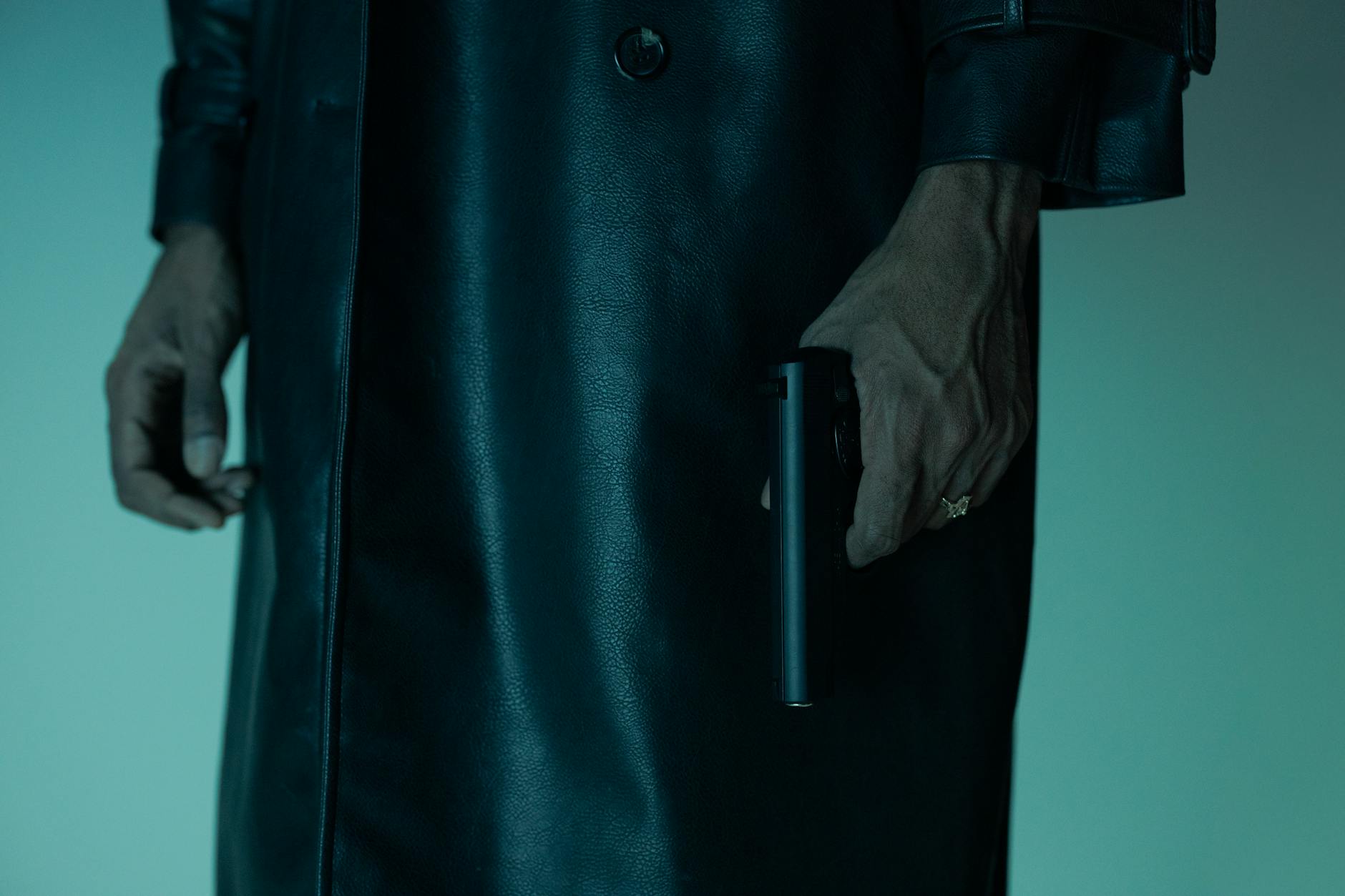
Courtroom Drama and Historical Narratives as Dialogue Showcases
Nuremberg represents the classic dialogue-driven film subgenre: the courtroom drama. Positioned as an acting-intensive film for history enthusiasts, Nuremberg builds its entire narrative around dialogue—testimony, cross-examination, argument, and debate.
These films demand exceptional screenwriting and performances because the courtroom setting inherently limits visual variety; the audience must remain engaged purely through the substance of what characters say, their delivery, and the intellectual arguments they present.
Historical courtroom dramas like Nuremberg also carry the weight of real events, meaning the dialogue resonates with viewers’ awareness that these conversations echo actual moments of historical consequence.
The challenge with dialogue-heavy historical dramas lies in balancing historical accuracy with cinematic pacing. Actual courtroom testimony, while historically accurate, can stretch across scenes that risk losing audience engagement. Writers must therefore compress, restructure, and dramatize real dialogue without misrepresenting the historical record.
For viewers seeking authentic historical cinema, this tradeoff is worthwhile; for those expecting lighter entertainment, dialogue-heavy period dramas may feel slow-paced. However, if you appreciate intellectual rigor and the weight of historical consequence, Nuremberg’s dialogue-driven approach promises exactly the kind of substantive filmmaking that refuses to compromise on substance for accessibility.
Returning Franchises and Adaptations Centered on Character Dynamics
The Devil Wears Prada: Revenge Wears Prada reunites Anne Hathaway and Meryl Streep in a character-driven narrative, trading heavily on the chemistry and verbal sparring that defined the original 2006 film.
The original succeeded precisely because much of its entertainment came from how Miranda Priestly and Andy Sachs communicated—the withering remarks, the implied judgments, the power dynamics expressed entirely through tone and phrasing.
The sequel’s potential rests on whether that dialogue-driven dynamic still crackles with the same electric tension, or whether returning to it years later feels recycled. Sequels to dialogue-heavy character studies face the unique challenge of matching or exceeding the original’s verbal wit while progressing the characters meaningfully rather than repeating past exchanges.
Peaky Blinders: The Immortal Man brings Steven Knight’s character-driven storytelling from the acclaimed BAFTA-winning series to the film format. The Peaky Blinders television series built its reputation on richly detailed dialogue, regional dialect authenticity, and character arcs developed through conversation and internal conflict as much as external plot events.
Adapting this for film requires distilling multiple seasons of character development into a two-to-three-hour narrative while maintaining the dialogue-heavy approach that made the original compelling.
This creates an interesting dynamic—streamlining a series known for deliberate pacing and extensive dialogue requires editorial discipline, and the film’s success will depend on whether Knight’s screenplay can preserve the character depth that made the series resonate.

Sci-Fi Ensemble Films and Cross-Genre Dialogue Potential
Disclosure Day, releasing June 12, 2026, presents an intriguing case of dialogue-driven potential within the science fiction ensemble format.
The film features Emily Blunt, Josh O’Connor, and Colin Firth responding to a UFO encounter—a premise that inherently invites dialogue exploring different perspectives on what the encounter means, how to respond to it, and what it reveals about humanity.
Science fiction films often use high-concept scenarios as springboards for exploring ideas through conversation; the alien contact scenario particularly invites debate about politics, science, religion, and human nature. The ensemble cast suggests multiple viewpoints will clash and debate throughout the narrative, meaning dialogue becomes the mechanism for exploring the film’s larger thematic questions.
The comparison between dialogue-driven sci-fi and dialogue-driven thrillers or dramas reveals genre-specific challenges. While a courtroom drama or character-driven thriller can sustain tension purely through verbal sparring, science fiction must balance dialogue exploring ideas with visual spectacle justified by the premise.
A UFO encounter demands some visual manifestation; the risk is that spectacle overshadows the intellectual dialogue meant to be the film’s substance.
However, if Disclosure Day prioritizes the ensemble’s conversations and disagreements over visual effects, it could deliver something rare: a 2026 sci-fi film that treats audiences as capable of engaging with complex ideas through dialogue rather than defaulting to action and spectacle.
The Challenge of Sustaining Dialogue Without Pacing Fatigue
Dialogue-heavy films face a persistent challenge: maintaining audience engagement when scenes lack external plot movement or visual variation. A conversation between two characters in a room, however brilliantly written and performed, risks feeling static compared to intercutting with action elsewhere.
Directors of dialogue-driven films must therefore employ sophisticated techniques—framing choices, editing rhythms, performance nuance, and even music—to create visual and rhythmic interest from fundamentally talk-focused material.
Danny Elfman’s score for Dead Man’s Wire, for instance, serves not merely as emotional accompaniment but as a structural element that propels the dialogue forward and heightens tension in scenes lacking external action.
The limitation here is that dialogue-heavy films automatically eliminate audiences seeking kinetic visual excitement or narrative momentum driven by events rather than conversations. If you attend a dialogue-driven 2026 film expecting action-thriller pacing, you will likely find yourself frustrated by scenes dedicated entirely to two characters negotiating or debating.
However, if you appreciate film as a medium for exploring human psychology and complex ideas through performance and writing, this same material becomes utterly absorbing.
The warning worth noting: dialogue-driven films demand more active viewing; passive engagement, half-attention, or distraction becomes immediately apparent because there are no car chases or visual spectacle to carry the narrative when your attention lapses.

Performance and Acting as Narrative Substance
In dialogue-driven films, acting quality becomes extraordinarily visible—there’s nowhere to hide. A weak performance undermines the entire structure because the audience experiences no visual distraction from poor delivery, mismatched energy, or lack of depth.
The ensemble cast of Dead Man’s Wire, the two-character dynamic of Send Help, the courtroom testimony of Nuremberg, and the returning chemistry of Anne Hathaway and Meryl Streep all depend entirely on whether these performers convince you through their interpretation, tone, and presence.
This is not about attractive people delivering lines; it’s about subtle shifts in expression conveying emotional truth, about timing creating comedy or tension, about vocal performance suggesting layers beneath the written dialogue.
The advantage of this transparency is that exceptional performances shine with particular brilliance in dialogue-driven contexts. When an actor fully inhabits a role and delivers dialogue with authenticity and depth, the entire film elevates. The limitation is equally stark: a miscast role or weak performance cannot be overcome with clever cinematography or editing.
This is why dialogue-driven films often attract accomplished actors and why studios entrust such projects to proven talents.
Anne Hathaway and Meryl Streep returning to their iconic roles suggests confidence that their performances will sustain the Prada sequel; casting Steven Knight to adapt his own series suggests faith in his ability to direct performances with the subtlety his dialogue requires.
The Continuing Appeal of Character-Driven Cinema in an Era of Spectacle
That 2026 delivers multiple dialogue-driven films across different genres—thriller, drama, courtroom, sci-fi, period piece, comedy—suggests these stories continue to find audiences despite the industry’s frequent emphasis on spectacle and franchise entertainment. This reflects a persistent audience appetite for films that engage intellect and emotion through character, conversation, and psychological complexity.
As streaming platforms and franchise filmmaking increasingly dominate commercial cinema, dialogue-driven films maintain their niche but significant audience; they serve viewers fatigued by plot-driven spectacle and hungry for substantive storytelling.
Looking forward, the question becomes whether dialogue-heavy films will expand beyond their current niche or remain a smaller but devoted segment. The success of 2026’s dialogue-driven offerings—particularly whether Disclosure Day, Nuremberg, and the returning franchise entries find sizeable audiences—may influence whether studios continue investing in character-driven narratives or further consolidate around effects-driven franchises.
For viewers, the takeaway is clear: 2026 offers genuine options for those seeking cinema that respects intelligence and prioritizes character over spectacle, ensuring that dialogue-driven filmmaking remains viable in an increasingly effects-saturated industry.
Conclusion
arrives with a notable collection of dialogue-driven films that prioritize character interaction, psychological complexity, and substantive writing over visual spectacle.
From psychological thrillers like Dead Man’s Wire and Send Help to historical dramas like Nuremberg and returning franchises like The Devil Wears Prada: Revenge Wears Prada, audiences will find multiple compelling options that prove conversation remains one of cinema’s most powerful tools.
These films demand attentive viewing and trust that compelling dialogue, nuanced performances, and character psychology can sustain a full narrative—a demand increasingly rare in contemporary filmmaking.
If you prioritize intellectual engagement, character development, and performances over plot momentum and visual effects, 2026’s dialogue-driven slate deserves your attention. These films represent a genuine alternative to spectacle-driven entertainment, offering narratives where what characters say matters as much as what happens.
Seek out these releases, trust the filmmakers’ commitment to dialogue as primary narrative substance, and prepare for cinema that respects both your intelligence and your appetite for human complexity.
You Might Also Like
- Movies 2026 With Visual Storytelling Focus
- Movies 2026 With Urban Legends And Myths
- Movies 2026 With Trauma And Healing Narratives
For more on Movies 2026 Dialogue, see the full breakdown above – the movies 2026 dialogue details cover what most viewers want to know.
Whether you searched for movies 2026 dialogue reviews, movies 2026 dialogue streaming, or movies 2026 dialogue cast, this guide consolidates the relevant movies 2026 dialogue facts in one place.