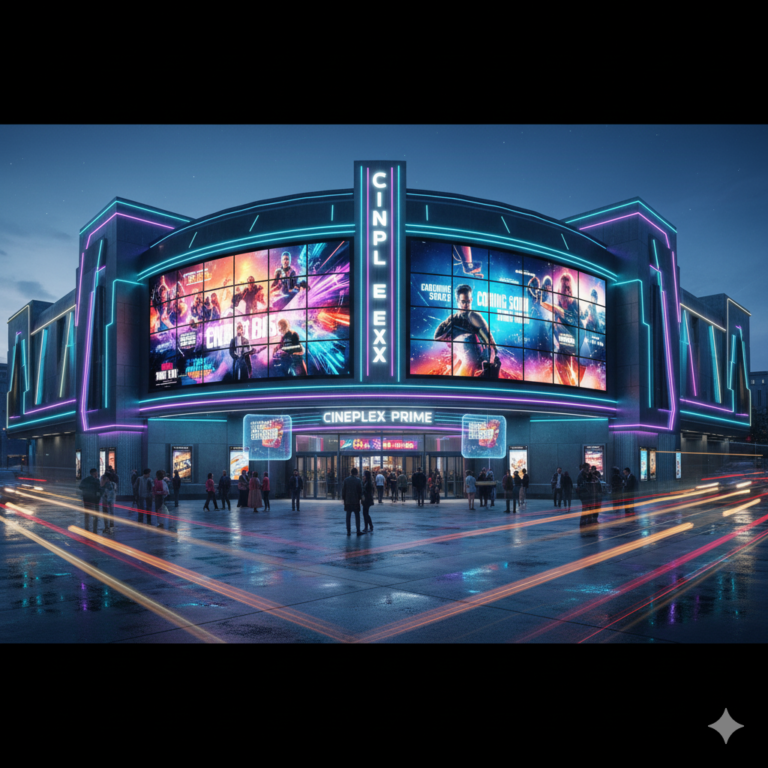
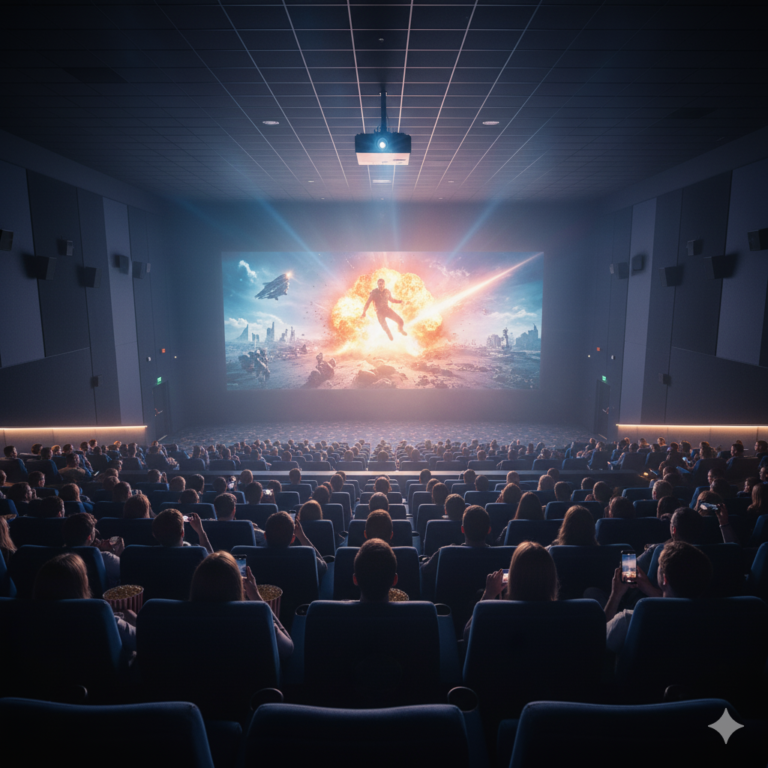
The horror genre has produced thousands of films over the past century, yet mainstream attention consistently gravitates toward the same handful of titles. When discussing **25 underrated horror films you need to see**, the conversation moves beyond the obvious classics like *The Exorcist*, *Halloween*, and *A Nightmare on Elm Street* into territory that rewards adventurous viewers with genuinely disturbing, innovative, and emotionally resonant experiences. These overlooked gems represent some of the finest work in horror cinema, films that failed to find their audience during initial release or were dismissed by critics who underestimated their craft and ambition. The problem facing horror enthusiasts today is oversaturation. Streaming platforms offer endless options, but their algorithms favor familiar properties and recent releases over deep cuts from previous decades.
Meanwhile, horror fans who have exhausted the standard recommendations often struggle to find quality films that match their appetite for the genre. This creates a frustrating cycle where genuinely exceptional movies languish in obscurity while mediocre but well-marketed productions dominate the conversation. Understanding which underrated horror films deserve attention requires looking past box office performance and Rotten Tomatoes scores to examine what makes a horror film genuinely effective. By the end of this article, readers will have a curated list of 25 horror films spanning multiple subgenres, decades, and countries of origin””each one criminally underseen relative to its quality. These selections include psychological thrillers that burrow into your psyche, creature features with practical effects that shame modern CGI, atmospheric slow-burns that build dread with masterful patience, and international productions that prove horror speaks a universal language. Whether you prefer supernatural terror, slasher tension, body horror, or existential dread, this list offers entry points into corners of horror cinema that even dedicated fans may have missed.
Table of Contents
- What Makes a Horror Film Underrated and Worth Discovering?
- Hidden Gems from the Golden Age of Horror Cinema
- International Horror Films That Deserve Wider Recognition
- Where to Find These Underrated Horror Gems for Streaming
- Common Misconceptions About Overlooked Horror Movies
- Building a Diverse Horror Film Collection
- How to Prepare
- How to Apply This
- Expert Tips
- Conclusion
- Frequently Asked Questions
What Makes a Horror Film Underrated and Worth Discovering?
Defining what constitutes an underrated horror film requires examining both commercial performance and cultural impact. A film might gross modest returns during theatrical release but develop a devoted cult following through home video and streaming. Conversely, some films receive positive reviews upon release but fade from memory as newer productions capture attention. The underrated horror films featured in this guide share a common thread: they deliver on the genre’s fundamental promise of fear, tension, and catharsis while remaining largely absent from mainstream horror discourse.
Several factors contribute to a horror film’s underrated status. Limited theatrical distribution historically relegated many excellent films to drive-ins and grindhouse circuits, where they played to small audiences before disappearing. Foreign language horror faces additional barriers, as subtitles deter casual viewers despite exceptional filmmaking. Some underrated titles suffered from poor marketing that misrepresented their content, attracting the wrong audience while failing to reach viewers who would appreciate them. The 1980s and 1990s saw dozens of quality horror productions lost in the flood of direct-to-video releases, tarred by association with genuinely inferior product.
- **Box office performance rarely correlates with quality** in horror, where modest budgets mean even limited releases can turn profit, removing incentive for studios to push for wider recognition
- **Critical dismissal of the genre** as a whole during certain decades meant thoughtful horror films received the same contemptuous reviews as exploitative cash-grabs
- **Timing of release** affects perception dramatically; horror films released alongside blockbuster competition or during cultural moments unreceptive to their themes often underperform regardless of merit
Hidden Gems from the Golden Age of Horror Cinema
The period spanning the late 1960s through the early 1980s produced horror cinema’s most celebrated works, but canonical status went to relatively few titles while equally accomplished films slipped through the cracks. *Let’s Scare Jessica to Death* (1971) exemplifies this phenomenon””a slow-burning psychological horror film that uses ambiguity about its protagonist’s mental state to create sustained unease. Director John Hancock crafted a film where viewers never feel certain whether the threat is supernatural or internal, and this deliberate uncertainty produces more lasting discomfort than explicit scares could achieve.
- Dead & Buried* (1981) arrived during the slasher boom and suffered from audiences expecting conventional kills rather than its genuinely unsettling mystery about a small town harboring dark secrets. Written by Dan O’Bannon and Ronald Shusett, the team behind *Alien*, the film features exceptional practical effects work by Stan Winston and a twist ending that earns its shock through careful setup. Similarly, *The Changeling* (1980) starring George C. Scott received modest attention upon release but has gained recognition among horror scholars as perhaps the finest haunted house film ever made, using restraint and atmosphere over jump scares.
- **Tourist Trap** (1979) combines slasher conventions with deeply unsettling mannequin imagery and telekinetic powers, creating a singular viewing experience that defies easy categorization
- **Messiah of Evil** (1973) brings European art-house sensibilities to American horror, featuring set-piece sequences in a movie theater and supermarket that rank among the genre’s most effectively staged
- **The House That Screamed** (1969), a Spanish production, predates the giallo boom and American slasher cycle while anticipating both, offering gorgeous cinematography and genuine suspense
International Horror Films That Deserve Wider Recognition
Horror cinema thrives globally, yet English-speaking audiences often overlook exceptional films from other countries. The underrated horror films emerging from Japan, South Korea, France, Spain, and Latin America frequently surpass their American counterparts in ambition and execution. *Noroi: The Curse* (2005) from Japan pioneered the found-footage documentary style years before *Paranormal Activity*, weaving multiple storylines into an increasingly nightmarish tapestry that rewards patient viewers with one of the genre’s most disturbing conclusions.
French horror experienced a renaissance in the 2000s, producing infamous extreme films like *Martyrs* and *Inside*, but quieter achievements went largely unnoticed. *In My Skin* (2002) by Marina de Van offers a harrowing exploration of self-harm and dissociation that functions as both body horror and psychological character study. Spain’s *The Orphanage* (2007) received some theatrical distribution but remains underseen relative to its quality””a gothic ghost story that builds to an emotionally devastating revelation. From South Korea, *A Tale of Two Sisters* (2003) demonstrates how horror can simultaneously deliver genre thrills and profound family drama.
- **Lake Mungo** (2008) from Australia uses mockumentary structure to tell a ghost story that doubles as meditation on grief, family secrets, and the unknowability of those closest to us
- **Terrified** (2017) from Argentina packs more genuinely scary sequences into its runtime than most Hollywood horror franchises achieve across multiple installments
- **Under the Shadow** (2016), set during the Iran-Iraq War, uses its specific cultural and political context to enhance rather than limit its universal themes of parental fear and supernatural threat

Where to Find These Underrated Horror Gems for Streaming
Tracking down underrated horror films requires navigating the fractured streaming landscape, but dedicated services have emerged to serve genre enthusiasts. Shudder, the horror-focused streaming platform, maintains an extensive library that prioritizes depth over mainstream appeal, hosting many of the titles discussed in this article. Their curation emphasizes international horror, independent productions, and catalog titles that major platforms neglect. A Shudder subscription costs significantly less than general-purpose streaming services while offering superior horror selection.
Physical media remains crucial for accessing the most obscure underrated horror films. Boutique labels like Arrow Video, Vinegar Syndrome, Scream Factory, and Severin Films specialize in restoring and releasing forgotten horror on Blu-ray with extensive special features. These releases often represent the only way to see certain films in acceptable quality, as streaming rights for catalog titles frequently expire or never existed. Building a physical collection ensures permanent access and supports the preservation work that keeps these films available for future generations.
- **Tubi**, a free ad-supported streaming service, maintains a surprisingly robust horror library including many 1970s and 1980s titles absent from paid platforms
- **Digital rental through Amazon, Apple, and Vudu** fills gaps for titles not available through subscription services, typically costing $3-4 for 48-hour access
- **Public library systems** increasingly offer digital streaming through services like Kanopy and Hoopla, which include horror selections unavailable elsewhere
Common Misconceptions About Overlooked Horror Movies
Viewers approaching underrated horror films often carry assumptions that prevent full appreciation of what these movies offer. The most persistent misconception holds that obscurity indicates inferior quality””that if a film were genuinely good, it would have found success. This ignores the realities of distribution, marketing budgets, release timing, and critical biases that determine which films reach audiences. Some of the most artistically accomplished horror films ever made grossed negligible amounts because they played in limited markets without promotional support.
Another misconception assumes that older horror cannot frighten modern audiences desensitized by contemporary extreme cinema. This dramatically underestimates the power of atmosphere, suggestion, and psychological manipulation. *The Innocents* (1961), an adaptation of Henry James’s *The Turn of the Screw*, contains nothing that would earn it more than a PG rating today, yet its ambiguity and restraint produce genuine unease that splatter films rarely achieve. Similarly, films dismissed as “slow” by impatient viewers often reward attention with cumulative dread that cheap jump scares cannot replicate.
- **Low budgets forced creative solutions** that often prove more effective than expensive effects; practical limitations in lighting, sound design, and camera placement generated atmosphere that CGI cannot duplicate
- **Dated elements do not negate effective horror**; period fashions and technology may initially distance viewers, but well-constructed films overcome these barriers within minutes
- **Foreign horror offers fresh perspectives** precisely because it emerges from different cultural anxieties and storytelling traditions than American audiences expect

Building a Diverse Horror Film Collection
Approaching underrated horror films systematically yields greater rewards than random sampling. Organizing exploration by subgenre allows viewers to trace evolution and influence across decades while developing appreciation for specific traditions. Someone drawn to supernatural horror might progress from *The Changeling* through *Session 9* to *Lake Mungo*, observing how different filmmakers approach similar material. Slasher enthusiasts can move beyond franchise entries to discover *Just Before Dawn* (1981) and *The Prowler* (1981), which match or exceed the genre’s canonical works. Geographic diversity enriches horror appreciation immeasurably.
Each national cinema brings distinct fears, folklore, and filmmaking approaches to the genre. Italian giallo influenced American slashers while maintaining its own aesthetic priorities. Japanese horror draws from Buddhist and Shinto concepts of spirits and obligation that create distinct supernatural rules. Latin American horror engages with colonial history, Catholic tradition, and political violence in ways that produce genuinely original perspectives. Building familiarity with these traditions makes each new discovery more meaningful.
How to Prepare
- **Assess your horror preferences honestly** by listing films you genuinely love versus those you merely respect. Noticing patterns””whether you respond more to atmosphere or explicit content, supernatural or human threats, slow builds or relentless pacing””guides exploration toward underrated films likely to resonate with your sensibilities.
- **Research viewing conditions** for each film, as some underrated horror benefits enormously from specific presentation. Films relying on sound design demand quality speakers or headphones. Subtitled international horror requires focused attention incompatible with casual viewing. Certain films achieve their effect through length that rewards commitment rather than interrupted sessions.
- **Read minimal synopses** to avoid spoilers while gathering enough information to set appropriate expectations. Many underrated horror films confound expectations deliberately; knowing too much in advance undermines their impact. Seek out single-sentence descriptions rather than detailed plot summaries.
- **Prepare for varied quality in transfer and presentation**, as some underrated films have never received proper restoration. Accepting occasional visual imperfections allows appreciation of films whose merits transcend technical limitations. Boutique Blu-ray releases typically offer the best available quality when they exist.
- **Schedule viewing time that allows for processing**, rather than consuming underrated horror films in rapid succession. Films that disturb effectively deserve space for their impact to settle. Watching one challenging film per week often produces more lasting appreciation than binging multiple titles in single sessions.
How to Apply This
- **Start with accessible gateway films** like *The House of the Devil* (2009) or *Pontypool* (2008), which combine familiar structures with distinctive execution, before progressing to more challenging or obscure selections that may require adjusted expectations.
- **Cross-reference multiple recommendation sources** by consulting critics, podcasters, and online communities dedicated to horror cinema. When the same underrated title appears across disparate sources, it likely merits attention regardless of whether its premise immediately appeals.
- **Document your reactions** in brief notes or a letterboxd account to track which underrated films resonated and which disappointed. Patterns in your responses guide future exploration more reliably than external recommendations alone.
- **Share discoveries with other horror enthusiasts** through conversation, social media, or reviews. The underrated films discussed here remain underseen partly because those who appreciate them fail to evangelize effectively. Spreading awareness directly combats the obscurity that makes these films underrated.
Expert Tips
- **Trust your engagement over external validation** when evaluating underrated horror films. Critics and audiences dismissed many exceptional films upon release; contemporary opinion may prove equally unreliable. If a film affects you powerfully, that response matters more than its reputation.
- **Learn to distinguish slow pacing from poor pacing** by paying attention to how films use their runtime. Deliberately slow horror builds atmosphere and dread through accumulation; poorly paced horror simply lacks incident. The difference becomes clear with experience but can initially confuse viewers accustomed to constant stimulation.
- **Explore the filmographies of directors whose underrated work impresses you**, as many directed multiple quality films that share similar strengths. Ti West, Mike Flanagan, and Lucky McKee each have early films that match or exceed their better-known work.
- **Resist the temptation to research twist endings** that underrated films frequently employ. The power of films like *Sleepaway Camp*, *Dead & Buried*, and *The Orphanage* depends substantially on arriving at their conclusions without foreknowledge.
- **Accept that some celebrated underrated films will not work for you**, and this reflects personal taste rather than failure to appreciate cinema. Genuine engagement with horror means some films will miss their mark; critical consensus does not obligate individual enthusiasm.
Conclusion
The 25 underrated horror films highlighted throughout this guide represent a fraction of quality work languishing in relative obscurity. From the psychological complexity of *Let’s Scare Jessica to Death* to the documentary horror innovations of *Noroi: The Curse*, from the practical effects mastery of *Dead & Buried* to the cultural specificity of *Under the Shadow*, these films demonstrate that horror’s greatest achievements extend far beyond familiar titles. Engaging with underrated horror means accepting that mainstream attention poorly correlates with artistic merit, and that the genre’s true depth reveals itself only to those willing to explore beyond algorithm recommendations and franchise installments.
The effort required to discover, locate, and properly appreciate underrated horror films pays dividends that extend beyond entertainment. These movies expand understanding of what horror can accomplish””how it can illuminate cultural anxieties, explore psychological depths, and generate aesthetic experiences unavailable in other genres. Viewers who develop appreciation for underseen horror become better equipped to evaluate new releases, recognizing innovation versus imitation and understanding when filmmakers achieve something genuinely special. Begin with any title from this guide that intrigues you, approach it with openness to unfamiliar approaches, and discover why devoted horror fans consider these underrated gems essential viewing.
Frequently Asked Questions
How long does it typically take to see results?
Results vary depending on individual circumstances, but most people begin to see meaningful progress within 4-8 weeks of consistent effort.
Is this approach suitable for beginners?
Yes, this approach works well for beginners when implemented gradually. Starting with the fundamentals leads to better long-term results.
What are the most common mistakes to avoid?
The most common mistakes include rushing the process, skipping foundational steps, and failing to track progress.
How can I measure my progress effectively?
Set specific, measurable goals at the outset and track relevant metrics regularly. Keep a journal to document your journey.