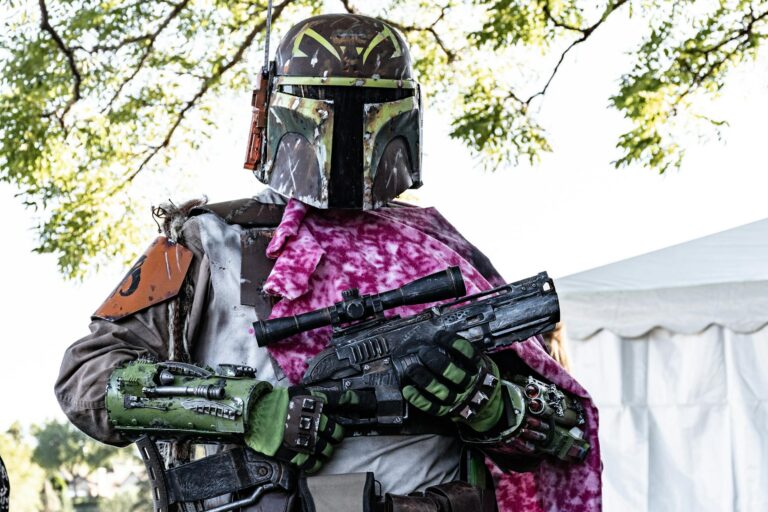
Based on historical social media engagement data and streaming platform discussions, The Mandalorian has consistently generated the highest global conversation volume among Star Wars television series, followed by Obi-Wan Kenobi and Ahsoka in subsequent positions. The animated series The Clone Wars maintains a notably durable presence in online discussions despite ending its original run years ago, while newer entries like Andor have earned disproportionate critical conversation relative to their mainstream viewership numbers. However, conversation volume metrics fluctuate significantly based on active seasons, finale events, and cross-promotional Disney announcements, so any ranking represents a snapshot rather than a permanent hierarchy.
The measurement of global conversation volume encompasses social media mentions, forum activity, news coverage, YouTube engagement, and streaming platform interactions across multiple international markets. not just which shows generate the most chatter, but why certain series spark sustained discussion while others experience sharp spikes followed by rapid decline. We will explore the factors that drive Star Wars television conversation, the difference between volume and sentiment, regional variations in audience engagement, and what these patterns suggest about the franchise’s streaming future.
Table of Contents
- Which Star Wars TV Shows Generate the Most Online Discussion?
- The Animated Series Legacy in Streaming Era Conversations
- Andor and the Critical Conversation Phenomenon
- Regional Variations in Star Wars Television Engagement
- Measuring Conversation Quality Versus Quantity
- Platform-Specific Conversation Patterns
- The Future of Star Wars Television Conversation
Which Star Wars TV Shows Generate the Most Online Discussion?
The Mandalorian revolutionized star Wars television conversation when it launched alongside Disney Plus in late 2019, creating the now-famous “Baby Yoda” phenomenon that transcended typical fandom boundaries into mainstream cultural discussion. The series benefited from perfect timing as the flagship original content for a new streaming platform, combined with a merchandisable character that generated organic social sharing at unprecedented scale. Each season premiere and finale of The Mandalorian has historically produced conversation spikes that rival major theatrical releases. Obi-Wan Kenobi demonstrated how legacy character appeal can generate enormous anticipation-based conversation, with the series announcement and casting confirmations producing sustained discussion for years before actual episodes aired.
The limited series format concentrated that conversation into a compressed window, creating intense but shorter-lived engagement compared to The Mandalorian’s multi-season sustained presence. This illustrates an important distinction in conversation measurement: raw volume versus duration and consistency. Ahsoka presents an interesting case study in how interconnected storytelling affects conversation patterns. Discussion of this series frequently references The clone Wars, Rebels, and The Mandalorian, creating cross-pollinated engagement that benefits from and contributes to the broader animated continuity conversation. For viewers unfamiliar with Ahsoka Tano’s animated history, however, this interconnectedness sometimes manifests as confusion rather than enthusiasm in online discussions.
The Animated Series Legacy in Streaming Era Conversations
The Clone Wars occupies a unique position in Star Wars television conversation because its cultural footprint extends across nearly two decades of content, creating generational loyalty that manifests differently than live-action series engagement. Fans who grew up with the show now produce retrospective content, introduce the series to their own children, and passionately advocate for its quality in ranking discussions. This longevity means The Clone Wars maintains baseline conversation levels even without new episodes. Star Wars Rebels generated substantial discussion during its original run but has experienced conversation resurgence tied to live-action adaptations of its characters and storylines.
The appearance of animated characters in The mandalorian and their expanded roles in Ahsoka retroactively increased engagement with Rebels content, demonstrating how Disney’s interconnected strategy creates conversation feedback loops. However, this benefit flows primarily to existing fans rather than attracting new audiences to the animated content. The Bad Batch and Tales of the Jedi represent more recent animated entries that generate meaningful but narrower conversation compared to their predecessors. These series tend to produce dedicated fan discussion without achieving mainstream cultural penetration, reflecting a maturation of the Star Wars animated strategy toward serving established audiences rather than building new ones.
Andor and the Critical Conversation Phenomenon
Andor presents a fascinating case study in the divergence between conversation volume and conversation type. The series generated fewer total social media mentions than The Mandalorian or Obi-Wan kenobi but produced disproportionate critical analysis, think pieces, and substantive discussion about television craft. Entertainment journalists, film critics, and serious television analysts engaged with Andor at levels unusual for franchise content, creating a conversation profile more similar to prestige dramas than typical Star Wars fare. This critical conversation has proven more durable than typical franchise discussion, with Andor continuing to appear in best-of-year lists, retrospective analyses, and recommendations long after its initial airing window.
The series frequently appears in discussions about what Star Wars “should” be, functioning as a reference point in broader franchise direction debates. For Disney’s strategic planning, this raises questions about whether critical conversation carries equivalent value to mainstream volume. The limitation here is that critical conversation does not necessarily translate to viewership or merchandise sales, the metrics that ultimately determine production decisions. Andor may rank lower in pure volume measurements while ranking higher in influence on industry discourse and franchise perception among cultural gatekeepers.
Regional Variations in Star Wars Television Engagement
Star Wars conversation volume varies significantly by region, with North American and European markets historically generating the majority of English-language discussion while Asian markets show different engagement patterns. The franchise’s theatrical legacy creates strong baseline awareness in Western markets that television series can use, while streaming-first audiences in other regions may engage with Star Wars television without the same nostalgic foundation. Latin American markets have shown particularly strong engagement with The Mandalorian, partially attributed to Pedro Pascal’s casting and regional media coverage of his involvement. This demonstrates how casting decisions can influence regional conversation patterns in ways that aggregate global metrics might obscure.
Similar regional spikes have occurred with other casting announcements that resonate with specific international audiences. The comparison between markets reveals that global conversation volume rankings can differ from rankings within specific regions. A series might generate enormous discussion in one market while barely registering in another, complicating any simple ranking of “most discussed” shows. Platform availability timing, dubbing quality, and regional marketing investment all influence these patterns.
Measuring Conversation Quality Versus Quantity
Raw conversation volume measurements include negative discussion, controversy, and criticism alongside positive engagement, creating potential misinterpretation of what high numbers actually indicate. The Book of Boba Fett generated substantial conversation volume during its run, but sentiment analysis of that conversation reveals significant criticism and disappointment mixed with positive engagement. Volume alone does not indicate audience satisfaction. The sequel trilogy’s controversial reception created a baseline of contentious Star Wars conversation that television series inherited, with some online discussions positioning TV content as either redemption or continuation of perceived franchise problems.
This means Star Wars television conversation often occurs within a charged discourse environment where neutral assessment is difficult. The franchise’s conversation volume includes substantial “discourse about the discourse” that inflates numbers without reflecting content engagement. Researchers and analysts should be cautious about using conversation volume as a proxy for success, popularity, or quality. A thoughtful series might generate less conversation than a controversial one, while a controversial series might generate more conversation than a beloved one. These metrics require contextual interpretation rather than simple ranking.
Platform-Specific Conversation Patterns
Different social media platforms host different types of Star Wars television conversation, with Twitter historically favoring real-time episode reactions, Reddit supporting longer-form analysis and theory discussion, TikTok driving clip-based engagement and meme creation, and YouTube hosting review content and commentary. A comprehensive conversation volume measurement must aggregate across these platforms while acknowledging their different characteristics. The Mandalorian particularly benefited from TikTok’s rise, with Grogu content achieving viral spread among users who might not identify as Star Wars fans.
This platform-specific success demonstrates how a single element of a series can drive conversation in spaces the broader show might not penetrate. Obi-Wan Kenobi and Ahsoka, lacking similarly meme-able elements, showed more concentrated conversation in traditional fan spaces. Platform algorithm changes, policy modifications, and emerging social networks continuously reshape where and how Star Wars conversation occurs. Any ranking based on conversation volume represents the measurement tools and platforms available at that moment rather than an objective permanent assessment.
The Future of Star Wars Television Conversation
Upcoming Star Wars television projects will enter a more crowded streaming landscape than The Mandalorian faced at launch, likely affecting their conversation share even if absolute engagement remains high. The novelty factor that drove early Disney Plus Star Wars conversation has diminished as the platform matured and audiences developed normalized expectations. Future series will compete for attention not just with other Star Wars content but with expanded franchise offerings across Disney’s portfolio.
The Mandalorian and Grogu theatrical film represents an interesting test of whether television conversation success translates to theatrical interest, potentially creating feedback loops that affect how future television series are positioned. If the film generates renewed television conversation, it may establish a template for multimedia conversation strategies across the franchise. As of this writing, conversation volume patterns continue to evolve with each new release, platform change, and cultural moment. Historical patterns suggest The Mandalorian will likely maintain its position at the top of conversation rankings due to continued production and established audience, but this landscape remains dynamic rather than fixed.