The Force Awakens remains the most searched Star Wars film of all time, generating the largest peak in Google search history for the franchise when it released in 2015. Since 2019, however, the landscape has shifted considerably. The top six most googled Star Wars films globally are The Empire Strikes Back, Return of the Jedi, The Force Awakens, Rogue One, and Revenge of the Sith, with regional variations revealing fascinating patterns about what resonates with different audiences. In South America, for instance, Rogue One dominates search interest, largely attributed to Mexican actor Diego Luna’s prominent role as Cassian Andor.
The streaming era has complicated these rankings significantly. While the sequel trilogy generated massive initial search spikes, Disney Plus series like The Mandalorian, Kenobi, and Andor have created sustained search interest that rivals or exceeds the theatrical releases. June 2025 marked a particularly notable moment when Star Wars hit a five-year Google search record, driven by Andor Season 2, the Battlefront 2 resurgence, and Episode 3’s theatrical re-release. which titles dominate search trends, how regional preferences differ, and what the data reveals about the franchise’s shifting cultural footprint.
Table of Contents
- Which Star Wars Movies Are Most Searched by Region?
- The Streaming Series Shakeup: How Disney Plus Changed Search Patterns
- Andor’s Unusual Search Trajectory
- Character Searches: Why Vader Still Dominates
- The 2025 Search Surge: What Drove the Five-Year Record
- Regional Loyalty and the American Preference for New Content
- What the Search Data Suggests About Star Wars’ Future
Which Star Wars Movies Are Most Searched by Region?
Google Trends data reveals stark regional differences in Star Wars film preferences that reflect both cultural connections and release timing. In Europe, Revenge of the Sith outperforms other prequels significantly, with more European nations searching for it than any Star Wars film except The Force Awakens. The film’s darker tone and the tragic fall of Anakin Skywalker appear to resonate particularly strongly with European audiences, who have historically favored the more operatic elements of the saga. South America presents an entirely different picture. Rogue One leads search interest across the continent, a trend directly tied to representation.
Diego Luna became the first Mexican actor to lead a Star Wars film, and the search data suggests this casting decision had measurable cultural impact. When Luna returned for the Andor series, South American search interest spiked again, demonstrating how on-screen representation translates into sustained audience engagement. Israel shows perhaps the most specific regional preference, with The Phantom Menace topping searches. This outlier is attributed to Israeli-born actress Natalie Portman’s role as Padmé Amidala. The data point illustrates how individual casting choices can create lasting regional loyalty to specific entries, even decades after release.
The Streaming Series Shakeup: How Disney Plus Changed Search Patterns
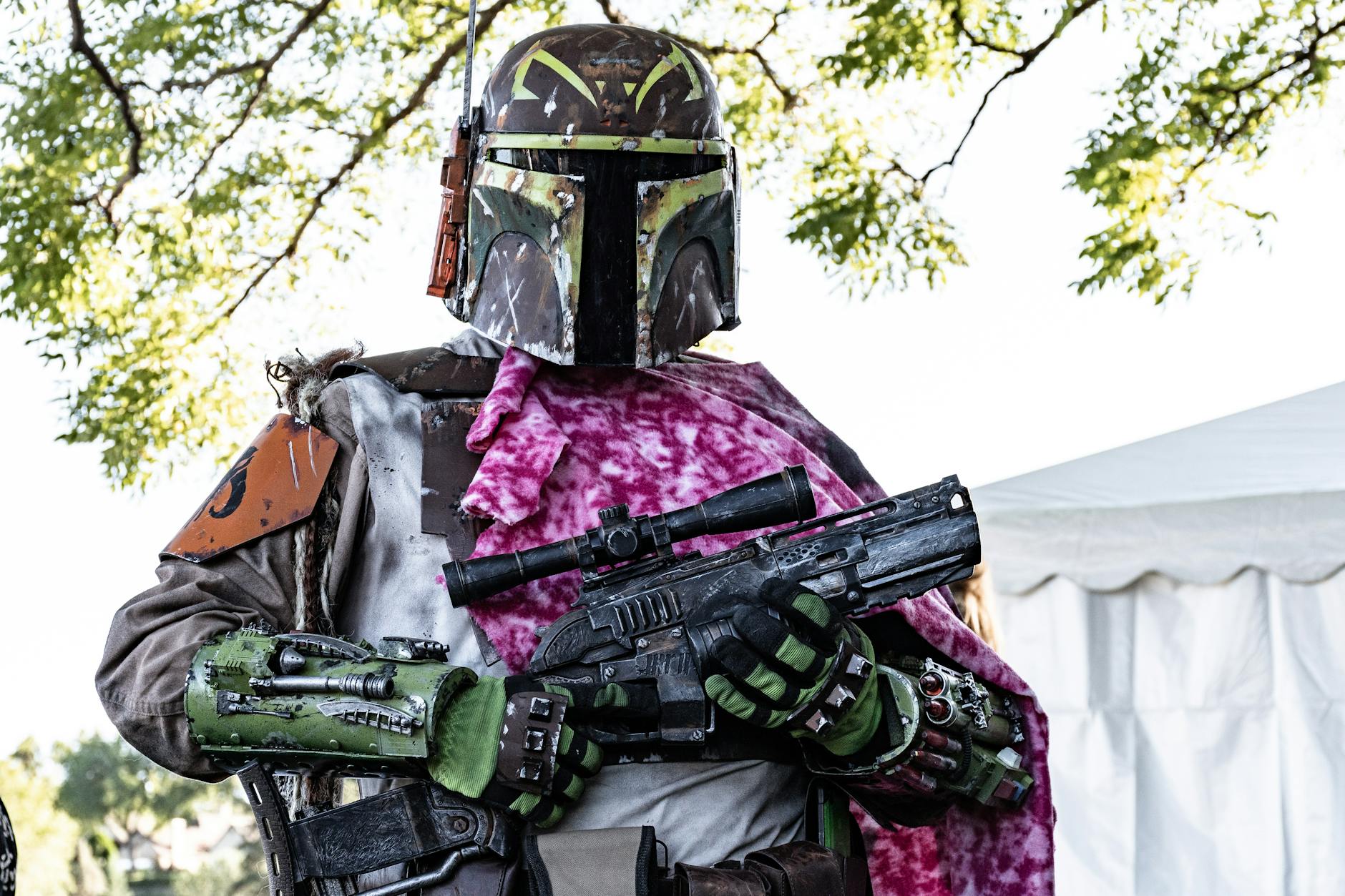
The launch of Disney Plus in November 2019 at its core altered how audiences discover and engage with Star Wars content. The mandalorian debuted alongside the platform, and Grogu (immediately dubbed “Baby Yoda” by the internet) became perhaps the most viral Star Wars phenomenon since the original trilogy. However, the search data tells a more complicated story about sustained interest versus initial hype. Grogu’s search interest has collapsed since its 2019 peak. While the character dominated social media and merchandise for months, the data shows a pattern familiar to viral moments: explosive initial interest followed by steep decline.
More concerning for the franchise, The Mandalorian itself shows declining search interest over time, the opposite trajectory of comparable prestige series like Game of Thrones, which built audience interest across seasons. This pattern does not apply uniformly to all Star Wars series. kenobi generated a taller search peak than The Mandalorian, likely due to Ewan McGregor’s return to the role and the promised Vader confrontation. Ahsoka rivals The Mandalorian in overall search interest, suggesting the animated series fanbase translates effectively to live-action viewership. The lesson here is that nostalgia-driven event series can outperform ongoing narrative shows in raw search volume, even if they lack the sustained weekly engagement.
Andor’s Unusual Search Trajectory
Andor presents the most interesting case study in Star Wars search behavior since 2019. The series was initially considered a disappointment by some metrics, with lower premiere viewership than other Star Wars series. However, search data reveals a different story. When The Mandalorian Season 3 released, Andor was being searched more frequently, suggesting word-of-mouth was driving discovery even as the flagship series aired new episodes. The 2025 performance of Andor Season 2 validated this slow-burn approach.
The series became the first Star wars show to remain on Nielsen’s Top 10 after its on-air window ended, staying on the chart for two consecutive weeks. During the week of May 19-25, it ranked fourth in the Originals chart with 527 million minutes viewed. The following week it held at tenth with 310 million minutes watched. This trajectory suggests that critical acclaim and sustained search interest do not always correlate with premiere numbers. Andor found its audience through recommendation and rewatching, a pattern more common to prestige drama than franchise entertainment. The limitation here is that this model may not be replicable for every Star Wars project; Andor benefited from Diego Luna’s established fanbase and a creative team with serious dramatic credentials.

Character Searches: Why Vader Still Dominates
Individual character search data provides insight into what truly matters to Star Wars audiences. Anakin Skywalker and Darth Vader maintain constant high search interest, essentially “flatlining” newer characters in comparative data. Kylo Ren and Rey, despite being the protagonists of the sequel trilogy, generate negligible search interest compared to the prequel and original trilogy’s central villain. The gap becomes more stark when examining announcement responses. Rey showed almost no search spike after her new movie was announced at Star Wars Celebration, a major franchise event that typically generates significant Google activity.
Compare this to any Vader-related announcement, which reliably produces measurable search increases. The data suggests that audience investment in sequel trilogy characters has not persisted in the way Disney might have hoped. Ahsoka represents an interesting exception. The character, who originated in the animated Clone Wars series, now generates stronger Google trends than Luke Skywalker or other original trilogy characters outside of Vader. This suggests that sustained, long-form character development across multiple series and films can build search interest that rivals the original icons, but only with nearly two decades of continuous storytelling investment.
The 2025 Search Surge: What Drove the Five-Year Record
June 2025 marked the highest Star Wars Google search activity in five years, a data point worth examining closely. Three factors converged to create this surge: Andor Season 2’s critical and commercial success, renewed interest in Star Wars Battlefront 2 among gamers, and the theatrical re-release of Revenge of the Sith. The Battlefront 2 resurgence deserves particular attention. The game, released in 2017, had a troubled launch due to its aggressive microtransaction system.
EA eventually overhauled the progression system, and the game has experienced periodic revivals as new players discover it. The June 2025 spike coincided with increased streaming content and franchise visibility, demonstrating how gaming and film audiences reinforce each other. A warning for franchise planners: this convergence was partially accidental. Andor Season 2’s release timing aligned with the Episode 3 re-release through scheduling, not necessarily strategic coordination. The search spike suggests that coordinated multi-platform releases could generate even larger results, but such coordination requires planning that may conflict with individual production timelines.
Regional Loyalty and the American Preference for New Content
United States search data reveals a distinct preference for new Star Wars content over legacy material. The Last Jedi showed particularly strong American search interest, indicating appetite for new directions even when those directions prove controversial. This contrasts with European markets, which show stronger preference for established entries like Revenge of the Sith and the original trilogy.
This regional split has implications for future content strategy. American audiences appear more willing to engage with experimental or divisive content, while international markets may prefer projects that connect explicitly to beloved existing material. Andor’s international success despite its departure from typical Star Wars tone suggests, however, that quality can override these preferences when execution is strong enough.
What the Search Data Suggests About Star Wars’ Future
The trends since 2019 paint a picture of a franchise in transition. The sequel trilogy failed to create characters with lasting search interest comparable to the original or prequel eras. Streaming series have proven capable of generating theatrical-level engagement, but face their own sustainability challenges.
The Mandalorian’s declining search trajectory versus Andor’s building momentum suggests that critical acclaim may be becoming more important than pure nostalgia in maintaining audience interest. Looking ahead, the data suggests that projects connected to Vader, Anakin, and the prequel-to-original trilogy timeline will continue generating the strongest search interest. New characters can break through, as Ahsoka demonstrates, but require years of development across multiple projects. The franchise’s immediate future likely depends on whether it can create new icons while the legacy characters still drive reliable engagement.