Based on available audience demand and social media engagement data, The Mandalorian consistently tops the rankings for Star Wars series in terms of global social media buzz, with Andor emerging as a close competitor in overall audience demand metrics. According to Parrot Analytics data from October 2022, Andor registered 34.1x higher demand than the average TV show, while The Mandalorian followed closely at 34x””though The Mandalorian’s earlier seasons achieved the highest peaks of overall demand among all Star Wars shows when measuring cumulative social media activity, blog mentions, and search traffic combined. The picture becomes more detailed when examining specific engagement metrics.
During November 2019, The Mandalorian posts averaged an impressive 103,348 content responses per post across just 65 total posts, nearly doubling the engagement rate of The Rise of Skywalker’s promotional content, which averaged 52,154 responses across 194 posts. Meanwhile, Obi-Wan Kenobi holds the distinction of being the biggest Disney+ series ever in terms of raw viewership, though its social media conversation metrics tell a different story than pure viewer numbers might suggest. how different Star Wars series stack up across various social media metrics, what drives these engagement disparities, and why critical acclaim doesn’t always translate to online buzz. We’ll also explore the broader context of the Star Wars franchise’s social media dominance””a brand with over 50 million combined followers across its official channels.
Table of Contents
- Which Star Wars Series Generates the Most Global Social Media Mentions?
- Understanding Audience Demand Versus Pure Social Media Volume
- The Baby Yoda Effect and Viral Character Moments
- How Official Star Wars Channels Amplify Series Visibility
- Why Critical Acclaim Doesn’t Always Equal Social Dominance
- The Franchise Context and Competitive Landscape
- Future Implications for Star Wars Series Strategy
Which Star Wars Series Generates the Most Global Social Media Mentions?
The mandalorian stands as the clear frontrunner when measuring raw social media engagement and conversation volume. The series benefited from perfect timing””launching alongside Disney+ in November 2019″”and introduced Baby Yoda (later revealed as Grogu), a character that became an instant viral phenomenon. During that launch month alone, 1,613,995 tweets mentioned Yoda, driven largely by the new character’s explosive popularity. For comparison, only 424,918 tweets mentioned Skywalker during the same period, despite The Rise of Skywalker’s theatrical release generating massive promotional activity.
The engagement-per-post metrics reveal just how efficiently The Mandalorian converted its content into conversation. With an average of over 103,000 responses per post, the series demonstrated that quality of engagement mattered as much as quantity. This organic buzz created a flywheel effect, where memes, fan theories, and character discussions kept the show relevant between episodes and seasons in ways that traditional advertising couldn’t replicate. However, Andor’s strong showing in audience demand metrics””actually edging out The Mandalorian by a slim margin in October 2022″”suggests the landscape shifts over time. New releases naturally capture attention, meaning any ranking represents a snapshot rather than a permanent hierarchy.
Understanding Audience Demand Versus Pure Social Media Volume
Audience demand metrics, as measured by services like Parrot Analytics, aggregate multiple signals: social media posts, blog articles, fan wiki activity, search traffic, and streaming platform engagement. This creates a more complete picture than counting tweets alone, but it also means that a show can rank highly in demand while generating less visible social media chatter than competitors. Andor exemplifies this phenomenon perfectly. The series ranks lower in social media-driven audience demand metrics compared to other star Wars shows despite widespread critical acclaim.
Critics praised its mature storytelling and sophisticated political themes, yet these same qualities may have limited its meme-ability and casual social sharing. A show doesn’t need to trend on Twitter to build a dedicated, engaged audience””but it does need that viral component to top social mention rankings specifically. The limitation here matters for interpretation: if you’re measuring success by social media mentions alone, you’ll miss shows that build devoted fanbases through other channels. Andor’s audience tends to discuss the show on dedicated forums, podcasts, and long-form YouTube analyses rather than in quick, shareable social posts.
The Baby Yoda Effect and Viral Character Moments
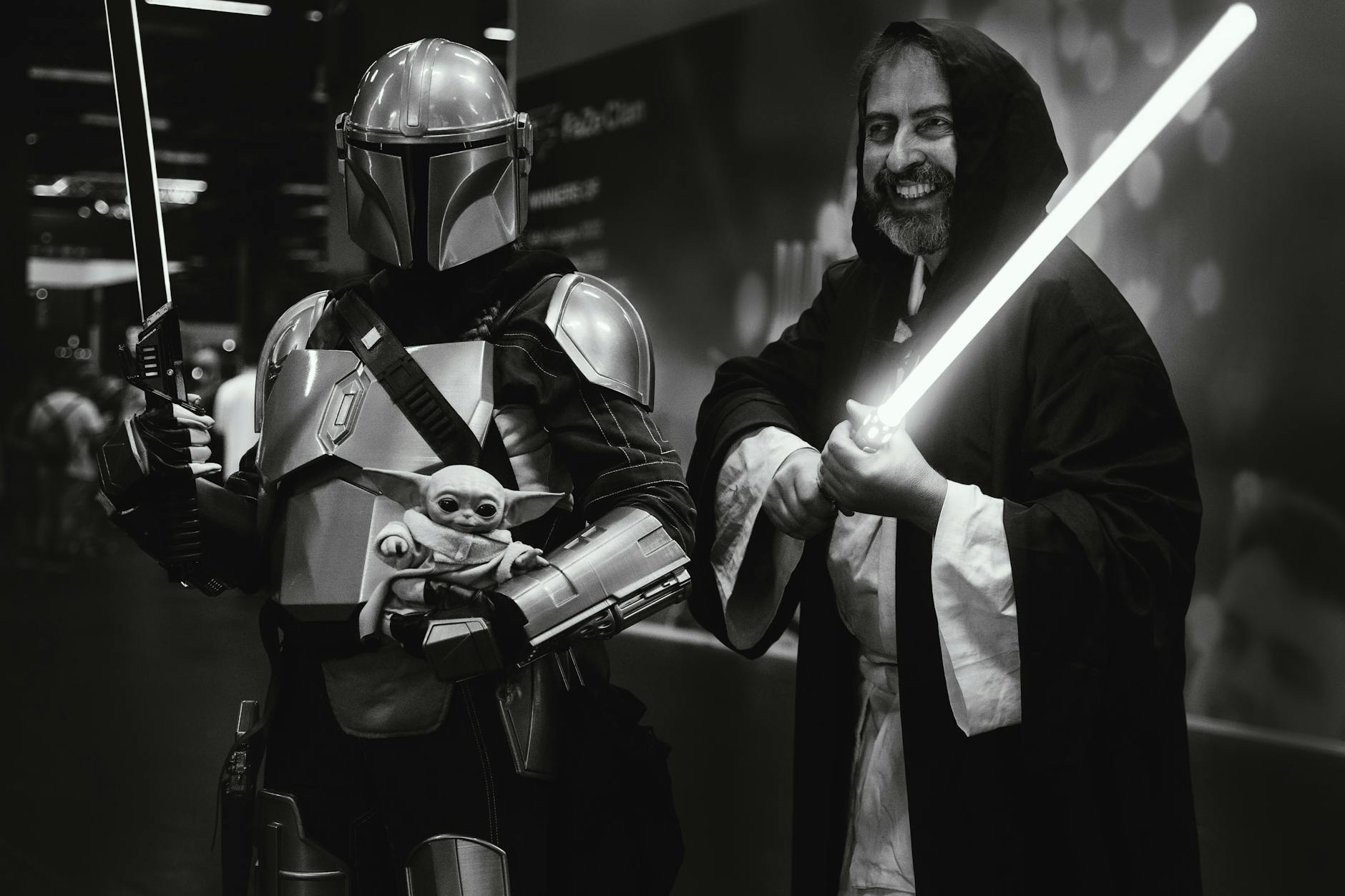
No discussion of Star Wars social media dominance can ignore the unprecedented impact of Grogu’s introduction. The character’s reveal at the end of The Mandalorian’s pilot episode triggered an avalanche of memes, merchandise demands, and social media posts that the franchise hadn’t seen since the original trilogy’s cultural peak. Within weeks, Baby Yoda had transcended Star Wars fandom entirely, appearing in mainstream conversations, late-night comedy segments, and social feeds belonging to people who had never watched a single episode.
This viral character moment illustrates a crucial dynamic in social media engagement: emotional, visually distinctive, and easily shareable content drives mentions far more effectively than complex narratives or thematic depth. The Mandalorian succeeded partly because its episodic structure and memorable imagery translated naturally to social media formats””screenshots, GIFs, and short video clips that required no context to appreciate. Other Star Wars series have attempted to replicate this lightning-in-a-bottle success with varying results. The book of Boba Fett and Ahsoka both featured beloved legacy characters but generated less organic social conversation, suggesting that nostalgia alone doesn’t guarantee viral engagement.
How Official Star Wars Channels Amplify Series Visibility
The Star Wars brand maintains a formidable social media infrastructure, with over 50 million combined followers across platforms. This built-in audience provides every new series with a promotional launchpad unavailable to competing franchises, but it also means official engagement metrics can obscure organic fan-driven conversation. During periods of active content management, the franchise achieved notable growth: 50% audience increase on Instagram, 22% on Twitter, 50% on YouTube, and a 25% boost in engagement across all platforms. These numbers reflect sophisticated marketing operations timed around series premieres, trailer drops, and cultural moments like Star Wars Day.
When a new series launches, the official channels mobilize this audience, creating an initial surge that may or may not sustain based on the show’s organic appeal. The tradeoff here involves distinguishing between manufactured buzz and genuine fan enthusiasm. A show might generate millions of mentions during its premiere week thanks to coordinated marketing, then fade quickly if audiences don’t connect with the content. on the other hand, a series like The Mandalorian maintained improve social conversation between seasons because fans continued creating and sharing content independently of official promotion.
Why Critical Acclaim Doesn’t Always Equal Social Dominance
Andor received near-universal critical praise, with many reviewers calling it the best Star Wars content since the original trilogy. Yet its social media performance lagged behind flashier, more accessible series. This disconnect highlights a persistent tension in franchise entertainment: the qualities that impress critics””detailed character development, patient pacing, complex moral themes””often work against viral shareability. Social media rewards immediacy and emotional simplicity.
A shocking character death, a surprise cameo, or an adorable creature can generate millions of mentions within hours. A slow-building exploration of how ordinary people become radicalized against authoritarian regimes requires more investment and produces fewer easily extractable moments. Andor’s best scenes often depend on context accumulated across multiple episodes, making them difficult to appreciate in isolation. This limitation shouldn’t discourage creators from ambitious storytelling, but it does mean that social media rankings measure a specific type of success rather than overall quality. Shows optimized for Twitter trends may generate impressive mention counts while delivering forgettable entertainment; shows crafted for depth may underperform on social metrics while building lasting cultural significance.

The Franchise Context and Competitive Landscape
Star Wars operates within the fifth-highest grossing media franchise of all time, valued at over $68 billion. This scale provides context for why individual series compete not just with each other but with an enormous back catalog of films, animated shows, books, games, and merchandise. When fans discuss Star Wars online, they draw from decades of content, and new series must carve out space within an already crowded conversation.
Obi-Wan Kenobi’s status as the biggest Disney+ series ever in terms of viewership demonstrates how legacy characters can drive initial interest. Ewan McGregor’s return attracted audiences who had waited nearly two decades for more content featuring the prequel-era Jedi. Yet viewership and social mentions don’t always correlate””many viewers watched without generating the same per-episode discussion that The Mandalorian sustained.
Future Implications for Star Wars Series Strategy
The social media data suggests Lucasfilm faces an ongoing balancing act: producing content that satisfies hardcore fans seeking sophisticated storytelling while also generating the viral moments that drive mainstream social conversation. The Mandalorian demonstrated that these goals aren’t mutually exclusive””the show earned praise for its craft while producing countless shareable moments””but replicating that formula has proven difficult.
Upcoming series will likely be evaluated against these benchmarks, with social media performance increasingly influencing production decisions. Whether that pressure encourages more Baby Yoda-style character introductions or discourages the risk-taking that made Andor distinctive remains to be seen.