The best indie films you probably haven’t seen represent some of cinema’s most daring, innovative, and emotionally resonant work”yet they remain largely invisible to mainstream audiences.
While blockbusters dominate multiplexes and streaming algorithms, independent cinema operates in a parallel universe where storytelling risks are rewarded, unconventional narratives flourish, and filmmakers maintain creative control that studio productions rarely permit.
These hidden gems often tackle subjects too nuanced, controversial, or simply unmarketable for major distributors, resulting in films that feel genuinely surprising in an era of predictable franchise filmmaking. The problem facing cinephiles today isn’t a lack of quality content”it’s discoverability.
With thousands of films released annually across festival circuits, limited theatrical runs, and fragmented streaming platforms, exceptional independent work frequently slips through the cracks.
- Table of Contents
- What Makes the Best Indie Films Different from Mainstream Cinema?
- Hidden Gem Indie Films from the 2010s That Deserve Recognition
- International Indie Cinema You Haven't Discovered Yet
- How to Find Underseen Indie Films Worth Watching
- Why Quality Indie Films Remain Obscure Despite Critical Acclaim
- The Rise of Micro-Budget Filmmaking and DIY Distribution
- How to Prepare
- How to Apply This
- Expert Tips
- Conclusion
- Frequently Asked Questions
- You Might Also Like
A film might premiere to standing ovations at Sundance or Cannes, receive glowing critical notices, then vanish into obscurity within weeks. Meanwhile, audiences hungry for something beyond the superhero-sequel-reboot cycle often don’t know where to look or what to trust. This guide addresses that gap directly, offering a curated pathway into independent cinema’s overlooked treasures.
By the end of this article, readers will understand what distinguishes truly exceptional indie filmmaking from both mainstream releases and self-indulgent art house fare.
The focus extends beyond simple recommendations to include practical strategies for discovering overlooked films independently, understanding the economic and artistic factors that cause quality work to remain obscure, and developing the viewing literacy to appreciate unconventional storytelling approaches.
Whether you’re a casual moviegoer looking to expand beyond Netflix’s front page or a dedicated cinephile seeking films that slipped past your radar, this exploration of underseen independent cinema will reshape how you think about film discovery.
Table of Contents
- What Makes the Best Indie Films Different from Mainstream Cinema?
- Hidden Gem Indie Films from the 2010s That Deserve Recognition
- International Indie Cinema You Haven’t Discovered Yet
- How to Find Underseen Indie Films Worth Watching
- Why Quality Indie Films Remain Obscure Despite Critical Acclaim
- The Rise of Micro-Budget Filmmaking and DIY Distribution
- How to Prepare
- How to Apply This
- Expert Tips
- Conclusion
- Frequently Asked Questions
What Makes the Best Indie Films Different from Mainstream Cinema?
Independent films operate under fundamentally different constraints and freedoms than studio productions, and understanding these distinctions clarifies why certain exceptional works remain underseen.
Budget represents the most obvious difference”where a typical Hollywood production spends between $65 million and $200 million, independent films often work with budgets under $5 million, sometimes far less. Sean Baker’s Tangerine (2015), shot entirely on iPhone 5S smartphones for approximately $100,000, demonstrated that technical limitations can become creative opportunities.
This financial reality forces indie filmmakers toward intimate character studies, contained locations, and dialogue-driven narratives rather than spectacle”constraints that often produce more emotionally authentic work.
Creative control represents an equally significant distinction. Studio films pass through layers of executive oversight, test screenings, and marketing-driven modifications that sand away distinctive edges. Independent productions, by contrast, typically reflect a singular artistic vision.
When the Safdie brothers made Good Time (2017) and Uncut Gems (2019), their frenetic pacing, overlapping dialogue, and anxiety-inducing cinematography remained intact because no committee existed to demand conventional thriller beats.
This auteur-driven approach means indie films can be genuinely weird, politically provocative, or structurally experimental in ways that would trigger immediate studio intervention.
- **Narrative risk-taking**: Independent films regularly employ non-linear storytelling, ambiguous endings, and morally complex protagonists that mainstream films avoid for fear of audience alienation
- **Subject matter freedom**: Topics like addiction, poverty, sexuality, and systemic injustice receive nuanced treatment rather than the simplified, resolution-focused approach typical of studio pictures
- **Performance authenticity**: Lower budgets often mean casting unknown actors or non-professionals, resulting in performances unburdened by star persona expectations

Hidden Gem Indie Films from the 2010s That Deserve Recognition
The 2010s produced an extraordinary wealth of independent cinema that never reached the audiences it deserved.
Andrew Bujalski’s Computer Chess (2013) stands as a perfect example”shot on vintage Sony AVC-3260 cameras to replicate 1980s video aesthetics, this mockumentary about a computer chess tournament gradually shifts into metaphysical territory that challenges viewers’ perceptions of artificial intelligence and human consciousness. Despite winning the Alfred P.
Sloan Prize at Sundance, the film grossed only $103,000 theatrically.
Its lo-fi aesthetic and deliberately awkward pacing”qualities that make it fascinating”also made it nearly impossible to market. Chloé Zhao’s Songs My Brothers Taught Me (2015) offers another case study in overlooked excellence.
Before Zhao achieved mainstream recognition with Nomadland and Marvel’s Eternals, she crafted this tender portrait of Lakota Sioux siblings on the Pine Ridge Reservation navigating family obligations, economic desperation, and the pull toward escape.
Zhao’s immersive approach”casting non-professional actors playing versions of themselves and embedding within the community during production”creates documentary-level authenticity within a fictional framework. The film received excellent reviews but played in fewer than 25 theaters nationwide.
- **The Fits (2015)**: Anna Rose Holmer’s hypnotic debut follows an 11-year-old tomboy who joins a dance team while mysterious seizure-like episodes afflict team members. The film operates through movement and atmosphere rather than explanation, creating an experience closer to tone poem than conventional narrative.
- **Krisha (2015)**: Trey Edward Shults made this family gathering drama for $30,000 with his actual relatives as cast members. The Thanksgiving dinner setting becomes a pressure cooker for exploring addiction, estrangement, and familial resentment with an intensity that rivals any prestige production.
- **Compliance (2012)**: Craig Zobel’s dramatization of the strip search phone call scam provoked walkouts at Sundance but remains one of the decade’s most disturbing explorations of authority and obedience, based entirely on documented real events.
International Indie Cinema You Haven’t Discovered Yet
American audiences often overlook international independent cinema entirely, despite the fact that some of the most innovative filmmaking occurs outside English-language markets.
Céline Sciamma’s Water Lilies (2007), her debut feature predating the acclaimed Portrait of a Lady on Fire by over a decade, explores teenage sexuality and obsession through the world of synchronized swimming with a precision and emotional honesty that marked her as a major talent from the start.
The film remains difficult to find on American platforms despite Sciamma’s subsequent recognition.
South Korean cinema’s international breakthrough with Parasite (2019) opened doors for wider distribution, but countless Korean independent films remain inaccessible to Western viewers.
Lee Chang-dong’s Poetry (2010), featuring a stunning performance by Yun Jung-hee as a grandmother grappling with early Alzheimer’s while caring for her morally compromised grandson, won the Best Screenplay award at Cannes yet barely registered with American audiences. The film’s patient pacing and refusal of sentimentality exemplify qualities that international distributors often consider unmarketable.
- **Victoria (2015)**: Sebastian Schipper’s German-language thriller unfolds in a single 138-minute take following a Spanish woman in Berlin who becomes entangled in a bank robbery. The technical achievement amplifies the film’s mounting tension while creating genuine spontaneity in performances.
- **The Tribe (2014)**: Myroslav Slaboshpytskyi’s Ukrainian film takes place entirely in a boarding school for deaf students, presenting all dialogue in sign language without subtitles. The result is a visceral, often brutal experience that forces viewers to engage with cinema in fundamentally different ways.
- **Toni Erdmann (2016)**: Maren Ade’s nearly three-hour German comedy about a father attempting to reconnect with his corporate-consultant daughter through elaborate pranks received Academy Award nomination but still missed most American viewers.
How to Find Underseen Indie Films Worth Watching
Discovering quality independent cinema requires abandoning the passive consumption model that streaming platforms encourage. Algorithmic recommendations optimize for engagement metrics that favor familiar content over challenging work”the system is designed to suggest films similar to what you’ve already watched, creating an echo chamber that excludes genuinely different viewing experiences.
Breaking this pattern demands intentional research and diversified discovery sources.
Film festival coverage provides the most reliable starting point for identifying underseen independent work. Publications like Film Comment, Sight and Sound, and IndieWire provide detailed coverage of major festivals including Sundance, Toronto, Cannes, Venice, Berlin, and Locarno.
Rather than waiting for theatrical releases that may never come, tracking festival reviews allows viewers to identify promising films early and seek them out when they eventually reach streaming platforms or physical media.
The gap between festival premiere and home video availability has shortened considerably”films that premiered at fall festivals now frequently reach streaming within six to twelve months.
- **Criterion Channel and MUBI**: These curated streaming services prioritize artistic merit over popularity, featuring rotating collections of international and independent cinema unavailable elsewhere. MUBI’s model of adding one film daily while removing another creates urgency that encourages exploration.
- **Physical media**: Boutique distributors like Criterion, Arrow, Kino Lorber, and Vinegar Syndrome release independent and international films with extensive supplemental materials. Many films never receive streaming distribution but remain available on Blu-ray.
- **Local repertory theaters**: Cities with independent theaters like the Metrograph (New York), the New Beverly (Los Angeles), or the Music Box (Chicago) regularly program underseen films in theatrical settings.
- **Letterboxd**: This social film platform allows users to follow critics and cinephiles whose taste aligns with their interests, surfacing recommendations through activity feeds rather than algorithms.
Why Quality Indie Films Remain Obscure Despite Critical Acclaim
The economics of independent film distribution explain why excellent movies routinely fail to find audiences. A film’s commercial fate is largely determined before audiences ever have the opportunity to see it. Distribution deals negotiated at festivals determine marketing budgets, theatrical footprint, and streaming placement”factors that dwarf artistic quality in determining viewership.
A film purchased by a major distributor for $10 million receives aggressive marketing support; a film acquired for $500,000 by a smaller company might receive a perfunctory limited release before quiet streaming burial.
Marketing independent cinema presents inherent challenges that don’t affect mainstream releases. Studio films sell themselves through star recognition, franchise familiarity, and high-concept premises communicable in a single sentence. Independent films often feature unknown actors in premise-resistant narratives requiring viewer investment.
How do you market a film like First Reformed (2017)””An environmentally tormented priest contemplates violence while counseling a suicidal parishioner”? Paul Schrader’s film found an audience through critical advocacy and awards attention, but most indie films lack that runway.
- **Platform fragmentation**: With hundreds of streaming services competing for subscribers, independent films get scattered across platforms, making comprehensive discovery nearly impossible without intentional research.
- **Attention economy competition**: Viewers have finite time and energy; choosing an unfamiliar independent film over a reliable franchise entry requires overcoming psychological inertia that most people never muster.
- **Review aggregator distortion**: Rotten Tomatoes’ binary fresh/rotten system poorly serves complex films that provoke mixed reactions. A challenging masterpiece with 70% approval looks worse than a forgettable crowd-pleaser with 85%.
The Rise of Micro-Budget Filmmaking and DIY Distribution
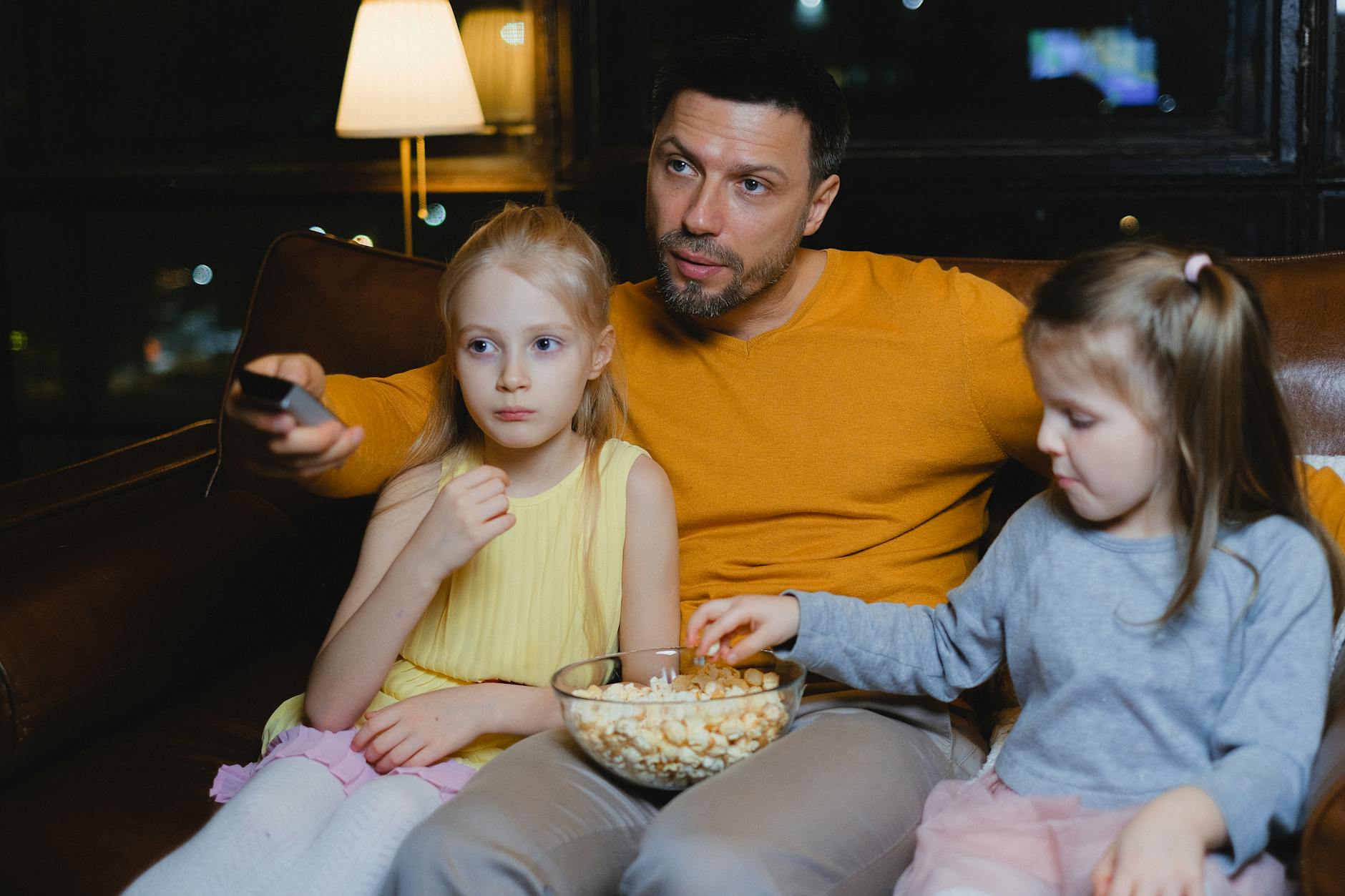
The democratization of filmmaking technology has created a new category of micro-budget independent cinema operating entirely outside traditional distribution channels. Filmmakers now produce feature-length work for under $10,000, distribute directly through personal websites or Vimeo On Demand, and build audiences through social media engagement.
This model bypasses gatekeepers entirely but requires filmmakers to assume marketing and distribution responsibilities they may be ill-equipped to handle.
The mumblecore movement of the mid-2000s pioneered this approach, with filmmakers like Joe Swanberg, the Duplass brothers, and Andrew Bujalski creating feature films for minimal budgets using natural lighting, improvised dialogue, and non-professional actors.
Many mumblecore alumni have since transitioned to larger productions”Mark Duplass produces for HBO, Greta Gerwig became an A-list director”but the DIY ethos they established continues influencing emerging filmmakers. Films like Giving Birth to a Butterfly (2021) and The Cathedral (2021) demonstrate that micro-budget production values have increased substantially while retaining intimate storytelling sensibilities.
How to Prepare
- **Calibrate pacing expectations**: Independent films often move slower than mainstream entertainment, using duration to create mood and allow character observation. Before watching, consciously release the expectation of constant plot momentum”understanding that scenes may prioritize atmosphere over advancement.
- **Research before watching**: Read one or two reviews to understand a film’s style and intentions without spoiling specifics. Knowing that a film employs non-linear structure or ambiguous narrative helps prevent frustration from misaligned expectations.
- **Create optimal viewing conditions**: Independent films with subtle sound design, muted color palettes, or long takes require attention that distracted phone-checking prohibits. Watch on the largest available screen with good audio, lights dimmed, notifications silenced.
- **Start with accessible entries**: Begin exploring indie cinema through films that bridge mainstream and independent sensibilities”works by A24, Neon, or established indie auteurs”before diving into more experimental territory.
- **Join viewing communities**: Film-focused Discord servers, Letterboxd groups, and local film clubs provide context, discussion partners, and recommendations that enhance both discovery and appreciation.
How to Apply This
- **Create a watchlist system**: Use Letterboxd, a spreadsheet, or dedicated notes app to track films encountered through festival coverage, reviews, and recommendations. Without systematic tracking, promising titles disappear from memory within days.
- **Schedule intentional viewing time**: Block specific evenings for independent film watching rather than defaulting to familiar comfort viewing. The activation energy required to start an unfamiliar film diminishes when the decision is pre-made.
- **Practice active viewing**: After finishing a film, spend ten minutes reflecting before checking reviews or discussion. What worked? What confused? What lingered? Developing personal reactions before encountering critical consensus strengthens viewing literacy.
- **Expand gradually**: Use each appreciated film as a launching point”explore the director’s earlier work, investigate similar films from the same festival or distributor, follow actors into other independent productions.
Expert Tips
- **Trust festival pedigrees selectively**: Sundance premieres vary wildly in quality, but films winning Un Certain Regard at Cannes or the Golden Bear at Berlin consistently reward adventurous viewers. Learn which festival sections and juries align with your preferences.
- **Follow cinematographers and editors**: Independent films often feature recurring below-the-line collaborations. If you admire the visual style of a particular film, the cinematographer’s other credits often reveal similarly compelling work.
- **Embrace productive difficulty**: Films that initially frustrate or confuse often reward patience and revisiting. Not every challenging viewing experience indicates a bad film”sometimes the mismatch lies in viewer readiness rather than artistic failure.
- **Check physical media releases**: Arrow Video, Criterion, and similar labels perform curatorial functions that streaming algorithms cannot replicate. Their release calendars highlight underseen films receiving archival attention.
- **Attend festivals if possible**: Even small regional festivals program films that may never receive wider distribution. The festival experience”seeing films with engaged audiences, attending filmmaker Q&As”contextualizes work in ways home viewing cannot replicate.
Conclusion
The landscape of underseen independent cinema represents both a challenge and an opportunity for contemporary film viewers. While the abundance of quality work buried beneath algorithmic indifference and distribution economics can feel overwhelming, the tools for discovery have never been more accessible.
Curated streaming platforms, physical media releases, festival coverage, and online communities provide pathways into independent cinema that previous generations of cinephiles lacked entirely. The effort required to find these films is real, but it’s substantially less than traveling to festival screenings or hunting through video store back catalogs”the only options available thirty years ago.
Developing a relationship with independent cinema transforms how viewers engage with the medium entirely. Mainstream entertainment begins revealing its formulas and compromises more clearly; challenging films become exciting rather than intimidating; the boundary between “entertainment” and “art” dissolves into a more nuanced understanding of what cinema can accomplish.
The best indie films you haven’t seen yet are waiting”not hidden exactly, but requiring the active seeking that passive consumption never provides. Start with one unfamiliar title this week, document your response, and let that experience guide subsequent exploration.
Frequently Asked Questions
How long does it typically take to see results?
Results vary depending on individual circumstances, but most people begin to see meaningful progress within 4-8 weeks of consistent effort.
Is this approach suitable for beginners?
Yes, this approach works well for beginners when implemented gradually. Starting with the fundamentals leads to better long-term results.
What are the most common mistakes to avoid?
The most common mistakes include rushing the process, skipping foundational steps, and failing to track progress.
How can I measure my progress effectively?
Set specific, measurable goals at the outset and track relevant metrics regularly. Keep a journal to document your journey.
You Might Also Like
- Why do James Cameron Films Always Have Legs?
- IMAX Ticket Prices and Event Films
- Film Forum History of Consumer Class Action Claims Related to Online Ticket Sales and Disclosures