The Mandalorian has dominated Disney+ viewership among Star Wars series primarily because it arrived at the perfect intersection of timing, accessibility, and creative vision.
As the flagship series that launched alongside Disney+ in November 2019, it benefited from being the platform’s premier original content offering while simultaneously revitalizing Star Wars through a fresh storytelling approach that appealed to both longtime fans and newcomers.
The show’s episodic Western-inspired format, its restraint from the franchise’s more divisive elements, and the viral phenomenon of Grogu (widely known as “Baby Yoda”) created a cultural moment that subsequent Star Wars series have struggled to replicate.
The series creator Jon Favreau made a strategic choice that proved notably effective: rather than diving into the complex mythology of Jedi, Sith, and galactic politics, The Mandalorian focused on a lone bounty hunter navigating the galaxy’s fringes.
- Mandalorian Most Watched: Table of Contents
- What Made The Mandalorian the Most Watched Star Wars Series on Disney+?
- The First-Mover Advantage in Streaming Original Content
- How Grogu Changed Star Wars Marketing Forever
- Comparing Viewership Across Star Wars Disney+ Series
- Why Traditional Fans and New Viewers Both Connected with the Show
- The Role of Production Quality and Visual Innovation
- Future Implications for Star Wars Streaming Strategy
- You Might Also Like
This premise allowed casual viewers to engage without requiring decades of franchise knowledge while offering enough Easter eggs and connections to satisfy devoted fans. The result was a show that functioned as both an accessible entry point and a love letter to the original trilogy’s aesthetic sensibilities.
the specific factors that contributed to The Mandalorian’s viewership dominance, from its launch timing and production quality to its character design and narrative structure. We will also consider how subsequent Star Wars series have performed in comparison, the limitations of available viewership data, and what the show’s success reveals about the broader streaming landscape.
Table of Contents
- What Made The Mandalorian the Most Watched Star Wars Series on Disney+?
- The First-Mover Advantage in Streaming Original Content
- How Grogu Changed Star Wars Marketing Forever
- Comparing Viewership Across Star Wars Disney+ Series
- Why Traditional Fans and New Viewers Both Connected with the Show
- The Role of Production Quality and Visual Innovation
- Future Implications for Star Wars Streaming Strategy
What Made The Mandalorian the Most Watched Star Wars Series on Disney+?
The Mandalorian’s viewership success stems from a combination of factors that created near-perfect market conditions. First, the show launched as Disney+’s tentpole original series, meaning every subscriber who joined the platform in its crucial early months had immediate access to the show and strong incentive to watch it.
Compare this to later Star Wars series like andor or The Acolyte, which launched into an already crowded Disney+ library where they competed for attention against years of accumulated content.
second, the show’s episodic structure and relatively short runtime per episode (typically 30-45 minutes) made it notably easy to consume.
Unlike the serialized storytelling of Andor, which demanded viewers track complex political machinations across multiple episodes, The Mandalorian offered self-contained adventures that could be enjoyed individually. This accessibility proved particularly valuable during the COVID-19 pandemic, when the show’s second season premiered to an audience largely confined to their homes and hungry for new entertainment.
Third, The Mandalorian generated organic cultural momentum that money cannot buy. The reveal of Grogu in the first episode sparked an immediate internet phenomenon, with “Baby Yoda” memes flooding social media before Disney could even produce official merchandise.
This viral attention drove curiosity viewing from people who might otherwise have ignored a Star Wars television series, expanding the show’s audience well beyond the franchise’s traditional fanbase.

The First-Mover Advantage in Streaming Original Content
Disney+ needed The Mandalorian to succeed in ways that subsequent series simply did not face. When the platform launched in November 2019, it was entering a streaming market already dominated by Netflix and competing against established services like Amazon Prime Video and Hulu.
The Mandalorian served as proof of concept that Disney could produce prestige original content worthy of monthly subscription fees, not merely a library of classic films and acquired properties. This pressure created favorable production conditions.
Reports indicate the first season received a budget of approximately $15 million per episode, exceptional for television at the time and rivaling many feature film productions.
Favreau and executive producer Dave Filoni were given creative latitude to develop the show’s distinctive visual language, including the pioneering use of Industrial Light and Magic’s StageCraft virtual production technology (commonly called “The Volume”), which has since become industry standard for high-end genre production.
However, first-mover advantage cuts both ways. While The Mandalorian benefited from being the only major star Wars series available, it also bore the burden of audience expectations without precedent.
Had the show failed critically or commercially, it might have damaged Disney+’s launch momentum and soured audiences on the concept of Star Wars television. This high-stakes environment arguably pushed the creative team toward safer, more broadly appealing storytelling choices that prioritized entertainment value over artistic risk-taking.
How Grogu Changed Star Wars Marketing Forever
The character of Grogu represents one of the most successful examples of audience capture in modern entertainment history. Disney famously kept the character’s existence secret before the premiere, refusing to produce merchandise or include the character in marketing materials to preserve the surprise.
When audiences first saw the small green creature in the show’s final scene, the reaction was immediate and overwhelming. Within days, “Baby Yoda” became a ubiquitous internet presence, with fan-created content filling the merchandise void that Disney had intentionally created.
The character’s appeal transcended typical Star Wars demographics, attracting viewers who had no particular attachment to the franchise but found the creature’s design irresistible.
This phenomenon drove substantial subscription growth for Disney+ during the critical holiday season following launch. The success of Grogu also illustrates a limitation of the character-driven approach.
Subsequent seasons of The Mandalorian have faced the challenge of developing Grogu beyond his initial appeal as an adorable companion, with some critics arguing that the character’s presence has constrained storytelling possibilities.
The show cannot easily separate Din Djarin from Grogu without risking audience backlash, yet keeping them together limits the narrative scenarios available to writers. This creative tension became particularly evident in the third season, which received notably more mixed reception than its predecessors.
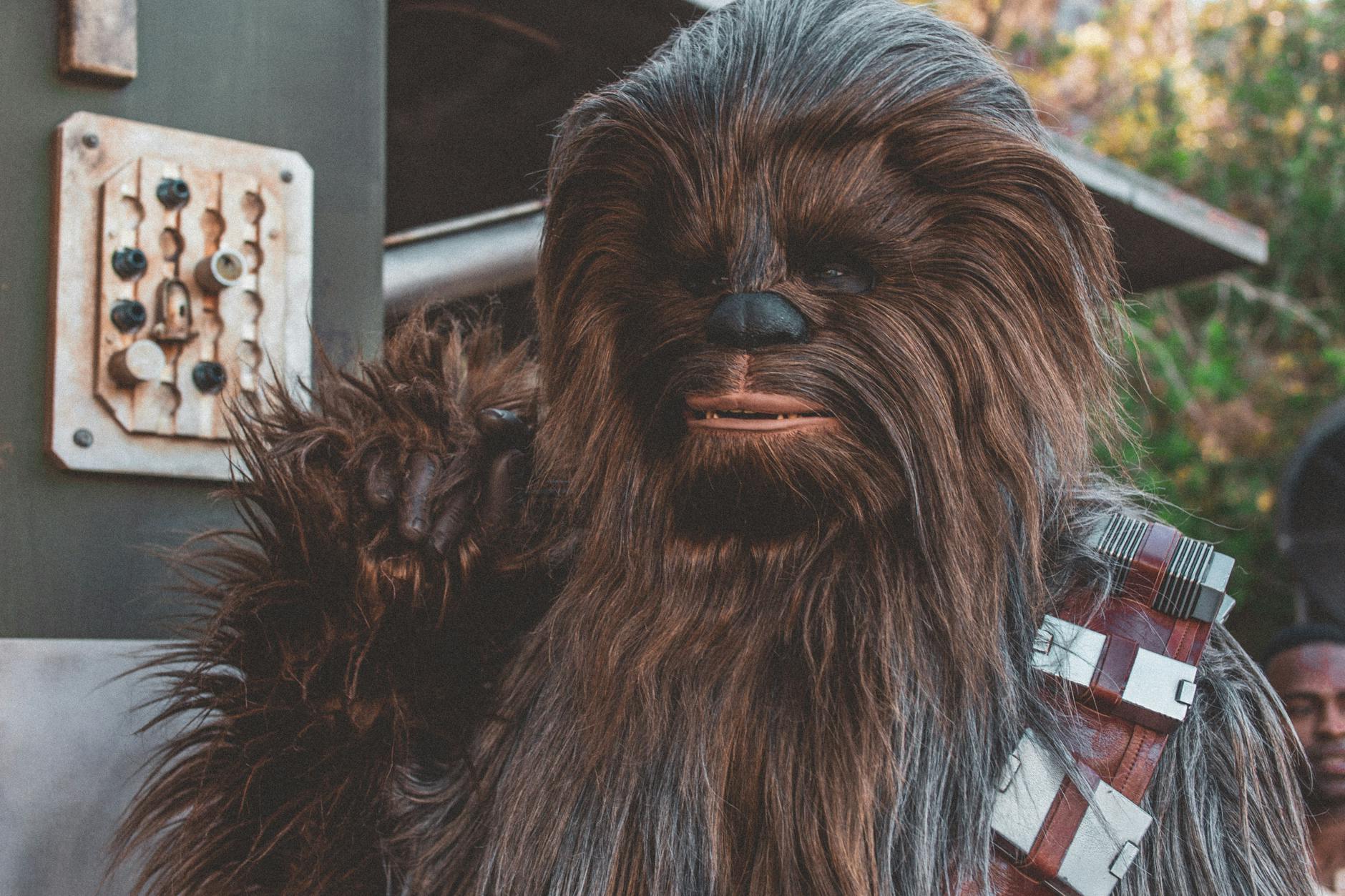
Comparing Viewership Across Star Wars Disney+ Series
Directly comparing viewership numbers across Disney+ Star Wars series presents significant challenges due to Disney’s selective disclosure of streaming metrics. Unlike traditional television ratings, streaming platforms typically release viewership data only when figures are favorable, making comprehensive comparisons difficult.
With that caveat, available reporting suggests The Mandalorian has consistently outperformed other Star Wars series in total viewership, though the margins vary by measure and time period. The Book of Boba Fett, which served as a quasi-spinoff featuring characters from The Mandalorian, reportedly performed well initially but saw significant viewership decline across its seven-episode run.
Obi-Wan Kenobi generated substantial premiere viewership driven by nostalgia for Ewan McGregor’s portrayal of the character, though whether it sustained those numbers remains unclear from public data.
Andor received widespread critical acclaim but reportedly attracted smaller initial audiences, though Disney has emphasized its strong completion rates and audience satisfaction scores. The Acolyte, set in the High Republic era centuries before the main Star Wars timeline, represents an interesting case study.
Despite significant marketing investment, the series reportedly underperformed viewership expectations, leading to its cancellation after one season. This outcome suggests that The Mandalorian’s success formula is not easily replicable simply by applying similar production values to different Star Wars eras or concepts.
The Mandalorian’s specific combination of familiar aesthetics, accessible storytelling, and character appeal appears difficult to manufacture deliberately.
Why Traditional Fans and New Viewers Both Connected with the Show
The Mandalorian achieved something rare in modern franchise entertainment: genuine crossover appeal between devoted fans and casual viewers. For longtime Star Wars enthusiasts, the show offered deep-cut references to expanded universe material, callbacks to the original trilogy’s visual design, and appearances from beloved characters including Ahsoka Tano, Luke Skywalker, and Boba Fett himself.
These elements rewarded fan knowledge without punishing viewers who lacked it. For newcomers, the show functioned as a self-contained Western that happened to be set in the Star Wars universe. The premise of a mysterious bounty hunter protecting a child requires no knowledge of the Force, the Empire’s fall, or decades of franchise mythology.
Viewers could enjoy the show purely as an action-adventure series with high production values and an emotionally resonant central relationship. This accessibility stands in contrast to series like Ahsoka, which essentially requires viewers to have watched multiple seasons of animated series to fully understand character relationships and stakes. This dual-appeal strategy carries tradeoffs.
By targeting broad accessibility, The Mandalorian arguably sacrifices narrative complexity and thematic depth. Critics have noted that the show’s episodic structure sometimes results in filler content and that its reluctance to kill major characters or create lasting consequences can undermine dramatic tension.
For viewers seeking the kind of morally complex storytelling found in prestige television, The Mandalorian may feel lightweight despite its production polish.
The Role of Production Quality and Visual Innovation
The Mandalorian’s visual presentation set new standards for television production and contributed significantly to its mainstream appeal. The StageCraft virtual production system, which uses massive LED screens to display real-time rendered environments around actors, allowed the show to achieve feature-film-quality visuals on a television production schedule.
Environments that would have required extensive location shooting or obvious green-screen compositing instead appeared naturalistic and immersive. This technology also enabled creative flexibility that traditional production methods could not match.
Directors could adjust lighting conditions, change background elements, and explore camera angles in real-time rather than committing to specific visual choices during pre-production. The result was a show that looked consistently cinematic across its episodes, regardless of the alien worlds or environments being depicted.
However, the success of The Mandalorian’s production approach has also created industry-wide expectations that may prove unsustainable. Reports suggest that subsequent Star Wars series have faced pressure to match The Mandalorian’s visual quality while often receiving reduced budgets or compressed production schedules.
This tension between audience expectations and production realities may contribute to the mixed reception some later series have received.
Future Implications for Star Wars Streaming Strategy
The Mandalorian’s dominance raises strategic questions for Lucasfilm and Disney’s approach to Star Wars content. The show’s success demonstrated that Star Wars could thrive on television, but subsequent series have struggled to achieve comparable cultural impact. This pattern suggests that The Mandalorian’s success may have been partially circumstantial rather than a replicable formula.
Looking forward, Lucasfilm faces the challenge of maintaining audience interest in Star Wars television while avoiding oversaturation. The rapid succession of series following The Mandalorian has led to franchise fatigue discussions among both critics and audiences.
Finding the balance between capitalizing on proven successes and allowing breathing room between releases will likely influence viewership patterns for years to come.
You Might Also Like
- Star Wars Shows Ranked From Best To Worst
- Will There be a Second Season to Star Wars Acolyte?
- Why Star Wars Acolyte was a Bomb
For more on Mandalorian Most Watched, see the full breakdown above – the mandalorian most watched details cover what most viewers want to know.
Whether you searched for mandalorian most watched reviews, mandalorian most watched streaming, or mandalorian most watched cast, this guide consolidates the relevant mandalorian most watched facts in one place.