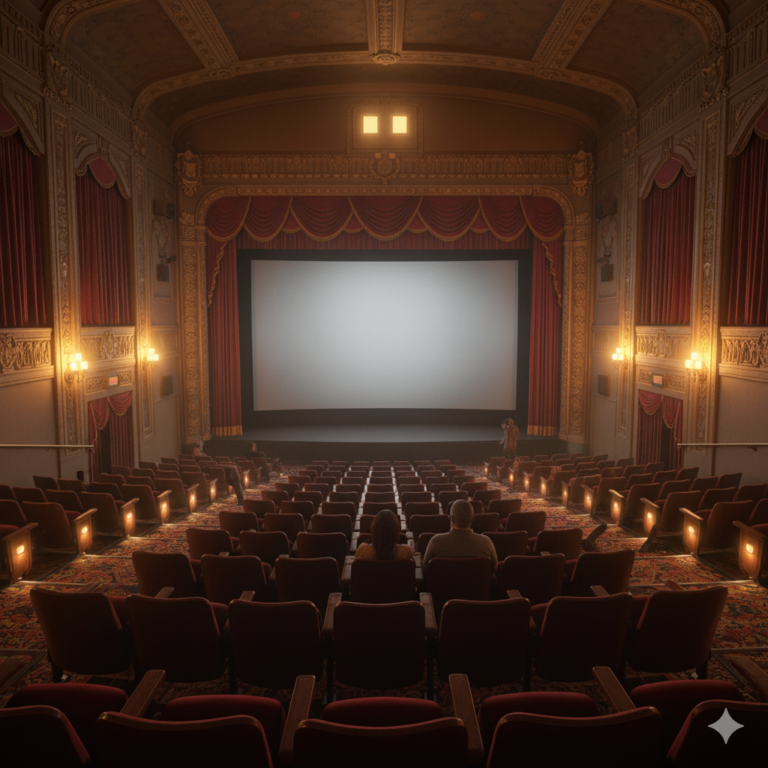
Movies that challenge your perception of reality pull you into worlds where nothing is quite what it seems. These films make you question what is real, what is a dream, or even if your own senses can be trusted, leaving you thinking long after the credits roll.
One of the most famous examples is The Matrix from 1999. In this movie, a hacker named Neo learns that the world he knows is just a computer simulation created by machines to control humans. People live in pods, their bodies used as batteries while their minds experience a fake 1990s life. Neo takes a red pill from a rebel named Morpheus, which wakes him up to the harsh truth. The film shows amazing action scenes where characters bend the rules of physics inside the Matrix, like stopping bullets or flying. It asks big questions: How do you know what is real? If your life feels normal but it is all a lie, does that change everything? The Matrix mixes philosophy with cool effects, drawing from ideas like Plato’s cave, where prisoners mistake shadows for reality. Viewers left theaters debating if our own world could be simulated, especially as technology like virtual reality grew.
Building on that idea, Minority Report from 2002 takes it to a future where crime is stopped before it happens. Directed by Steven Spielberg, the story is set in 2054. A special police unit called Precrime uses three people with psychic powers, known as precogs, to see murders before they occur. Tom Cruise plays John Anderton, the head of Precrime, who gets predicted as the next killer. He must run and prove his innocence while uncovering flaws in the system. The movie shows a realistic future with gadgets like gesture-controlled screens and automated cars that feel possible today. The precogs’ visions come as blurry, dreamlike clips that officers piece together, making you wonder if predictions can ever be certain. What if free will does not exist and your future is already set? Spielberg used long camera takes and shadowy lighting to build a tense, noir feel, blurring lines between justice and control. It challenges how much we trust technology to define guilt.
David Fincher’s Zodiac from 2007 dives into real uncertainty through a true crime story. The film follows the hunt for the Zodiac Killer, who taunted police and newspapers in the late 1960s and 1970s. A different actor plays the killer each time he appears on screen, on purpose, to show how eyewitness accounts conflict and the man’s identity stays unknown. This choice makes reality slippery, as investigators obsess over clues that lead nowhere. The movie spans decades, with detailed scenes of police work, amateur sleuthing by a cartoonist, and endless frustration. Fincher’s cold lighting and gliding camera create a sense of unease, like reality itself is unreliable. It questions memory and truth: Can we ever know what really happened if evidence fails us? The long runtime keeps you gripped, showing how obsession warps perception.
Fight Club, also by Fincher in 1999, turns everyday life into madness. An unnamed narrator, played by Edward Norton, hates his boring job and buys stuff to feel better. He meets Tyler Durden, a wild soap salesman played by Brad Pitt, who starts an underground fight club. It grows into a bigger rebellion against consumer culture. The twist reveals Tyler as the narrator’s alter ego, a split personality born from insomnia and anger. Scenes mix dream logic with brutal fights, making you doubt what parts happened for real. The film critiques how society pushes men into numb lives, leading to self-destruction. Its raw dialogue and fast cuts challenge your view of sanity, asking if rebellion is freedom or just another illusion.
Inception from 2010, directed by Christopher Nolan, goes deeper into dreams. Leonardo DiCaprio plays Dom Cobb, a thief who enters dreams to steal secrets. He gets a job to plant an idea instead, using layers of dreams within dreams. Time stretches in deeper levels, so minutes become years. The team uses spinning tops and zero-gravity fights to navigate this world. The ending leaves a top spinning, unsure if the final scene is a dream or reality. Nolan builds tension with practical effects and massive sets, making the impossible feel tangible. It explores grief and guilt, as Cobb haunts his dead wife in dreams. Questions linger: How do you escape your mind if it traps you? The film makes you rethink sleep and subconscious thoughts.
Another Nolan gem, Memento from 2000, messes with time and memory. Guy Pearce plays Leonard Shelby, who has short-term memory loss after his wife’s murder. He tattoos clues on his body and takes Polaroids to hunt the killer. The story unfolds backward, with black-and-white scenes filling gaps. You piece together events like Leonard does, realizing his notes might lie. It shows how revenge blinds us, turning facts into whatever we need them to be. The fractured structure mirrors his broken mind, forcing viewers to question sequence and truth. Simple choices, like color versus monochrome, heighten the confusion, proving reality depends on how you remember it.
The Truman Show from 1998 stars Jim Carrey as Truman Burbank, who lives in a perfect town called Seahaven. Unbeknownst to him, it is all a massive TV set, broadcast live since his birth. His family and friends are actors, controlled by a creator named Christof. Truman starts noticing glitches, like a falling spotlight from the sky or a boat hitting an invisible wall. He escapes by sailing into a fake storm. The film uses hidden cameras and wide shots to mimic reality TV, ahead of its boom. It warns about media shaping our lives and questions privacy: What if your whole existence is watched and scripted? Truman’s awakening feels triumphant, challenging us to spot our own artificial worlds.
Shutter Island from 2010, directed by Martin Scorsese, traps you in a mental asylum mystery. Leonardo DiCaprio plays Teddy Daniels, a U.S. Marshal investigating a patient’s disappearance on the island. Storms cut them off, and staff act strange. Flashbacks reveal trauma from losing his wife in a fire. The twist flips everything: Teddy is really Andrew Laeddis, a patient role-playing to cope with killing his schizophrenic wife after she drowned their kids. The island doctors stage events to jolt him into reality. Water motifs and eerie architecture blur sanity and delusion. It asks if a comforting lie beats painful truth, making you replay clues for missed hints.
Eternal Sunshine of the Spotless Mind from 2004 offers a heartbreaking take. Jim Carrey and Kate Winslet play Joel and Clementine, who erase memories of their failed relationship after a clinic procedure. Joel changes his mind mid-process and wanders his mind to save key moments. Scenes rewind chaotically, with childhood beaches crumbling and doctors chasing him. Michel Gondry’s handmade effects make the brain feel alive and messy. It shows love as flawed memory, questioning if forgetting pain is worth losing joy. The ending loops back, suggesting they meet again, unaware but drawn together. Reality here is emotional, rebuilt from fragments.
Primer from 2004 is a low-budget time travel puzzle that demands rewatches. Two engineers accidentally invent a time machine in their garage. It lets them go back hours, but paradoxes pile up. Names overlap as multiple versions of themselves interac