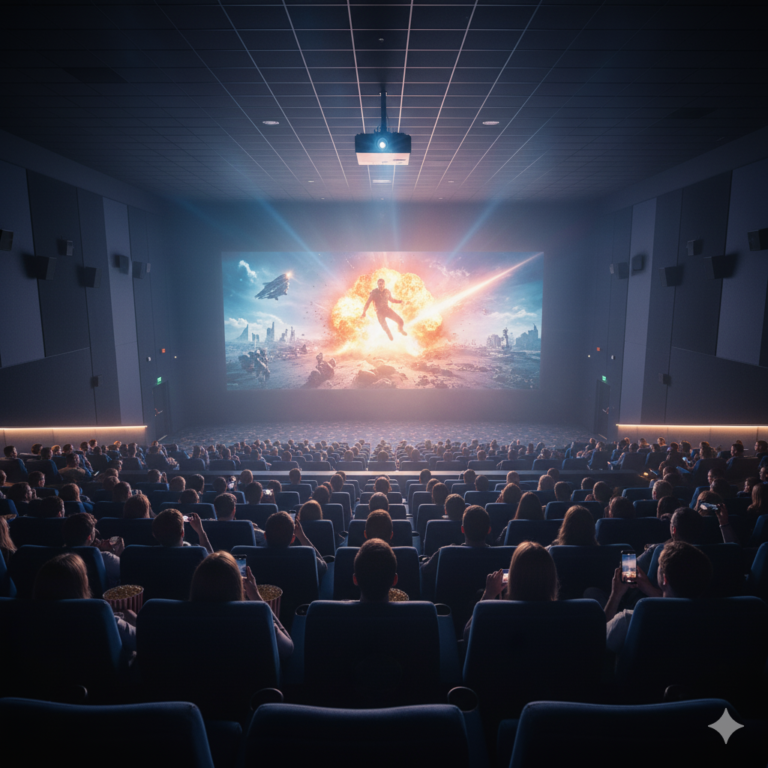
The landscape of upcoming cult classics reimagined in 2025 represents a fascinating intersection of nostalgia, modern filmmaking technology, and evolving audience expectations. Studios and independent filmmakers alike have recognized that beloved films from decades past carry built-in audiences while offering opportunities to introduce these stories to entirely new generations. This year marks a particularly significant moment in the reimagining trend, with several high-profile projects attempting to recapture the magic of films that earned their devoted followings through midnight screenings, home video discoveries, and word-of-mouth enthusiasm rather than box office dominance. The cultural significance of remaking cult films differs substantially from rebooting mainstream blockbusters.
Cult classics earned their status precisely because they defied conventional Hollywood formulas, appealed to niche audiences, or arrived ahead of their time. When filmmakers announce plans to reimagine these properties, they face unique challenges: how do you modernize a film whose appeal often lies in its raw, unpolished qualities or its specific cultural moment? The answer varies dramatically depending on the project, the creative team involved, and the approach taken””whether faithful recreation, radical reinterpretation, or something in between. By the end of this article, readers will understand which cult properties are receiving the remake treatment in 2025, the creative philosophies guiding these productions, and the broader implications for cinema’s relationship with its own history. The analysis covers everything from major studio releases to independent productions, examining why certain films were selected for reimagining and what audiences can reasonably expect from these ambitious projects.
Table of Contents
- What Makes a Film a Cult Classic Worth Reimagining in 2025?
- Major Cult Classic Remakes Arriving in 2025
- Creative Approaches to Reimagining Beloved Cult Films
- How Studios Market Reimagined Cult Classics to New Audiences
- Challenges and Controversies Surrounding 2025’s Cult Reimaginings
- The Future of Cult Classic Reimaginings Beyond 2025
- How to Prepare
- How to Apply This
- Expert Tips
- Conclusion
- Frequently Asked Questions
What Makes a Film a Cult Classic Worth Reimagining in 2025?
Understanding why specific cult films become candidates for reimagining requires examining what originally elevated them to cult status. Unlike conventional hits that find immediate mainstream success, cult classics typically build their audiences over extended periods through alternative distribution channels. Films like “Donnie Darko,” “The Warriors,” and “Videodrome” found their devoted audiences through late-night cable broadcasts, video store discoveries, and revival theater screenings. This organic growth creates passionate fan bases who feel genuine ownership over these properties””a dynamic that both attracts and complicates remake efforts. The selection process for 2025’s reimagined cult classics reveals several patterns in how studios evaluate potential projects. Properties with strong visual identities, quotable dialogue, and concepts that translate across eras tend to attract the most interest.
Name recognition matters, but not in the same way it does for superhero franchises or established blockbuster series. Studios seek titles that trigger immediate recognition among cinephiles and horror enthusiasts while remaining obscure enough to feel fresh to general audiences. This balance explains why we’re seeing remakes of films from the 1980s and 1990s rather than more recent cult hits””there’s sufficient temporal distance for nostalgia without the original feeling too recent. The economic calculation behind reimagining cult classics in 2025 involves relatively modest budgets compared to franchise tentpoles, combined with pre-existing intellectual property value and built-in marketing through fan communities. A cult remake budgeted at $30-50 million faces different success metrics than a $200 million blockbuster, allowing for more creative risk-taking while still offering meaningful profit potential. Key factors driving selection include:.
- Pre-existing passionate fan communities who will generate organic publicity
- Concepts that resonate with contemporary social or political themes
- Visual or narrative elements that benefit from modern filmmaking technology
- Original films whose rights are available at reasonable acquisition costs

Major Cult Classic Remakes Arriving in 2025
Several high-profile cult classic reimaginings have entered production or post-production with 2025 release dates. The most discussed project remains the new interpretation of “They Live,” John Carpenter’s 1988 science fiction satire about hidden alien control of humanity through subliminal advertising. The original film’s themes of media manipulation, economic inequality, and hidden power structures have only grown more relevant, making it a natural candidate for contemporary reexamination. The 2025 version reportedly updates the consumerism critique for the social media age while maintaining the original’s genre-blending approach of action, horror, and dark comedy. The long-gestating “Suspiria” follow-up project, distinct from Luca Guadagnino’s 2018 reimagining, takes inspiration from other Dario Argento works while crafting an original narrative in the same aesthetic universe.
Meanwhile, “Re-Animator” receives its first official studio remake since Stuart Gordon’s 1985 original, with the production team promising practical effects work honoring the original’s gleefully excessive gore while expanding the Lovecraftian mythology. The “Phantasm” property also sees new life through a streaming platform original that functions as both sequel and soft reboot, acknowledging the original series while creating an entry point for uninitiated viewers. Independent productions offer their own cult reimaginings outside the studio system. A crowdfunded “Hardware” update from original director Richard Stanley brings his vision of a post-apocalyptic killer robot story into the climate crisis era. The ambitious “Society” remake trades Brian Yuzna’s Beverly Hills setting for a contemporary tech billionaire enclave, maintaining the body horror while updating the class warfare satire. Notable 2025 cult reimaginings include:.
- “They Live” – Social media-era update of Carpenter’s anti-consumerism classic
- “Re-Animator” – Studio-backed return to Lovecraftian medical horror
- “Hardware” – Director-driven crowdfunded science fiction remake
- “Society” – Silicon Valley-set body horror class satire
Creative Approaches to Reimagining Beloved Cult Films
filmmakers tackling cult classic remakes in 2025 have adopted distinctly different philosophies regarding fidelity to source material. The spectrum ranges from near-shot-for-shot recreations updated primarily through technical improvements to radical reimaginings that retain only basic premises while transforming tone, setting, and thematic focus. Neither approach guarantees success, as demonstrated by the mixed receptions to both faithful and transformative remakes over the past decade. The most critically successful cult remakes tend to find middle ground””respecting what made the original special while bringing genuinely new perspectives. The “They Live” reimagining exemplifies the thematic update approach. Rather than simply transplanting the original’s Reagan-era critique into a contemporary setting, the creative team reportedly spent considerable time identifying which specific aspects of modern life parallel the original’s concerns about hidden control systems.
The result addresses algorithmic manipulation, data harvesting, and attention economy exploitation through the lens of Carpenter’s original alien infiltration concept. This method requires deep engagement with both the original film’s intent and contemporary cultural anxieties, avoiding the trap of superficial updates that change surface details while missing underlying themes. Practical effects have become a significant creative battleground in 2025’s cult remakes. Many original cult classics earned devotion partly through inventive practical effects work that digital technology could easily but controversially replace. Productions like “Re-Animator” and “Society” have publicly committed to practical effects-first approaches, recognizing that the tactile quality of physical effects contributes substantially to these films’ appeal. The approach involves:.
- Hiring practical effects artists with connections to original productions
- Using digital effects only for enhancement rather than replacement
- Preserving the handmade quality that distinguished original films

How Studios Market Reimagined Cult Classics to New Audiences
Marketing cult classic remakes presents unique challenges that 2025’s studios have approached with increasingly sophisticated strategies. The core dilemma involves reaching devoted fans of original films””who require reassurance about respectful treatment””while simultaneously attracting younger viewers unfamiliar with the source material. Traditional marketing that emphasizes remake status can alienate both groups: fans may feel their beloved property is being exploited, while new audiences might assume the film isn’t meant for them. Several 2025 productions have adopted what industry observers call “stealth remake” marketing, initially promoting films on their own merits without emphasizing connections to original properties. This approach allows audiences to engage with remakes as standalone works before discovering the remake context through deeper engagement or post-viewing research.
The “Hardware” campaign exemplifies this strategy, leading with striking visual imagery and climate crisis themes rather than explicit references to the 1990 original. Only in targeted marketing to horror communities does the campaign foreground the remake status and Richard Stanley’s return. Streaming platforms have developed their own approaches to launching reimagined cult properties, leveraging their ability to surface original films alongside new versions. When a remake debuts, platform algorithms can recommend the original to viewers who respond positively, creating bidirectional traffic that serves both properties. Marketing strategies in 2025 include:.
- Staged revelation campaigns that build intrigue before confirming remake status
- Dual-track marketing addressing fans and general audiences separately
- Platform bundling that packages remakes with newly licensed originals
- Social media strategies engaging fan communities as marketing partners
Challenges and Controversies Surrounding 2025’s Cult Reimaginings
The announcement of each cult classic remake inevitably triggers controversy within fan communities, and 2025’s slate has been no exception. The “They Live” remake faced immediate backlash from fans arguing that John Carpenter’s original remains so perfectly constructed that any remake constitutes artistic hubris. Similar responses greeted announcements for “Re-Animator” and “Society,” with online discourse often framing remakes as corporate cynicism exploiting beloved properties rather than legitimate artistic endeavors. These responses reflect genuine emotional investment in original films while sometimes overlooking that remakes can coexist with rather than replace their sources. Beyond fan controversy, several 2025 productions have encountered practical challenges during development. Rights disputes delayed the “Phantasm” project for years as various parties claimed ownership stakes in the franchise.
The “Society” remake faced casting controversies when initial announcements suggested a significantly different demographic approach than fans expected. Production challenges on “They Live” included significant script rewrites following early negative test screenings that found the social media critique too heavy-handed. These obstacles illustrate how cult remakes face heightened scrutiny at every stage. The broader industry debate about remake culture has intensified around 2025’s cult classic slate. Critics argue that Hollywood’s increasing reliance on existing intellectual property stifles original filmmaking and reflects creative exhaustion. Defenders counter that adaptation and reimagining have always been fundamental to storytelling across all media, and that well-executed remakes can illuminate both original works and contemporary contexts. Recurring challenges include:.
- Managing fan expectations while serving general audiences
- Balancing fidelity to source material with creative freshness
- Navigating rights issues with properties that changed hands multiple times
- Addressing accusations of creative bankruptcy in the broader industry

The Future of Cult Classic Reimaginings Beyond 2025
The reception of 2025’s cult classic remakes will significantly influence which properties receive similar treatment in coming years. Industry analysts have identified extensive lists of potential remake candidates currently in various development stages, with properties ranging from obscure 1970s exploitation films to 1990s direct-to-video horror. The economic performance of this year’s releases will determine which of these projects advance beyond development limbo into actual production.
Emerging technologies may reshape how future cult classics are reimagined. Several studios have explored using AI tools to analyze what specific elements made original cult films resonate, attempting to identify patterns that could guide remake approaches. More controversially, some projects have considered using digital recreation technology to incorporate elements of deceased performers from original films into new productions. These technological possibilities raise substantial ethical questions that the industry has yet to fully address, potentially creating new categories of controversy around future reimaginings.
How to Prepare
- **Seek out original films through legitimate channels** – Many cult classics have recently received restored Blu-ray releases or appeared on specialty streaming platforms like Shudder, Criterion Channel, or Tubi. Watching properly restored versions rather than degraded copies provides the best foundation for comparison.
- **Research the production history of original films** – Understanding the constraints, accidents, and creative decisions that shaped original cult classics illuminates why certain elements became iconic. Documentary supplements included with physical media releases often provide this context directly from filmmakers.
- **Engage with existing fan communities thoughtfully** – Reddit communities, dedicated forums, and social media groups devoted to specific cult films offer perspectives from viewers who have spent years analyzing these works. Approaching these communities with genuine curiosity rather than surface-level engagement yields deeper understanding.
- **Read contemporary reviews of original releases** – Seeking out how critics responded to cult classics upon original release reveals which elements were immediately recognized versus which developed appreciation over time. This historical context helps calibrate expectations for how remakes might be received.
- **Explore the filmographies of directors attached to remakes** – Understanding what previous work remake directors have produced indicates their likely approaches to source material. A director known for faithful adaptations will likely treat cult properties differently than one known for radical reinterpretations.
How to Apply This
- **Create viewing schedules that pair original films with remake releases** – Plan to watch or rewatch original cult classics in the weeks before their remakes debut, allowing time for reflection on what specifically makes each film effective and worth preserving in new versions.
- **Approach remakes as separate artistic works first** – Resist the urge to compare constantly during initial viewings. Experience remakes on their own terms before analyzing how they relate to source material, allowing each work to create its own impressions.
- **Participate constructively in post-viewing discussions** – Online discourse about cult remakes often devolves into dismissive criticism or defensive praise. Contributing thoughtful analysis about what specific choices worked or didn’t work elevates these conversations and provides useful feedback that can reach creative teams.
- **Support physical media releases of both originals and remakes** – The cult film ecosystem depends on continued investment in distribution formats that preserve these works for future audiences. Purchasing Blu-ray releases, attending theatrical screenings, and subscribing to specialty streaming services sustains the infrastructure that makes cult film culture possible.
Expert Tips
- **Watch original cult classics with awareness of their specific historical moments** – Understanding the Reagan-era context of “They Live” or the AIDS crisis subtext of 1980s body horror fundamentally changes how these films read, and this awareness helps evaluate whether remakes successfully translate these concerns to contemporary contexts.
- **Pay attention to practical effects work in both originals and remakes** – The tactile quality of physical effects creates visceral responses that digital effects often cannot replicate. Noticing how remakes handle this challenge reveals production priorities and respect for source material.
- **Seek out director and writer commentary on remake approaches** – Filmmakers working on cult remakes often give revealing interviews about their intentions and challenges. These firsthand accounts provide insight that cannot be gleaned from finished products alone.
- **Consider economic contexts shaping both original and remake productions** – Budget constraints often forced creative solutions in original cult films that became defining characteristics. Understanding how different economic circumstances shape remakes illuminates why certain choices were made.
- **Maintain openness to remakes that significantly diverge from originals** – Some of the most successful cult remakes, like David Cronenberg’s “The Fly,” radically transformed their source material rather than faithfully recreating it. Dismissing all significant changes as betrayals closes off appreciation for legitimate artistic reinterpretation.
Conclusion
The 2025 slate of reimagined cult classics represents a significant test case for how the film industry engages with its own history. These productions must navigate competing pressures from devoted fan communities, general audiences unfamiliar with source material, and industry economics that increasingly favor known properties over original concepts. The filmmakers tackling these projects face the substantial challenge of honoring what made original films special while justifying their remakes’ existence through genuine artistic contribution. Success requires more than technical polish applied to familiar stories””it demands deep engagement with why these particular films earned passionate audiences in the first place.
Whether 2025’s cult remakes achieve lasting relevance or fade as forgettable exercises in corporate nostalgia exploitation will depend on factors both within and beyond filmmakers’ control. Reception will be shaped by the quality of final products, the cultural moment of their release, and audience willingness to engage with reinterpretations of beloved works. Regardless of individual outcomes, the trend toward reimagining cult classics reflects cinema’s ongoing conversation with its past and audiences’ apparently inexhaustible appetite for stories that resonate across generations. Viewers approaching these releases with informed perspectives and open minds will find much to consider about how films gain meaning, how that meaning evolves, and what happens when new artists attempt to capture lightning in a bottle a second time.
Frequently Asked Questions
How long does it typically take to see results?
Results vary depending on individual circumstances, but most people begin to see meaningful progress within 4-8 weeks of consistent effort.
Is this approach suitable for beginners?
Yes, this approach works well for beginners when implemented gradually. Starting with the fundamentals leads to better long-term results.
What are the most common mistakes to avoid?
The most common mistakes include rushing the process, skipping foundational steps, and failing to track progress.
How can I measure my progress effectively?
Set specific, measurable goals at the outset and track relevant metrics regularly. Keep a journal to document your journey.