- 20 Unique Settings: Table of Contents
- Why Do Unique Settings Matter for Independent Horror Films?
- Abandoned Industrial Spaces and Their Horror Potential
- Domestic Spaces Transformed Into Horror Locations
- Natural Environments as Characters in Independent Horror
- Institutional Settings and Their Built-In Horror Elements
- Emerging and Unconventional Settings in Modern Independent Horror
- How to Prepare
- How to Apply This
- Expert Tips
- Frequently Asked Questions
- You Might Also Like
Independent horror films have long distinguished themselves from studio productions through their creative use of unique settings, transforming ordinary locations into landscapes of dread that linger in viewers’ minds long after the credits roll.
While major studios often rely on familiar haunted houses and dark forests, indie filmmakers working with limited budgets have discovered that atmosphere and location can become characters themselves, amplifying tension without requiring expensive special effects or elaborate set pieces.
The exploration of 20 unique settings for independent horrors reveals how resourceful directors uses unconventional spaces to craft genuinely unsettling experiences that mainstream cinema rarely attempts. The question of setting in horror extends far beyond mere backdrop.
Location fundamentally shapes narrative possibility, determining what kinds of threats can emerge, how characters become trapped, and what psychological pressures build throughout the story. Independent horror directors often choose settings that carry inherent unease””places where isolation, claustrophobia, or historical weight already exist before any supernatural or human menace enters the frame.
These choices address a central challenge facing low-budget filmmakers: how to create genuine fear without relying on expensive CGI creatures or elaborate gore effects.
By the end of this exploration, readers will understand why certain unconventional locations have proven so effective for independent horror, how filmmakers have maximized limited resources through clever setting choices, and which emerging location trends are reshaping the genre.
From abandoned industrial spaces to mundane domestic environments twisted into nightmarish territory, these 20 settings demonstrate that imagination and atmosphere consistently triumph over budget constraints in creating memorable horror experiences.
20 Unique Settings: Table of Contents
- Why Do Unique Settings Matter for Independent Horror Films?
- Abandoned Industrial Spaces and Their Horror Potential
- Domestic Spaces Transformed Into Horror Locations
- Natural Environments as Characters in Independent Horror
- Institutional Settings and Their Built-In Horror Elements
- Emerging and Unconventional Settings in Modern Independent Horror
- How to Prepare
- How to Apply This
- Expert Tips
- Frequently Asked Questions
Why Do Unique Settings Matter for Independent Horror Films?
Setting operates as the silent architect of horror, establishing rules, limitations, and possibilities before a single scare occurs. For independent productions operating with budgets often under one million dollars, location selection becomes a strategic decision that can determine whether a film achieves effective tension or falls flat.
Unique settings provide production value that money cannot easily replicate””the authentic wear of a century-old building, the genuine isolation of a remote location, or the unsettling sterility of industrial architecture all translate directly to screen presence without requiring significant investment.
The psychological dimension of setting choice extends into viewer psychology in profound ways. Familiar locations twisted into horror contexts tap into primal fears more effectively than fantastic environments because audiences can imagine themselves in these spaces.
A laundromat at 3 AM, an empty parking structure, or a rural gas station all carry ambient unease that filmmakers can exploit. Independent horror succeeds when it makes audiences reconsider spaces they encounter in daily life, planting seeds of discomfort that grow beyond the viewing experience itself.
- Practical budget considerations make single-location or limited-location films more feasible for indie productions
- Unusual settings differentiate independent horror from formulaic studio releases competing for audience attention
- Location-specific horror creates marketing hooks and memorable identity that help films stand out in crowded streaming catalogs
Abandoned Industrial Spaces and Their Horror Potential
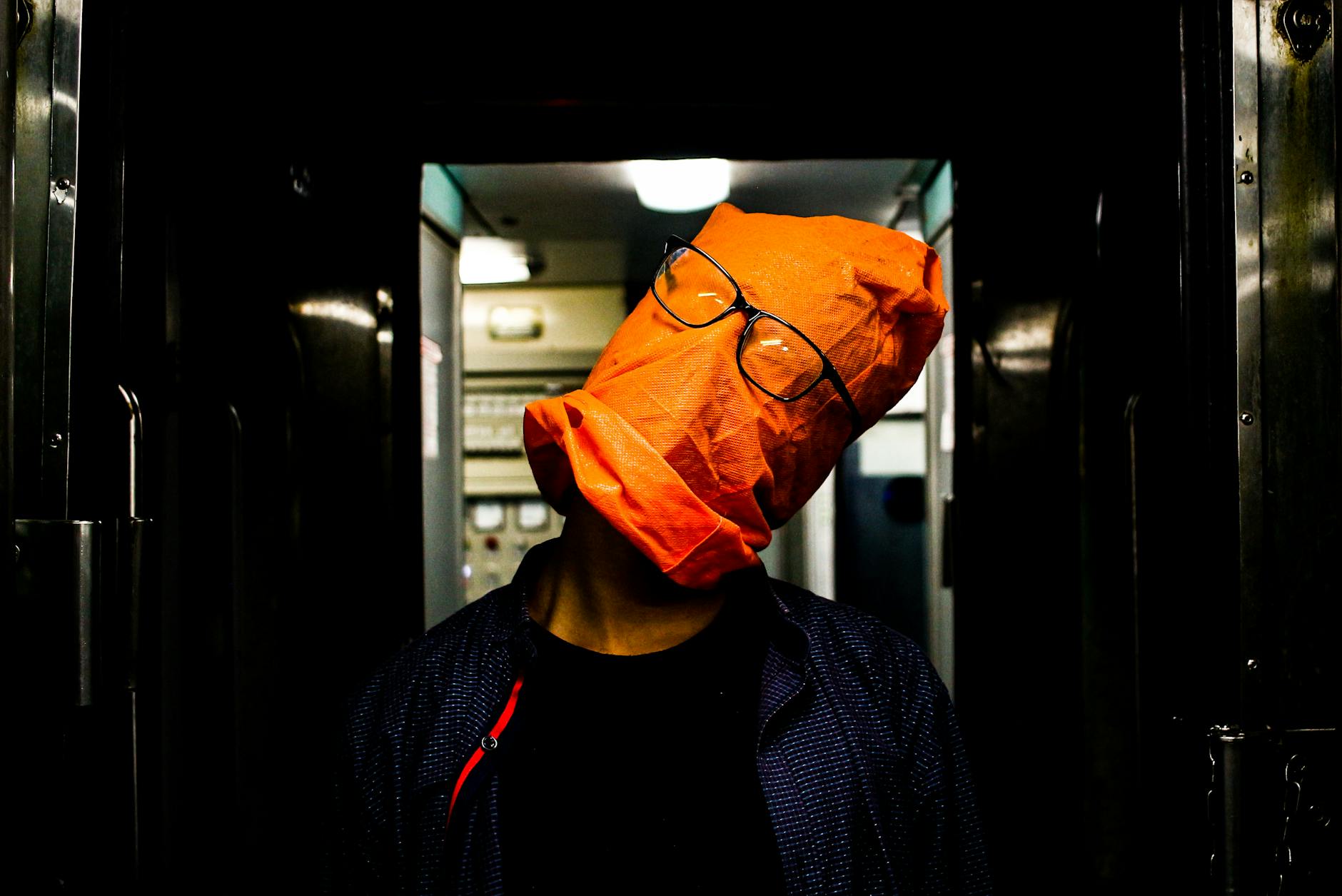
Industrial locations””factories, warehouses, processing plants, and manufacturing facilities””offer independent horror filmmakers vast, architecturally complex environments that photograph with inherent menace. These spaces combine scale with neglect, presenting rusted machinery, chemical stains, unexplained infrastructure, and the accumulated evidence of human labor now absent.
Films like “Session 9” demonstrated how an abandoned asbestos removal site could generate sustained dread through architecture alone, its maze-like corridors and institutional decay suggesting institutional horrors without explicit revelation.
The industrial setting carries historical weight that filmmakers can invoke implicitly or explicitly. Factories represent sites where workers suffered injuries, exploitation, and dehumanization throughout the industrial era.
This embedded history provides thematic resonance for horror narratives exploring class, labor, and the costs of progress.
Abandoned industrial spaces also offer practical advantages: their owners often welcome film productions as they generate income from otherwise unusable properties, and their existing infrastructure””electrical systems, loading docks, multiple access points””simplifies production logistics.
- Factories and warehouses provide extensive square footage allowing complex blocking and chase sequences
- Industrial decay creates production design through existing conditions rather than constructed sets
- The sounds of industrial spaces””echoes, mechanical groans, distant clangs””enhance audio atmosphere with minimal post-production
Domestic Spaces Transformed Into Horror Locations
Some of the most effective independent horrors invert expectations by locating terror within ostensibly safe domestic environments. The family home, apartment, or suburban house represents security in most narratives, making its transformation into a horror setting particularly violating.
Films like “The Invitation” trap viewers alongside characters in a dinner party gone wrong, while “Hush” converts an isolated home into a siege location. These settings require minimal location costs while maximizing psychological impact through their violation of domestic sanctuary.
The domestic horror setting forces intimacy between characters and audiences. Without vast spaces to explore, the camera must focus on human interactions, facial expressions, and the small details that suggest wrongness beneath surface normalcy.
This constraint suits independent productions, where performance and writing must compensate for spectacle limitations. Kitchen knives, household chemicals, stairwells, basements, and attics all become potential horror elements when the home itself turns hostile.
- Single-house locations reduce production complexity and expense significantly
- Domestic settings allow horror to emerge from relationship dynamics rather than external threats
- The violation of home security resonates with universal fears about vulnerability in supposedly safe spaces
Natural Environments as Characters in Independent Horror
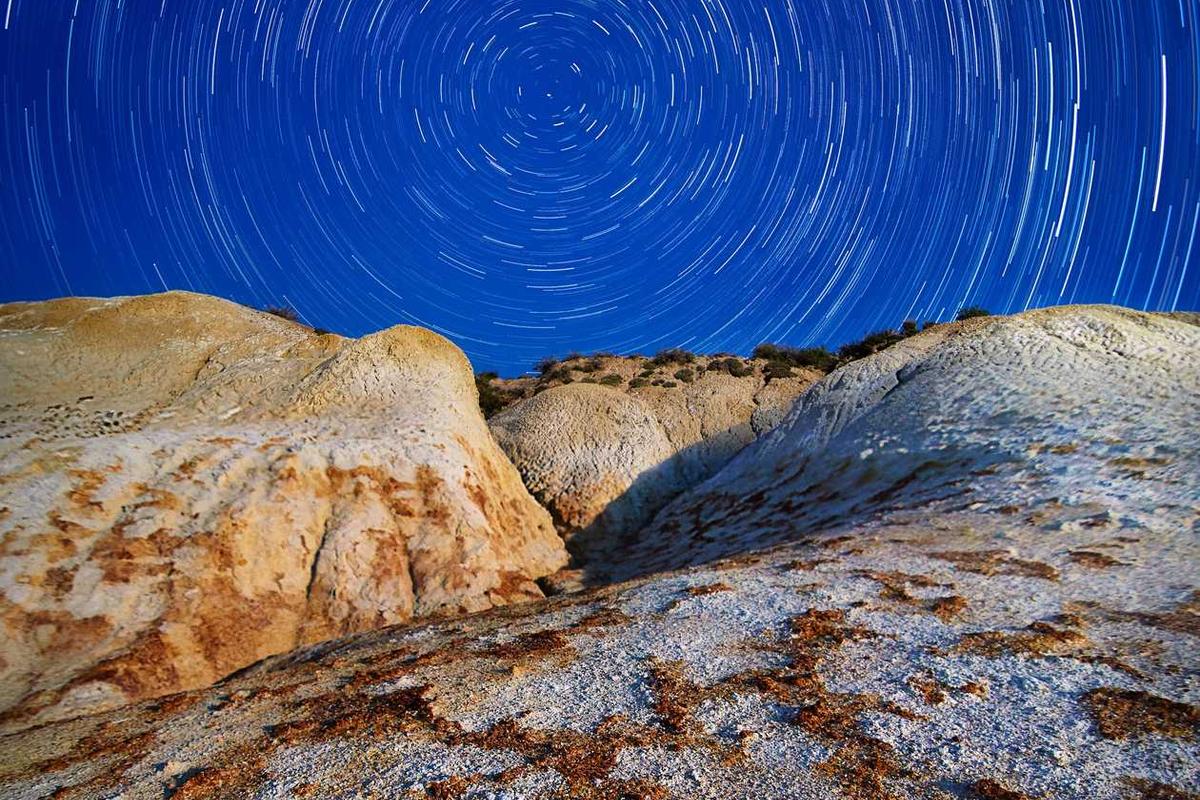
Wilderness horror has deep roots in the genre, but independent filmmakers have pushed beyond generic forest settings to explore specific natural environments with unique characteristics. Desert horror exploits vast emptiness and survival stakes, as seen in films like “Southbound” and “The Hills Have Eyes” remake.
Swamp and bayou settings combine isolation with environmental hostility, where the landscape itself threatens characters through quicksand, wildlife, and disorientation.
Cave systems offer underground horror with genuine claustrophobic pressure, exemplified by “The Descent.” Water-based settings present particular challenges and opportunities for independent horror. Open ocean scenarios trap characters completely while requiring significant technical resources, though smaller-scale approaches””isolated lakes, flooded structures, coastal locations during storms””can achieve similar effects economically.
The natural world provides endless variation for horror settings, from arctic isolation to volcanic islands, each carrying distinct visual identities and survival pressures that shape narrative possibility.
- Desert locations offer stark visual contrast and genuine physical discomfort that translates to screen
- Underground settings like caves and mines provide complete darkness and spatial disorientation
- Coastal and maritime environments combine isolation with elemental threat from weather and water
Institutional Settings and Their Built-In Horror Elements
Institutional architecture””hospitals, asylums, prisons, schools, and government buildings””carries inherent authority structures and power dynamics that horror narratives can exploit. These buildings were designed to control populations, process individuals, and enforce compliance, purposes that translate disturbingly well to horror contexts.
The abandoned asylum has become perhaps overused, but institutional settings remain effective when filmmakers engage with their specific histories and architectural logics rather than treating them as generic spooky backdrops.
Schools and universities offer particular resonance for horror because most viewers have personal experience with these environments. The empty hallways, locker-lined corridors, gymnasium spaces, and administrative offices of educational institutions carry nostalgic familiarity that horror can twist into menace.
Night-set school horror exploits the uncanny quality of seeing familiar daytime spaces transformed by darkness and emptiness. Similarly, hospital settings tap into universal anxieties about medical vulnerability, bodily invasion, and institutional power over individuals at their most helpless.
- Institutional buildings provide existing infrastructure including power, multiple rooms, and complex floor plans
- Authority dynamics built into institutional design create ready-made power imbalances for horror narratives
- Historical institutional abuses provide thematic material for period or supernatural horror explorations
Emerging and Unconventional Settings in Modern Independent Horror
Contemporary independent horror continues pushing into unexpected territory, finding fear in locations previous generations might never have considered. Data centers, server farms, and tech company campuses have appeared in recent horror exploring digital-age anxieties. Fulfillment warehouses and logistics centers””the infrastructure of online commerce””present dehumanizing scale and automation that filmmakers are beginning to explore.
Even seemingly mundane locations like storage facilities, self-service car washes, and big-box retail stores after closing have provided settings for effective independent horror.
Virtual and liminal spaces represent another frontier for indie horror settings. Films set partially or entirely within video games, social media platforms, or internet spaces address contemporary anxieties about digital existence and online threat.
Transitional spaces””airports, bus stations, highway rest stops, motels””tap into the vulnerability of travel and the anonymity of spaces designed for passing through rather than inhabiting. These contemporary settings ensure that independent horror remains relevant to current audience fears rather than recycling historical anxieties.
- Transit infrastructure including airports, train stations, and highway rest stops offers liminal horror potential
- Commercial spaces like malls, big-box stores, and warehouses can be accessed for filming during off-hours
- Digital and virtual settings allow micro-budget productions to create horror with minimal physical location requirements
How to Prepare
- **Location scouting with horror-specific criteria** demands evaluating spaces not just for visual appeal but for acoustic properties, existing light conditions, and how architecture shapes movement and sightlines. Document potential locations extensively with photos and video, noting how spaces change between day and night, how sound travels through different areas, and what practical challenges exist regarding power access, parking, and equipment transport.
- **Securing permissions and insurance** for unconventional locations often requires creative negotiation. Abandoned buildings may have unclear ownership requiring title searches, while active businesses need liability assurances and scheduling accommodations. Build relationships with location owners by demonstrating professionalism through detailed location agreements, proof of insurance, and clear communication about crew size, equipment, and intended activities.
- **Safety assessment for unconventional spaces** must precede any production commitment. Abandoned industrial locations may contain asbestos, unstable structures, chemical contamination, or other hazards requiring professional evaluation. Budget for safety equipment, structural assessments, and potentially remediation before assuming a location is usable.
- **Technical evaluation of location limitations** should identify electrical capacity, cell signal availability for emergency communication, distance from medical facilities, and any restrictions on modifications to the space. These factors directly impact production planning and may eliminate otherwise attractive locations.
- **Backup location identification** protects productions from disaster if primary locations become unavailable. For each unique setting, identify at least one alternative that could serve similar narrative functions with minimal script modification.
How to Apply This
- **Match setting to budget reality** by honestly assessing what locations are achievable given available resources. A script requiring an abandoned hospital means nothing if no such location exists within practical distance and budget””rewrite to match accessible locations rather than compromising execution of an unachievable vision.
- **Integrate setting into narrative organically** so that location becomes essential to the story rather than interchangeable backdrop. The best independent horrors could not occur in any other setting because their plots emerge from location-specific possibilities and constraints.
- **Maximize production value through existing conditions** by selecting settings whose current state provides atmosphere without requiring modification. Peeling paint, accumulated debris, unusual architecture, and natural decay all become assets when the camera frames them purposefully.
- **Plan shooting schedules around location access** to ensure adequate coverage of all necessary scenes. Unique settings often come with limited access windows””weekends only, nighttime only, specific date ranges””requiring efficient shooting plans that prioritize essential coverage.
Expert Tips
- Scout locations at the same time of day you plan to shoot, as lighting conditions dramatically affect how spaces read on camera and what practical lighting challenges you will face during production.
- Record ambient sound at potential locations during scouting, as acoustic properties significantly impact both dialogue recording and the atmospheric soundtrack possibilities a space offers.
- Consider how settings will function for multiple scenes by maximizing each location’s utility through varied framing, lighting changes, and set dressing modifications that allow one physical space to serve multiple narrative purposes.
- Build relationships with location owners beyond single productions, as filmmakers who demonstrate professionalism often gain access to properties that remain closed to others, creating competitive advantages for future projects.
- Document settings extensively even after securing them, as conditions can change between scouting and production””property sales, weather damage, vandalism, or cleanup efforts can alter spaces significantly.
Frequently Asked Questions
How long does it typically take to see results?
Results vary depending on individual circumstances, but most people begin to see meaningful progress within 4-8 weeks of consistent effort.
Is this approach suitable for beginners?
Yes, this approach works well for beginners when implemented gradually. Starting with the fundamentals leads to better long-term results.
What are the most common mistakes to avoid?
The most common mistakes include rushing the process, skipping foundational steps, and failing to track progress.
How can I measure my progress effectively?
Set specific, measurable goals at the outset and track relevant metrics regularly. Keep a journal to document your journey.
You Might Also Like
- ATG Ticketing Overview of Prior Class Action Lawsuits Related to Ticketing Fees and Refund Policies
- Regal Unlimited Historical Class Action Claims Involving Subscription Billing Terms and Cancellations
- Regal Cinemas Past Class Action Lawsuits Related to Ticket Fees Subscriptions and Consumer Disclosures