The history of cinema reveals that some of the most remarkable films emerge from notable collaborations between directors and actors who develop deep creative partnerships over multiple projects. These relationships transcend typical working arrangements, evolving into artistic symbioses where directors and performers anticipate each other’s instincts, challenge each other’s limits, and produce work neither could achieve alone. From the silent era to contemporary blockbusters, these partnerships have shaped the very language of filmmaking and redefined what audiences expect from motion pictures. Understanding why certain director-actor collaborations prove so fruitful illuminates fundamental truths about the filmmaking process. When a director truly understands an actor’s range, vulnerabilities, and strengths, they can craft roles that push beyond comfortable territory while still playing to innate abilities.
Conversely, actors who trust their directors implicitly often deliver career-defining performances, willing to take risks they might otherwise avoid. This mutual understanding eliminates the learning curve that typically exists at the start of new professional relationships, allowing creative energy to focus entirely on the work itself rather than establishing basic communication patterns. By examining fifteen of cinema’s most productive director-actor partnerships, readers will gain insight into how these relationships form, why they endure, and what distinguishes merely successful collaborations from truly legendary ones. The patterns that emerge reveal consistent themes: shared artistic vision, mutual respect, complementary working styles, and often profound personal friendships that sustain the professional bond. Whether you’re a film student analyzing directorial techniques, an aspiring filmmaker considering your own collaborative approaches, or simply a movie enthusiast seeking deeper appreciation for favorite films, this exploration of famous director and actor duos offers valuable perspective on the craft behind beloved cinema.
Table of Contents
- What Makes Director-Actor Collaborations Between Filmmakers and Performers So Successful?
- Legendary Actor-Director Partnerships That Defined Hollywood’s Golden Age
- Contemporary Director and Actor Duos Shaping Modern Cinema
- How Famous Filmmaker and Star Pairings Navigate Creative Challenges
- When Director-Actor Partnerships Face Public Scrutiny and Industry Pressure
- The Evolution of Actor-Director Working Relationships Across Different Genres
- How to Prepare
- How to Apply This
- Expert Tips
- Conclusion
- Frequently Asked Questions
What Makes Director-Actor Collaborations Between Filmmakers and Performers So Successful?
The most enduring director-actor partnerships share several distinguishing characteristics that separate them from ordinary working relationships. First, there exists genuine artistic alignment”both parties share fundamental beliefs about storytelling, character development, and the purpose of cinema itself. Martin Scorsese and Robert De Niro, for instance, both gravitated toward unflinching examinations of american masculinity, violence, and moral complexity. This shared interest wasn’t manufactured; it emerged organically from their respective backgrounds and artistic sensibilities, creating natural synergy when they collaborated. Trust forms the foundational element of successful repeated collaborations. Actors must feel safe exploring vulnerable emotional territory, knowing their director will protect them from appearing foolish or will use sensitive footage responsibly. Directors need confidence that their actors will commit fully to challenging material without requiring excessive hand-holding or reassurance.
This trust typically builds incrementally”a successful first project establishes baseline confidence, subsequent projects deepen it, and eventually the relationship reaches a point where significant creative risks become possible. Tim Burton and Johnny Depp developed exactly this trajectory, beginning with Edward Scissorhands and eventually reaching the point where Depp would transform himself completely for roles like Sweeney Todd, trusting Burton’s vision implicitly. Communication efficiency represents another crucial factor. Veteran collaborators develop shorthand language, understanding each other’s references and intentions without lengthy explanations. A director might offer a single word or brief image description that conveys volumes to an actor who knows their aesthetic. This efficiency proves invaluable during the time-pressured environment of film production, where shooting schedules rarely accommodate extended discussions about motivation or interpretation. Wes Anderson and Bill Murray reportedly communicate during takes using barely perceptible signals invisible to other crew members”the result of nearly two decades working together across multiple productions.
- Artistic alignment ensures both parties pursue the same storytelling goals
- Accumulated trust enables greater risk-taking with each successive project
- Communication shorthand increases efficiency and creative precision
- Shared professional history provides reference points for new challenges

Legendary Actor-Director Partnerships That Defined Hollywood’s Golden Age
The studio system era produced several iconic director-actor collaborations that established templates still referenced today. John Ford and John Wayne worked together across twenty-four films spanning nearly four decades, creating definitive Western imagery that shaped global perceptions of the American frontier. Their partnership began with Stagecoach in 1939, which transformed Wayne from a B-movie actor into a genuine star. Ford recognized qualities in Wayne that other directors had overlooked”a particular combination of physical presence, understated emotional depth, and mythic American quality that Ford channeled into characters ranging from the iconic Ethan Edwards in The Searchers to the more nuanced portrayals in later works like The Man Who Shot Liberty Valance. Alfred Hitchcock’s collaborations with various actors reveal how a singular directorial vision can elevate performers while simultaneously being shaped by their contributions.
His work with james Stewart across four films”Rope, Rear Window, The Man Who Knew Too Much, and Vertigo”pushed Stewart away from his everyman persona into darker psychological territory. Vertigo particularly benefited from Stewart’s accumulated screen presence; audiences’ familiarity with his previous roles made his character’s obsessive behavior all the more disturbing. Hitchcock similarly worked repeatedly with Cary Grant and Grace Kelly, each partnership producing distinct results that reflected the chemistry between director and performer. Howard Hawks and Humphrey Bogart created three essential films”To Have and Have Not, The Big Sleep, and Key Largo”that defined a particular strain of American masculinity: tough, laconic, morally complex yet ultimately honorable. Hawks understood that Bogart’s apparent limitations”his unconventional looks, his slight lisp, his relatively narrow range of expression”were actually strengths when properly deployed. Rather than asking Bogart to transform himself, Hawks built characters around his natural persona, allowing authenticity to carry performances that might otherwise seem mannered.
- Ford and Wayne’s collaboration spanned 24 films across four decades
- Hitchcock pushed familiar actors into unfamiliar psychological territory
- Hawks recognized that apparent limitations could become distinctive strengths
Contemporary Director and Actor Duos Shaping Modern Cinema
Modern filmmaking has produced equally significant partnerships that continue evolving with each new project. Christopher Nolan and Cillian Murphy have collaborated across six films”Batman Begins, The Dark Knight, The Dark Knight Rises, Dunkirk, Inception, and most recently Oppenheimer”with Murphy’s role expanding from supporting parts to the career-defining lead in the 2023 biographical epic. Nolan’s methodical, practical-effects-driven approach complements Murphy’s intense preparation style, and their shared Irish heritage creates cultural common ground that informs their working relationship. Oppenheimer represented the culmination of nearly two decades of collaboration, with Murphy delivering a performance many critics consider among the finest of the century. Denis Villeneuve and Timothée Chalamet began their partnership with Dune in 2021, continuing through Dune: Part Two in 2024, with future installments planned.
While younger than other partnerships discussed here, their collaboration demonstrates how modern franchise filmmaking can still produce artistically ambitious work when director and actor share genuine creative chemistry. Villeneuve’s preference for practical locations and immersive environments gives Chalamet’s naturalistic acting style appropriate context, while Chalamet’s contemporary appeal helps Villeneuve reach audiences who might otherwise avoid science fiction. Greta Gerwig and Saoirse Ronan have worked together across Lady Bird, Little Women, and likely future projects, creating a collaborative relationship that has reinvigorated literary adaptation and coming-of-age storytelling. Both artists share interest in female interiority and the specific textures of girlhood and young womanhood that mainstream cinema often treats superficially. Ronan’s ability to convey complex emotional states with minimal apparent effort aligns perfectly with Gerwig’s dialogue-heavy, character-driven approach.
- Nolan and Murphy’s collaboration culminated in Oppenheimer after 18 years of working together
- Villeneuve and Chalamet demonstrate how franchise filmmaking can support artistic ambition
- Gerwig and Ronan share specific interest in authentic female experiences onscreen
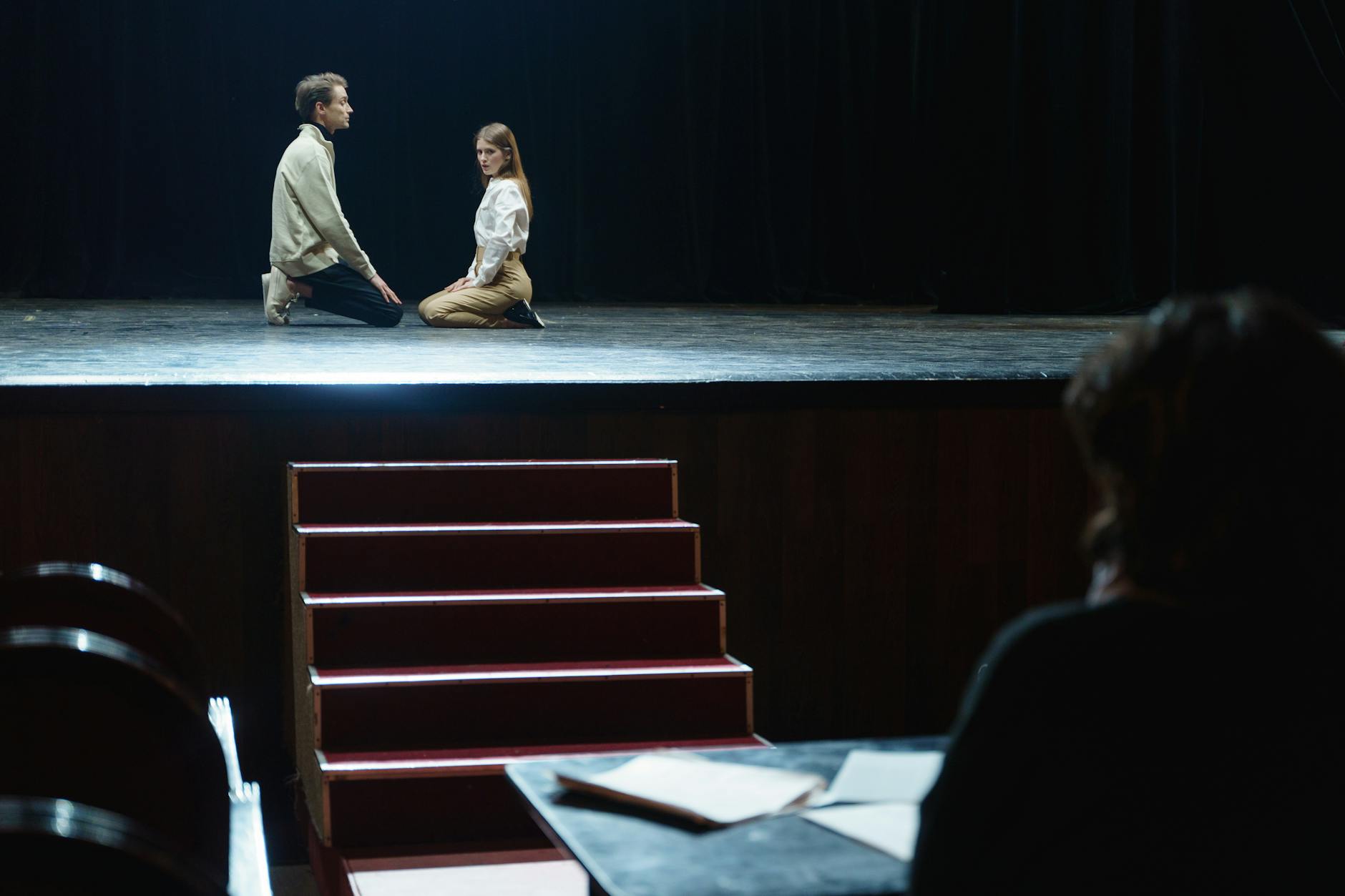
How Famous Filmmaker and Star Pairings Navigate Creative Challenges
Every significant collaboration encounters obstacles that test the partnership’s resilience. Budget constraints, studio interference, personal conflicts, and creative disagreements all threaten to derail even the strongest working relationships. Examining how famous pairings navigate these challenges reveals strategies applicable to creative partnerships generally. Quentin Tarantino and Samuel L. Jackson have maintained their collaboration across seven films despite significant creative tensions that both parties acknowledge publicly. Jackson has described disagreements about character choices and dialogue interpretation, but the resolution process strengthens rather than weakens subsequent work.
Both artists approach conflict as necessary friction that produces better results than comfortable agreement. This willingness to argue”while maintaining underlying respect”characterizes many successful long-term collaborations. The key lies in separating artistic disagreement from personal conflict, remaining committed to the project’s success even when specific choices provoke debate. Steven Spielberg and Tom Hanks have worked together across six films including Saving Private Ryan, Catch Me If You Can, The Terminal, Bridge of Spies, and The Post, navigating the particular challenge of two strong creative voices finding collaborative balance. Both are established enough to impose their vision on projects, yet their partnership thrives because each recognizes what the other contributes. Spielberg appreciates Hanks’s reliability, emotional accessibility, and audience trust; Hanks values Spielberg’s technical mastery and ability to frame performances within spectacular visual contexts. Their mutual accommodation creates space for both sensibilities without either dominating.
- Creative tension can strengthen collaborations when managed constructively
- Separating artistic disagreement from personal conflict preserves working relationships
- Mutual recognition of complementary strengths enables balanced collaboration
- Established artists must consciously create space for each other’s contributions
When Director-Actor Partnerships Face Public Scrutiny and Industry Pressure
High-profile collaborations inevitably attract external attention that complicates the creative process. Media speculation, fan expectations, awards consideration, and industry politics all create pressures that can either strengthen or fracture working relationships. Understanding how successful partnerships manage these external factors illuminates the less visible aspects of professional collaboration in the entertainment industry. Bong Joon-ho and Song Kang-ho have worked together across four films”Memories of Murder, The Host, Snowpiercer, and Parasite”while navigating the Korean film industry’s particular pressures and, more recently, international attention following Parasite’s unprecedented Oscar success. Their partnership demonstrates how cultural context shapes collaboration; Korean film industry practices differ significantly from Hollywood norms, and both artists have maintained their working relationship within this distinct professional environment.
The global acclaim for Parasite created new pressures, with international projects and Hollywood attention potentially disrupting established patterns. How they manage this transition will influence both their individual careers and their ongoing partnership. Paul Thomas Anderson and Philip Seymour Hoffman worked together across five films”Hard Eight, Boogie Nights, Magnolia, Punch-Drunk Love, and The Master”before Hoffman’s death in 2014 tragically ended one of cinema’s most productive partnerships. Anderson wrote roles specifically for Hoffman, understanding exactly what the actor could achieve with material designed around his particular gifts. Hoffman’s passing illustrates the vulnerability inherent in creative partnerships; they exist only as long as both parties remain able and willing to continue. Anderson’s subsequent work with other actors, while excellent, carries inevitable poignancy given what was lost.
- External pressures from media, fans, and industry politics affect collaborative dynamics
- Cultural context shapes how partnerships function within specific film industries
- International success creates new pressures that can disrupt established patterns
- Mortality represents the ultimate limitation on creative partnerships

The Evolution of Actor-Director Working Relationships Across Different Genres
Collaborative relationships often evolve as both parties age and their interests shift, sometimes moving across genres in ways that test the partnership’s adaptability. Ridley Scott and Russell Crowe began their collaboration with Gladiator, producing an Academy Award-winning epic that revitalized both careers. Subsequent projects”A Good Year, American Gangster, Body of Lies, and Robin Hood”explored different genres and tones with varying success.
Their partnership demonstrates both the potential and the risk of creative evolution; not every experiment succeeds, but the willingness to try new territory keeps collaborations fresh. Adam McKay and Will Ferrell established their partnership through comedy”Anchorman, Talladega Nights, Step Brothers, The Other Guys”before McKay shifted toward dramatic work like The Big Short and Vice. This evolution effectively ended their active collaboration, as McKay’s new direction didn’t include roles suitable for Ferrell’s comic gifts. Their case illustrates that partnerships can naturally conclude when creative paths diverge, and that this divergence needn’t represent failure but rather natural evolution.
- Partnerships evolve as artists age and interests change
- Genre experimentation tests adaptability but keeps collaborations fresh
- Creative divergence can naturally conclude partnerships without implying failure
How to Prepare
- **Select a partnership to study in depth** by choosing collaborators with at least three films together and accessible filmographies. Begin with well-documented partnerships like Scorsese-De Niro or Burton-Depp, where extensive interviews and behind-the-scenes material supplements the films themselves. Having multiple films to compare allows patterns to emerge that single viewings cannot reveal.
- **Watch the films chronologically by collaboration date** rather than release date of each director’s overall filmography. Chronological viewing reveals how the partnership evolved, how each party’s approach changed over time, and how specific films responded to previous work. Note recurring themes, visual motifs, and character types that appear across multiple projects.
- **Research the production history** of each collaborative project by reading interviews, production diaries, and critical analyses from the release period. Understanding the circumstances surrounding each film”budget constraints, studio relationships, personal life events”contextualizes creative choices that might otherwise seem arbitrary.
- **Compare performances within and outside the partnership** by watching the actor’s work with other directors and the director’s work with other actors during the same period. This comparison reveals what each party specifically contributes to the collaboration versus what they bring to all their work. Distinctive qualities that appear only in collaborative projects illuminate the partnership’s unique alchemy.
- **Analyze evolution and experimentation** by identifying how later collaborations build on, react to, or depart from earlier work. Note when collaborators take risks together, when they retreat to familiar territory, and how external factors like commercial success or failure influence subsequent choices.
How to Apply This
- **Create comparison viewing notes** documenting specific elements across films”camera placement relative to the actor, dialogue patterns, physical performance choices, narrative role types. Structured observation reveals patterns that casual viewing misses.
- **Develop a partnership timeline** charting each collaboration against both careers’ broader trajectories, noting how the partnership fits within each artist’s development and how external projects might influence collaborative work.
- **Practice articulating partnership distinctiveness** by explaining what makes a particular collaboration unique compared to each artist’s other work. This exercise sharpens analytical skills and deepens appreciation for collaborative chemistry.
- **Apply insights to your own creative relationships** by identifying principles from successful partnerships that might improve your professional collaborations, whether in film or other fields. The trust-building, communication, and conflict-resolution strategies that sustain creative partnerships have broad applicability.
Expert Tips
- **Study the transitions between collaborations** rather than focusing exclusively on individual films. The spaces between projects”why certain partnerships pause, what brings collaborators back together, how relationships survive career fluctuations”reveal as much about partnership dynamics as the films themselves.
- **Pay attention to interviews from different career stages** since both directors and actors often discuss collaborations differently as time passes. Early interviews capture immediate reactions; later reflections offer perspective that only distance provides. Comparing these temporal viewpoints enriches understanding.
- **Recognize that visible chemistry reflects invisible labor** including communication practices, conflict resolution, and professional accommodation that audiences never see. The apparent ease of successful partnerships masks significant ongoing effort from both parties.
- **Consider the role of supporting collaborators** like cinematographers, editors, and composers who often work repeatedly with director-actor pairs. These additional relationships form a creative ecosystem that supports the more visible partnership.
- **Resist reducing partnerships to simple formulas** since each collaboration involves unique personalities, circumstances, and creative goals. Patterns exist, but overly schematic analysis misses the specificity that makes each partnership distinctive.
Conclusion
The fifteen notable collaborations between directors and actors examined here represent only a fraction of cinema’s significant creative partnerships, yet they illuminate principles relevant to understanding film history broadly. These relationships remind us that filmmaking, despite its industrial scale and commercial pressures, remains fundamentally a collaborative art form dependent on human connection and mutual creative investment. The trust, communication, and shared vision that characterize successful partnerships cannot be manufactured or mandated; they emerge organically from compatible sensibilities finding each other through the unpredictable processes of casting, production, and professional relationship building.
For viewers, understanding director-actor collaborations adds dimension to film appreciation, revealing layers of meaning that emerge only when individual works are seen as part of ongoing creative conversations. Each new collaboration carries echoes of previous work while simultaneously establishing new territory, creating rich intertextual relationships that reward attentive viewing. For aspiring filmmakers and actors, these partnerships offer models for professional relationships that sustain careers and produce lasting work. The lesson these collaborations consistently teach is that extraordinary cinema emerges not from individual genius alone but from creative partnerships where combined talents exceed what either party could achieve independently.
Frequently Asked Questions
How long does it typically take to see results?
Results vary depending on individual circumstances, but most people begin to see meaningful progress within 4-8 weeks of consistent effort.
Is this approach suitable for beginners?
Yes, this approach works well for beginners when implemented gradually. Starting with the fundamentals leads to better long-term results.
What are the most common mistakes to avoid?
The most common mistakes include rushing the process, skipping foundational steps, and failing to track progress.
How can I measure my progress effectively?
Set specific, measurable goals at the outset and track relevant metrics regularly. Keep a journal to document your journey.
You Might Also Like
- ATG Ticketing Overview of Prior Class Action Lawsuits Related to Ticketing Fees and Refund Policies
- Regal Unlimited Historical Class Action Claims Involving Subscription Billing Terms and Cancellations
- Regal Cinemas Past Class Action Lawsuits Related to Ticket Fees Subscriptions and Consumer Disclosures