
The 15 best cinematic techniques used by indies represent a masterclass in resourcefulness, creativity, and visual storytelling that often surpasses what Hollywood produces with hundred-million-dollar budgets. Independent filmmakers have consistently demonstrated that limitations breed innovation, developing distinctive approaches to cinematography, sound design, editing, and narrative structure that have influenced mainstream cinema for decades. From the French New Wave to the American indie explosion of the 1990s to today’s micro-budget digital productions, these techniques have shaped how we understand and experience film as an art form. Understanding these cinematic techniques matters because they reveal the fundamental building blocks of visual storytelling stripped of excess.
When a filmmaker cannot rely on expensive equipment, elaborate sets, or post-production fixes, every creative decision carries weight. The techniques employed by independent filmmakers address core questions that all directors face: How do you convey emotion without words? How do you create tension with limited resources? How do you make audiences feel present in a scene? The answers independent filmmakers have developed to these questions have revolutionized cinema and continue to inform both emerging and established directors. By the end of this article, readers will have a comprehensive understanding of fifteen specific cinematic techniques that define independent filmmaking, complete with examples from landmark films and practical insights into how these approaches function. Whether you are an aspiring filmmaker looking to develop your visual vocabulary, a film student analyzing cinematic language, or simply a viewer seeking deeper appreciation for the craft behind your favorite independent films, this guide provides the framework for understanding what makes indie cinema visually and emotionally distinctive.
Table of Contents
- What Makes Cinematic Techniques in Independent Films Different from Studio Productions?
- Essential Camera Techniques That Define Independent Cinematography
- Lighting Approaches That Create Distinctive Independent Film Aesthetics
- How Indie Directors Use Sound Design and Music to Enhance Limited Visual Budgets
- Advanced Editing Techniques That Distinguish Independent Film Storytelling
- Location Shooting Strategies That Maximize Production Value
- How to Prepare
- How to Apply This
- Expert Tips
- Conclusion
- Frequently Asked Questions
What Makes Cinematic Techniques in Independent Films Different from Studio Productions?
Independent cinema operates under fundamentally different constraints than studio filmmaking, and these limitations have produced a distinctive visual grammar that prioritizes intimacy, authenticity, and emotional resonance over spectacle. Where studio productions might solve a narrative problem by adding an expensive action sequence or digital effects, indie filmmakers must find solutions within the frame itself, through camera placement, lighting choices, actor blocking, and editorial rhythm. This necessity has produced some of cinema’s most enduring innovations, from the jump cuts of Jean-Luc Godard to the long takes of Richard Linklater to the naturalistic lighting of the Dardenne Brothers. The distinction between indie and studio techniques often comes down to philosophy as much as budget.
Independent filmmakers typically embrace imperfection, spontaneity, and rawness as aesthetic virtues rather than problems to be corrected. A handheld shot that would be stabilized in post-production for a studio film becomes a deliberate choice that places viewers inside the action in an independent production. Natural lighting that would be supplemented with expensive rigs in Hollywood becomes a stylistic signature that grounds indie films in recognizable reality. These philosophical differences have produced techniques that feel more immediate and personal than their polished studio counterparts.
- **Resource-driven innovation**: Limited budgets force creative problem-solving that often produces more visually interesting results than expensive conventional approaches
- **Emphasis on performance capture**: Without spectacle to rely on, indie techniques prioritize capturing authentic human moments through intimate camera work
- **Rejection of visual perfection**: Independent filmmakers often deliberately embrace grain, imperfect focus, and visible production elements as part of their aesthetic
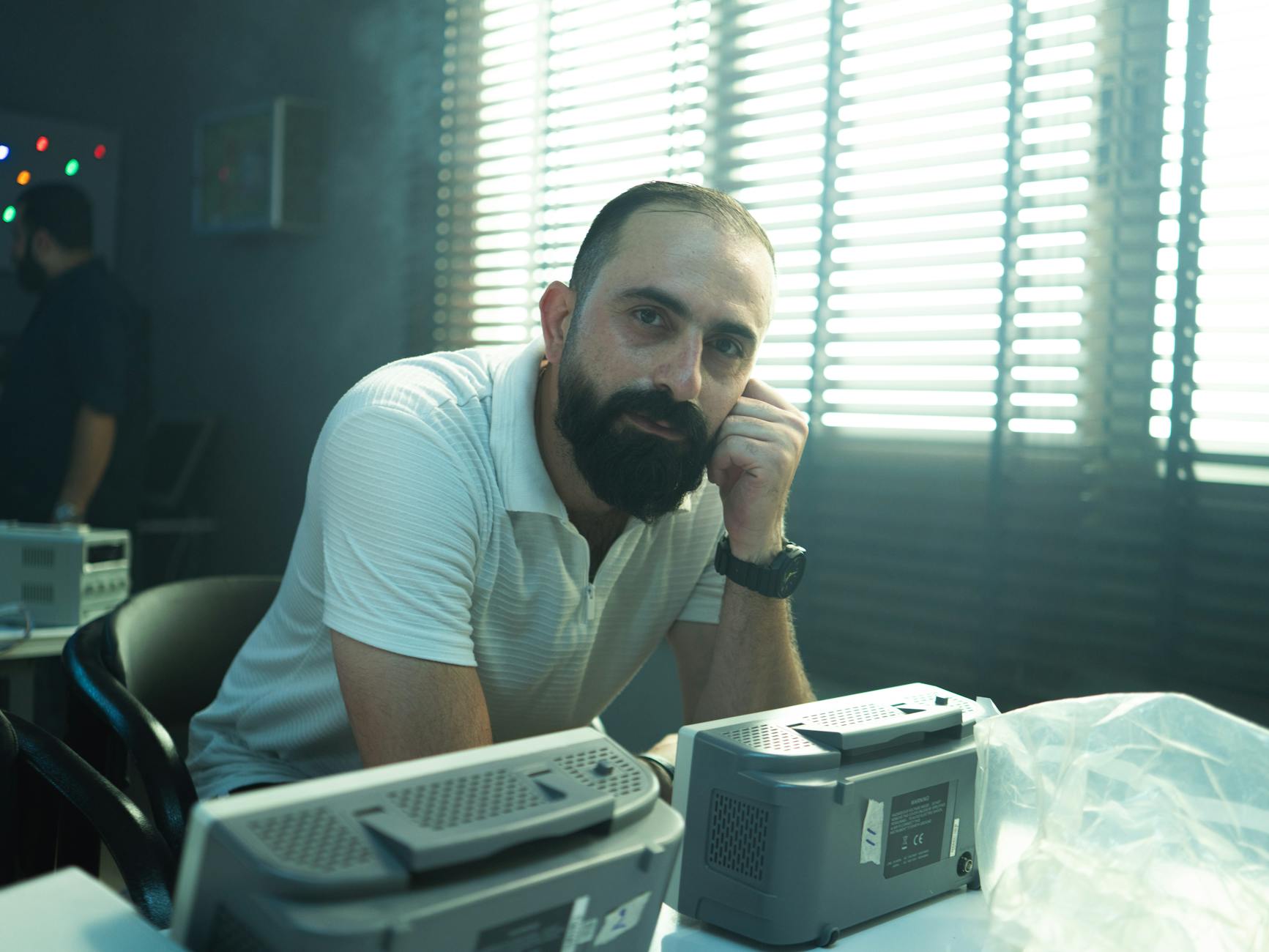
Essential Camera Techniques That Define Independent Cinematography
Handheld cinematography stands as perhaps the most recognizable technique in independent filmmaking, employed to create immediacy and place viewers directly within scenes. The Dardenne Brothers perfected this approach in films like “Rosetta” (1999) and “The Child” (2005), using handheld cameras that follow characters so closely that audiences experience their physical and emotional journeys viscerally. This technique requires exceptional camera operators who can anticipate actor movements while maintaining coherent compositions, and it produces footage that feels documentary-like in its intimacy. The shaky, breathing quality of handheld work signals authenticity to audiences conditioned by decades of cinema verité and news footage.
Long takes represent another cornerstone of independent cinematography, allowing scenes to unfold in real time without the artificial manipulation of editing. Filmmakers from Andrei Tarkovsky to Gus Van Sant to Sean Baker have employed extended shots that build tension, reveal character, and demonstrate directorial control without cutting away. The opening shot of “Boogie Nights” (1997), which Paul Thomas Anderson staged as a complex three-minute tracking shot through a nightclub, establishes setting, introduces multiple characters, and creates an atmosphere of interconnected lives all without a single edit. Long takes demand precise choreography from actors and crew while rewarding audiences with the pleasure of watching skilled performance and technical execution in real time.
- **Dutch angles and unconventional framing**: Tilted horizons and off-center compositions create psychological unease and visual interest without additional cost, employed effectively in films like “Requiem for a Dream” and “The Third Man”
- **Shallow depth of field**: Using wide apertures to isolate subjects against blurred backgrounds draws attention to faces and emotions while obscuring modest production values
- **Static wide shots**: Directors like Jim Jarmusch and Wes Anderson use locked-off wide compositions that emphasize mise-en-scène and allow viewers to study frame details at their own pace
Lighting Approaches That Create Distinctive Independent Film Aesthetics
Natural lighting has become synonymous with independent film aesthetics, employed both for practical budget reasons and as a deliberate artistic choice that grounds stories in recognizable reality. Terrence Malick’s “Days of Heaven” (1978), shot almost entirely during magic hour by cinematographer Néstor Almendros, demonstrated how natural light could create images of extraordinary beauty without artificial sources. Contemporary indie filmmakers continue this tradition, using available light from windows, practicals, and ambient sources to create naturalistic atmospheres that contrast sharply with the precisely controlled lighting of studio productions. This approach requires flexibility and quick shooting schedules, as light conditions change constantly, but produces footage with an organic quality that artificial lighting cannot replicate.
Low-key lighting represents another essential technique in independent cinematography, using high-contrast ratios between light and shadow to create mood and hide limited production resources simultaneously. Film noir pioneered this approach in the 1940s, and independent filmmakers have continued to employ dramatic shadows, silhouettes, and pools of light to focus attention and generate atmosphere. The Coen Brothers’ “Blood Simple” (1984), shot for under $1.5 million, used low-key lighting throughout to create tension and disguise the film’s modest sets. This technique transforms potential weaknesses into strengths, as darkness becomes an aesthetic element rather than a technical limitation.
- **Practical lighting sources**: Using visible lamps, televisions, and other on-screen light sources creates motivated, naturalistic illumination while reducing equipment needs
- **Mixed color temperatures**: Rather than correcting for different light sources, indie filmmakers often embrace the interplay of warm tungsten and cool daylight for visual complexity
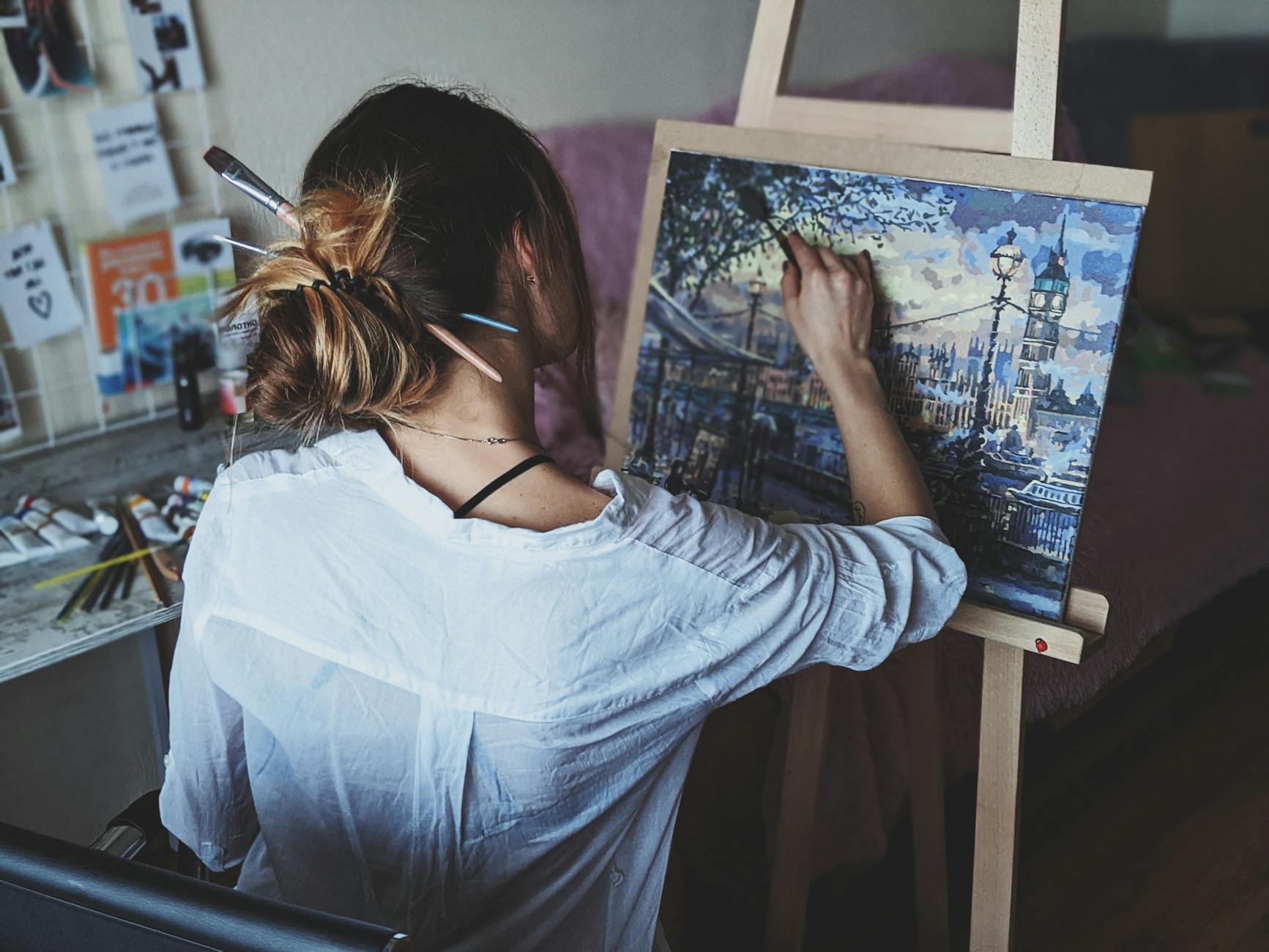
How Indie Directors Use Sound Design and Music to Enhance Limited Visual Budgets
Sound design offers independent filmmakers one of their most cost-effective tools for creating immersive worlds and emotional impact. While elaborate visual effects remain prohibitively expensive for most indie productions, sophisticated sound work can be achieved with modest equipment and skilled artists. The ambient sounds of a location, carefully recorded and layered, ground viewers in specific environments without requiring expensive set construction. Films like “Eraserhead” (1977) demonstrated how abstract, industrial soundscapes could create psychological atmospheres that no amount of visual design could match, using sound to burrow into viewers’ subconscious in ways that images alone cannot achieve.
The strategic use of silence represents an equally powerful technique in independent sound design, creating tension and focusing attention through the deliberate absence of audio. Filmmakers like Michael Haneke employ extended silent passages that make audiences acutely aware of their own watching, generating discomfort and anticipation without any production expense. In “No Country for Old Men” (2007), the Coen Brothers famously rejected a traditional score entirely, using ambient sound and silence to create one of the most tense viewing experiences in recent cinema. This approach requires confidence and restraint, trusting that audiences can engage with empty sonic space rather than filling every moment with music or effects.
- **Diegetic music integration**: Using music that exists within the story world, such as radios, live performances, or character singing, avoids expensive licensing while feeling more naturalistic
- **Found sounds and foley creativity**: Independent sound designers create unique audio palettes using unconventional objects and field recordings rather than commercial sound libraries
- **Voice-over narration**: When visual storytelling proves too expensive or complex, carefully written narration can convey information, backstory, and interiority economically
Advanced Editing Techniques That Distinguish Independent Film Storytelling
Jump cuts, once considered technical errors to be avoided, became a signature technique of independent and art cinema after Jean-Luc Godard employed them throughout “Breathless” (1960), breaking classical continuity editing rules to create a fractured, modern rhythm. This technique compresses time, disorients viewers, and creates a restless energy that reflects contemporary experience more accurately than smooth continuity. Independent filmmakers continue to use jump cuts to convey psychological states, passage of time, and narrative urgency without additional shooting. The technique works particularly well for montage sequences, character studies, and any moment where disruption serves the story.
Non-linear editing structures have become increasingly common in independent cinema, with filmmakers like Christopher Nolan, Quentin Tarantino, and Barry Jenkins rearranging chronology to create meaning through juxtaposition. This approach can transform modest material into intellectually engaging puzzles that reward active viewing. “Memento” (2000), shot for approximately $9 million, used reverse chronology to place viewers inside the protagonist’s condition of memory loss, creating an experience that linear storytelling could never achieve. Non-linear structures also allow filmmakers to begin with compelling hooks and gradually reveal context, maintaining audience engagement throughout films that might otherwise unfold too slowly.
- **Rapid montage sequences**: Quick cuts between images create meaning through association rather than continuous action, allowing filmmakers to cover significant narrative ground economically
- **Parallel editing across timelines**: Cutting between events happening at different times creates thematic connections and generates suspense without expensive production
- **Long editorial pauses**: Holding on shots beyond comfortable duration creates tension, emphasizes emotion, and distinguishes indie pacing from rapid mainstream cutting
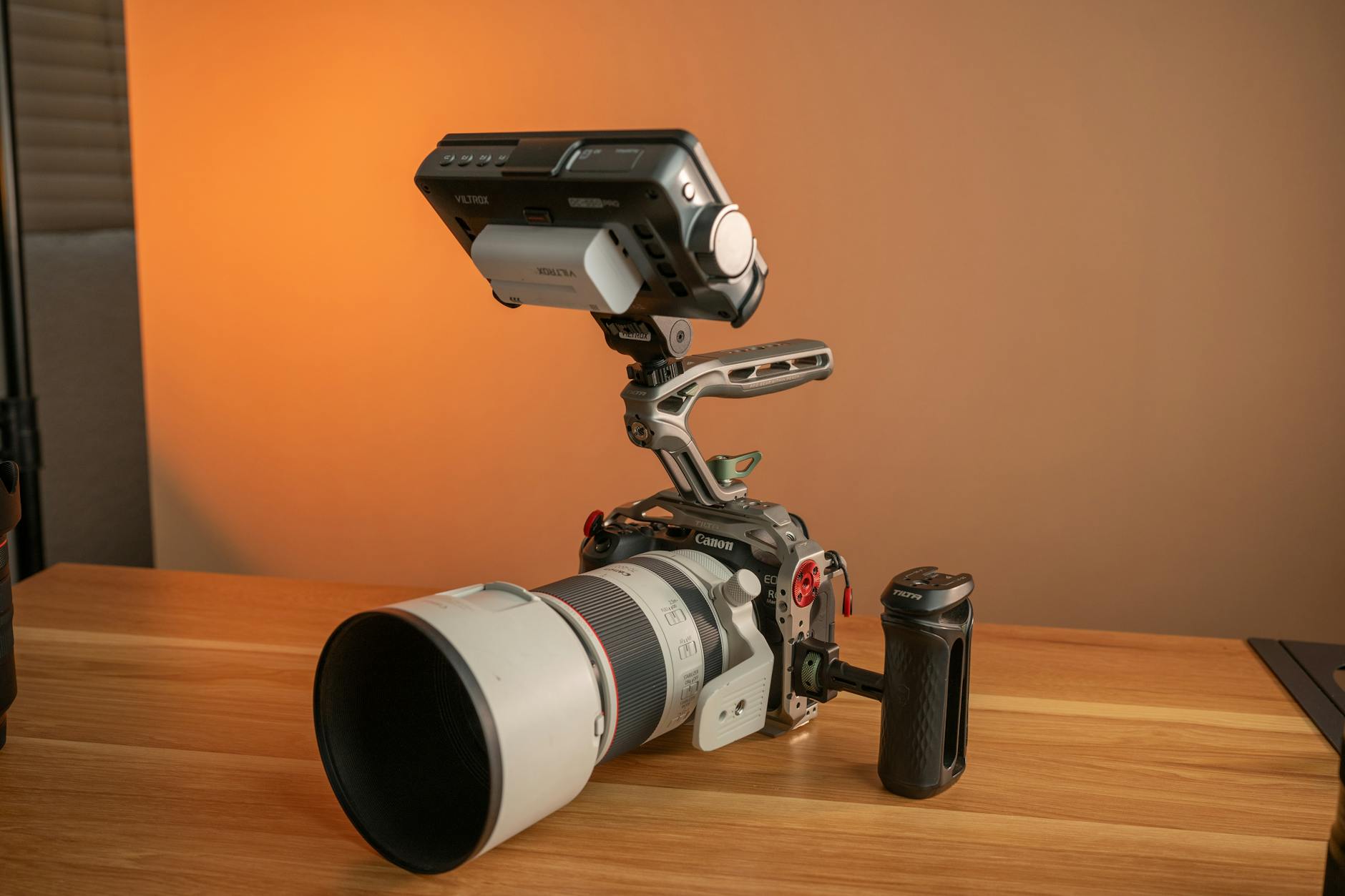
Location Shooting Strategies That Maximize Production Value
Location shooting represents perhaps the most practical technique independent filmmakers employ, using real environments instead of constructed sets to achieve authentic visuals at minimal cost. Richard Linklater filmed “Slacker” (1990) entirely on location in Austin, Texas, using the city itself as a character and capturing genuine atmosphere that no set could replicate. This approach requires extensive location scouting, negotiation skills, and flexibility to work within constraints imposed by real spaces, but produces footage with depth and detail that constructed environments struggle to match. The textures, lighting, and spatial relationships of actual locations carry inherent visual interest that reads as authenticity to audiences.
Guerrilla filming techniques push location work even further, with filmmakers shooting quickly in public spaces without permits or formal permission. While legally and ethically complex, this approach has produced some of independent cinema’s most dynamic footage, capturing real-world energy and spontaneity. Sean Baker filmed significant portions of “Tangerine” (2015) on iPhone 5S cameras on the streets of Los Angeles, blending into the environment and capturing authentic street-level perspectives. This technique requires thorough preparation, quick execution, and willingness to adapt to unexpected circumstances, but offers access to locations and atmospheres that would be impossible to recreate or afford through conventional production methods.
How to Prepare
- **Study landmark independent films analytically**: Watch foundational works from the French New Wave, American independent cinema of the 1990s, and contemporary micro-budget productions with attention to specific technical choices. Pause frequently, rewatch key sequences, and note how camera placement, lighting, sound, and editing create effects. Films like “Clerks,” “Pi,” “Primer,” and “Tangerine” demonstrate different approaches to resource-limited filmmaking that reward careful analysis.
- **Develop technical fundamentals with available equipment**: Practice camera operation, lighting setup, and sound recording with whatever equipment you can access, even smartphone cameras. Understanding how different lenses, frame rates, and light sources affect footage proves essential before attempting to employ these techniques intentionally. Shoot test footage in various conditions to learn how your equipment behaves.
- **Build a reference library of techniques**: Create organized collections of clips, screenshots, and notes documenting specific techniques you want to employ. Having visual references available during production helps communicate intentions to collaborators and ensures consistency across shooting days. Organize by technique type, mood, or project relevance.
- **Experiment through short-form projects**: Before attempting feature-length work, create short films, music videos, or experimental pieces that allow focused exploration of specific techniques. A five-minute project dedicated to mastering long takes teaches more than incorporating the technique briefly into a longer work.
- **Analyze your own footage critically**: Review everything you shoot with the same analytical attention you give to professional work. Identify what succeeds, what fails, and why specific techniques produced their effects. This reflective practice accelerates learning far more than simply accumulating shooting experience.
How to Apply This
- **Match technique to story requirements**: Select cinematic approaches based on what your specific narrative demands rather than personal preference or trend-following. Handheld cinematography suits intimate character studies but may distract from dialogue-heavy ensemble pieces. Let story dictate technique rather than imposing style onto incompatible material.
- **Plan extensively before production**: Independent techniques often appear spontaneous but require thorough preparation. Storyboard key sequences, scout locations at the time of day you plan to shoot, rehearse with actors in actual spaces, and anticipate technical challenges before cameras roll. The flexibility to capture accidents requires rigid planning as foundation.
- **Commit fully to chosen approaches**: Inconsistent technique application reads as incompetence rather than style. If employing naturalistic lighting, maintain that approach throughout rather than mixing with conventional setups. If using jump cuts, employ them systematically rather than occasionally. Audiences accept any coherent visual language but reject arbitrary inconsistency.
- **Test and refine during pre-production**: Shoot sample footage implementing planned techniques before principal photography begins. Evaluate whether approaches work as intended and adjust before committed production time and resources. This practice identifies problems when solutions remain possible.
Expert Tips
- **Embrace constraints as creative prompts**: Rather than viewing limited budgets, equipment, or time as obstacles, treat them as parameters that focus creative problem-solving. Some of cinema’s most innovative techniques emerged from filmmakers who could not afford conventional approaches and invented alternatives that proved superior.
- **Prioritize sound quality over image quality**: Audiences forgive imperfect visuals far more readily than poor audio. When resource allocation requires compromise, maintain sound recording standards even if visual ambitions must be scaled back. Clean dialogue and thoughtful sound design elevate modest footage more than the reverse.
- **Learn from documentary techniques**: Documentary filmmakers have developed extensive methods for capturing authentic moments with minimal intrusion. Study how documentarians use camera placement, interview framing, and observational shooting to create intimate access, then apply these approaches to narrative work.
- **Collaborate with actors as creative partners**: Independent productions benefit enormously from actors who understand and contribute to visual storytelling. Share references, explain technique intentions, and invite performer input on blocking and timing. Invested actors will help achieve effects that director instruction alone cannot produce.
- **Build relationships with locations before shooting**: Spend time in planned shooting locations without cameras to understand how light changes throughout the day, what ambient sounds exist, and how spaces actually function. This familiarity informs better creative decisions and reduces problem-solving under production pressure.
Conclusion
The fifteen cinematic techniques employed by independent filmmakers represent more than budget-driven compromises”they constitute a distinct visual language that often communicates more effectively than expensive studio approaches. Handheld cameras, natural lighting, creative sound design, unconventional editing, and resourceful location shooting have produced some of cinema’s most memorable and emotionally resonant works. Understanding these techniques provides filmmakers at any budget level with tools for visual storytelling that prioritize authenticity, intimacy, and creative expression over technical spectacle.
Aspiring filmmakers studying these approaches should recognize that mastery develops through practice, experimentation, and critical analysis rather than equipment acquisition or budget increases. The democratization of filmmaking technology has made these techniques accessible to anyone willing to invest time in learning them, and the resulting work can compete for audience attention alongside far more expensive productions. Begin by studying the films referenced throughout this article, experiment with techniques that resonate with your creative vision, and develop your own variations on these established approaches. The history of independent cinema demonstrates that innovative visual storytelling consistently finds audiences regardless of production budgets.
Frequently Asked Questions
How long does it typically take to see results?
Results vary depending on individual circumstances, but most people begin to see meaningful progress within 4-8 weeks of consistent effort.
Is this approach suitable for beginners?
Yes, this approach works well for beginners when implemented gradually. Starting with the fundamentals leads to better long-term results.
What are the most common mistakes to avoid?
The most common mistakes include rushing the process, skipping foundational steps, and failing to track progress.
How can I measure my progress effectively?
Set specific, measurable goals at the outset and track relevant metrics regularly. Keep a journal to document your journey.
You Might Also Like
- ATG Ticketing Overview of Prior Class Action Lawsuits Related to Ticketing Fees and Refund Policies
- Regal Unlimited Historical Class Action Claims Involving Subscription Billing Terms and Cancellations
- Regal Cinemas Past Class Action Lawsuits Related to Ticket Fees Subscriptions and Consumer Disclosures


