The 15 most innovative use of technology in modern indies represents a fundamental shift in how filmmakers approach storytelling, production, and visual expression outside the traditional studio system. Independent cinema has always been a breeding ground for experimentation, but the past fifteen years have witnessed an unprecedented democratization of filmmaking tools that once required multimillion-dollar budgets. From digital cameras that shoot in cinema-quality resolution to AI-assisted post-production workflows, indie filmmakers now wield technological capabilities that would have seemed impossible at the turn of the century. This evolution matters because it has fundamentally altered the economics and aesthetics of independent filmmaking. Directors working with budgets under one million dollars now achieve visual effects, sound design, and distribution reach that rival major studio productions.
The barriers that once separated professional cinema from amateur efforts have largely dissolved, replaced by a landscape where creativity and technical knowledge matter more than access to expensive equipment. Films like “Tangerine,” shot entirely on iPhones, and “Monsters,” which utilized laptop-based visual effects, have proven that technological innovation can substitute for traditional resources. By exploring these fifteen groundbreaking approaches, readers will gain insight into the specific tools, techniques, and creative philosophies that define contemporary independent cinema. This examination covers everything from camera technology and visual effects pipelines to distribution platforms and audience engagement strategies. Understanding these innovations provides context for appreciating how indie films achieve their distinctive looks and why certain technical choices carry artistic significance beyond mere cost savings.
Table of Contents
- What Defines Innovative Technology Use in Modern Independent Films?
- Digital Cinema Cameras and the Democratization of High-Quality Acquisition
- Visual Effects Technology Accessible to Independent Filmmakers
- Practical Sound Design and Audio Technology for Indie Productions
- Distribution Platforms and Direct Audience Technology
- Emerging Technologies Shaping Future Independent Cinema
- How to Prepare
- How to Apply This
- Expert Tips
- Conclusion
- Frequently Asked Questions
What Defines Innovative Technology Use in Modern Independent Films?
Innovation in independent cinema technology differs fundamentally from studio-level advancement. While major productions chase photorealism and spectacle, indie filmmakers typically pursue efficiency, accessibility, and artistic distinctiveness. The most impactful technological innovations in this space share common characteristics: they reduce production costs without sacrificing quality, they enable smaller crews to accomplish more, and they often create aesthetic signatures that become inseparable from the films themselves.
The definition extends beyond hardware to encompass workflows, distribution methods, and audience engagement tools. A truly innovative indie technology implementation solves a specific creative or logistical problem in a way that opens new possibilities for the entire filmmaking community. When Sean Baker shot “Tangerine” on iPhone 5s devices with anamorphic adapter lenses, the innovation lay not in the camera choice alone but in proving that smartphone cinematography could meet theatrical exhibition standards. Key characteristics of innovative indie technology use include:.
- **Accessibility multiplication** – Tools that enable capabilities previously requiring specialized expertise or equipment, such as affordable color grading software that matches professional results
- **Workflow integration** – Technologies that streamline multiple production phases, reducing the traditional separation between shooting, editing, and effects work
- **Aesthetic expansion** – Technical approaches that create new visual or auditory possibilities rather than merely replicating existing styles at lower cost
- **Distribution disruption** – Platforms and methods that connect films directly with audiences, bypassing traditional gatekeepers
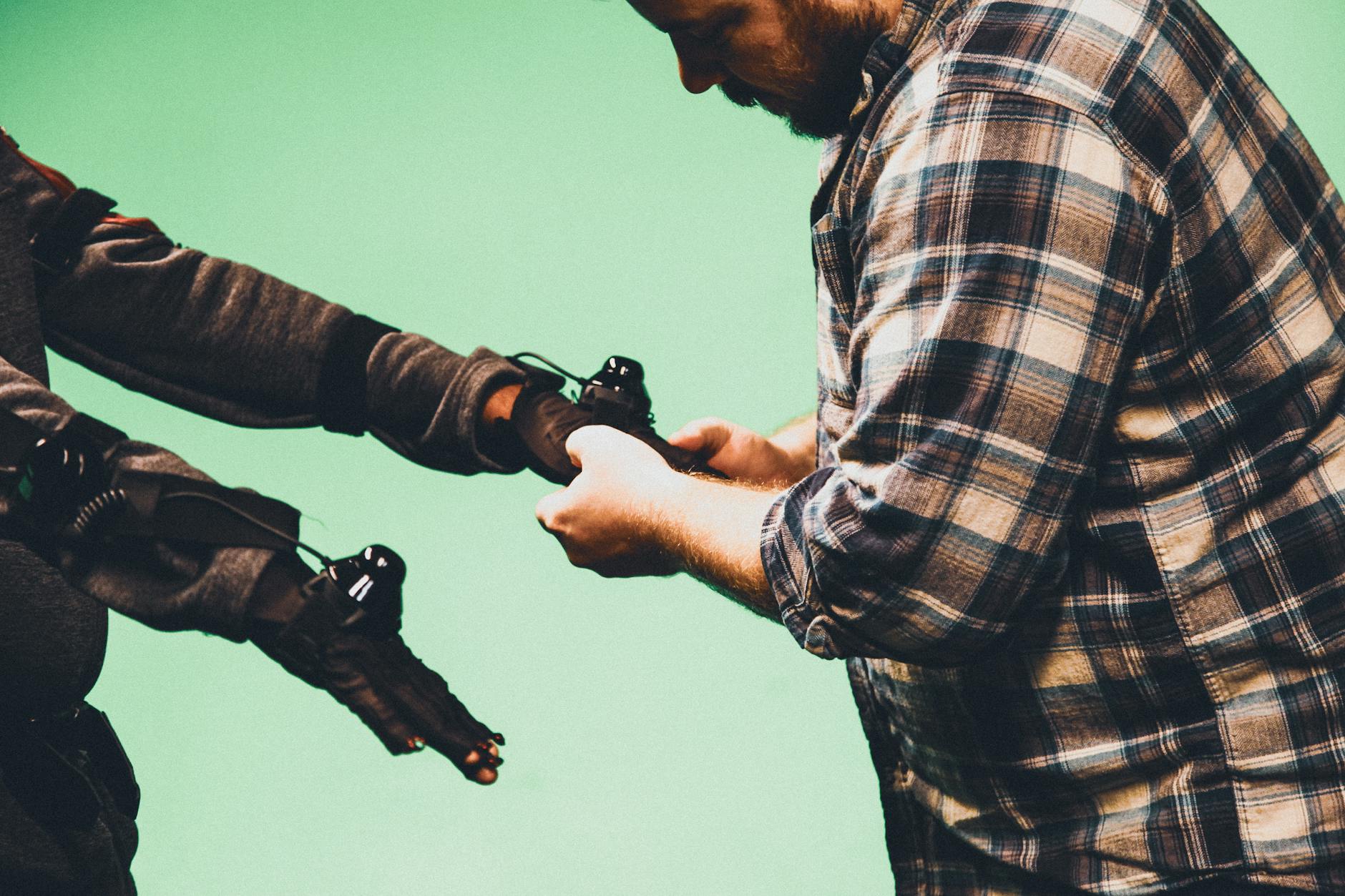
Digital Cinema Cameras and the Democratization of High-Quality Acquisition
The shift from film to digital acquisition created the foundation for modern indie innovation. Cameras like the original RED One, released in 2007, promised cinema-quality images at a fraction of traditional costs. However, the true democratization came with subsequent generations of more affordable options. The Blackmagic Pocket Cinema Camera, Canon C-series, and Sony Alpha mirrorless systems brought legitimate filmmaking capabilities to budgets under five thousand dollars.
These cameras enabled specific aesthetic and practical achievements previously impossible for independent productions. The high dynamic range of modern sensors allows filmmakers to shoot in challenging lighting conditions without extensive lighting packages. Log color profiles provide flexibility in post-production that previously required expensive film scanning and grading processes. Perhaps most significantly, the compact form factors allow documentary-style shooting and intimate cinematography that larger cameras simply cannot achieve. Notable implementations include:.
- **”Upstream Color” (2013)** – Shane Carruth shot his philosophical science fiction film on a Panasonic GH2, a consumer mirrorless camera, achieving images that critics praised for their ethereal beauty
- **”Blue Ruin” (2013)** – Jeremy Saulnier utilized available light cinematography with the Canon 5D Mark II to create a gritty aesthetic perfectly suited to the revenge thriller’s tone
- **”The Florida Project” (2017)** – Willem Dafoe scenes used 35mm film while children’s footage used cheaper digital capture, blending formats based on emotional rather than economic considerations
Visual Effects Technology Accessible to Independent Filmmakers
Visual effects once represented the clearest dividing line between studio productions and independent cinema. That boundary has eroded significantly through a combination of more powerful consumer hardware, accessible software, and innovative workflow approaches. Modern indie filmmakers routinely accomplish effects work that would have required dedicated facilities and million-dollar budgets fifteen years ago. The key breakthrough came through software democratization. Programs like DaVinci Resolve offer professional-grade compositing and color tools at no cost for the base version. Blender provides full 3D modeling, animation, and visual effects capabilities as open-source software.
These tools, running on consumer graphics cards, enable individual artists to produce work comparable to small studio effects departments. Gareth Edwards’ “Monsters” (2010) demonstrated the possibilities most dramatically. Working with a budget around five hundred thousand dollars, Edwards created over 250 visual effects shots himself using off-the-shelf software on his laptop. The alien creatures and devastated landscapes proved convincing enough that the film launched Edwards’ career toward directing the 2014 “Godzilla” reboot. This model””director as visual effects artist””has become increasingly common in indie production. Specific technological enablers include:.
- **GPU rendering** – Consumer graphics cards from NVIDIA and AMD now process visual effects calculations that once required specialized hardware
- **Machine learning rotoscoping** – AI-powered tools dramatically reduce the time required to isolate subjects from backgrounds, a traditionally labor-intensive process
- **Asset libraries** – Services like Quixel Megascans provide photogrammetry-based 3D assets that indie filmmakers can incorporate without creating every element from scratch
Practical Sound Design and Audio Technology for Indie Productions
Sound represents perhaps the most underappreciated area of technological innovation in independent film. While audiences consciously notice visual quality, audio equally determines whether a film feels professional or amateurish. Modern indie productions benefit from recording equipment, editing software, and mixing tools that have undergone the same democratization as visual technologies. Portable digital recorders from manufacturers like Sound Devices, Zoom, and Tascam capture audio quality sufficient for theatrical release at prices accessible to micro-budget productions. Wireless microphone systems that once cost thousands now exist in reliable versions under five hundred dollars.
These hardware advances combine with software developments in noise reduction, spatial audio processing, and automated mixing assistance. The “one-person sound department” has become viable for certain productions through technology that reduces the traditional specialization requirements. A single production sound mixer can now monitor multiple wireless channels, record isolated tracks for each microphone, and capture ambient audio simultaneously””tasks that previously required multiple crew members. Post-production tools like iZotope RX can salvage problematic audio that would have required expensive ADR sessions in previous eras. Practical advancements include:.
- **32-bit float recording** – Modern recorders capture such wide dynamic range that clipping becomes virtually impossible, providing insurance against unpredictable location sound levels
- **AI-powered dialogue isolation** – Software can now separate voices from background noise with remarkable precision, reducing the need for controlled recording environments
- **Immersive audio accessibility** – Dolby Atmos home mixing has become possible with specific software configurations, allowing indie films to offer premium audio formats
Distribution Platforms and Direct Audience Technology
The technological transformation of independent film extends beyond production into distribution and audience connection. Traditional theatrical distribution required relationships with studios or specialized distributors who controlled access to screens. Digital platforms have created alternative pathways that some filmmakers now prefer to conventional release strategies. Streaming platforms from Netflix to specialized services like MUBI and Criterion Channel have created new markets for independent content. However, the most innovative developments involve filmmakers maintaining direct relationships with audiences.
Platforms like Vimeo On Demand, Seed&Spark, and even self-hosted solutions enable filmmakers to sell or rent their work directly, retaining larger revenue percentages than traditional distribution deals typically offer. Crowdfunding platforms deserve recognition as distribution-adjacent technology that has fundamentally altered indie film financing. Kickstarter and Indiegogo campaigns have funded hundreds of independent features, but more sophisticated approaches have emerged. Some filmmakers now treat crowdfunding backers as early investors entitled to revenue sharing, creating ongoing financial relationships rather than one-time transactions. Distribution technology innovations include:.
- **Theatrical on demand** – Services like Gathr and Theatrical at Home allow audiences to request screenings in their cities, creating theatrical distribution without traditional booking processes
- **NFT-based distribution experiments** – While controversial, some filmmakers have explored blockchain-based ownership models that provide ongoing revenue from secondary sales
- **Festival streaming integration** – Virtual festival screenings, accelerated by the pandemic, have become permanent features that expand audience access to premiere content
Emerging Technologies Shaping Future Independent Cinema
Several nascent technologies promise to further transform independent filmmaking in coming years. Virtual production techniques, pioneered in major productions like “The Mandalorian,” are scaling down to indie budgets through LED volume alternatives and real-time rendering on consumer hardware. These approaches could eliminate traditional location shooting constraints while maintaining in-camera image capture. Generative AI presents both opportunities and significant concerns for independent filmmakers. Current applications include AI-powered script analysis, automated footage organization, and synthetic voice generation for temporary dialogue.
More controversial applications involve AI image generation for concept art, background elements, or even character creation. The indie community remains divided on appropriate boundaries for these tools, with some filmmakers embracing efficiency gains while others reject AI involvement entirely. The intersection of gaming technology and filmmaking continues producing accessible tools. Real-time rendering engines originally developed for video games now power virtual production, visualization, and even final pixel output for certain projects. Independent filmmakers increasingly operate in spaces where traditional boundaries between gaming, animation, and live-action filmmaking dissolve entirely.
How to Prepare
- **Assess your specific production needs** – Before adopting any technology, identify the particular challenges your project faces. A dialogue-heavy drama has different requirements than an effects-dependent science fiction film. Document the technical demands of your script or concept, noting where traditional approaches would require resources beyond your budget.
- **Research existing implementations** – Study films that achieved similar results with comparable budgets. Filmmaker interviews, production diaries, and technical breakdowns provide invaluable information about specific equipment configurations, software pipelines, and workflow approaches. Sources like No Film School, IndieWire’s craft sections, and filmmaker commentary tracks offer detailed technical discussions.
- **Build technical literacy before production** – Allocate time to learn tools before they become production-critical. Software like DaVinci Resolve, Blender, and various audio tools offer free versions suitable for learning. Online education through platforms like MasterClass (for conceptual approaches) and YouTube tutorials (for specific techniques) can build competency without formal training.
- **Test extensively in low-stakes environments** – Create short films, test scenes, or proof-of-concept footage using your intended technological approach before committing to a feature. This testing reveals workflow issues, equipment limitations, and skill gaps while solutions remain practical.
- **Develop relationships with technical collaborators** – Even with accessible technology, collaboration typically produces superior results. Identify colorists, sound designers, visual effects artists, and other specialists who work with independent productions. These relationships provide access to expertise that pure self-reliance cannot match.
How to Apply This
- **Start with the technology you have** – The most innovative indie films often emerged from constraints rather than optimal equipment. Assess what cameras, audio equipment, and software you currently access before assuming purchases are necessary. Many smartphones now shoot in formats suitable for theatrical exhibition when properly lit and stabilized.
- **Prioritize areas where technology substitutes for budget** – Focus technological investment on production phases where innovation most directly replaces expensive traditional approaches. Visual effects, color grading, and sound design typically offer the highest returns because these areas previously required specialized facilities.
- **Document your technical approach for future reference** – Keep detailed records of equipment settings, software configurations, and workflow decisions. This documentation proves invaluable during post-production troubleshooting and informs future projects.
- **Contribute to the independent filmmaking community** – Share technical discoveries, workflow solutions, and equipment evaluations through appropriate forums and publications. The collaborative nature of indie film technology development depends on practitioners reporting their experiences.
Expert Tips
- **Match technology to your story’s aesthetic needs** rather than chasing specifications or trends. The most effective technical choices serve narrative and emotional goals. High resolution and dynamic range matter less than whether the image feels appropriate for your particular film.
- **Budget for post-production technology** with the same rigor applied to production equipment. Many indie filmmakers overspend on cameras while underinvesting in editing systems, monitoring equipment, and software licenses that determine final image and sound quality.
- **Learn color science fundamentals** before making camera and workflow decisions. Understanding how different cameras capture and process color information prevents costly mistakes and enables informed choices between competing systems.
- **Prioritize audio quality** over visual quality when forced to choose. Audiences tolerate imperfect images far more readily than poor sound. A well-recorded low-budget film feels more professional than a beautifully shot production with distracting audio problems.
- **Maintain skepticism toward technology marketed specifically to filmmakers** when consumer equivalents exist. Professional labels often indicate price premiums rather than meaningful capability differences. Research whether professional features genuinely serve your needs before paying for them.
Conclusion
The fifteen areas of technological innovation examined here collectively represent a transformed landscape for independent filmmaking. Cameras, visual effects tools, audio equipment, and distribution platforms have all undergone democratization that shifts creative power toward filmmakers willing to master accessible technologies. This transformation continues accelerating as computational capabilities increase and software development increasingly targets independent creators alongside professional facilities.
For filmmakers entering or working within the independent space, technological literacy has become inseparable from creative capability. Understanding available tools, their appropriate applications, and their limitations determines what stories can be told and how effectively they reach audiences. The filmmakers producing the most distinctive work typically combine technical knowledge with clear artistic vision, using technology as means rather than end. As new tools emerge and existing options mature, maintaining this balance while remaining open to innovation offers the clearest path toward impactful independent cinema.
Frequently Asked Questions
How long does it typically take to see results?
Results vary depending on individual circumstances, but most people begin to see meaningful progress within 4-8 weeks of consistent effort.
Is this approach suitable for beginners?
Yes, this approach works well for beginners when implemented gradually. Starting with the fundamentals leads to better long-term results.
What are the most common mistakes to avoid?
The most common mistakes include rushing the process, skipping foundational steps, and failing to track progress.
How can I measure my progress effectively?
Set specific, measurable goals at the outset and track relevant metrics regularly. Keep a journal to document your journey.
You Might Also Like
- ATG Ticketing Overview of Prior Class Action Lawsuits Related to Ticketing Fees and Refund Policies
- Regal Unlimited Historical Class Action Claims Involving Subscription Billing Terms and Cancellations
- Regal Cinemas Past Class Action Lawsuits Related to Ticket Fees Subscriptions and Consumer Disclosures