The themes of isolation in indie horror have become one of the genre’s most powerful storytelling devices, transforming limited budgets into atmospheric strengths that mainstream productions often struggle to replicate. While Hollywood horror frequently relies on jump scares and elaborate set pieces, independent filmmakers have discovered that stripping characters down to their most vulnerable states”alone, disconnected, and psychologically exposed”creates a primal fear that resonates deeply with audiences. This exploration of solitude as terror has produced some of the most memorable and disturbing films of the past two decades. Isolation in horror addresses fundamental human anxieties about abandonment, self-reliance, and the fragility of sanity when external support systems disappear.
These films force viewers to confront uncomfortable questions: What happens when help cannot arrive? How quickly does the mind deteriorate without human contact? Can we trust our own perceptions when there’s no one to verify reality? Independent horror filmmakers, unconstrained by studio mandates for broad appeal, have the freedom to explore these questions with uncompromising intensity and artistic vision. By the end of this analysis, readers will understand the fifteen distinct ways indie horror deploys isolation as a narrative and psychological tool. From geographic remoteness to technological disconnection, from self-imposed exile to cosmic insignificance, each theme offers unique opportunities for terror. This examination covers specific films that exemplify each approach, the psychological principles that make these scenarios effective, and the technical choices indie filmmakers employ to maximize the impact of loneliness on screen.
Table of Contents
- Why Do Themes of Isolation Resonate So Deeply in Indie Horror Films?
- Geographic Isolation and Remote Settings in Independent Horror Cinema
- Psychological Isolation and Internal Horror in Indie Filmmaking
- How Social and Technological Disconnection Creates Horror Isolation Themes
- Self-Imposed Isolation and Voluntary Withdrawal in Horror Narratives
- Cosmic Isolation and Existential Dread in Independent Horror
- How to Prepare
- How to Apply This
- Expert Tips
- Conclusion
- Frequently Asked Questions
Why Do Themes of Isolation Resonate So Deeply in Indie Horror Films?
Isolation resonates in indie horror because it taps into evolutionary fears hardwired into human psychology. For most of human history, separation from the group meant almost certain death”from predators, starvation, or exposure. Modern life has largely eliminated these physical threats, but the psychological architecture remains intact. When indie horror places characters in isolated situations, it activates this ancient alarm system, creating visceral unease that requires no explanation or exposition. The budget constraints of independent filmmaking actually enhance isolation’s effectiveness.
A single location with one or two actors isn’t just economical”it creates claustrophobic intensity that larger productions dilute with subplots and ensemble casts. Films like “Absentia” (2011) and “Resolution” (2012) demonstrate how minimal resources force creative focus on psychological tension rather than spectacle. The audience has nowhere to look except at the protagonist’s deteriorating mental state. Independent filmmakers also enjoy creative freedom to explore isolation without commercial pressure to include romantic subplots or comic relief. Studio horror often undermines its isolated premises by introducing rescue parties, love interests, or ensemble dynamics that diffuse tension. Indie horror can maintain unrelenting solitude from opening frame to final shot, never offering the audience or characters respite from the crushing weight of being alone.
- Evolutionary psychology explains why isolation triggers fear responses even in safe viewing environments
- Budget limitations become artistic advantages when solitude is the central horror element
- Creative independence allows filmmakers to sustain isolation without commercial compromises
Geographic Isolation and Remote Settings in Independent Horror Cinema
Geographic isolation remains the most visually immediate form of separation in indie horror, placing characters in locations where physical distance makes rescue impossible or improbable. films set in remote cabins, isolated farmhouses, desert expanses, or arctic wastelands establish their threat through landscape before any supernatural or human antagonist appears. The setting itself becomes hostile, indifferent to human survival. The 2014 film “Backcountry” exemplifies geographic isolation’s power, trapping its protagonists in Canadian wilderness with a predatory black bear. No cell signal, no nearby roads, no other hikers”just endless forest that transforms from beauty to menace.
Similarly, “Yellow Brick Road” (2010) uses New Hampshire wilderness as a maze that defies logic and geography, where walking in a straight line leads characters in circles. The land itself seems malevolent. Independent productions frequently choose geographic isolation because remote locations are cheaper to film than urban environments requiring permits, traffic control, and crowd management. A forest, desert, or abandoned property costs little to access but provides production value through natural atmosphere. Films like “The Battery” (2012) and “It Comes at Night” (2017) use this principle brilliantly, their rural settings providing both economic efficiency and narrative isolation that feels organic rather than contrived.
- Remote settings establish threat through environment before introducing specific antagonists
- Natural landscapes provide production value while enhancing isolation themes
- Geographic barriers create believable scenarios where help cannot arrive
Psychological Isolation and Internal Horror in Indie Filmmaking
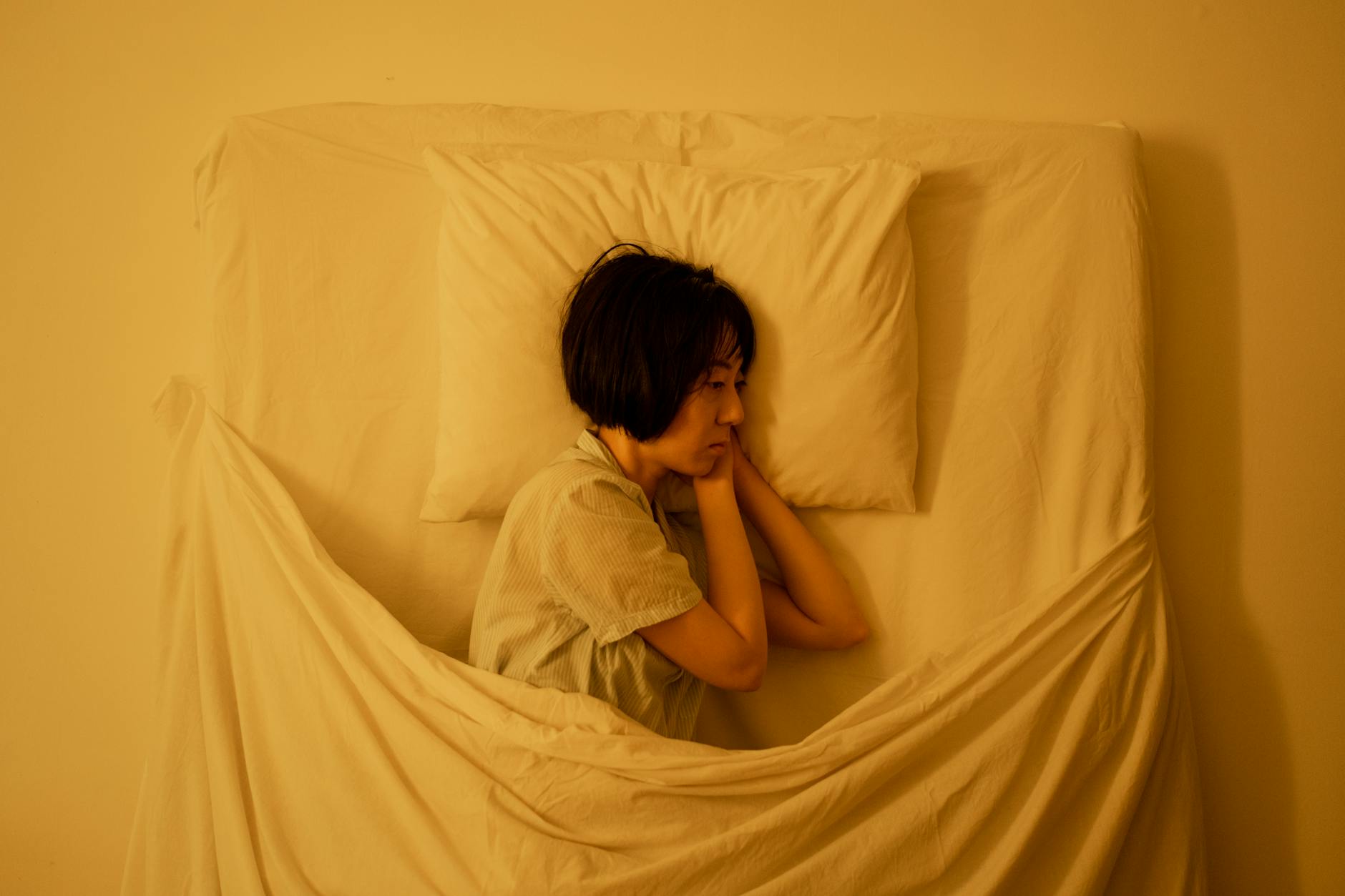
Psychological isolation operates independently of physical location, trapping characters within their own deteriorating minds regardless of how many people surround them. This internal isolation proves particularly effective in indie horror because it requires no special effects”only skilled performances and thoughtful direction. Characters can be psychologically isolated in crowded cities, among family members, or in their own homes. “They Look Like People” (2015) masterfully depicts psychological isolation through its protagonist’s escalating paranoid schizophrenia. Though he’s staying with his best friend and moving through populated New York, his inability to trust his own perceptions creates total isolation.
He cannot confide his fears because doing so would confirm his madness. The horror emerges from watching someone become unreachable even as they remain physically present. This theme resonates with contemporary audiences experiencing epidemic levels of loneliness and mental health struggles. Films like “A Ghost Story” (2017) and “The Eyes of My Mother” (2016) explore how trauma, grief, and psychological damage create barriers more impenetrable than any physical distance. The protagonist of “The Eyes of My Mother” lives in proximity to others but her damaged psyche makes genuine connection impossible, resulting in violence that stems from isolation rather than malice.
- Mental illness creates isolation that transcends physical proximity to others
- Psychological isolation requires no budget for sets or effects, only strong performances
- This theme connects with contemporary audiences experiencing widespread loneliness
How Social and Technological Disconnection Creates Horror Isolation Themes
Social isolation in indie horror examines what happens when characters are cut off from community, family, or friendship networks that normally provide psychological stability and practical assistance. Unlike geographic isolation, social disconnection can occur anywhere”characters may have phones, neighbors, and transportation yet still find themselves utterly alone when crisis strikes. The technological dimension of this isolation has become increasingly prominent as smartphones and social media theoretically keep everyone perpetually connected. Films like “Cam” (2018) and “Host” (2020) explore how digital connection creates illusions of community while leaving individuals profoundly vulnerable.
“Host,” filmed entirely during pandemic lockdowns via video chat, demonstrated that isolation could be terrifying even when characters could see and hear each other”the inability to physically reach someone amplifies rather than diminishes fear. Independent horror has interrogated how technology fails precisely when needed most. Dead zones, broken phones, no signal, dead batteries”these have become modern horror clichés because they represent genuine contemporary anxieties. But more sophisticated indie films like “Unfriended” (2014) and its sequel explore how technology itself can become the isolating force, trapping characters in digital spaces where they can witness horror but remain helpless to intervene physically.
- Social networks provide psychological stability that disintegrates when isolated
- Digital connectivity creates false security that amplifies vulnerability
- Technology can function as both isolating force and inadequate connection simultaneously
Self-Imposed Isolation and Voluntary Withdrawal in Horror Narratives
Self-imposed isolation presents a psychologically complex horror scenario where characters choose separation, making them partially complicit in their own vulnerability. This voluntary withdrawal distinguishes itself from other isolation themes because audiences must grapple with why someone would remove themselves from safety nets. The horror becomes entangled with questions about motivation, mental state, and whether the isolation itself summoned whatever threatens them. Films like “Take Shelter” (2011) blur lines between self-protective isolation and paranoid delusion. The protagonist builds an elaborate storm shelter, isolating his family socially and financially, but the film refuses to clarify whether he’s perceiving genuine apocalyptic threats or descending into schizophrenia.
His chosen isolation could be wisdom or madness”the ambiguity is the horror. Similarly, “It Comes at Night” depicts a family’s voluntary isolation during an unspecified pandemic, their safety protocols creating psychological pressure that proves as dangerous as external threats. The theme connects to contemporary trends of withdrawal”people retreating from public life, social media, or community involvement due to anxiety, distrust, or exhaustion. Indie horror examines whether this withdrawal protects or endangers, often suggesting that isolation chosen for safety eventually becomes its own threat. “The Lodge” (2019) takes this further by trapping characters with someone whose history of cult isolation has left psychological damage that endangers everyone.
- Voluntary isolation complicates victim dynamics and audience sympathy
- Self-imposed separation raises questions about sanity, intuition, and justified paranoia
- This theme resonates with contemporary withdrawal from public and social life
Cosmic Isolation and Existential Dread in Independent Horror
Cosmic isolation transcends individual loneliness to address humanity’s position in an indifferent or hostile universe. This Lovecraftian theme has flourished in indie horror, where filmmakers can explore existential dread without pressure to provide resolution or comfort. Characters confronting cosmic isolation face not just personal danger but the terrifying recognition that human existence may be insignificant.
“The Endless” (2017) and “Spring” (2014), both from filmmaking duo Justin Benson and Aaron Moorhead, exemplify indie horror’s capacity for cosmic isolation. These films present characters encountering forces so far beyond human comprehension that traditional isolation”from other people, from help”becomes trivial compared to isolation from meaning itself. The horror isn’t that no one can help; it’s that the universe operates on principles that render human concerns irrelevant.
- Cosmic isolation shifts focus from individual survival to existential significance
- Independent filmmakers can explore existential dread without commercial pressure for reassurance
- This theme connects personal isolation to universal meaninglessness
How to Prepare
- Study psychological research on isolation’s effects before viewing. The documented impacts of solitary confinement, sensory deprivation, and social exclusion provide frameworks for understanding why certain isolation scenarios feel authentic. Research by psychologists like Philip Zimbardo on situational influences helps explain how isolation transforms behavior and perception, making film depictions more legible.
- Watch foundational isolation horror to establish reference points. Films like “Repulsion” (1965), “The Shining” (1980), and “Misery” (1990) established templates that indie horror references, subverts, and builds upon. Understanding these predecessors reveals how contemporary indie films innovate within or against established patterns.
- Analyze how budget constraints shape isolation narratives. Before watching an indie horror film, research its production budget and conditions. This context illuminates whether isolation themes emerged from creative vision, practical necessity, or some synthesis of both. Many acclaimed isolation horror films cost under $100,000, demonstrating how limitation breeds innovation.
- Consider your own experiences with isolation while viewing. Personal encounters with loneliness, disconnection, or psychological distress inform how isolation horror resonates. Viewers who’ve experienced significant isolation often report heightened responses to these films, while those who haven’t may intellectualize rather than viscerally experience the horror.
- Pay attention to sound design as much as visuals. Isolation horror relies heavily on audio”the absence of human voices, amplified ambient sounds, protagonist breathing and heartbeat”to create claustrophobic atmosphere. Watching with quality headphones reveals layers of sonic isolation that speakers might miss.
How to Apply This
- For filmmakers exploring isolation themes, begin with location scouting that prioritizes authentic remoteness over production convenience. Genuine geographic isolation reads on screen differently than sets or easily accessible locations dressed to appear remote. The extra effort to reach truly isolated filming locations translates into atmospheric authenticity.
- Writers developing isolation horror should limit characters ruthlessly. Each additional character dilutes isolation’s intensity and requires screen time that could deepen the protagonist’s psychological journey. The most effective isolation horror typically features one to three characters maximum.
- Critics and analysts should examine how isolation functions beyond plot device”as metaphor, psychological exploration, and social commentary. Isolation in indie horror frequently addresses contemporary anxieties about disconnection, technology dependence, and social atomization. Reading these films only as survival narratives misses significant dimensions.
- Viewers seeking isolation horror should explore beyond English-language productions. International indie horror offers distinct cultural perspectives on isolation”Scandinavian films often emphasize landscape and darkness, Japanese horror explores social and technological disconnection, and Spanish-language productions frequently examine isolation within family structures.
Expert Tips
- Single-location films require exceptional production design to maintain visual interest across ninety minutes. Every detail of the isolated setting should contribute to narrative and atmosphere”furniture placement, lighting sources, architectural features, and objects within frame all communicate isolation’s psychological weight.
- Pacing in isolation horror should mirror actual isolation’s temporal distortion. Extended takes, minimal cutting, and real-time sequences create viewer experiences paralleling character experiences. Films that rush through isolation undermine their central premise.
- Sound design carries isolation horror more than most subgenres. The absence of human-created sound”traffic, voices, machinery”registers subconsciously even when viewers don’t consciously note it. Ambient silence punctuated by natural or unexplained sounds creates unease that jump scares cannot match.
- Character interiority presents challenges in isolation narratives since protagonists lack conversation partners. Voice-over, journals, phone calls, and hallucinations each solve this problem with different trade-offs. The most elegant solutions integrate exposition into natural behavior rather than contrivance.
- Test screenings for isolation horror should use isolated viewing conditions. Watching with crowds in theaters diffuses isolation’s impact”audiences unconsciously comfort themselves through collective presence. Individual viewing reveals how effectively the film induces isolated psychological states.
Conclusion
The fifteen themes of isolation in indie horror represent a sophisticated toolkit for creating terror that operates on psychological, philosophical, and visceral levels simultaneously. From geographic remoteness to cosmic insignificance, from technological disconnection to self-imposed withdrawal, independent filmmakers have mapped isolation’s many dimensions with creativity that frequently surpasses mainstream productions despite fraction-of-the-cost budgets. These films succeed because they understand isolation isn’t merely a plot device but a fundamental human fear with evolutionary roots and contemporary resonance. Engaging deeply with isolation horror offers rewards beyond entertainment.
These films provide frameworks for understanding real experiences of disconnection, loneliness, and psychological distress that affect millions. They raise questions about technology, community, mental health, and human connection that extend beyond genre boundaries. For viewers, filmmakers, and critics alike, isolation horror represents indie cinema’s capacity to explore difficult territory with honesty and artistry that mainstream productions rarely risk. The genre continues evolving as new forms of isolation”algorithmic, pandemic-related, political”emerge, ensuring that indie horror filmmakers will find fresh dimensions of solitude to transform into art.
Frequently Asked Questions
How long does it typically take to see results?
Results vary depending on individual circumstances, but most people begin to see meaningful progress within 4-8 weeks of consistent effort.
Is this approach suitable for beginners?
Yes, this approach works well for beginners when implemented gradually. Starting with the fundamentals leads to better long-term results.
What are the most common mistakes to avoid?
The most common mistakes include rushing the process, skipping foundational steps, and failing to track progress.
How can I measure my progress effectively?
Set specific, measurable goals at the outset and track relevant metrics regularly. Keep a journal to document your journey.
You Might Also Like
- ATG Ticketing Overview of Prior Class Action Lawsuits Related to Ticketing Fees and Refund Policies
- Regal Unlimited Historical Class Action Claims Involving Subscription Billing Terms and Cancellations
- Regal Cinemas Past Class Action Lawsuits Related to Ticket Fees Subscriptions and Consumer Disclosures