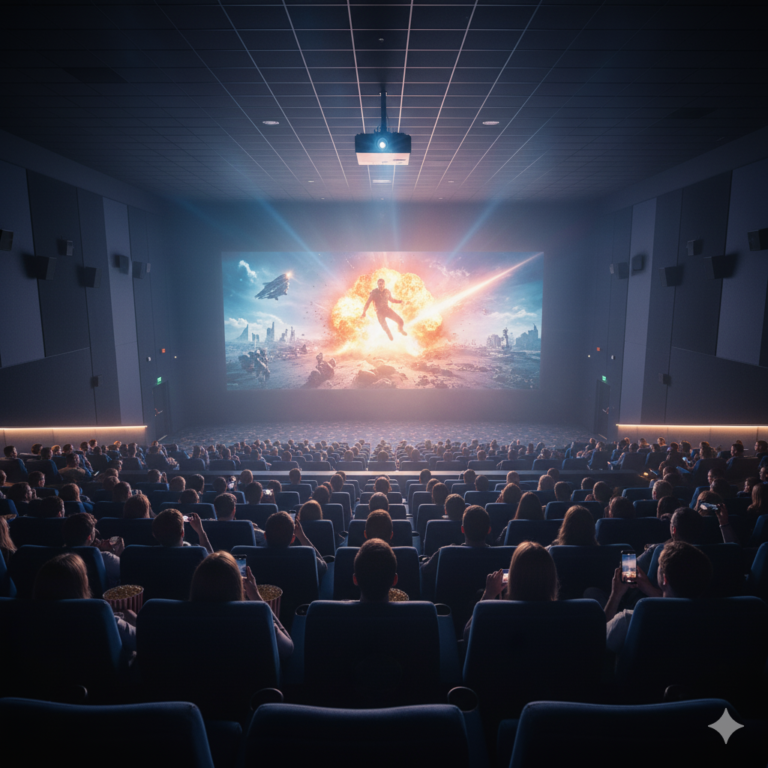
The question of why Avatar 3 might not be the event movie Disney hoped for has become increasingly relevant as the franchise’s third installment approaches its December 2025 release date. When Disney acquired 20th Century Fox in 2019 for $71.3 billion, the Avatar franchise represented one of the crown jewels of the deal””a proven property that had generated the two highest-grossing films in box office history. James Cameron’s original Avatar earned $2.92 billion worldwide in 2009, while Avatar: The Way of Water collected $2.32 billion in 2022-2023. Yet despite these staggering numbers, growing evidence suggests that Avatar 3, subtitled Fire and Ash, may struggle to replicate the cultural and financial dominance of its predecessors. The stakes for Disney could not be higher.
The company invested heavily in the Avatar franchise beyond just film rights, constructing Pandora””The World of Avatar at Disney’s Animal Kingdom theme park and planning substantial merchandising initiatives. Avatar was positioned as a cornerstone of Disney’s theatrical strategy, a guaranteed event that would drive audiences to theaters in an era of streaming dominance. However, the entertainment landscape has shifted dramatically, and several converging factors””from audience fatigue to increased competition to the franchise’s peculiar cultural footprint””have raised legitimate concerns about whether Avatar 3 can deliver on Disney’s expectations. This analysis examines the multifaceted challenges facing Avatar 3, from the diminishing returns evident in The Way of Water’s performance to the franchise’s struggle to generate lasting cultural impact despite record-breaking ticket sales. By understanding these dynamics, film industry observers and moviegoers alike can better assess the realistic prospects for Cameron’s ambitious five-film saga and what it means for Disney’s broader theatrical ambitions.
Table of Contents
- Why Is Disney Concerned About Avatar 3’s Event Movie Status?
- The Franchise’s Struggle with Cultural Relevance and Memorability
- Competition and Market Saturation Threaten Avatar 3’s Dominance
- James Cameron’s Ambitious Timeline and Production Challenges
- Avatar’s Theme Park Integration Has Not Delivered Expected Synergy
- International Market Dependence and Currency Risk
- How to Prepare
- How to Apply This
- Expert Tips
- Conclusion
- Frequently Asked Questions
Why Is Disney Concerned About Avatar 3’s Event Movie Status?
Disney’s concerns about Avatar 3’s potential as an event movie stem from troubling patterns that emerged during The Way of Water’s theatrical run. While the sequel’s $2.32 billion gross appears spectacular in isolation, it represented a significant decline from the original’s $2.92 billion””a drop of approximately 20 percent when not adjusted for inflation. More concerning, when accounting for increased ticket prices and the expansion of premium format screens since 2009, the actual audience attendance for The Way of Water was substantially lower than its predecessor, suggesting genuine erosion in the franchise’s appeal. The event movie designation carries specific implications for studios.
True event films generate immediate, overwhelming demand””audiences feel compelled to see them opening weekend to participate in cultural conversations. Avatar: The Way of Water, despite its ultimate success, behaved more like a slow-burn hit than a cultural phenomenon. Social media engagement was modest compared to films like Barbie or Oppenheimer, which dominated online discourse for months. This pattern suggests Avatar 3 may face an uphill battle generating the must-see urgency Disney requires.
- **Declining per-screen averages**: The Way of Water opened to $134 million domestically, strong by most standards but modest given the 13-year gap between installments and the franchise’s pedigree
- **Extended theatrical window dependency**: The sequel required an unusually long 16-week theatrical run to reach its final total, indicating less urgency among audiences to see it immediately
- **Front-loading concerns**: A significant portion of revenue came from premium formats like IMAX and 3D, which carry higher ticket prices but don’t necessarily indicate broader audience enthusiasm
The Franchise’s Struggle with Cultural Relevance and Memorability
Perhaps the most perplexing aspect of the avatar franchise is its paradoxical position in popular culture: the two highest-grossing films in history have left remarkably little cultural footprint. This phenomenon, sometimes called the “Avatar problem,” manifests in the difficulty most viewers have recalling character names, quotable dialogue, or iconic moments beyond the visual spectacle. Compared to franchises like Star Wars, Marvel, or even James Cameron’s own Terminator and Titanic, Avatar exists in a peculiar cultural blind spot. This memorability deficit creates a compounding problem for Avatar 3. Event movies typically build anticipation through cultural nostalgia and emotional connection to characters.
When audiences don’t form strong attachments to the franchise’s narrative elements, the primary draw becomes technological spectacle””and that’s a depreciating asset. The revolutionary 3D and motion-capture technology that made the original Avatar feel like a genuine paradigm shift now represents industry standard practice. Cameron must essentially reinvent the wheel with each installment, an increasingly difficult proposition. The Way of Water attempted to address this through new underwater motion-capture technology and high-frame-rate projection, and while critics praised the technical achievements, audiences seemed less overwhelmed than they were in 2009. Avatar 3’s promised fire and volcanic environments may offer visual novelty, but the question remains whether technical innovation alone can sustain event-level interest.
- **Minimal merchandise performance**: Despite Disney’s extensive retail infrastructure, Avatar merchandise has consistently underperformed expectations at theme parks and stores
- **Limited quote penetration**: Unlike “I’ll be back” or “I’m the king of the world,” Avatar has produced no lines that entered common parlance
- **Character recognition issues**: Surveys consistently show audiences struggle to name protagonists Jake Sully and Neytiri without prompting
Competition and Market Saturation Threaten Avatar 3’s Dominance
Avatar 3’s December 2025 release window faces substantially more competition than either previous installment encountered. The way of Water benefited from a relatively sparse release calendar, with studios still recovering from pandemic-era production delays. Avatar 3 enters a normalized theatrical marketplace where multiple tentpole releases compete for limited premium screens and audience attention. The broader theatrical ecosystem has fundamentally changed since even 2022.
The success of Barbenheimer demonstrated that audiences will still turn out in massive numbers, but they’re increasingly selective, choosing social phenomena over routine blockbusters. Avatar 3 must somehow manufacture event status in an environment where that designation is earned through cultural conversation rather than assumed through budget and technology. Disney’s theatrical strategy has also evolved in ways that may affect Avatar 3’s rollout. The company has experimented with shorter exclusive windows, day-and-date streaming releases for certain titles, and premium pricing for early access. How these strategies interact with Avatar 3’s release remains unclear, but the film cannot rely on the protected theatrical environment its predecessors enjoyed.
- **Franchise fatigue across Hollywood**: Audiences have shown decreasing enthusiasm for franchise installments generally, with even Marvel and DC experiencing significant box office declines
- **Streaming’s permanent impact**: The theatrical exclusive window has shrunk, and audiences have grown accustomed to waiting for home release rather than rushing to theaters
- **Premium format competition**: IMAX and Dolby Cinema screens””crucial to Avatar’s appeal””must be shared with other blockbusters throughout the holiday season

James Cameron’s Ambitious Timeline and Production Challenges
James Cameron has publicly committed to an unprecedented five-film Avatar saga, with films 4 and 5 already in various stages of production alongside Avatar 3. This ambitious scope introduces significant risk factors that could impact Avatar 3’s performance and reception. Cameron turned 70 in 2024, and while his creative faculties remain sharp, the physical and logistical demands of directing multiple Avatar films simultaneously represent an extraordinary undertaking. The production budget for Avatar 3 reportedly exceeds $250 million before marketing costs, making profitability dependent on robust theatrical performance.
While The Way of Water ultimately proved profitable, its long theatrical window and high break-even point created extended periods of uncertainty for Disney. Avatar 3 faces similar mathematics, requiring approximately $1.5 billion worldwide to be considered a clear success given production, marketing, and exhibition costs. Cameron’s perfectionism, while responsible for the franchise’s technical excellence, also introduces unpredictability. Both previous Avatar films experienced substantial delays, and while Avatar 3’s December 2025 date appears firm, the franchise’s history suggests caution in assuming timelines will hold. Any delay would push the film into 2026, potentially creating further complications with Disney’s release calendar and audience expectations.
- **Back-to-back production concerns**: Filming multiple sequels simultaneously can strain creative resources and potentially dilute attention from individual installments
- **Technological dependency**: Each Avatar film requires proprietary technology development, creating bottlenecks that can delay releases and increase budgets
- **Narrative sprawl**: Expanding the story across five films risks narrative dilution, where individual chapters feel less essential
Avatar’s Theme Park Integration Has Not Delivered Expected Synergy
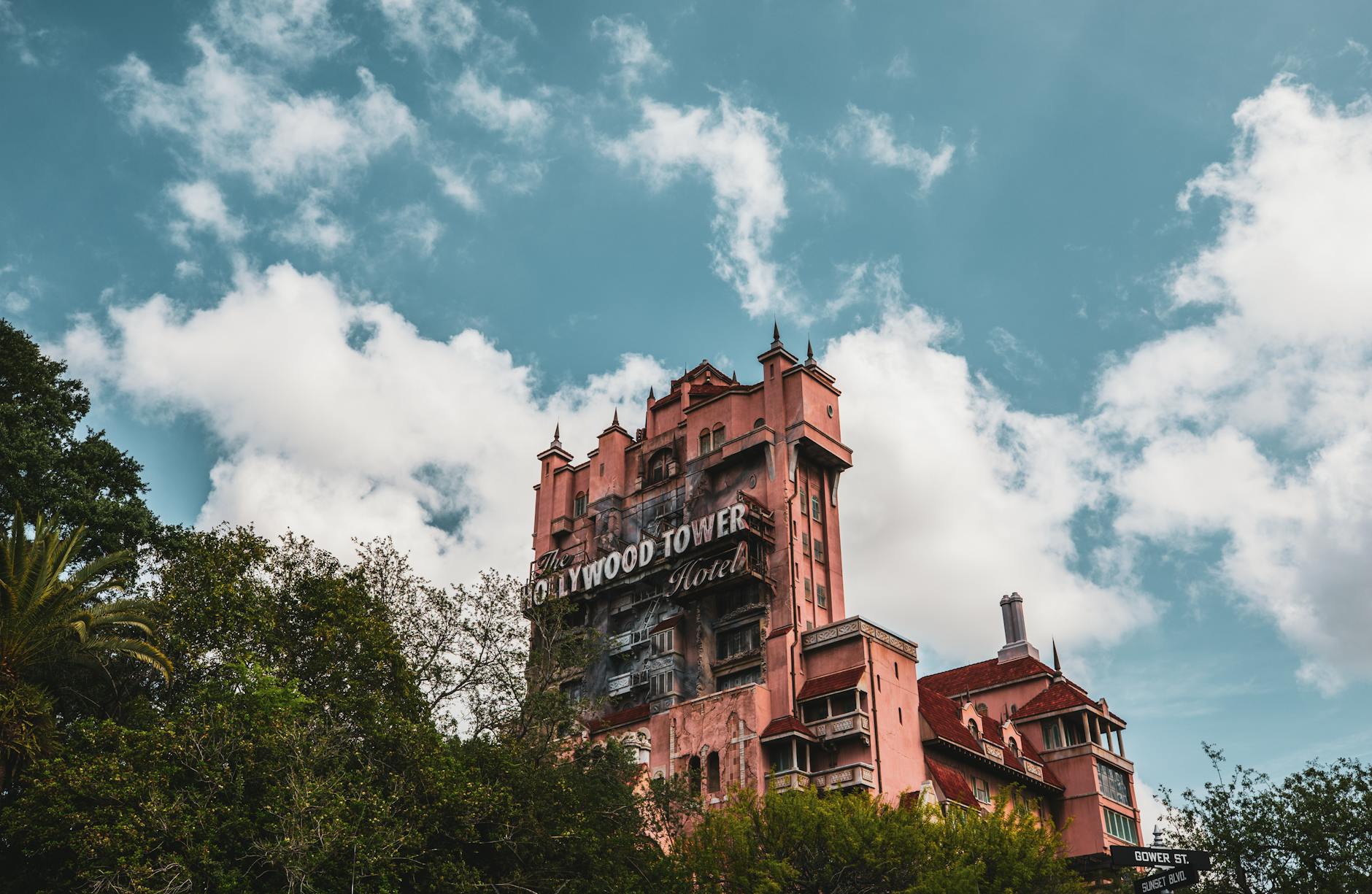
Disney’s investment in Pandora””The World of Avatar at Walt Disney World was predicated on the assumption that the franchise would generate ongoing cultural engagement that would drive theme park attendance. Opened in 2017, the land features two attractions””Flight of Passage and Na’vi River Journey””along with themed dining and retail. While Flight of Passage remains one of Disney’s most popular attractions, the broader synergy between films and parks has proven less robust than anticipated. This theme park dimension matters for Avatar 3 because Disney’s investment thesis included substantial non-theatrical revenue streams.
If the films cannot drive merchandise and experience sales, the franchise’s overall value proposition diminishes even if box office returns remain strong. The company has notably been quieter about Avatar’s theme park future, with Pandora expansion plans seemingly deprioritized in favor of other intellectual properties. The calculus for Avatar 3’s success therefore extends beyond simple box office tallies. Disney needs the film to reinvigorate interest in the broader Avatar ecosystem, driving guests to theme parks and consumers to merchandise. The Way of Water’s modest cultural penetration did not achieve these goals, and Avatar 3 faces the challenge of reversing this trend while the franchise ages and audience attention fragments further.
- **Limited merchandise velocity**: Avatar-themed merchandise at Disney parks sells at rates well below Star Wars and Marvel properties
- **Expansion pause**: Unlike Star Wars: Galaxy’s Edge, which expanded to both Disneyland and Walt Disney World, Avatar has seen no additional theme park footprint
- **Character meet-and-greet challenges**: The franchise’s alien characters don’t translate easily to the costumed character experiences that drive guest engagement

International Market Dependence and Currency Risk
Avatar’s financial model relies heavily on international markets, particularly China, which contributed $247 million to The Way of Water’s total. This international dependence introduces volatility that could significantly impact Avatar 3’s performance in ways beyond Disney’s control. The geopolitical relationship between the United States and China has grown more complicated since The Way of Water’s release. Chinese regulators have become increasingly selective about which Hollywood films receive release dates, and quota limitations mean Avatar 3’s Chinese release is not guaranteed despite the franchise’s historical performance there.
Should Avatar 3 face restrictions or reduced screen allocation in China, the box office ceiling would decrease by hundreds of millions of dollars. Currency fluctuations also affect international returns when converted to dollars for financial reporting. The strong dollar environment that has persisted makes international grosses less valuable in reported terms, potentially creating optics problems even if local currency performance remains strong. Disney’s investor communications around Avatar 3 will need to navigate these complexities while managing expectations.
How to Prepare
- **Revisit The Way of Water’s reception** by reading contemporary reviews and audience reactions, noting the gap between technical praise and emotional engagement that characterized its reception
- **Monitor pre-release tracking** through industry publications like Variety and Deadline, which will report on audience awareness and intent-to-see metrics in the months before release
- **Follow Cameron’s promotional strategy** to understand how the marketing team addresses concerns about franchise fatigue and attempts to generate event-level anticipation
- **Compare international release patterns** to previous installments, particularly watching for China release date announcements and any restrictions that may emerge
- **Track premium format allocation** at major theater chains, as IMAX and Dolby Cinema screen distribution will indicate exhibitor confidence in the film’s appeal
How to Apply This
- **Theater operators** should evaluate their premium format scheduling flexibility, preparing contingencies if Avatar 3 underperforms initial projections
- **Disney investors** can use Avatar 3’s performance as a bellwether for the company’s theatrical strategy and franchise management capabilities
- **Film industry analysts** should track Avatar 3’s daily grosses against comparable tentpoles to assess whether the franchise maintains event status
- **General audiences** can make informed viewing decisions about whether theatrical or home viewing better suits their interest level
Expert Tips
- **Watch for marketing pivot points**: If Disney’s advertising shifts emphasis from story to spectacle late in the campaign, this typically signals concern about narrative engagement
- **Opening weekend versus total gross ratio matters**: Event films typically earn 25-35% of their total in opening weekend; Avatar films historically run lower, but a significant change could indicate shifting audience behavior
- **China’s release timing provides intelligence**: A same-day global release signals confidence; a delayed China release often indicates negotiation difficulties or concerns about reception
- **Premium format percentage reveals audience motivation**: If 3D and IMAX percentages decline relative to The Way of Water, audiences may be less invested in the technical experience that defines Avatar’s appeal
- **Social media velocity is more telling than sentiment**: Raw conversation volume, not positive/negative ratios, better predicts event status in modern theatrical releases
Conclusion
The question of whether Avatar 3 can deliver on Disney’s event movie expectations reflects broader uncertainties about theatrical filmmaking’s future. The franchise’s combination of record-breaking grosses and minimal cultural permanence presents a unique puzzle””one that suggests financial success and cultural impact have become increasingly decoupled in modern cinema. Cameron’s technical mastery continues to push boundaries, but technology alone may not sustain the theatrical urgency that Disney requires to justify the Avatar franchise’s central position in its content strategy.
For moviegoers, Avatar 3 will likely deliver exactly what the franchise has always provided: unparalleled visual spectacle and immersive world-building that rewards theatrical viewing. Whether that proposition remains compelling enough to generate true event status””the opening weekend rush, the cultural conversation dominance, the merchandise enthusiasm””remains genuinely uncertain. The answer will reveal much about what audiences want from theatrical experiences and whether spectacle alone can carry a franchise into its third decade.
Frequently Asked Questions
How long does it typically take to see results?
Results vary depending on individual circumstances, but most people begin to see meaningful progress within 4-8 weeks of consistent effort.
Is this approach suitable for beginners?
Yes, this approach works well for beginners when implemented gradually. Starting with the fundamentals leads to better long-term results.
What are the most common mistakes to avoid?
The most common mistakes include rushing the process, skipping foundational steps, and failing to track progress.
How can I measure my progress effectively?
Set specific, measurable goals at the outset and track relevant metrics regularly. Keep a journal to document your journey.