The top Ingrid Bergman movies represent some of the finest achievements in cinema history, spanning four decades of work that earned her three Academy Awards and cemented her status as one of Hollywood’s most luminous and talented performers. Born in Stockholm in 1915, Bergman brought an unusual combination of natural beauty, emotional depth, and technical precision to every role she inhabited, creating performances that continue to resonate with audiences more than forty years after her death. Bergman’s career trajectory took her from Swedish film studios to the heights of Hollywood glamour, through European art cinema, and back again to American productions. Her filmography addresses fundamental questions about love, sacrifice, moral complexity, and human resilience.
For film enthusiasts seeking to understand classic Hollywood and the evolution of screen acting, studying Bergman’s work provides essential insight into how cinema developed as an art form during its golden age. Her collaborations with directors like Alfred Hitchcock, Roberto Rossellini, and Ingmar Bergman produced works that remain touchstones for filmmakers and actors today. By the end of this guide, readers will have a thorough understanding of which Ingrid Bergman films deserve attention and why each matters within the broader context of film history. This exploration covers her most acclaimed performances, examines her artistic evolution across different periods and genres, and provides practical guidance for those looking to experience her filmography systematically. Whether approaching Bergman’s work for the first time or seeking to deepen existing appreciation, this comprehensive overview illuminates why her performances continue to captivate viewers across generations.
Table of Contents
- What Makes Ingrid Bergman’s Movies So Enduringly Popular?
- Essential Ingrid Bergman Films from the Hollywood Golden Age
- Ingrid Bergman’s Collaborations with Alfred Hitchcock
- Discovering Bergman’s Italian Neorealist Period
- Award-Winning Performances in Ingrid Bergman Movies
- Later Career Highlights and Television Work
- How to Prepare
- How to Apply This
- Expert Tips
- Conclusion
- Frequently Asked Questions
What Makes Ingrid Bergman’s Movies So Enduringly Popular?
Ingrid Bergman’s films maintain their popularity decades later because she possessed qualities that translated extraordinarily well to the screen while remaining rare among her contemporaries. Her natural, understated acting style stood in sharp contrast to the more theatrical approaches common during Hollywood’s studio era. Bergman appeared to think and feel authentically on camera, creating an intimacy with audiences that few performers of any era have matched. Directors consistently noted her ability to convey complex emotions with minimal visible effort, making her characters feel like real people rather than dramatic constructs.
The technical aspects of Bergman’s craft contributed significantly to the lasting power of her performances. She mastered the use of her expressive eyes to communicate thoughts her characters couldn’t speak aloud, a skill particularly valuable in the era before explicit dialogue became standard. Her facility with languages allowed her to work convincingly in English, Swedish, German, Italian, and French productions, broadening her range and exposing her to diverse filmmaking traditions that enriched her technique. Cinematographers frequently remarked on how effortlessly the camera loved her, yet this photogenic quality never overwhelmed the substance of her characterizations.
- Her performances balanced vulnerability with inner strength, creating characters audiences could both admire and worry about
- She chose roles that challenged prevailing stereotypes about women in cinema, playing scientists, resistance fighters, and morally complex figures
- Her willingness to work with innovative directors pushed her artistically and resulted in films that aged better than more conventional productions
- The genuine emotional investment she brought to her work created moments of authentic feeling that remain affecting regardless of changing cinematic fashions

Essential Ingrid Bergman Films from the Hollywood Golden Age
The Hollywood period of Bergman’s career, roughly 1939 to 1949, produced many of her most beloved and frequently viewed performances. “Casablanca” (1942) remains the most famous film of this era, though Bergman herself was reportedly uncertain about its quality during production. Her portrayal of Ilsa Lund, caught between love for Humphrey Bogart’s Rick and duty to her resistance leader husband, provided the emotional core of what became one of American cinema’s defining achievements.
The film earned eight Academy Award nominations and won Best Picture, though Bergman herself was not nominated for her work in it. “Gaslight” (1944) brought Bergman her first Academy Award for Best Actress and showcased her ability to portray psychological deterioration with heartbreaking precision. She plays a woman whose husband systematically attempts to drive her insane to cover up a murder, and Bergman’s gradual transition from confident newlywed to terrified victim demonstrated range that her earlier Hollywood roles had only hinted at. The film’s director, George Cukor, later praised her instinctive understanding of how to reveal her character’s internal state through small physical details rather than obvious emotional displays.
- “For Whom the Bell Tolls” (1943) earned Bergman her first Oscar nomination for playing Maria, a young woman traumatized by the Spanish Civil War
- “The Bells of St. Mary’s” (1945) proved her commercial appeal, becoming one of the highest-grossing films of the 1940s
- “Notorious” (1946), directed by Alfred Hitchcock, is widely considered among the finest films either artist ever made
- “Joan of Arc” (1948) represented Bergman’s longtime passion project, earning her another Academy Award nomination despite mixed reviews
Ingrid Bergman’s Collaborations with Alfred Hitchcock
The three films Bergman made with Alfred Hitchcock constitute some of the most sophisticated work either artist produced and deserve special attention within any survey of her career. Their professional relationship began with “Spellbound” (1945), a psychological thriller in which Bergman plays a psychiatrist who falls in love with an amnesiac patient she believes committed murder. The film’s dreamlike sequences, designed by Salvador Dalí, created an atmosphere that complemented Bergman’s ethereal screen presence, though the collaboration between actress and director had not yet reached its full potential.
“Notorious” (1946) represents the pinnacle of Bergman’s work with Hitchcock and stands among the greatest films in either artist’s filmography. She plays Alicia Huberman, the daughter of a convicted Nazi spy who agrees to infiltrate a group of German expatriates in Brazil by seducing their leader, played by Claude Rains. The film explores themes of love, sacrifice, and redemption with unusual sophistication for its era, and Bergman’s performance captures the tragic dimensions of a woman using her sexuality as a weapon while genuinely falling in love. The famous kissing scenes between Bergman and Cary Grant, filmed to circumvent censorship restrictions on kiss duration, remain among cinema’s most romantic moments.
- Hitchcock reportedly considered Bergman his favorite actress to direct, praising her professionalism and emotional availability
- Their third collaboration, “Under Capricorn” (1949), though less commercially successful, contains one of Bergman’s most demanding performances as an alcoholic noblewoman
- The visual language Hitchcock developed in these films influenced how subsequent directors photographed Bergman and other actresses of similar type

Discovering Bergman’s Italian Neorealist Period
Ingrid Bergman’s departure from Hollywood in 1949 to work with Italian director Roberto Rossellini scandalized America and temporarily destroyed her domestic career, yet this period produced some of her most artistically significant work. The films she made with Rossellini between 1950 and 1955 challenged audiences accustomed to Hollywood glamour, presenting Bergman in stripped-down productions that prioritized emotional truth over technical polish. While these films initially received hostile or indifferent responses, subsequent reassessment has elevated several to classic status.
“Stromboli” (1950), the first Rossellini-Bergman collaboration, cast her as a Lithuanian refugee who marries an Italian fisherman to escape a displaced persons camp, only to find herself trapped in a harsh life on a volcanic island. The film’s documentary-influenced approach and ambiguous ending confused contemporary audiences but anticipated developments in European art cinema that would become dominant in subsequent decades. Bergman’s performance, more raw and less polished than her Hollywood work, revealed new dimensions of her talent and influenced her approach to acting for the remainder of her career.
- “Europa ’51” (1952) addressed postwar spiritual crisis through the story of a wealthy woman who abandons her social position after her son’s death
- “Journey to Italy” (1954) is now considered a masterpiece of modern cinema and a crucial influence on the French New Wave
- “Fear” (1954), their final collaboration, explored marital breakdown with uncomfortable intensity
- These films remain less widely seen than Bergman’s Hollywood work but reward viewers seeking deeper engagement with her artistry
Award-Winning Performances in Ingrid Bergman Movies
Bergman’s Academy Award victories provide useful markers for understanding how her career evolved and which performances achieved the greatest contemporary recognition. Her three Oscar wins span different phases of her career and represent distinctly different types of roles, demonstrating her versatility across genres and emotional registers. Studying these award-winning performances offers insight into both Bergman’s range and the changing standards by which acting excellence was judged during the mid-twentieth century.
The second Oscar came for “Anastasia” (1956), which marked Bergman’s triumphant return to Hollywood filmmaking after her Italian exile. She plays a woman who may or may not be the surviving daughter of the last Russian tsar, and the role required her to convince audiences of her character’s authenticity while maintaining ambiguity about whether the character herself was genuine or performing. The film’s success restored Bergman’s American career and proved that audiences had forgiven the scandal that had temporarily exiled her from the country’s screens.
- “Gaslight” (1944) won Bergman her first Oscar for depicting psychological abuse with devastating accuracy
- “Anastasia” (1956) earned her second Best Actress award and represented one of cinema’s greatest comeback stories
- “Murder on the Orient Express” (1974) brought a third Oscar, this time for Best Supporting Actress, in a role lasting only thirteen minutes
- She received additional nominations for “For Whom the Bell Tolls,” “The Bells of St. Mary’s,” “Joan of Arc,” and “Autumn Sonata”
- Her final nomination came for Ingmar Bergman’s “Autumn Sonata” (1978), completing a remarkable forty-year span of recognized excellence
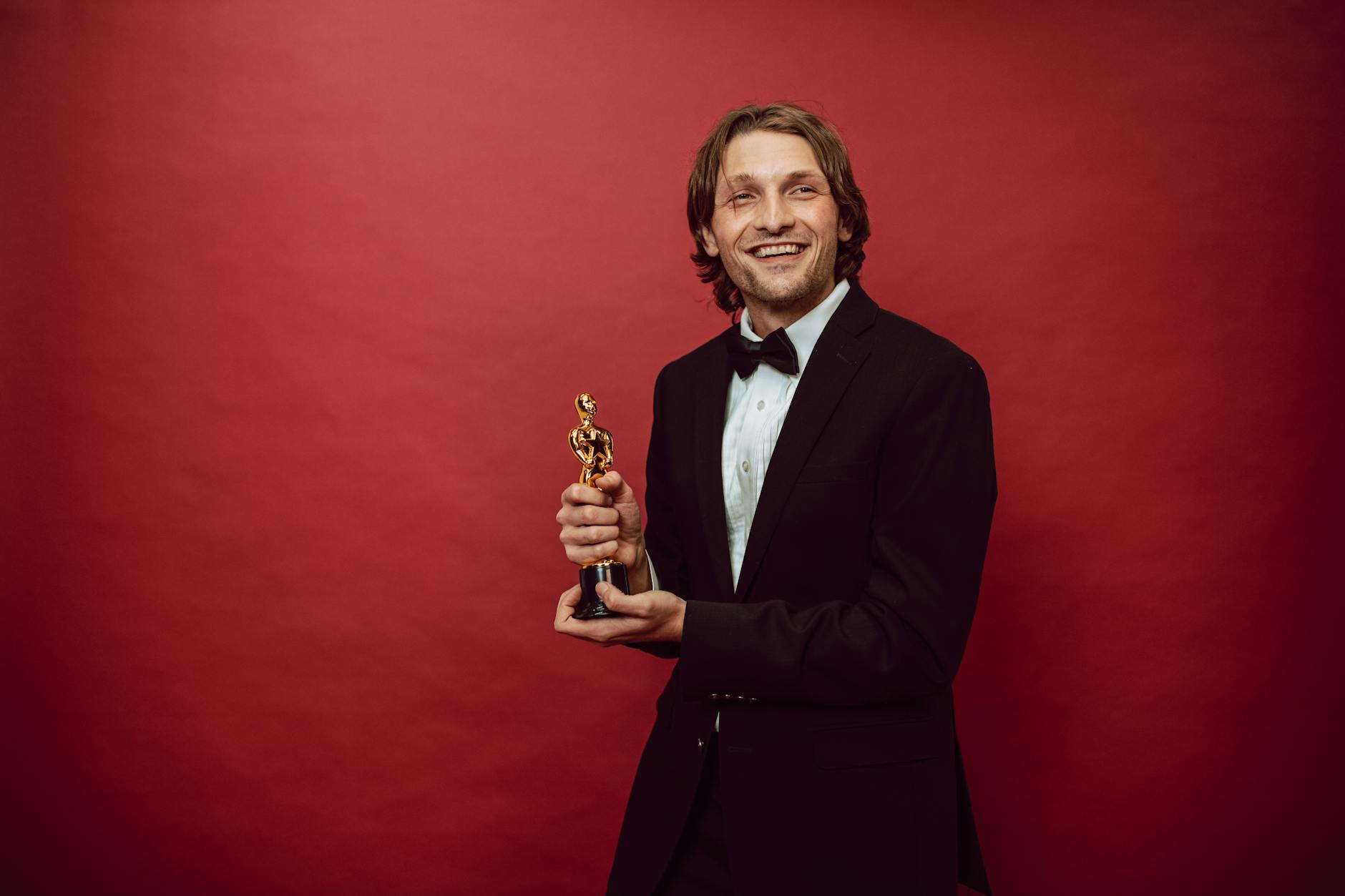
Later Career Highlights and Television Work
Bergman’s later career, from the 1960s through her death in 1982, included distinguished work in both film and television that deserves attention alongside her more famous earlier performances. Age brought new opportunities to play complex maternal figures and women confronting mortality, themes she addressed with characteristic honesty and skill. These performances often receive less attention than her 1940s classics but contain some of her most mature and technically accomplished work.
Her Emmy-winning television movie “A Woman Called Golda” (1982) demonstrated her commitment to challenging roles even as she battled the cancer that would soon claim her life. Playing Israeli Prime Minister Golda Meir required extensive makeup and physical transformation, yet Bergman brought the same emotional authenticity to this biographical role that had characterized her finest earlier work. She completed the production despite significant physical discomfort, and her performance remains one of the most acclaimed television portrayals of a real historical figure.
How to Prepare
- **Start with “Casablanca” and “Notorious”** as foundational texts that establish Bergman’s essential screen persona and demonstrate why she became such an iconic figure. These two films from the 1940s represent her Hollywood work at its peak and provide context for understanding both what she achieved within the studio system and what she sought beyond it.
- **Watch “Gaslight” to understand her dramatic range** and see how she could carry a film as its sole center of attention. This performance won her first Oscar and demonstrates her ability to portray psychological vulnerability without sacrificing the underlying strength that characterized her screen presence.
- **Explore the Hitchcock collaborations chronologically** to observe how director and actress developed their working relationship and visual language together. Starting with “Spellbound,” moving to “Notorious,” and concluding with “Under Capricorn” reveals increasing sophistication and mutual trust.
- **Sample at least one Rossellini film**, ideally “Journey to Italy,” to experience the radically different approach Bergman adopted during her Italian period. This context illuminates how her later Hollywood work incorporated lessons from European art cinema.
- **Conclude with “Autumn Sonata”** to witness Bergman at the height of her powers, bringing decades of experience to a role written specifically to challenge her. This final major film role provides a fitting capstone to any systematic exploration of her career.
How to Apply This
- **Research the historical context** of each film before viewing, particularly regarding World War II-era productions like “Casablanca” and “Notorious,” which gain additional resonance when understood within their original circumstances of production and release.
- **Pay attention to Bergman’s facial expressions and eye movements** rather than focusing solely on dialogue, as her technique relied heavily on nonverbal communication that rewards careful observation.
- **Compare her performances across different directors** to appreciate how she adapted her approach to various filmmaking styles while maintaining her essential qualities as a performer.
- **Watch films from each major period** of her career rather than concentrating exclusively on the most famous Hollywood productions, as her artistic growth becomes apparent only through broader sampling of her work.
Expert Tips
- **Seek out restored versions** of Bergman’s films whenever possible, as proper presentation reveals the careful attention to lighting and composition that characterized her best work. The Criterion Collection releases of “Notorious” and the Rossellini films represent particularly strong restorations.
- **Read Bergman’s autobiography “My Story”** for context on her artistic decisions and personal perspectives on her major films. Her frank discussion of her career provides insight that enhances appreciation of her performances.
- **Don’t neglect her Swedish-language work**, particularly her early films like “Intermezzo” (1936) that established her reputation before Hollywood recruited her. These performances reveal her natural talent before studio polish refined her technique.
- **Watch her scenes multiple times** when studying her technique, as her subtlety means significant details often register only on repeated viewing. Her performance in the final scene of “Casablanca” repays particularly close attention.
- **Consider viewing her films with commentary tracks** when available, as film scholars and restoration experts often provide valuable context about production circumstances and critical reception that enhances understanding of her achievements.
Conclusion
The top Ingrid Bergman movies represent not merely excellent entertainment but essential documents in the history of screen acting and cinema as an art form. Her career arc, from Swedish ingénue through Hollywood star to European art cinema collaborator and eventual elder stateswoman of dramatic performance, traces the medium’s own development during its most transformative decades. Understanding her work provides foundational knowledge for anyone seriously interested in film history, acting technique, or the evolution of how women have been portrayed on screen.
Those beginning to explore Bergman’s filmography have considerable riches ahead. The films discussed here represent only a fraction of her output, and even her lesser-known works contain moments of brilliance worth discovering. Her influence on subsequent generations of actresses, from Liv Ullmann to Cate Blanchett, ensures that her approach to the craft continues shaping contemporary performance. Engaging with her body of work connects viewers to a tradition of artistic excellence that transcends the passing fashions of any particular era.
Frequently Asked Questions
How long does it typically take to see results?
Results vary depending on individual circumstances, but most people begin to see meaningful progress within 4-8 weeks of consistent effort.
Is this approach suitable for beginners?
Yes, this approach works well for beginners when implemented gradually. Starting with the fundamentals leads to better long-term results.
What are the most common mistakes to avoid?
The most common mistakes include rushing the process, skipping foundational steps, and failing to track progress.
How can I measure my progress effectively?
Set specific, measurable goals at the outset and track relevant metrics regularly. Keep a journal to document your journey.