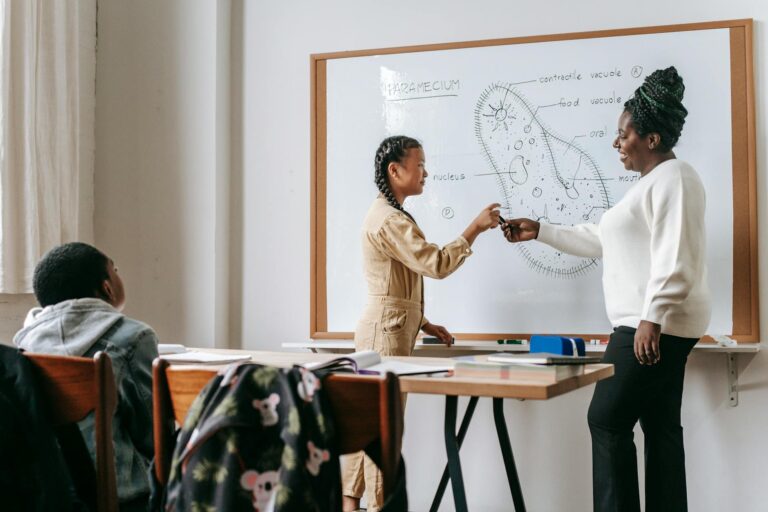
Replacing passive entertainment with active connection is one of the most important shifts we can make in our daily lives. Passive entertainment is something most of us do every day without even thinking about it. It means sitting back and letting something happen to us. Watching TV, scrolling through social media, listening to music while doing nothing else, or playing simple video games where you just press buttons and watch things unfold are all examples of passive entertainment. These activities are easy and convenient, but they don’t ask much from us. We don’t have to think deeply, move our bodies, or interact with others. We just consume.
Active connection is the opposite. It means doing something that involves our minds, our bodies, or our relationships with other people. It could be playing a sport, reading a book, having a real conversation, making art, or solving a puzzle. Active connection requires effort, but it also brings more satisfaction, better health, and stronger relationships. The good news is that anyone can start replacing passive entertainment with active connection, no matter how busy or tired they feel.
The first step is to notice how much time you spend on passive entertainment. Most people spend hours every day watching videos, scrolling through apps, or listening to podcasts while doing nothing else. This is not bad in itself, but when it takes up most of your free time, it can make you feel tired, disconnected, and less creative. You might find that you remember less of what you watched, feel less motivated, or struggle to focus on important tasks. This happens because passive entertainment does not challenge your brain or body. It does not ask you to think, move, or connect with others.
To start making a change, pick one small habit to replace. For example, if you usually watch a show while eating dinner, try eating without the screen. Pay attention to the taste of your food, the people around you, or your own thoughts. If you scroll through your phone before bed, try reading a book or writing in a journal instead. These small changes might feel strange at first, but they help your mind and body become more active. You will start to notice things you missed before, like the details in a story, the feelings in your body, or the thoughts in your head.
Another way to replace passive entertainment is to choose activities that involve movement. Sitting for long periods is not good for your health, but moving your body helps your brain work better, your mood improve, and your energy increase. Instead of watching a workout video, try doing the exercises yourself. Instead of playing a video game where you just press buttons, try a game that makes you move, like dancing, sports, or active video games that use your whole body. Even simple things like walking, stretching, or playing with a pet can make a big difference. The key is to get your body involved, not just your eyes and ears.
Reading is another powerful way to replace passive entertainment. When you watch a movie or a show, the images and sounds are given to you. You don’t have to imagine anything. When you read a book, your mind has to create the pictures, the voices, and the feelings. This makes reading a much more active experience. You have to pay attention, remember details, and use your imagination. Reading can be about anything – stories, facts, ideas, or even instructions. The important thing is that it makes your brain work in a way that watching does not.
Talking to other people is also a form of active connection. Many people spend a lot of time alone with screens, even when they are with others. Instead of watching something together, try having a real conversation. Ask questions, listen carefully, and share your own thoughts and feelings. This kind of connection helps you understand other people better and feel more connected to them. It also helps you learn new things and see the world from different perspectives. Even short conversations can make a big difference in how you feel.
Playing games that require skill and thinking is another way to replace passive entertainment. Old-fashioned games like chess, cards, or board games make you use your brain and sometimes your body. Modern games like escape rooms, trivia, or skill-based video games also ask you to think, plan, and react. These games are more fun and satisfying than games that are based only on luck or simple actions. They give you a sense of control and achievement, which passive entertainment rarely does.
Creative activities are also great for active connection. Drawing, painting, writing, making music, or building things with your hands all involve your mind and body. These activities let you express yourself, solve problems, and make something new. They don’t have to be perfect or professional. The important thing is that you are doing something, not just watching or listening.
Outdoor activities are another way to replace passive entertainment. Going for a walk, playing in a park, gardening, or exploring nature all involve movement, observation, and connection with the world around you. These activities help you feel more alive and present. They also give you a break from screens and the constant noise of modern life.
Technology can also be used for active connection, not just passive entertainment. Many apps and websites now offer interactive experiences, like online classes, virtual tours, or games that make you move or think. You can use your phone or computer to learn something new, connect with friends, or create something. The key is to choose activities that make you do something, not just watch or scroll.
Replacing passive entertainment with active connection is not about giving up all screens or easy activities. It is about finding a balance. It is about making sure that some of your free time is spent doing things that challenge your mind, move your body, or connect you with others. This kind of balance makes life more interesting, more satisfying, and more meaningful.
One of the best ways to make this change is to plan ahead. Think about your day and decide when you will do something active instead of passive. You can start with just a few minutes a day and build up from there. You can also invite friends or family to join you. Doing active things together makes them more fun and helps you stay motivated.
Another important thing is to notice how you feel after different activities. When you spend time on passive entertainment, you might feel relaxed but also tired, bored, or disconnected. When you spend time on active connection, you might feel more energized, focused, and connected. Paying attention to these feelings can help you make better choices about how you spend your time.
It is also helpful to create spaces and routines that support active connection. Keep books, games, or art supplies where you can see them. Set aside time for movement, conversation, or creativity. Make it easy to choose active activities instead of passive ones.
Finally, be patient with yourself. Changing habits takes time and effort. You might slip back into passive entertainment sometimes, and that is okay. The important thing is to keep trying and to notice the small improvements. Every time you choose an active connection over passive entertainment, you are making your life richer and more fulfilling.