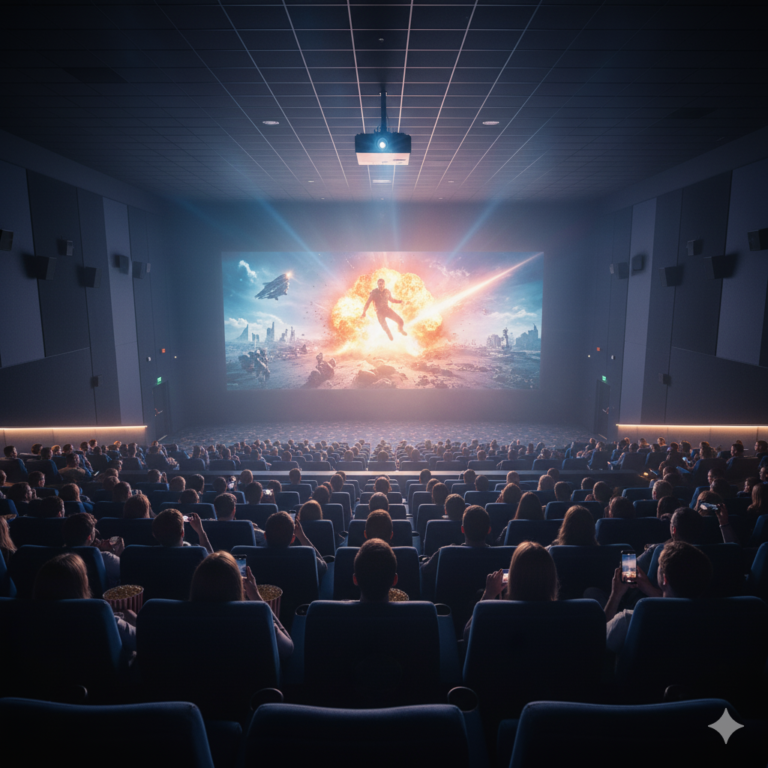
Learning how to match movies with mood-based themes transforms the viewing experience from passive entertainment into a form of emotional resonance and personal catharsis. The relationship between cinema and human psychology runs deeper than simple distraction””films possess the unique ability to validate our feelings, shift our emotional states, and provide the exact narrative medicine we need at any given moment. Understanding this connection allows viewers to curate their watching habits with intention rather than scrolling endlessly through streaming catalogs hoping something feels right. The challenge most viewers face is the disconnect between knowing how they feel and knowing what to watch.
Streaming platforms offer algorithmic recommendations based on viewing history, but these systems cannot account for the nuanced emotional landscape of a Tuesday evening after a difficult workday versus a Sunday afternoon filled with restless energy. A 2023 study from the University of Southern California found that 67% of viewers spend more than 20 minutes deciding what to watch, with many ultimately settling on rewatches of familiar content because the selection process becomes too overwhelming. This decision fatigue stems from lacking a framework for matching internal states to external content. By the end of this guide, readers will possess a practical system for identifying their current emotional needs, categorizing films by their mood-altering properties, and building a personal library of go-to titles for various psychological states. The approach draws from film theory, color psychology, narrative structure analysis, and viewer experience research to create a comprehensive method for mood-based movie matching that works across genres, decades, and cultural backgrounds.
Table of Contents
- Why Does Matching Movies to Your Current Mood Matter for the Viewing Experience?
- Understanding Mood Categories and Their Corresponding Film Themes
- The Psychology of Color, Pacing, and Score in Mood-Based Film Selection
- Building Your Personal Mood-to-Movie Matching System
- Common Mistakes When Matching Films to Emotional States
- Using Film Communities and Resources for Mood-Based Recommendations
- How to Prepare
- How to Apply This
- Expert Tips
- Conclusion
- Frequently Asked Questions
Why Does Matching Movies to Your Current Mood Matter for the Viewing Experience?
The science behind mood-congruent media selection reveals why certain films resonate deeply while others fall flat despite critical acclaim. Psychologists refer to the phenomenon of seeking media that matches our emotional state as “mood management theory,” first articulated by Dolf Zillmann in the 1980s. This theory suggests that individuals instinctively gravitate toward content that will regulate their emotional states””sometimes seeking validation of current feelings, other times pursuing emotional contrast to shift their mental landscape. Understanding this dynamic provides the foundation for intentional film selection. Matching movies with mood-based themes matters because misaligned viewing creates cognitive dissonance and emotional disconnection.
Attempting to watch an intense psychological thriller while feeling anxious rarely provides relief””it amplifies existing tension. Similarly, forcing oneself through a slow-burn art film when craving excitement leads to frustration and abandoned viewings. Research from the Journal of Media Psychology indicates that viewers who select content aligned with their emotional needs report 43% higher satisfaction rates and are 2.5 times more likely to complete the film without distraction. The benefits extend beyond immediate satisfaction into longer-term emotional regulation and self-awareness. Regular practice of mood-based movie matching develops emotional intelligence by requiring viewers to accurately identify and articulate their internal states. This reflective process””asking “What do I actually need right now?” rather than “What sounds good?”””builds psychological vocabulary and self-understanding that transfers to other areas of life.
- **Emotional validation**: Films that mirror current feelings provide the comfort of recognition and the sense that one’s experiences are universal
- **Cathartic release**: Mood-matched content creates safe containers for processing difficult emotions through narrative distance
- **Intentional restoration**: Strategic film selection becomes a tool for self-care rather than mere time consumption

Understanding Mood Categories and Their Corresponding Film Themes
Effective mood-based movie matching requires developing a taxonomy of emotional states and their cinematic counterparts. Rather than relying on broad genre classifications like “comedy” or “drama,” which contain enormous tonal variation, a mood-based approach categorizes films by their emotional effect on viewers. A screwball comedy from the 1940s produces vastly different psychological effects than a dark satirical comedy from the 2000s, despite both technically belonging to the same genre. The primary mood categories for film matching include: seeking comfort (films that provide warmth, safety, and predictability), seeking stimulation (films that energize, excite, and create positive arousal), seeking catharsis (films that facilitate emotional release through sadness, anger, or fear), seeking reflection (films that prompt introspection and philosophical engagement), and seeking escape (films that transport viewers entirely from their current mental context).
Each category contains subcategories””comfort viewing might mean nostalgic rewatches for one person and cozy rom-coms for another. Film themes operate as the delivery mechanism for these emotional effects. A movie’s theme encompasses not just its subject matter but its visual palette, pacing, score, and narrative resolution. The theme of found family appears across genres from action films to animated features, but its emotional delivery varies dramatically. Identifying how specific thematic elements affect individual viewers becomes the key skill in mood-based matching.
- **Comfort themes**: Found family, redemption arcs, competence porn, small-town settings, nostalgic periods, reunion narratives
- **Stimulation themes**: High-stakes competition, underdog victories, heist mechanics, chase sequences, romantic tension, discovery plots
- **Catharsis themes**: Grief processing, injustice confrontation, relationship dissolution, mortality acceptance, loss and memory
- **Reflection themes**: Identity questioning, moral ambiguity, societal critique, existential examination, time and regret
- **Escape themes**: Fantasy worlds, historical immersion, utopian visions, adventure quests, transformation journeys
The Psychology of Color, Pacing, and Score in Mood-Based Film Selection
Beyond narrative themes, the technical elements of filmmaking profoundly influence emotional response and should factor into mood-based movie matching decisions. Cinematographers and directors make deliberate choices about color grading, shot composition, editing rhythm, and musical accompaniment that create subconscious emotional experiences independent of plot content. Developing literacy in these elements allows for more precise mood matching. Color psychology in film operates on both cultural associations and physiological responses. Warm color palettes dominated by oranges, yellows, and reds tend to create feelings of intimacy, nostalgia, and comfort””explaining why so many beloved family films use golden-hour lighting extensively.
Cool palettes featuring blues, greens, and grays produce emotional distance, contemplation, or unease depending on context. The desaturated aesthetic popular in prestige dramas signals seriousness and invites intellectual engagement, while the hyperreal colors of Wes Anderson films create whimsy and emotional safety through artificiality. Pacing determines the viewer’s physiological state during watching. Films with rapid editing, multiple storylines, and compressed time create elevated heart rates and heightened attention””suitable for moods requiring energy or distraction but potentially overwhelming for viewers seeking calm. Slow cinema, characterized by long takes and deliberate pacing, activates the parasympathetic nervous system and produces meditative states. The score amplifies these effects: minor keys and sparse instrumentation deepen melancholy, while major keys and full orchestration elevate spirits.
- **Visual warmth signals**: Golden lighting, shallow focus, intimate framing, practical light sources, sunset scenes
- **Pacing indicators**: Average shot length, number of locations, dialogue density, subplot complexity
- **Score cues**: Instrumentation choices, melodic versus ambient scoring, silence usage, diegetic versus non-diegetic music

Building Your Personal Mood-to-Movie Matching System
Creating an effective personal system for mood-based movie matching requires honest self-assessment, organized tracking, and iterative refinement. The goal is developing a reliable mental catalog of films organized by emotional effect rather than traditional categorization. This system becomes increasingly valuable over time as patterns emerge and predictability improves. The foundation involves creating what film scholars call an “emotional viewing log”””a record of films watched alongside the mood before viewing, mood after viewing, and specific elements that contributed to the emotional shift. After tracking 20-30 films this way, clear patterns emerge. Certain actors might consistently provide comfort regardless of the film’s quality.
Particular directors might reliably produce the contemplative state needed for weekend afternoons. Specific decades or national cinemas might align with distinct emotional needs. Building the system also requires expanding viewing habits beyond comfort zones to populate all mood categories. Many viewers discover their libraries heavily favor one or two emotional categories while leaving others empty. Someone who gravitates toward stimulating action films might lack options for reflective viewing; someone who prefers quiet dramas might have no reliable choices for mood elevation. Intentionally seeking films to fill gaps creates a more versatile emotional toolkit.
- **Create mood-specific watchlists**: Maintain separate lists for different emotional needs rather than one general queue
- **Note personal triggers and preferences**: Track individual responses to violence, romantic content, specific themes, and resolution types
- **Identify reliable filmmakers**: Directors, writers, and cinematographers whose work consistently produces desired emotional effects
- **Account for viewing context**: Note how time of day, social setting, and current life circumstances affect film response
Common Mistakes When Matching Films to Emotional States
The most frequent error in mood-based movie matching involves confusing what one thinks they should want with what they actually need. Cultural conditioning often suggests that feeling sad requires watching something happy to “cheer up,” but psychological research consistently demonstrates that mood-congruent selection””watching something sad when sad””often provides more effective emotional regulation through validation and catharsis. The pressure to constantly optimize mood toward happiness can paradoxically prevent the processing necessary for genuine emotional movement. Another common mistake involves over-relying on nostalgia and familiar rewatches at the expense of building new emotional associations. While comfort rewatching serves important psychological functions, exclusively returning to the same titles prevents the discovery of new films that might serve emotional needs more precisely.
The twenty-fifth viewing of a beloved childhood film provides diminishing returns compared to discovering a new film that resonates equally deeply. Viewers also frequently underestimate the impact of their physical state on emotional film needs. Fatigue, hunger, illness, and physical discomfort dramatically alter what films will land effectively. A challenging art film that would provide stimulating engagement when well-rested becomes frustrating and unwatchable when exhausted. Matching films to mood requires honestly assessing energy levels alongside emotional states.
- **Ignoring intuitive resistance**: Forcing viewing when something feels wrong typically produces poor experiences
- **Genre assumption errors**: Expecting comedies to uplift or dramas to sadden regardless of specific content
- **Misreading current mood**: Confusing boredom with sadness, anxiety with excitement, or loneliness with introspection
- **Social pressure compliance**: Watching what others want rather than what personally serves emotional needs

Using Film Communities and Resources for Mood-Based Recommendations
The collective knowledge of film communities provides invaluable resources for mood-based movie matching beyond individual experience. Websites like Letterboxd, Reddit’s numerous film communities, and specialized mood-tracking applications aggregate viewer experiences into searchable databases organized by emotional response rather than traditional metrics. Learning to leverage these resources dramatically expands matching possibilities. Effective use of community resources requires translating personal emotional vocabulary into searchable terms.
Rather than searching for “happy movies,” which yields generic results, queries like “films that feel like a warm hug” or “movies for when everything feels meaningless” tap into the affective language film communities use to describe emotional experiences. The specificity of these descriptions often surfaces unexpected recommendations outside typical genre boundaries””a documentary might appear alongside animations and foreign dramas in response to a mood-specific query. Film critics who write about emotional and psychological dimensions of cinema, rather than purely technical or narrative analysis, serve as valuable guides for mood-based matching. Following critics whose sensibilities align with personal preferences creates a curated recommendation stream that accounts for emotional effect. Publications like Little White Lies, Bright Wall/Dark Room, and various Substack newsletters specialize in this affective approach to film criticism.
How to Prepare
- **Develop emotional vocabulary** by spending five minutes before seeking a film articulating the current internal state using specific descriptors beyond basic emotions. Instead of “sad,” identify whether the feeling is grief, melancholy, disappointment, loneliness, or existential heaviness””each suggests different film matches.
- **Audit existing viewing history** by reviewing the last 20 films watched and categorizing them by the mood they induced rather than their genre. This reveals current patterns and gaps in emotional coverage.
- **Create a physical or digital organizational system** with categories based on emotional effects rather than traditional sorting. Streaming services allow custom lists; physical collections can use colored stickers or separate shelving.
- **Identify personal comfort anchors** by listing 10-15 films that have reliably produced desired emotional states in the past. These become the foundation of the personal matching system.
- **Research mood-specific film lists** from trusted sources to populate underdeveloped emotional categories. Seek lists describing emotional effects rather than genre compilations.
How to Apply This
- **Conduct a pre-viewing check-in** lasting two minutes to honestly assess current emotional state, energy level, and what type of emotional movement feels needed””validation, contrast, or processing.
- **Consult the appropriate mood category** in your personal system first before browsing general catalogs or algorithmic recommendations. Starting with pre-vetted options prevents decision fatigue.
- **Watch the first fifteen minutes with attention to physical response**””note tension, breathing, engagement level, and emotional direction. If significant resistance appears, switching films early prevents wasted time and emotional mismatch.
- **Log the experience afterward** including pre-viewing mood, post-viewing mood, specific elements that contributed to emotional effect, and whether the film should join permanent rotation for that mood category.
Expert Tips
- **Trust body signals over intellectual preferences**: Physical responses like shoulder tension, breathing changes, or restlessness during the first act indicate mood mismatch regardless of how much you think you should enjoy the film.
- **Maintain separate viewing modes for social and solo watching**: Films that serve personal emotional needs often differ from those that work in group settings. Do not expect social viewing to fulfill mood-matching functions.
- **Build seasonal and cyclical awareness**: Emotional needs shift predictably with seasons, work cycles, and life rhythms. Anticipating these patterns allows proactive list building rather than reactive searching.
- **Use trailers diagnostically**: Watch trailers not to assess quality but to gauge emotional response to visual palette, pacing, and tone. Strong positive or negative reactions indicate likely viewing responses.
- **Accept that mood needs sometimes conflict with taste**: The film that will serve emotional needs best might not be the most critically acclaimed or intellectually stimulating option. Separating “best” from “best for right now” prevents pretension from undermining emotional care.
Conclusion
Mastering how to match movies with mood-based themes elevates film viewing from passive consumption to active self-care and emotional intelligence development. The framework presented here””understanding mood categories, recognizing technical elements that influence emotional response, building personal matching systems, and leveraging community resources””provides practical tools for more satisfying viewing experiences. Regular practice of intentional selection develops both cinematic literacy and psychological self-awareness.
The ultimate goal is not optimizing every viewing session for maximum emotional utility but rather developing the discernment to know when mood-matching matters and when serendipitous discovery takes priority. Some evenings call for precise emotional medicine; others invite exploration and surprise. Having the framework available means choice becomes possible where algorithmic passivity previously dominated. Films have offered emotional companionship since cinema’s earliest days””learning to accept that companionship intentionally honors both the art form and one’s own emotional life.
Frequently Asked Questions
How long does it typically take to see results?
Results vary depending on individual circumstances, but most people begin to see meaningful progress within 4-8 weeks of consistent effort.
Is this approach suitable for beginners?
Yes, this approach works well for beginners when implemented gradually. Starting with the fundamentals leads to better long-term results.
What are the most common mistakes to avoid?
The most common mistakes include rushing the process, skipping foundational steps, and failing to track progress.
How can I measure my progress effectively?
Set specific, measurable goals at the outset and track relevant metrics regularly. Keep a journal to document your journey.