Learning how to organize a virtual cult film night opens up possibilities for connecting with fellow film enthusiasts across distances, time zones, and geographic boundaries. Cult cinema””from midnight movie staples like *The Rocky Horror Picture Show* to underground oddities like *Eraserhead* and beloved genre pieces like *Repo Man*””thrives on communal viewing experiences where audience reactions, shared commentary, and collective appreciation transform passive watching into active participation. The shift toward virtual gatherings has made these experiences accessible to anyone with an internet connection, allowing devotees of obscure cinema to find their tribes regardless of physical location. The challenges of hosting a virtual cult film night differ significantly from organizing a traditional in-person screening.
Synchronization issues, platform selection, audio balancing between the film and participant voices, and maintaining the irreverent energy that defines cult movie screenings all require careful planning. Many first-time hosts underestimate the technical hurdles or fail to account for the social dynamics that make cult film viewing distinct from simply watching a movie alone while on a video call. This guide covers everything needed to execute a successful virtual cult film screening, from selecting the right technology stack to curating films that translate well to the format. By the end, readers will understand how to choose appropriate streaming platforms, manage legal considerations around film sharing, create interactive elements that capture the communal spirit of cult cinema, and troubleshoot common problems that derail virtual movie nights. Whether organizing a one-time event for friends or establishing a recurring film club, these principles apply across group sizes and technical skill levels.
Table of Contents
- What Makes a Cult Film Night Different from Regular Virtual Movie Watching?
- Choosing the Right Platform for Your Virtual Cult Film Screening
- Building Your Virtual Cult Film Night Community
- Selecting Films That Work for Virtual Cult Movie Nights
- Technical Setup and Troubleshooting for Virtual Film Screenings
- Creating Interactive Elements for Your Virtual Cult Film Event
- How to Prepare
- How to Apply This
- Expert Tips
- Conclusion
- Frequently Asked Questions
What Makes a Cult Film Night Different from Regular Virtual Movie Watching?
Cult film screenings carry traditions and expectations that separate them from casual movie viewing. The midnight movie phenomenon of the 1970s established conventions still honored today: audience participation, callback lines, costume elements, and a general atmosphere of irreverence toward the material. films earn cult status through repeated viewings by devoted audiences who find new meanings, inside jokes, and appreciation in content that mainstream audiences might dismiss or ignore. This participatory culture requires adaptation when moving to virtual formats. The defining characteristic of cult cinema viewership is active engagement rather than passive consumption.
Audiences at *Rocky Horror* screenings shout responses to dialogue, throw props at specific moments, and dress as characters. *The Room* screenings feature football tossing and synchronized heckling of Tommy Wiseau’s line readings. Even more subdued cult films like *Donnie Darko* or *Brazil* inspire post-viewing discussions that can last longer than the films themselves. A successful virtual cult film night must preserve these interactive elements while working within the constraints of remote communication technology. Virtual formats actually offer certain advantages for cult film programming that physical venues cannot match:.
- Subtitle and closed caption options benefit hearing-impaired participants and help with heavily accented or mumbled dialogue common in low-budget cult productions
- Screen sharing allows hosts to pause for discussion at key moments without disrupting a theater full of strangers
- Chat functions enable running commentary without drowning out the film audio
- Recording options let groups capture their best callback lines and reactions for future reference
- Geographic flexibility means accessing cult film communities that might not exist locally

Choosing the Right Platform for Your Virtual Cult Film Screening
Platform selection fundamentally shapes the virtual cult film experience. The major options fall into three categories: dedicated watch-party services, general video conferencing tools adapted for film viewing, and specialized Discord or chat-based solutions. Each approach involves tradeoffs between ease of use, synchronization accuracy, participant capacity, and feature sets. Dedicated watch-party platforms like Teleparty (formerly Netflix Party), Amazon Watch Party, Disney+ GroupWatch, and Scener synchronize playback across participants while providing text chat sidebars. These services work best when all participants have access to the same streaming subscription and when the desired cult film happens to be available on a supported platform.
The synchronization tends to be tight, with automatic pausing when someone falls behind. The limitation is obvious: cult film availability on major streaming services remains inconsistent, with many underground titles unavailable through these channels. For films not on mainstream services, video conferencing platforms offer more flexibility at the cost of synchronization complexity: The legal implications of streaming methods vary. Screen sharing a legally purchased or rented digital copy to a small group of friends occupies a gray area similar to inviting people over to watch a DVD. Larger public screenings, monetized events, or streaming content without rights to do so crosses into clear infringement territory that platforms actively police.
- Zoom allows screen sharing with audio, supports up to 100 participants on free plans with a 40-minute limit, and offers breakout rooms for post-film discussion groups
- Discord enables low-latency streaming through the Go Live feature, supports persistent communities between events, and integrates well with text chat and voice channels simultaneously
- Virtual browser services like Kosmi or Watch2Gether allow group control of a shared browser instance, enabling playback from various sources while maintaining synchronization
- Parsec and similar remote desktop tools let one host machine control playback while streaming to participants with minimal delay
Building Your Virtual Cult Film Night Community
A cult film night lives or dies based on participant engagement. Unlike general movie nights where the film carries the experience, cult screenings depend on audiences who arrive prepared to participate, whether through costume, commentary, or simply attentive viewing that enables rich post-film discussion. Building this community requires clear communication about expectations and deliberate cultivation of group culture. Start with a core group of three to six committed participants before expanding. This nucleus establishes the tone, develops inside jokes, and creates the social gravity that attracts additional members.
Trying to launch with large numbers of strangers rarely works because cult film viewing requires a baseline of comfort with looking foolish””shouting callbacks at a screen, wearing costumes on camera, or defending controversial opinions about maligned films. Intimacy precedes growth. Effective community-building strategies include: The question of open versus closed membership deserves consideration. Open groups grow faster but risk diluting the culture that makes cult film viewing special. Closed groups maintain intimacy but can stagnate without fresh perspectives. A middle path involves periodic open recruitment events with specific cult-friendly films that attract compatible new members, followed by invite-only regular programming.
- Creating a persistent communication channel between events, whether a Discord server, group chat, or email list where members share film recommendations, relevant articles, and behind-the-scenes content
- Establishing a regular schedule so members can plan around events””weekly, biweekly, or monthly consistency matters more than frequency
- Rotating film selection duties so different members feel ownership over the programming
- Documenting events through screenshots, highlight clips, or written recaps that create shared history
- Setting explicit ground rules about spoilers, commentary style, and participation expectations
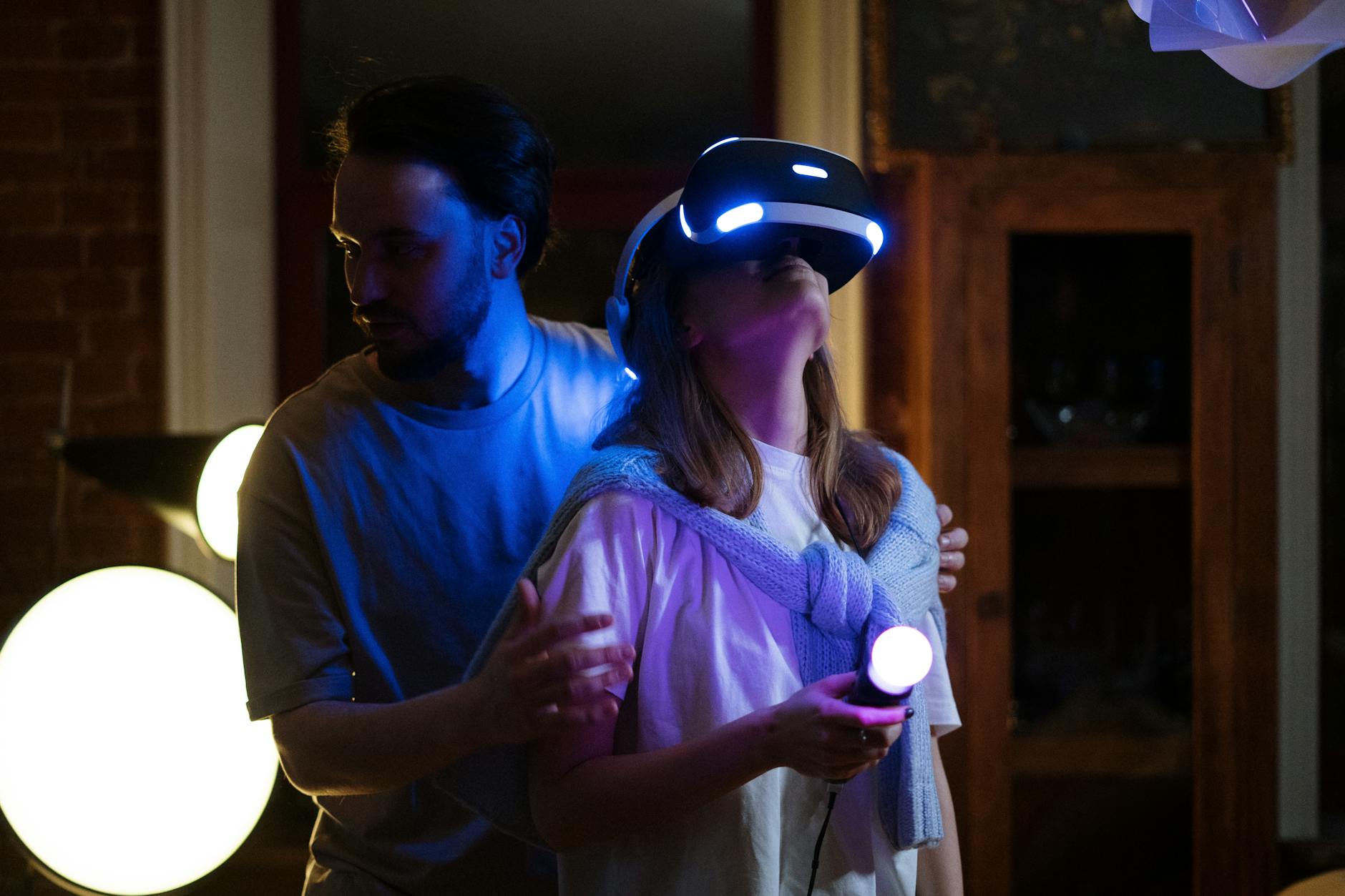
Selecting Films That Work for Virtual Cult Movie Nights
Not every cult film translates equally well to virtual viewing. The format amplifies certain qualities while diminishing others, making film selection crucial to event success. Films heavy on dialogue, visual gags, and quotable moments outperform atmospheric pieces that depend on immersion, theater-quality sound, or uninterrupted attention.
The ideal virtual cult film has a runtime under two hours, features distinct memorable scenes that provide natural discussion points, and contains enough surface-level entertainment value that technical hiccups or chat distractions don’t ruin the experience. Films that improve with commentary””whether from hosts or participants””suit the format better than meditative works requiring focused attention. Strong candidates for virtual cult film nights include: Films to approach cautiously in virtual settings include slow burns like *Stalker* or *Santa Sangre* where atmosphere matters enormously, anything requiring surround sound for full impact, visually dark films that compress poorly over video streams, and foreign language films where subtitle reading competes with chat participation.
- Comedic cult films like *The Big Lebowski*, *Office Space*, *Clue*, or *Wet Hot American Summer* where timing matters less than content
- So-bad-they’re-good selections like *Troll 2*, *Miami Connection*, *Samurai Cop*, or anything by Neil Breen where mockery is part of the appeal
- Genre films with devoted followings like *Re-Animator*, *Evil Dead II*, *They Live*, or *Starship Troopers* that reward both serious and ironic engagement
- Midnight movie classics like *El Topo*, *Pink Flamingos*, or *Faster, Pussycat! Kill! Kill!* that have established viewing traditions
- Deep cuts and obscurities that most participants have never seen, creating shared discovery experiences
Technical Setup and Troubleshooting for Virtual Film Screenings
Technical failures kill virtual movie nights faster than bad film selection. Hosts bear responsibility for testing setups before events, communicating requirements to participants, and having contingency plans when technology inevitably misbehaves. The goal is seamless enough execution that technology becomes invisible, letting the film and social experience take center stage. Audio represents the most common failure point.
When sharing a film through screen capture, the host must ensure system audio routes through the stream while their microphone either picks up their voice separately or remains muted during playback. Most video conferencing tools struggle with this configuration by default. Testing with a participant before the event reveals problems that wouldn’t appear in solo trials. The specific settings vary by operating system: Windows users often need to select “Desktop Audio” as a source, Mac users may need third-party tools like BlackHole or Loopback to capture system audio, and Linux users face driver-dependent configurations. Other technical considerations include: Creating a pre-event checklist helps ensure consistency: test audio routing two hours before start time, verify all participants have necessary accounts and permissions, confirm the film is ready to play without ads or buffering, check that chat features are working, and have a backup communication channel ready if the primary platform fails.
- Bandwidth requirements: streaming video while on a video call demands robust internet connections, with 10+ Mbps upload speed for hosts and 5+ Mbps download for participants as reasonable minimums
- Hardware acceleration: enabling GPU encoding in streaming settings reduces CPU load and improves quality, but some older systems lack support
- Resolution tradeoffs: 1080p looks better but demands more bandwidth than 720p, which remains perfectly watchable for most content
- Latency management: Discord’s lowest latency streaming mode sacrifices quality for synchronization, which matters for films with musical numbers or precise comedic timing
- Backup plans: having the film available through multiple sources means one failed stream doesn’t cancel the event

Creating Interactive Elements for Your Virtual Cult Film Event
The virtual format enables interactive elements impossible in traditional theater settings while requiring adaptation of classic cult film traditions. Thoughtful hosts layer multiple engagement mechanisms so participants with different comfort levels find ways to contribute. Some viewers want to shout callbacks; others prefer quiet observation with occasional chat comments. Accommodating both styles strengthens the community. Pre-film activities set the tone and build anticipation.
Trivia about the evening’s selection, discussion of members’ first encounters with the film, or quick rundowns of relevant filmmaker backgrounds all work. For films with established drinking game traditions, sharing the rules in advance lets participants prepare. Costume encouragement for films like *The Warriors*, *Blade Runner*, or *A Clockwork Orange* adds visual interest to the video call and demonstrates commitment. During-film engagement varies by group preference: Post-film discussion often represents the most valuable part of cult film nights. Structured prompts help: asking for favorite scenes, most quotable lines, ratings on various scales, and comparisons to other films in the same genre or by the same filmmaker generates more productive conversation than open-ended “what did everyone think?” questions.
- Running chat commentary works best with text rather than voice to avoid drowning out the film
- Designated callback moments can be voice-based if all participants mute during non-callback scenes
- Bingo cards with recurring tropes or specific events from the film gamify attentive viewing
- Prediction contests for first-time viewers let veterans enjoy newbies’ reactions while giving newcomers a role
- Timestamp-based pause points for films with complex lore allow explanatory asides without disrupting narrative flow
How to Prepare
- **Select the film and verify availability** by confirming you have legal access to the chosen title through a streaming service, digital purchase, or physical media you can capture. Check that the source is free of intrusive ads or watermarks, and watch at least the first fifteen minutes to verify audio and video quality meet standards.
- **Choose and test your streaming platform** by conducting a full technical rehearsal with at least one other person. Share the film, verify audio reaches them clearly, test the chat function, and confirm your computer can handle simultaneous streaming and video conferencing without stuttering or overheating.
- **Send invitations with explicit technical requirements** at least five days in advance, including the date and time with timezone noted, platform requirements and any necessary account creation, the film title with optional homework viewing for first-timers who want context, and any participation expectations like costumes or prepared callbacks.
- **Prepare supplementary materials** including discussion questions, trivia, relevant video essays or interviews, drinking game rules if applicable, and background information about the film’s production, release, or cult following. Having these ready prevents awkward silences and demonstrates commitment to the event.
- **Create a run-of-show document** that outlines the evening’s structure: when pre-film socializing ends, any announcements or introductions, the film runtime, planned intermission if the film exceeds ninety minutes, and allocated time for post-film discussion. Share this agenda with participants so expectations align.
How to Apply This
- **Start your first virtual cult film night with a familiar crowd and a proven film** by inviting three to five friends who already appreciate cult cinema and selecting something widely accessible like *The Princess Bride*, *Ghostbusters*, or *Big Trouble in Little China*””films with cult followings but sufficient mainstream appeal that technical hiccups won’t overshadow thin content.
- **Iterate based on feedback after each event** by sending a brief post-event survey or dedicating discussion time to what worked and what didn’t, then implementing improvements for the next screening rather than assuming silence means satisfaction.
- **Scale gradually rather than immediately pursuing large events** by adding one or two participants at a time, which allows the group culture to absorb newcomers while maintaining the intimacy that makes cult film viewing special.
- **Document and systematize your process** by keeping notes on what films worked, which technical setups proved reliable, and what discussion prompts generated the best conversations, creating an institutional memory that survives individual organizer burnout.
Expert Tips
- **Match film selection to group energy levels** by reading the room””if participants seem tired or distracted during pre-film chat, pivot from a demanding three-hour epic to a breezy ninety-minute genre piece that doesn’t require sustained attention.
- **Establish a “first-timer highlight” tradition** where newcomers to a film get priority in post-viewing discussion, which makes veterans invested in showing newbies a good time and gives first-time viewers permission to share unfiltered reactions without worrying about exposing ignorance.
- **Create a shared document for callback lines** specific to your group, developing inside jokes and participation opportunities that become traditions over time, distinguishing your cult film night from generic movie watching.
- **Handle disagreements about film quality generously** by remembering that cult cinema attracts viewers for wildly different reasons””someone might love *Plan 9 from Outer Space* ironically while another appreciates it earnestly, and both perspectives have validity within cult film culture.
- **Resist the urge to over-program** because some of the best cult film night moments happen organically during unstructured conversation, and filling every minute with planned activities prevents the spontaneity that builds genuine community.
Conclusion
Organizing a virtual cult film night successfully requires balancing technical competence, social facilitation, and curatorial judgment. The technical infrastructure must be reliable enough to disappear into the background while the social architecture encourages participation without mandating it. Film selection should serve the community’s interests rather than the host’s desire to showcase obscure taste. When these elements align, virtual cult film nights create genuine connection around shared appreciation for cinema’s weird, wonderful margins.
The effort invested in learning how to organize these events pays dividends beyond the screenings themselves. Participants build relationships that extend into other contexts, discover films they’d never have found alone, and develop the media literacy that comes from analyzing cinema with engaged fellow viewers. Physical distance no longer prevents film lovers from finding their communities. The tools exist; the films are out there; the only remaining step is bringing people together around screens, separated by miles but united by flickering images and the commentary that makes cult cinema come alive.
Frequently Asked Questions
How long does it typically take to see results?
Results vary depending on individual circumstances, but most people begin to see meaningful progress within 4-8 weeks of consistent effort.
Is this approach suitable for beginners?
Yes, this approach works well for beginners when implemented gradually. Starting with the fundamentals leads to better long-term results.
What are the most common mistakes to avoid?
The most common mistakes include rushing the process, skipping foundational steps, and failing to track progress.
How can I measure my progress effectively?
Set specific, measurable goals at the outset and track relevant metrics regularly. Keep a journal to document your journey.