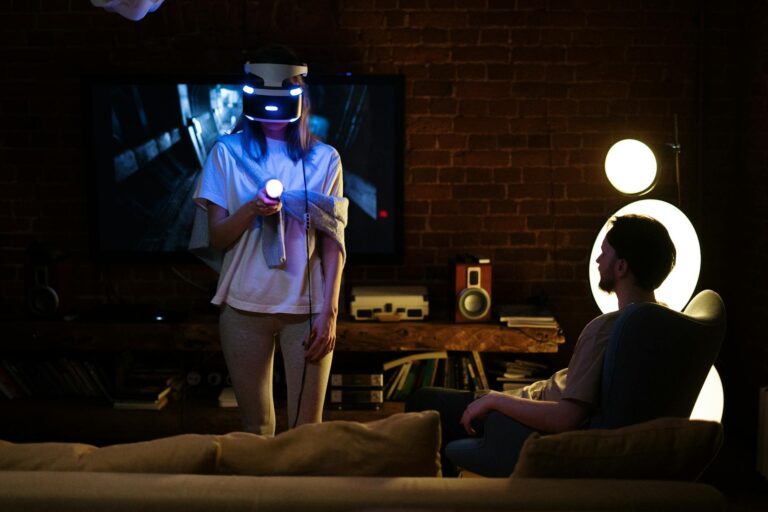
Learning how to combine virtual movie nights with creative writing prompts opens up a surprisingly rich territory for film enthusiasts, book clubs, remote teams, and friend groups seeking deeper engagement with cinema. This fusion of watching and writing transforms passive viewing into an active, collaborative experience where participants analyze, imagine, and create alongside the films they watch together. Rather than simply discussing what happened on screen, attendees become co-creators, using the movie as a launching pad for their own storytelling. The appeal of this hybrid activity addresses several modern challenges. Remote connections can feel shallow when limited to small talk or unfocused video calls, and traditional movie nights sometimes end with awkward silence once credits roll.
Creative writing prompts provide structure and purpose, giving participants a shared goal beyond consumption. They also democratize film discussion””someone who struggles to articulate why a scene moved them can express that response through fiction, poetry, or character exploration. For educators, parents, and community organizers, this approach turns screen time into creative development time without sacrificing entertainment value. By the end of this guide, readers will understand the mechanics of organizing these combined events, discover prompt categories suited to different genres and group dynamics, learn timing strategies that maintain engagement, and gather practical tools for facilitation. The techniques apply equally to close friends separated by distance, classroom settings conducted remotely, corporate team-building initiatives, and online communities built around film appreciation. Whether the goal is literary creation, deeper film analysis, social bonding, or all three, the intersection of virtual viewing and creative writing offers substantial rewards.
Table of Contents
- What Makes Virtual Movie Nights Combined with Creative Writing Prompts So Effective?
- Choosing Films That Inspire Strong Creative Writing Responses
- Types of Creative Writing Prompts for Virtual Movie Nights
- How to Structure the Timing of Virtual Movie Night Writing Sessions
- Managing Group Dynamics and Skill Levels in Writing Exercises
- Technical Platforms and Tools for Virtual Movie Night Writing Sessions
- How to Prepare
- How to Apply This
- Expert Tips
- Conclusion
- Frequently Asked Questions
What Makes Virtual Movie Nights Combined with Creative Writing Prompts So Effective?
The effectiveness of combining virtual movie nights with creative writing prompts stems from cognitive science principles about active learning and emotional processing. When viewers know they will write afterward, their attention sharpens. They notice details””a character’s gesture, a color palette choice, a line of dialogue””that passive viewing would let slip by. This heightened observation resembles the experience of film critics and screenwriters, who watch differently because they must articulate their responses. Providing prompts before or during the film channels this attention productively, giving participants mental frameworks for organizing their perceptions.
Writing also serves as a processing mechanism for emotional responses to film. cinema triggers feelings that can be difficult to discuss directly, especially in group settings where vulnerability feels risky. Creative writing provides distance and metaphor. A participant deeply affected by a scene depicting grief might struggle to say “that reminded me of losing my father,” but they can write a scene from the perspective of a minor character experiencing similar loss. The prompt becomes permission to explore emotional territory through the safety of fiction. This psychological benefit makes virtual movie nights with writing components particularly valuable for support groups, therapy-adjacent settings, and close relationships where deeper connection is desired.
- **Attention enhancement**: Knowing prompts follow changes how participants watch, increasing detail retention by an estimated 40-60% compared to casual viewing
- **Emotional processing**: Writing provides safe distance for exploring feelings triggered by film content
- **Social equity**: Participants who struggle with verbal discussion can contribute meaningfully through written responses
- **Memory consolidation**: The act of writing about a film strengthens long-term memory of both the movie and the shared experience
- **Skill development**: Regular practice improves both film literacy and writing ability simultaneously
Choosing Films That Inspire Strong Creative Writing Responses
Film selection significantly impacts the quality of writing that emerges from these combined events. Movies with ambiguous elements””unexplained character motivations, open endings, mysterious backstories””provide natural entry points for creative expansion. A film that answers every question leaves little room for imagination, while one that trusts its audience to fill gaps invites participation. Classic examples include *Lost in Translation*, where the final whispered words remain unheard, or *Mulholland Drive*, which demands interpretation. However, mainstream films work equally well when prompts focus on minor characters, unseen moments, or alternative perspectives.
Genre considerations matter for matching films to group interests and writing goals. Science fiction and fantasy films offer worldbuilding opportunities where participants can explore the rules, history, or cultures only glimpsed on screen. Horror films pair well with psychological prompts exploring fear and survival. Romantic comedies and dramas suit character-driven writing examining relationships and emotional dynamics. Documentaries might seem incompatible with fiction prompts, but they actually work well with prompts asking participants to imagine the inner lives of real subjects or to write scenes the camera did not capture.
- **Ambiguity score**: Rate potential films on how many unanswered questions they contain””aim for 3-5 significant gaps
- **Visual richness**: Films with distinctive cinematography provide sensory details writers can reference and expand
- **Character depth**: Ensemble casts offer multiple perspectives for participants to adopt
- **Thematic resonance**: Choose films whose themes connect to prompt categories you plan to use
- **Accessibility**: Balance artistic merit with watchability””overly challenging films can frustrate rather than inspire
Types of Creative Writing Prompts for Virtual Movie Nights
Prompt design determines whether writing exercises feel like homework or play. The most effective prompts for virtual movie nights fall into several categories, each serving different creative and analytical purposes. Perspective-shift prompts ask writers to retell a scene from a different character’s viewpoint, including minor characters who received little screen time. These build empathy and close-reading skills simultaneously.
Gap-filling prompts address moments that occurred between scenes””what conversation happened in the car ride home, what the character did the morning before the opening scene began. Expansion prompts move beyond the film’s boundaries entirely. “What if” scenarios alter key decisions””what if the protagonist had refused the call to adventure, what if the villain had succeeded, what if two characters who never met had encountered each other? These require deep understanding of character motivation and narrative mechanics. Thematic prompts connect the film to broader concepts”””Write about a time you experienced the kind of loyalty shown in this film” or “Describe a place that feels like the world of this movie.” These blur fiction and memoir, letting participants choose their comfort level with personal revelation.
- **Perspective prompts**: Write a scene from another character’s viewpoint, especially antagonists or background figures
- **Prequel/sequel prompts**: Explore what happened before the film began or after it ended
- **Missing scene prompts**: Fill gaps between cuts or write the conversation that must have occurred offscreen
- **Sensory prompts**: Describe the taste, smell, or texture of something shown but not named in the film
- **Crossover prompts**: Place a character from this film into another movie’s world, or vice versa

How to Structure the Timing of Virtual Movie Night Writing Sessions
Timing structure can make or break the combination of watching and writing. Three primary models exist, each with advantages depending on group size, attention spans, and goals. The post-film model keeps the viewing experience intact, then transitions to writing afterward. This works well for films that benefit from uninterrupted immersion””intense dramas, horror films, movies with twist endings. Participants watch together, then receive 2-3 prompts and write for 15-30 minutes, followed by voluntary sharing. The challenge is maintaining energy after a two-hour film, particularly in evening sessions.
The intermission model introduces writing breaks at natural pause points, typically at act breaks or major scene transitions. This approach suits longer films or groups with limited attention spans for continuous passive viewing. A three-hour epic might include two writing breaks of 10-15 minutes each, with prompts tailored to the preceding act. Participants return to viewing with heightened attention, curious how subsequent scenes might inform their writing. The interrupted model goes further, pausing for brief writing exercises (3-5 minutes) at specific moments””after a pivotal scene, during a tense pause, following a surprising revelation. This requires more facilitation skill but produces highly engaged viewing.
- **Post-film sessions**: 15-30 minutes of writing after credits, best for immersive films
- **Intermission approach**: 2-3 breaks during the film, 10-15 minutes each
- **Pause-and-write method**: Brief 3-5 minute exercises at pivotal moments, 4-6 times per film
- **Hybrid timing**: Combine brief notes during viewing with extended writing afterward
- **Consider attention curves**: Energy typically dips 90-120 minutes into a session””plan accordingly
Managing Group Dynamics and Skill Levels in Writing Exercises
Virtual movie nights that include creative writing prompts gather participants with vastly different writing experience and confidence levels. A university literature professor and a cousin who has not written creatively since middle school might attend the same session. Skilled facilitation prevents this diversity from becoming hierarchy. The first principle is voluntary sharing””participants should always have the option to write without reading aloud.
Forcing shy or uncertain writers to share guarantees they will not return for future sessions. Prompt design can accommodate multiple skill levels simultaneously. Offering 2-3 prompts of varying complexity lets participants self-select. A simple prompt might be “Describe what you think the protagonist had for breakfast that morning” while a complex one asks “Write a scene in which the antagonist explains their philosophy to someone they trust completely.” Both engage with the film at different depths. Time flexibility helps too””rather than strict timers, announce “We’ll reconvene in about fifteen minutes, but take longer if you’re in the middle of something.” This respects different writing speeds and perfectionism tendencies.
- **Voluntary sharing**: Never require anyone to read their work aloud
- **Multiple prompt options**: Offer 2-3 prompts ranging from accessible to challenging
- **Flexible timing**: Provide time ranges rather than strict deadlines
- **Appreciation over critique**: Sessions focused on connection should emphasize enjoyment, not workshop-style feedback
- **Anonymous options**: For sensitive prompts, allow submission for anonymous reading by the facilitator

Technical Platforms and Tools for Virtual Movie Night Writing Sessions
The technical infrastructure supporting virtual movie nights with writing components requires attention to both synchronous viewing and writing logistics. For watching together remotely, services like Teleparty (formerly Netflix Party), Disney+ GroupWatch, Amazon Watch Party, and dedicated platforms like Scener synchronize playback and provide chat functions. Discord servers can coordinate viewing while offering separate channels for writing sharing. Zoom or similar video conferencing works when participants all own the same streaming service or when using screen sharing for hosted content.
The writing component needs consideration too. Real-time collaborative documents like Google Docs let participants see each other writing, which some find motivating and others find inhibiting. Private writing followed by copy-paste sharing into a chat offers more comfort for self-conscious writers. Dedicated creative writing platforms like StoryBoard or 4thewords add gamification elements that suit some groups. For recurring events, a shared archive””a private blog, a Discord channel, or a shared folder””preserves writing over time, building a collective creative history that enriches later sessions.
How to Prepare
- **Select and announce the film at least one week in advance.** This allows participants to access the streaming service, schedule the time commitment, and build anticipation. Provide basic information””runtime, genre, any content warnings””so attendees can make informed decisions about participation. For recurring groups, rotate film selection duties to maintain variety and buy-in.
- **Craft 4-6 prompts tailored to the specific film.** Watching the film beforehand as a facilitator is essential, though veteran hosts develop prompt templates that work across genres. Include at least one low-barrier prompt suitable for hesitant writers, one character-focused option, and one that engages with the film’s themes abstractly. Keep prompts visible during writing time via screen share or pinned message.
- **Test all technical platforms before the session.** Confirm that the synchronous viewing tool works for all participants, that everyone can access the writing space, and that screen sharing or document permissions function correctly. Technical difficulties during the event fracture attention and undermine immersion.
- **Prepare a loose facilitation script.** Know what you will say to transition from watching to writing, how you will introduce the prompts, and how you will invite sharing afterward. Practice flexible phrasing that respects voluntary participation while encouraging contribution.
- **Establish norms in advance.** Share guidelines about spoiler etiquette for those who watched early, camera expectations during viewing and writing, chat versus voice communication preferences, and sharing protocols. Written norms prevent awkward in-the-moment negotiations.
How to Apply This
- **Begin with connection before content.** Spend 5-10 minutes on informal conversation as participants join, allowing late arrivals and building social warmth before the film begins. Introduce any newcomers and briefly explain the format for first-time participants.
- **Launch synchronized viewing with clear audio and video checks.** Count down to simultaneous play, confirm all participants have sound, and establish whether commentary chat during the film is welcomed or discouraged for this particular group.
- **Transition to writing with energy and permission.** After the film ends, allow 2-3 minutes for immediate reactions before introducing prompts. Frame writing time as gift rather than assignment””participants are being given time and permission to play with ideas the film sparked.
- **Facilitate sharing with warmth and brevity.** Invite volunteers to read, offer specific appreciative responses, and move efficiently through multiple readers. If energy is high, allow discussion; if energy flags, thank participants and end on a positive note without dragging the session past its natural endpoint.
Expert Tips
- **Prepare emergency prompts unrelated to the specific film.** Sometimes a movie lands differently than expected””flat, offensive, technically problematic. Generic prompts like “Write about a door that should have stayed closed” or “Describe a character watching something they were not meant to see” can salvage writing time when film-specific prompts feel forced.
- **Use the film’s runtime to calibrate total session length.** A 90-minute comedy suits a 2-hour session with 30 minutes of writing and sharing. A 150-minute epic demands either a longer session or acceptance that writing time will feel rushed. Build schedules around film length rather than forcing films into standard time slots.
- **Create callback prompts for recurring groups.** Reference characters or scenes from previous sessions”””Write a conversation between this film’s protagonist and the character we met three weeks ago.” These connections build group history and reward consistent participation.
- **Match prompt complexity to time available.** A five-minute writing break suits “Describe the room you just saw in three sentences.” A twenty-minute session can support “Write the scene that would come next if this film had a sequel.” Mismatched complexity frustrates writers and wastes potential.
- **Archive prompts and favorite responses with permission.** Building a group anthology over time creates a resource for new members, a record of shared history, and material for anniversary sessions that revisit old films and writings.
Conclusion
The practice of combining virtual movie nights with creative writing prompts represents more than a clever social activity””it models a way of engaging with media that transforms consumption into creation. Participants who adopt this approach often report that it changes how they watch films even when writing prompts are not involved. The habit of active attention, of noticing gaps and imagining expansions, becomes a permanent enhancement to their film literacy. The writing skills developed transfer to other contexts, from professional communication to personal journaling to more ambitious creative projects. For groups seeking connection across distance, this combination offers something screen-mediated interaction often lacks: genuine shared creation.
Watching a film together produces common reference points, but writing about it produces artifacts””tangible evidence of individual perspectives that would otherwise remain private. These shared writings become group property, inside jokes, callbacks, and foundations for deepening relationships. The logistics require effort, certainly, but the rewards in connection, creativity, and enhanced film appreciation justify that investment many times over. Start with a single session, a film everyone already loves, and three simple prompts. The practice grows from there.
Frequently Asked Questions
How long does it typically take to see results?
Results vary depending on individual circumstances, but most people begin to see meaningful progress within 4-8 weeks of consistent effort.
Is this approach suitable for beginners?
Yes, this approach works well for beginners when implemented gradually. Starting with the fundamentals leads to better long-term results.
What are the most common mistakes to avoid?
The most common mistakes include rushing the process, skipping foundational steps, and failing to track progress.
How can I measure my progress effectively?
Set specific, measurable goals at the outset and track relevant metrics regularly. Keep a journal to document your journey.