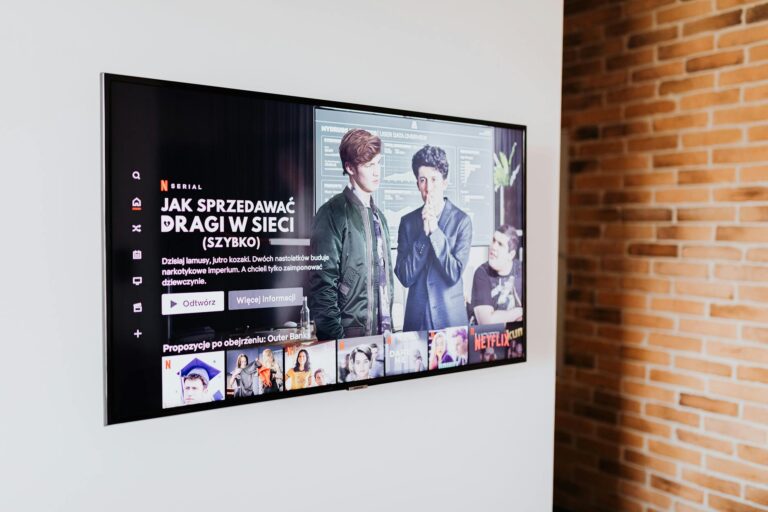
Learning how to encourage thoughtful opinions during virtual film talks has become an essential skill for anyone hosting online movie discussions, from casual watch parties to academic seminars. The shift toward digital gatherings has transformed the way cinephiles connect, but it has also introduced unique challenges that can stifle the rich, nuanced conversations that make film analysis so rewarding. Without deliberate facilitation strategies, virtual discussions often devolve into surface-level reactions, awkward silences, or a few dominant voices drowning out quieter participants. The problems inherent to online film conversations are numerous. Screen fatigue diminishes attention spans. Technical barriers create hesitation.
The absence of physical presence makes it harder to read social cues that naturally regulate in-person discussions. Participants may feel less accountable for their contributions or struggle to find the right moment to interject without talking over others. These factors combine to produce discussions that feel flat, disjointed, or frustrating for everyone involved. By the end of this article, readers will understand proven methods for cultivating meaningful dialogue in virtual settings, from pre-discussion preparation to real-time moderation techniques. The strategies covered apply equally to book club-style movie nights, university film courses conducted over Zoom, podcast recording sessions, and professional industry roundtables. Whether the goal is deeper appreciation of cinematography, sharper critical analysis, or simply more engaging conversations with fellow film enthusiasts, these approaches provide a practical framework for elevating any virtual film talk.
Table of Contents
- Why Do Virtual Film Discussions Struggle to Generate Thoughtful Opinions?
- Creating the Right Environment for Encouraging Thoughtful Film Opinions Online
- Facilitation Techniques That Draw Out Deeper Film Analysis
- Practical Strategies for Virtual Film Talk Engagement and Participation
- Handling Common Challenges and Difficult Dynamics in Film Discussions Online
- Building Long-Term Communities for Thoughtful Virtual Film Conversation
- How to Prepare
- How to Apply This
- Expert Tips
- Conclusion
- Frequently Asked Questions
Why Do Virtual Film Discussions Struggle to Generate Thoughtful Opinions?
Understanding why virtual film discussions often fail to produce substantive commentary requires examining both the technological and psychological barriers at play. Video conferencing platforms flatten the conversational dynamics that emerge naturally when people share physical space. Research from Stanford University’s Virtual Human Interaction Lab found that prolonged video calls create cognitive overload, as participants must work harder to interpret facial expressions, manage their own on-screen appearance, and navigate the artificial turn-taking that video calls demand. This mental taxation leaves less energy for the deep thinking that thoughtful film analysis requires.
The asynchronous viewing experience also fragments the shared context that grounds productive discussions. When participants watch a film separately before gathering online, they arrive with different levels of recollection, varying emotional distances from the material, and potentially different versions or cuts of the film itself. This contrasts sharply with the communal experience of watching together in a theater, where collective gasps, laughter, and silence create a shared emotional baseline. Virtual discussions must actively reconstruct this shared foundation before meaningful analysis can begin.
- **Reduced social accountability** makes participants less likely to prepare thoroughly or contribute substantively
- **Technical anxiety** about muting, unmuting, and camera presence distracts from intellectual engagement
- **Absence of nonverbal feedback** leaves speakers uncertain whether their points are landing or resonating
- **Dominant personality dynamics** intensify online, where interrupting feels more awkward and yielding the floor more permanent
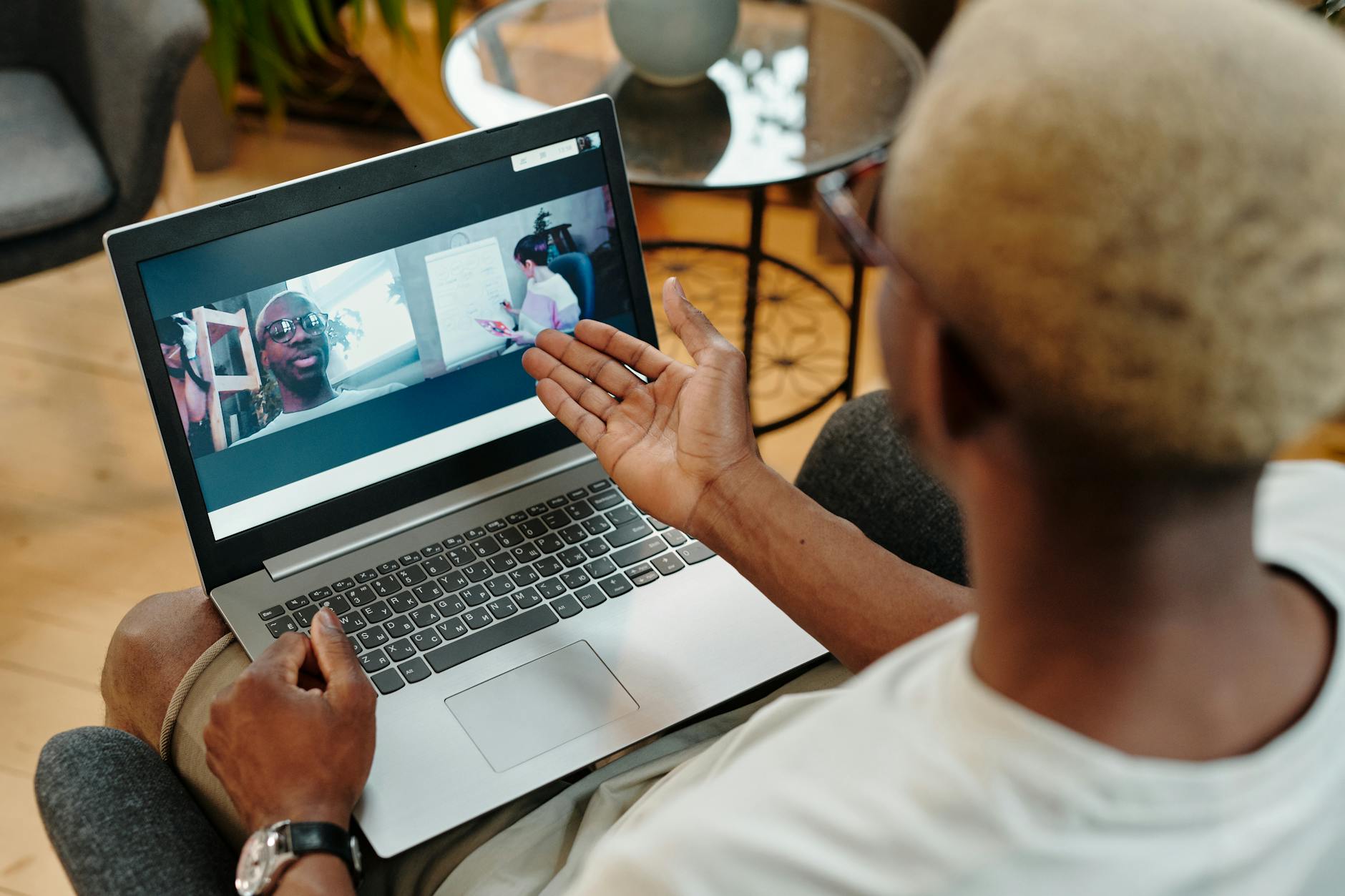
Creating the Right Environment for Encouraging Thoughtful Film Opinions Online
The virtual environment itself shapes the quality of opinions participants offer. Platform selection matters considerably, as different tools offer varying capacities for breakout rooms, chat functions, screen sharing, and recording. Zoom remains the standard for structured discussions due to its robust features, but platforms like Discord offer persistent community spaces that allow conversations to develop over time. The choice should align with the discussion format, whether a single focused session or an ongoing film club.
Setting clear expectations before the discussion begins dramatically improves the quality of contributions. Providing participants with specific questions or themes to consider while watching prepares them to arrive with formed perspectives rather than scrambling to articulate half-remembered impressions. A pre-discussion guide might direct attention to particular scenes, ask viewers to note their emotional responses at key moments, or suggest comparing the film to other works by the same director. This directed viewing transforms passive consumption into active analytical engagement.
- **Camera-on policies** increase engagement but should remain optional to accommodate participants with legitimate privacy or bandwidth concerns
- **Optimal group sizes** for substantive discussion range from four to eight participants; larger groups benefit from breakout sessions
- **Time limits** of 60 to 90 minutes prevent fatigue while allowing sufficient depth
- **Recording permissions** should be established upfront to help participants gauge their comfort level with speaking freely
Facilitation Techniques That Draw Out Deeper Film Analysis
Effective facilitation transforms a meandering conversation into a focused exploration of cinematic craft and meaning. The facilitator’s primary role is not to provide answers but to create conditions where participants feel both challenged and supported in developing their own interpretations. This requires active listening, strategic questioning, and careful management of group dynamics.
The Socratic method adapts remarkably well to virtual film discussions. Rather than asking what participants thought of a film, facilitators can pose specific analytical questions: “What do you make of the director’s choice to shoot that confrontation entirely in close-up?” or “How does the score function differently in the first and second acts?” These targeted inquiries prompt participants to examine specific craft elements rather than offering vague overall impressions. Following up initial responses with “What evidence from the film supports that reading?” pushes analysis from assertion to argumentation.
- **Wait time** of at least five seconds after posing questions allows participants to formulate thoughtful responses rather than blurting first impressions
- **Direct invitations** to specific participants prevent the same voices from dominating while making quieter members feel their input is valued
- **Summarizing and connecting** contributions helps participants see how their observations relate to others’ points
- **Playing devil’s advocate** when consensus forms too quickly encourages deeper examination of assumptions

Practical Strategies for Virtual Film Talk Engagement and Participation
Moving from theory to practice requires specific tools and techniques that facilitators can implement immediately. The chat function serves as a valuable parallel channel for contributions, particularly for participants who process verbally more slowly or feel intimidated by speaking aloud. Encouraging viewers to drop observations, questions, or timestamps into the chat during discussion creates a richer conversational texture and provides the facilitator with material to draw upon when conversation stalls. Structured activities can jumpstart engagement more effectively than open-ended invitations to share opinions.
one reliable technique involves asking each participant to identify a single shot or moment they found most striking and explain their choice in under two minutes. This constraint prevents rambling while ensuring every voice enters the conversation early. Another approach assigns different analytical lenses to different participants: one person attends to sound design, another to performance choices, a third to narrative structure. These distributed responsibilities create interdependence and encourage participants to listen actively to perspectives outside their assigned focus.
- **Polls and quick reactions** using built-in platform tools can surface initial responses before discussion, revealing where consensus exists and where productive disagreement might emerge
- **Screen sharing clips** from the film during discussion grounds abstract observations in concrete visual evidence
- **Timestamp references** should be encouraged throughout, making it easier for participants to return to specific moments
- **Rotating discussion leadership** across sessions distributes responsibility and exposes participants to different facilitation styles
Handling Common Challenges and Difficult Dynamics in Film Discussions Online
Even well-facilitated virtual film talks encounter obstacles that can derail productive conversation. The most common challenge involves balancing participation across different personality types. Research from organizational psychology indicates that approximately 20 percent of participants typically account for 80 percent of contributions in unstructured discussions. Virtual settings exacerbate this imbalance because the technical friction of unmuting creates momentum that favors whoever spoke most recently.
Disagreement presents another common challenge, particularly when discussions touch on politically charged films or controversial interpretations. The goal is not to avoid conflict but to channel it productively. Establishing ground rules that distinguish between critiquing interpretations and critiquing people helps maintain psychological safety. Phrases like “I see it differently” or “Another way to read that scene might be” model constructive disagreement. When tensions rise, facilitators can acknowledge the disagreement explicitly, note that the film clearly provokes strong responses, and redirect attention to textual evidence that might illuminate different readings.
- **Technical difficulties** should be addressed with patience and backup plans, including phone dial-in options for participants with unreliable internet
- **Off-topic tangents** can be acknowledged as interesting before gently steering back with phrases like “That connects to something worth exploring, and I also want to make sure we address…”
- **Superficial contributions** can be deepened through follow-up questions rather than dismissal: “That’s an interesting starting point. What specifically about that scene created that impression?”
- **Participant fatigue** in longer sessions can be managed through structured breaks and varied activity types

Building Long-Term Communities for Thoughtful Virtual Film Conversation
Single discussions provide valuable experiences, but the deepest engagement emerges from ongoing communities where participants develop shared vocabularies, reference points, and trust. Establishing a regular schedule, whether weekly, biweekly, or monthly, allows members to plan viewing around discussion dates and builds anticipation. Consistent timing and format reduce cognitive load and allow participants to focus their mental energy on the films themselves.
Community-building extends beyond the synchronous discussion sessions. Asynchronous channels for sharing articles, posting reactions to films watched independently, and debating recommendations maintain engagement between formal meetings. These ongoing conversations create context that enriches the scheduled discussions, as participants arrive already familiar with each other’s tastes, interpretive tendencies, and areas of expertise. Over time, the community develops its own culture and norms that encourage the thoughtful contributions every facilitator hopes to inspire.
How to Prepare
- **Select the film strategically** by choosing works that reward close analysis and offer multiple entry points for interpretation. Films with clear directorial vision, rich visual symbolism, or narrative complexity generate more productive discussion than straightforward entertainment fare. Consider the group’s familiarity with the genre and any relevant cultural or historical context they might need.
- **Develop a discussion guide** containing five to seven specific questions that move from concrete observation to abstract interpretation. Begin with questions about what participants noticed, then progress to questions about meaning and effect. Distribute this guide at least 24 hours before the discussion so participants can watch with these questions in mind.
- **Test all technology** at least one hour before the scheduled discussion. Confirm screen sharing works, that any clips load properly, and that backup communication channels are established. Technical hiccups in the opening minutes set a frustrated tone that undermines subsequent conversation.
- **Prepare supplementary materials** including relevant background on the filmmaker, production context, or critical reception. Having these resources ready allows the facilitator to enrich discussion with relevant information without derailing the conversation with lengthy tangents.
- **Establish clear communication** about expectations, including start time, expected duration, camera preferences, and any preparation participants should complete. Ambiguity about logistics creates anxiety that diminishes cognitive resources available for substantive engagement.
How to Apply This
- **Open with a low-stakes prompt** that ensures every participant speaks within the first ten minutes. This might be as simple as sharing a single word that captures their overall response or identifying one moment that stuck with them. Early participation lowers the barrier for subsequent contributions.
- **Reference the discussion guide** strategically rather than mechanically working through questions in order. Let the conversation develop organically while using prepared questions to redirect when energy flags or discussion becomes circular.
- **Monitor participation patterns** actively and intervene when imbalances emerge. Direct invitations to quieter participants signal that their perspectives are valued: “Sarah, you mentioned something interesting in the chat earlier. Would you expand on that?”
- **Close with synthesis** by asking participants to share one insight from the discussion that shifted or deepened their understanding of the film. This reflection consolidates learning and validates the collective work of the conversation.
Expert Tips
- **Embrace productive silence** rather than rushing to fill pauses. Allowing ten seconds of quiet after a substantial observation gives participants time to formulate responses that build on rather than merely follow previous contributions.
- **Use the chat intentionally** by asking specific participants to expand verbally on written observations. This technique validates chat contributions while drawing quieter voices into the spoken conversation.
- **Reference previous discussions** when hosting ongoing groups. Connecting current observations to earlier conversations rewards consistent participation and demonstrates that contributions matter beyond the immediate moment.
- **Vary discussion formats** across sessions to prevent staleness. Alternating between full-group conversation, breakout pairs, structured debates, and collaborative analysis maintains freshness and accommodates different communication preferences.
- **Model vulnerability** by sharing moments of uncertainty or changed perspective. Facilitators who demonstrate genuine openness to having their own views challenged create permission for participants to take similar intellectual risks.
Conclusion
Cultivating thoughtful opinions during virtual film talks requires intentional effort across every stage of the process, from platform selection and discussion guide development through real-time facilitation and community building. The strategies outlined here address the genuine obstacles that virtual settings create while leveraging the unique advantages of digital connection, including access to geographically distributed participants, easy integration of supplementary materials, and the creation of persistent communities that sustain engagement over time. The investment in developing these skills pays dividends that extend beyond any single discussion.
Participants who experience genuinely substantive film conversations become more attentive viewers, more articulate analysts, and more generous interlocutors. They carry these capacities into other contexts, raising the quality of discourse wherever they engage. The facilitator’s role is ultimately to create conditions where participants surprise themselves with the depth and sophistication of their own thinking, discovering insights they would never have reached alone.
Frequently Asked Questions
How long does it typically take to see results?
Results vary depending on individual circumstances, but most people begin to see meaningful progress within 4-8 weeks of consistent effort.
Is this approach suitable for beginners?
Yes, this approach works well for beginners when implemented gradually. Starting with the fundamentals leads to better long-term results.
What are the most common mistakes to avoid?
The most common mistakes include rushing the process, skipping foundational steps, and failing to track progress.
How can I measure my progress effectively?
Set specific, measurable goals at the outset and track relevant metrics regularly. Keep a journal to document your journey.