- 15 Indie Horror: Table of Contents
- Why Do Indie Horror Films Inspired by Real Events Resonate So Deeply With Audiences?
- Notable Indie Horror Productions Based on Documented Murder Cases
- Supernatural Investigations Transformed Into Independent Horror Cinema
- How Independent Filmmakers Research and Adapt True Horror Stories
- Common Challenges When Adapting Real Events for Horror Cinema
- The Future of Reality-Based Independent Horror Filmmaking
- How to Prepare
- How to Apply This
- Expert Tips
- Conclusion
- Frequently Asked Questions
- You Might Also Like
The most unsettling horror films often draw their power from reality, and indie horror films inspired by real events represent some of the genre’s most disturbing achievements.
While major studios tend to sanitize true stories for mass appeal, independent filmmakers possess the freedom to explore darker territory, crafting visceral experiences that stay uncomfortably close to documented incidents. These films remind audiences that monsters exist beyond fiction, and sometimes the most terrifying narratives require no embellishment.
The intersection of true crime, supernatural investigation, and low-budget filmmaking has produced a distinctive subgenre that continues to captivate horror enthusiasts.
Independent productions often succeed where mainstream efforts fail because they can take creative risks with controversial material, maintain artistic integrity without committee interference, and focus on psychological authenticity rather than jump scares.
From documented murder cases to unexplained phenomena, these films transform real human experiences into cinematic nightmares that resonate precisely because viewers know the source material exists in historical record.
This exploration covers fifteen remarkable indie horror productions rooted in actual events, examining what makes each film effective and how filmmakers approached the challenge of adapting reality for the screen.
Readers will discover lesser-known gems alongside cult favorites, gain insight into the real stories behind the fiction, and understand why this particular strain of horror cinema continues to find devoted audiences. The films discussed range from supernatural investigations to serial killer studies, demonstrating the remarkable breadth of true stories that have fueled independent horror filmmaking.
15 Indie Horror: Table of Contents
- Why Do Indie Horror Films Inspired by Real Events Resonate So Deeply With Audiences?
- Notable Indie Horror Productions Based on Documented Murder Cases
- Supernatural Investigations Transformed Into Independent Horror Cinema
- How Independent Filmmakers Research and Adapt True Horror Stories
- Common Challenges When Adapting Real Events for Horror Cinema
- The Future of Reality-Based Independent Horror Filmmaking
- How to Prepare
- How to Apply This
- Expert Tips
- Conclusion
- Frequently Asked Questions
Why Do Indie Horror Films Inspired by Real Events Resonate So Deeply With Audiences?
Horror grounded in reality operates on fundamentally different psychological mechanisms than purely fictional narratives. When audiences know a film draws from documented events, the traditional safety barrier between viewer and screen dissolves.
The comfortable knowledge that “it’s just a movie” evaporates, replaced by the disturbing awareness that similar events occurred to actual people in recognizable locations. This removal of psychological distance creates an intensity that fabricated scenarios struggle to match, regardless of their production values or technical sophistication.
Independent filmmakers gravitate toward true stories for practical and artistic reasons.
Budget constraints that might seem limiting actually serve the material well, as real events rarely unfold with Hollywood polish. Grainy footage, naturalistic performances, and modest settings contribute to documentary-style authenticity that enhances believability.
films like “The Poughkeepsie Tapes” and “Lake Mungo” weaponize their low-budget aesthetics, making viewers feel like they’re watching recovered evidence rather than scripted entertainment.
The creative freedom inherent to independent production allows filmmakers to honor disturbing details that studio executives would demand be softened or removed entirely. True crime elements that major productions sanitize for wider audiences remain intact in indie horror, creating experiences that feel transgressive and genuinely dangerous.
This willingness to confront uncomfortable truths about human nature separates indie horror films inspired by real events from their mainstream counterparts.
- Psychological authenticity creates deeper emotional impact than spectacle
- Budget limitations often enhance rather than diminish believability
- Independent filmmakers maintain creative control over controversial content
Notable Indie Horror Productions Based on Documented Murder Cases
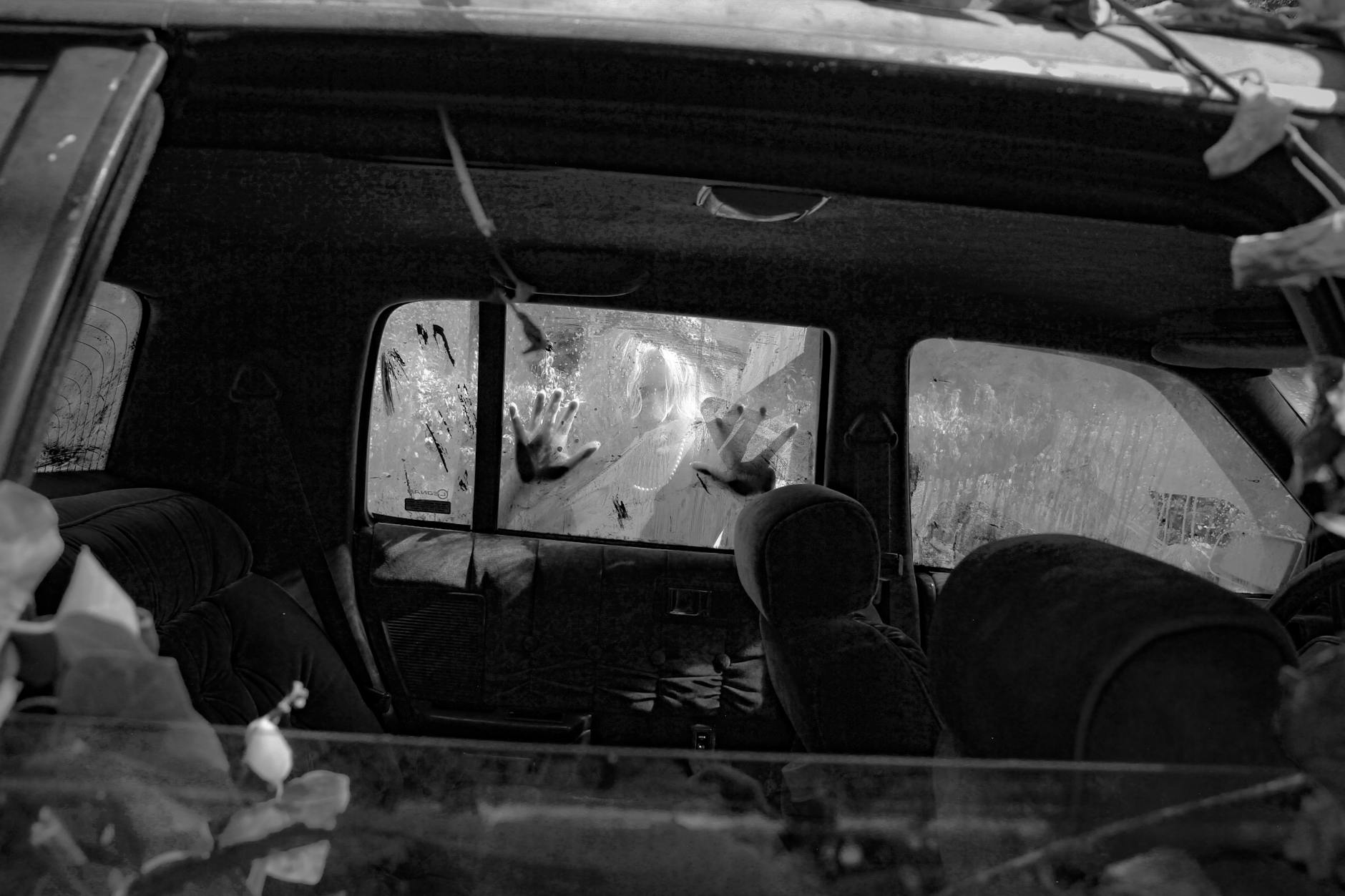
“Henry: Portrait of a Serial Killer” (1986) stands as a landmark achievement in reality-based horror filmmaking. John McNaughton’s unflinching portrait of serial killer Henry Lee Lucas presents murder without dramatic music cues or moral framing, creating an experience so disturbing that it remained unreleased for four years after completion.
The film’s power derives from its mundane approach to extraordinary violence, depicting killing as casual activity rather than climactic event. Michael Rooker’s performance captures the banality of evil in ways that continue influencing horror cinema decades later.
“The Town That Dreaded Sundown” (1976) dramatized the Texarkana Phantom Killer attacks of 1946, a series of unsolved murders that terrorized the Arkansas-Texas border community. Director Charles B.
Pierce employed docudrama techniques that blur fiction and reality, including actual locations and a documentary-style narrator. The film’s effectiveness lies in its refusal to provide closure””mirroring the real case where the killer was never identified. This approach influenced countless subsequent productions, establishing templates for dramatizing active investigations.
“Snowtown” (2011) chronicles Australia’s most notorious serial murder case through the perspective of a teenager drawn into the orbit of John Bunting, who orchestrated multiple killings in the 1990s. Director Justin Kurzel avoids exploitation while maintaining unflinching honesty about violence and manipulation.
The film received international acclaim for its careful handling of traumatic material, demonstrating that reality-based horror can achieve artistic recognition while respecting victims’ experiences.
- “Henry: Portrait of a Serial Killer” influenced generations of true crime horror
- Unsolved cases provide particularly effective source material
- Australian and international indie productions bring global perspectives to the subgenre
Supernatural Investigations Transformed Into Independent Horror Cinema
“The Conjuring” universe began with mainstream success, but numerous independent productions have explored similar paranormal investigation territory with more experimental approaches. “Lake Mungo” (2008) presents itself as an Australian documentary investigating the apparent haunting of a family following their daughter’s drowning death.
Director Joel Anderson constructs an increasingly unsettling mystery using interview footage, family photographs, and recovered video that reveals disturbing secrets. The film draws loosely from paranormal investigation techniques while crafting an original narrative about grief and hidden lives.
“The Poughkeepsie Tapes” (2007) combines serial killer documentation with found footage horror, presenting itself as FBI evidence from an ongoing investigation.
While not based on a specific case, the film incorporates documented investigative techniques and references actual criminal psychology research to create convincing authenticity.
Director John Erick Dowdle understood that procedural accuracy would ground even the most disturbing content, making fiction feel like suppressed documentary. “Cropsey” (2009) occupies unique territory as an actual documentary investigating urban legends that proved partially true.
Filmmakers Barbara Brancaccio and Joshua Zeman explored the Staten Island boogeyman stories of their childhood, discovering connections to convicted child killer Andre Rand. The film blurs genre boundaries, functioning simultaneously as documentary and horror experience, demonstrating that sometimes the real investigation provides more chills than any fictional adaptation could manage.
- Found footage techniques prove particularly effective for paranormal content
- Procedural accuracy grounds supernatural elements in believability
- Documentary-horror hybrids represent an emerging subgenre
How Independent Filmmakers Research and Adapt True Horror Stories
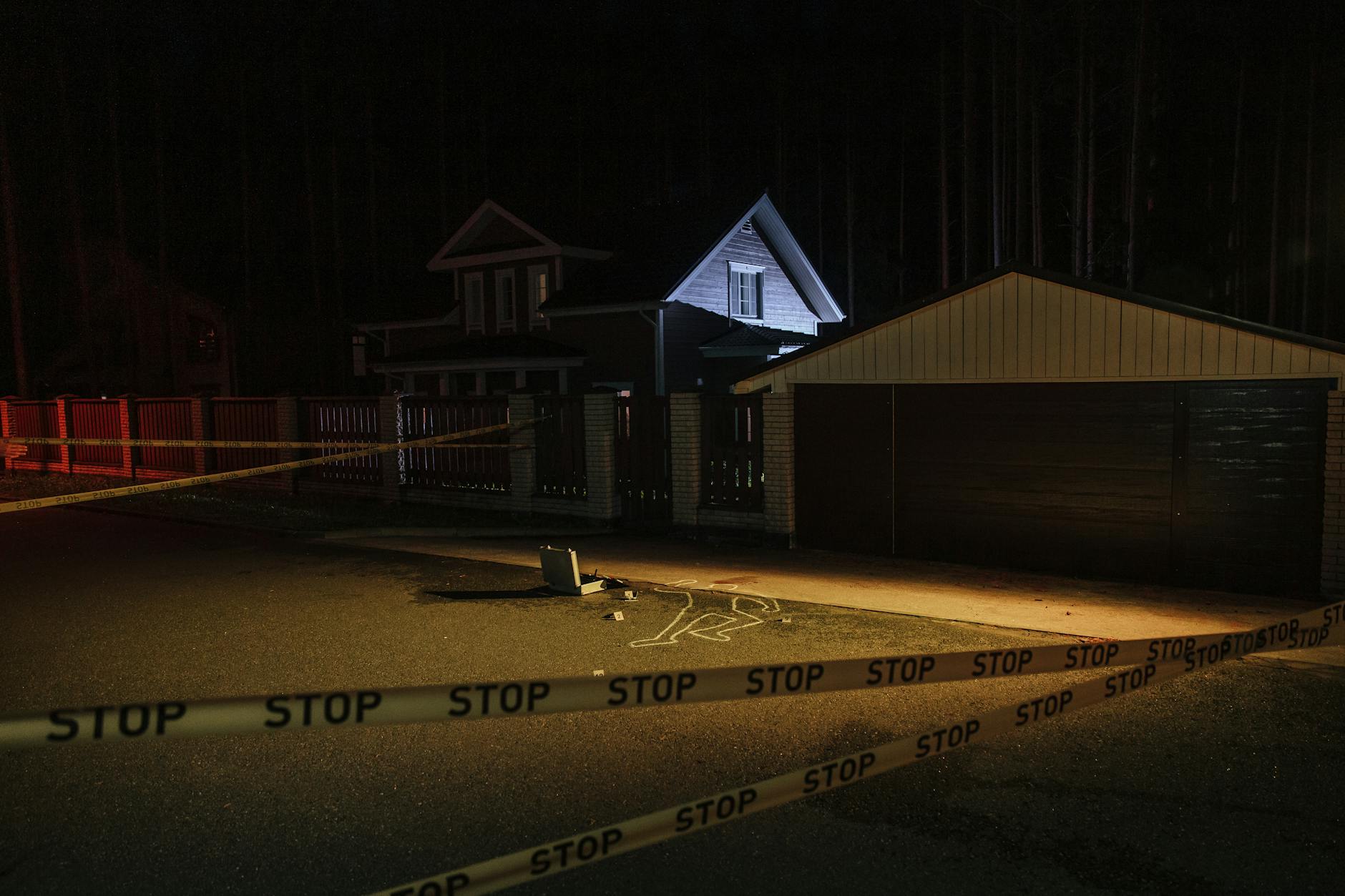
Developing indie horror films inspired by real events requires extensive research that goes beyond surface-level familiarity with source material. Successful adaptations typically involve reviewing court documents, interviewing witnesses or investigators, visiting actual locations, and consulting experts in relevant fields. This groundwork informs every creative decision, from dialogue authenticity to set design accuracy.
Filmmakers who shortcut this process produce hollow imitations that audiences instinctively recognize as false. Legal considerations shape adaptation strategies significantly. Living individuals, ongoing investigations, and surviving family members create potential liability that independent productions often lack resources to address.
Many filmmakers choose to change names, locations, and specific details while preserving emotional truth and narrative structure. Others focus on cases old enough to have entered public domain or secured explicit cooperation from involved parties. These constraints frequently improve final products by forcing creative solutions to representation challenges.
The ethics of profiting from real tragedy demand careful consideration throughout production. Respected indie horror filmmakers typically consult with victims’ families, donate portions of proceeds to relevant causes, or make explicit artistic statements about their intentions.
Productions that exploit suffering without acknowledgment face justified criticism and often fail commercially as audiences sense the cynicism underlying them. The most effective reality-based horror treats source material with gravity while still delivering genre satisfactions.
- Thorough research distinguishes compelling adaptations from exploitation
- Legal constraints often improve creative outcomes
- Ethical considerations should guide production decisions from conception through release
Common Challenges When Adapting Real Events for Horror Cinema
Balancing factual accuracy against dramatic necessity creates ongoing tension throughout production. Real events rarely follow conventional narrative structures””they lack clear beginnings and endings, feature too many or too few characters, and often conclude without satisfying resolution.
Filmmakers must make difficult decisions about compressing timelines, combining actual individuals into composite characters, and inventing scenes to convey documented emotional truths. These adaptations require artistic judgment that no formula can provide. Avoiding exploitation while delivering genre expectations presents perhaps the greatest challenge facing reality-based horror productions.
Audiences seeking these films want intense experiences, but gratuitous treatment of actual suffering crosses ethical lines that most viewers recognize intuitively.
Successful films thread this needle by focusing on psychological impact rather than graphic detail, respecting victim humanity while acknowledging the horror of their experiences. This approach typically produces more disturbing results than explicit content would achieve. Technical limitations can undermine otherwise strong adaptations if filmmakers fail to account for them during development.
Period accuracy requires attention to costuming, vehicles, technology, and speech patterns that low budgets may struggle to achieve convincingly. Smart productions work around these constraints by setting stories in isolated locations, limiting visible technology, and relying on performance rather than production design to establish authenticity. Constraints become advantages when approached creatively.
- Narrative structure rarely exists naturally in real events
- Gratuitous content typically diminishes rather than enhances impact
- Technical limitations require creative problem-solving during development

The Future of Reality-Based Independent Horror Filmmaking
Streaming platforms have transformed distribution possibilities for indie horror films inspired by real events, providing audiences worldwide with access to productions that previously struggled to find theatrical release. This democratization benefits challenging content that traditional exhibitors might reject, allowing filmmakers to reach niche audiences directly.
The economics have shifted dramatically, making sustainable careers possible for creators working in previously marginal genres.
True crime’s cultural dominance across podcasts, documentaries, and streaming series has expanded audience appetite for reality-based horror content. Viewers who consume dozens of hours of serial killer documentation bring sophisticated expectations to fictional adaptations, demanding accuracy and authenticity that earlier generations never required.
This educated audience base supports increasingly ambitious productions that treat source material with the seriousness it deserves. The intersection of true crime enthusiasm and horror fandom continues generating remarkable independent work.
How to Prepare
- Research the actual case before viewing, focusing on verified facts rather than speculation or dramatization. Understanding what really happened allows assessment of adaptation choices and reveals how filmmakers transformed reality into narrative.
- Seek out documentaries covering the same events when available, as comparative viewing illuminates different approaches to identical material. Many cases have inspired both documentary and fictional treatments, providing valuable perspective on each format’s strengths.
- Read critical analyses and filmmaker interviews discussing production intentions and challenges encountered during development. This context prevents misunderstanding artistic choices as errors or exploitation.
- Approach content with appropriate psychological preparation, recognizing that reality-based horror affects viewers differently than purely fictional material. The knowledge that events actually occurred intensifies emotional responses in ways that may require processing time.
- Consider viewing in company rather than alone, as discussion immediately following challenging content helps metabolize difficult material and provides alternate perspectives on ambiguous elements.
How to Apply This
- Create viewing lists organized by case type, region, or production era to develop comprehensive genre understanding rather than scattered familiarity with random titles.
- Compare multiple films addressing similar themes to understand how different filmmakers approach common challenges in reality-based horror adaptation.
- Support independent productions through legal streaming services, physical media purchases, and recommendations to fellow enthusiasts, ensuring continued production of challenging content.
- Engage with filmmaker commentary tracks and supplementary materials that provide insight into creative decisions and production challenges specific to reality-based horror.
Expert Tips
- Start with acclaimed titles like “Henry: Portrait of a Serial Killer” and “Lake Mungo” before exploring more obscure productions, establishing baseline expectations for quality in the subgenre.
- Verify claims about real-world connections, as many films exaggerate or fabricate “based on true events” assertions for marketing purposes. Authentic adaptations can document their sources; impostors rely on vague gestures toward reality.
- Pay attention to filmmakers’ stated intentions regarding adaptation ethics, as these statements often reveal whether productions approach source material with appropriate gravity or cynical exploitation.
- Recognize that discomfort serves artistic purposes in this subgenre, distinguishing between productive unease that honors difficult material and gratuitous provocation that merely sensationalizes suffering.
- Explore international productions, as American indie horror represents only a fraction of reality-based filmmaking worldwide. Japanese, Korean, French, and Australian productions offer distinct perspectives and unfamiliar cases.
Conclusion
Indie horror films inspired by real events occupy essential territory within the broader genre landscape, offering experiences that mainstream productions cannot or will not provide. These films honor the disturbing truth that horror exists beyond fiction, that documented cases of murder, haunting, and unexplained phenomena provide source material requiring no embellishment.
Independent filmmakers working in this space demonstrate that constraints””financial, legal, ethical””frequently produce more powerful art than unlimited resources would generate.
The fifteen films discussed represent starting points rather than comprehensive surveys, and viewers who connect with this material will discover vast additional territory to explore. As true crime content continues dominating cultural conversation and streaming platforms expand distribution possibilities, reality-based horror filmmaking appears positioned for continued growth and experimentation.
Audiences seeking challenging content that respects their intelligence while delivering genuine unease will find remarkable work throughout this subgenre, films that linger in memory precisely because they document the nightmares humans actually create.
Frequently Asked Questions
How long does it typically take to see results?
Results vary depending on individual circumstances, but most people begin to see meaningful progress within 4-8 weeks of consistent effort.
Is this approach suitable for beginners?
Yes, this approach works well for beginners when implemented gradually. Starting with the fundamentals leads to better long-term results.
What are the most common mistakes to avoid?
The most common mistakes include rushing the process, skipping foundational steps, and failing to track progress.
How can I measure my progress effectively?
Set specific, measurable goals at the outset and track relevant metrics regularly. Keep a journal to document your journey.
You Might Also Like
- Why do James Cameron Films Always Have Legs?
- IMAX Ticket Prices and Event Films
- ATG Ticketing Overview of Prior Class Action Lawsuits Related to Ticketing Fees and Refund Policies
For more on 15 Indie Horror, see the full breakdown above – the 15 indie horror details cover what most viewers want to know.
Whether you searched for 15 indie horror reviews, 15 indie horror streaming, or 15 indie horror cast, this guide consolidates the relevant 15 indie horror facts in one place.