The 15 most iconic movie posters in horror history represent far more than promotional materials””they are cultural artifacts that have shaped how audiences perceive fear, anticipation, and the horror genre itself.
From hand-painted masterpieces of the 1930s to minimalist designs of modern cinema, horror movie posters have consistently pushed the boundaries of graphic design while simultaneously selling tickets and haunting the collective imagination. These images have appeared on bedroom walls, t-shirts, and tattoo parlors worldwide, transcending their original marketing purpose to become enduring works of art.
Horror posters face a unique challenge that other film genres rarely encounter: they must terrify and attract simultaneously. A successful horror poster needs to communicate dread, suggest the nature of the threat, and still compel viewers to purchase a ticket for an experience designed to frighten them.
- 15 Most Iconic: Table of Contents
- What Makes a Horror Movie Poster Truly Iconic in Cinema History?
- Classic Horror Poster Design Elements That Defined the Genre
- The Evolution of Horror Movie Poster Art Through the Decades
- Analyzing the Most Memorable Horror Film Poster Compositions
- Common Mistakes in Horror Poster Design and Why Some Fail to Become Iconic
- The Cultural Impact of Iconic Horror Movie Posters Beyond Cinema
- How to Prepare
- How to Apply This
- Expert Tips
- Conclusion
- Frequently Asked Questions
- You Might Also Like
This delicate balance has produced some of cinema’s most memorable and innovative poster designs. The best examples achieve something remarkable””they become inseparable from the films themselves, often recalled as vividly as any scene from the movie. This exploration examines what makes certain horror movie posters transcend their era to achieve iconic status.
Readers will discover the artistic techniques, psychological principles, and cultural contexts that elevated specific designs above thousands of competitors. Beyond simple rankings, this analysis reveals how these posters influenced subsequent horror marketing, established visual conventions that persist today, and continue to inspire graphic designers and horror enthusiasts decades after their initial release.
15 Most Iconic: Table of Contents
- What Makes a Horror Movie Poster Truly Iconic in Cinema History?
- Classic Horror Poster Design Elements That Defined the Genre
- The Evolution of Horror Movie Poster Art Through the Decades
- Analyzing the Most Memorable Horror Film Poster Compositions
- Common Mistakes in Horror Poster Design and Why Some Fail to Become Iconic
- The Cultural Impact of Iconic Horror Movie Posters Beyond Cinema
- How to Prepare
- How to Apply This
- Expert Tips
- Conclusion
- Frequently Asked Questions
What Makes a Horror Movie Poster Truly Iconic in Cinema History?
Iconic status in horror movie poster design requires a convergence of several factors that extend far beyond simple visual appeal. The poster must capture the essence of its film’s horror in a single, immediately comprehensible image while simultaneously creating an emotional response that lingers in the viewer’s mind.
Technical excellence in composition, color theory, and typography must align with perfect timing””the poster needs to speak to its contemporary audience while possessing qualities that transcend its era. Many beautifully designed horror posters have faded into obscurity because they failed to achieve this timeless quality.
The most successful horror posters throughout cinema history share certain characteristics despite spanning nearly a century of design evolution.
They typically feature a dominant central image that communicates threat without revealing too much of the film’s actual content.
Negative space often plays a crucial role, allowing viewers’ imaginations to fill in terrors that no artist could adequately depict. Color palettes tend toward strategic restraint””the iconic Jaws poster uses only blue, black, and flesh tones, while Halloween’s original one-sheet relies primarily on orange and black. This simplicity aids memorability and reproduction across various media.
Cultural timing also determines which horror posters achieve lasting recognition in movie poster history. The Exorcist’s silhouetted figure arrived precisely when American audiences were grappling with questions of faith and institutional trust. Psycho’s fragmented title design reflected mid-century anxieties about fractured identity and hidden violence in suburban normalcy.
Posters that successfully tap into their era’s fears while maintaining universal appeal tend to achieve the recognition that transforms marketing materials into cultural touchstones.
- **Immediate emotional impact**: The poster must create visceral response within seconds of viewing
- **Visual simplicity**: Overly complex designs rarely achieve iconic status because they cannot be quickly processed or easily remembered
- **Cultural resonance**: The imagery must connect with broader societal fears beyond the specific film’s narrative
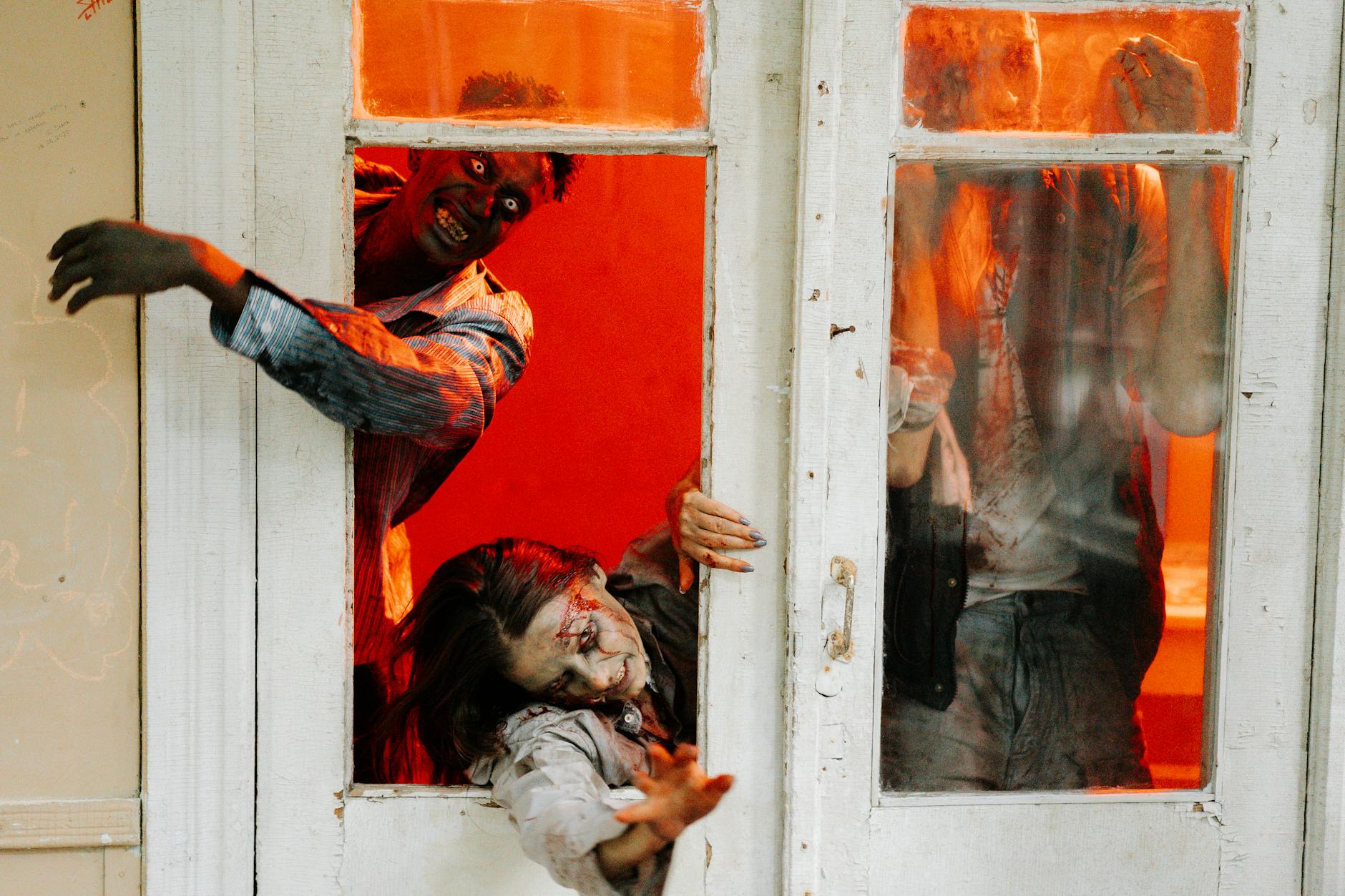
Classic Horror Poster Design Elements That Defined the Genre
The foundational visual language of horror movie posters emerged during Hollywood’s Golden Age, when movies/” title=”Why Studios Focus on Fewer Big Movies”>studios employed skilled illustrators to create hand-painted one-sheets that elevated film promotion to fine art.
Universal Studios’ monster movies of the 1930s and 1940s established conventions that persist in horror poster design today. Dramatic lighting, with harsh shadows obscuring or revealing monstrous features, became standard practice. The human figure in peril””typically a woman in a vulnerable pose””provided scale and identification for viewers while the monster loomed threateningly nearby.
Typography in classic horror posters developed its own distinct vocabulary. Dripping letters suggesting blood, jagged fonts implying violence, and warped text communicating psychological disturbance all became recognizable shorthand for horror content.
The original Dracula poster from 1931 featured Bela Lugosi’s hypnotic stare above text that curved and flowed like something alive, establishing a template that horror posters would reference for decades.
These typographic choices weren’t merely decorative””they prepared audiences for the experience awaiting them and helped differentiate horror films from other genres in an era before widespread trailer distribution. Color in vintage horror poster design served both practical and psychological purposes.
Before the dominance of full-color printing, many horror posters relied on limited color palettes that created striking contrasts. Red became associated with blood and danger, while green suggested decay, poison, or supernatural corruption.
The Creature from the Black Lagoon’s poster used aquatic greens and blues to immediately communicate its underwater setting while maintaining an otherworldly, threatening atmosphere. These color associations became so ingrained that modern horror posters still reference them, even when the films themselves employ entirely different visual palettes.
- **Hand-painted illustration**: Created unique artistic interpretations rather than photographic reproductions
- **Strategic use of shadows**: Obscured threats proved more frightening than fully revealed monsters
- **Genre-specific typography**: Established visual codes that audiences immediately recognized as horror content
The Evolution of Horror Movie Poster Art Through the Decades
Horror poster design has undergone dramatic transformations that mirror broader changes in graphic design, film marketing, and cultural attitudes toward fear. The shift from hand-painted illustrations to photography-based designs in the 1960s and 1970s fundamentally altered what horror posters could communicate.
Photographic elements brought immediacy and realism that paintings could not achieve, but they also sacrificed the dreamlike, larger-than-life quality that made classic horror posters feel appropriately otherworldly. The most successful transitional posters, like those for Rosemary’s Baby and The Exorcist, found ways to incorporate photographic elements while maintaining artistic stylization.
The slasher era of the late 1970s and 1980s introduced new visual conventions to horror movie poster history. Masked killers, sharp implements, and groups of endangered teenagers became standard imagery.
Posters for films like Friday the 13th and A Nightmare on Elm Street had to distinguish themselves from dozens of similar competitors, leading to increasingly creative designs. The Friday the 13th series became known for its evolving logo treatments, while Elm Street’s posters consistently featured Freddy Krueger’s distinctive glove, creating brand recognition across multiple sequels.
This era also saw the rise of the tagline as a crucial poster element, with phrases like “In space, no one can hear you scream” becoming as memorable as the visual designs themselves. Contemporary horror poster design reflects the fragmentation of modern media consumption and the influence of digital design tools.
Minimalist approaches have gained prominence, with posters like those for It Follows and The Witch using sparse imagery and extensive negative space to create unease. Simultaneously, some modern horror films have embraced retro aesthetics, commissioning artists to create posters that deliberately evoke earlier eras.
This nostalgic approach acknowledges the powerful associations audiences have with classic horror poster designs while creating new works that appeal to contemporary sensibilities.
- **Photography integration**: Brought realism but required new approaches to maintain artistic distinction
- **Brand recognition**: Franchises developed consistent visual identities across multiple films
- **Digital design influence**: Enabled new techniques while also inspiring deliberate returns to analog aesthetics
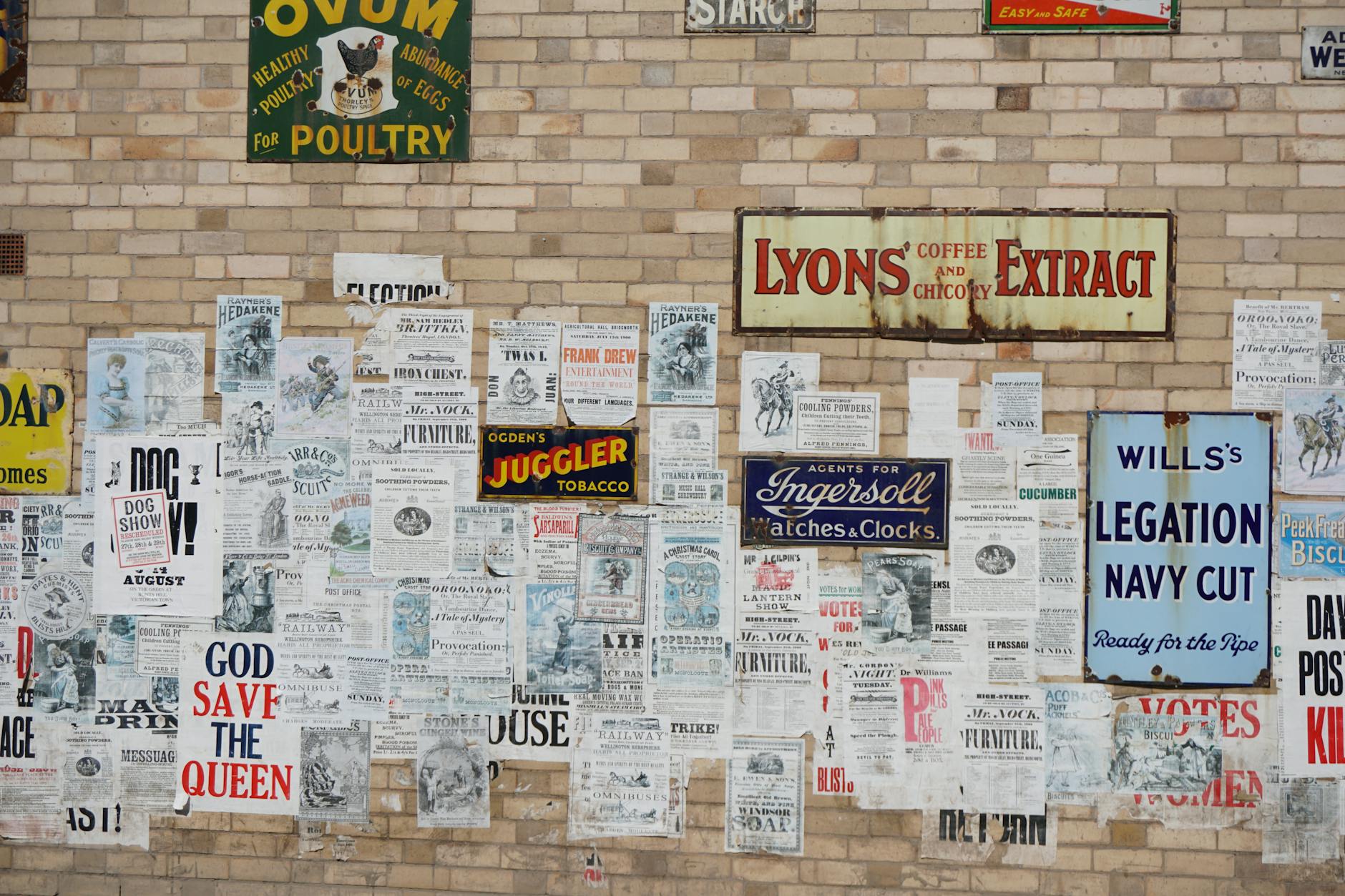
Analyzing the Most Memorable Horror Film Poster Compositions
The composition of iconic horror posters follows principles that maximize psychological impact while maintaining visual clarity. Roger Kastel’s design for Jaws exemplifies perfect horror composition””the massive shark ascending toward an oblivious swimmer creates immediate tension through the dramatic difference in scale and the victim’s unawareness of approaching danger.
The vertical composition forces the viewer’s eye to travel between threat and victim, experiencing the anticipation that defines the film itself. This single image so perfectly captured the movie’s premise that it became synonymous with shark attacks in popular culture.
Central focal points dominate most successful horror poster compositions, but the treatment of surrounding space proves equally important. The original Halloween poster places Michael Myers’ face within a carved pumpkin, but the black background surrounding this image creates a sense of the threat emerging from darkness itself.
Similarly, the poster for The Silence of the Lambs positions the death’s-head moth over Jodie Foster’s mouth, but the neutral background ensures viewers cannot look away from this unsettling central image.
Cluttered backgrounds dilute impact; the most memorable horror posters understand that what they exclude matters as much as what they include. Effective horror compositions also manipulate viewer perspective to create discomfort. Low angles make threats appear more imposing, as seen in countless monster movie posters where creatures tower over human figures.
The poster for The Blair Witch Project used extreme close-up framing of a terrified face, creating claustrophobia and identification with the victim. Some designs employ impossible or surreal perspectives””M.C. Escher-like impossibilities that signal to viewers that normal rules do not apply in the world of this film.
These compositional choices work on subconscious levels, creating unease before viewers consciously process the imagery.
- **Scale manipulation**: Size differences between threat and victim create immediate tension
- **Strategic negative space**: Empty areas direct attention and allow imagination to participate
- **Perspective distortion**: Unusual viewpoints signal departure from safe, normal reality
Common Mistakes in Horror Poster Design and Why Some Fail to Become Iconic
Not every horror poster achieves lasting recognition, and examining failures illuminates what successful designs accomplish. The most common mistake involves revealing too much of the film’s monster or threat. When audiences see exactly what they’re facing before entering the theater, mystery evaporates and imagination disengages.
Many forgettable horror posters commit this error, plastering fully-lit creature designs across the one-sheet in ways that diminish rather than enhance fear. The original Alien poster famously showed only an egg with ominous light emanating from within””audiences had no idea what the xenomorph looked like, which intensified their anticipation and fear.
Generic visual approaches prevent horror posters from standing out in crowded marketplaces and cultural memory.
The “floating heads” composition, where actor faces hover above a scene, has become so overused across all film genres that it communicates nothing specific about horror content. Similarly, over-reliance on red color schemes and blood imagery can make posters blend together rather than distinguish themselves.
The most iconic horror posters take visual risks””the simplicity of Rosemary’s Baby’s perambulator silhouette against green background, or the abstract expressionism of the original Polish Jaws poster””that separate them from competitors. Modern horror posters face additional challenges that earlier designs did not encounter.
The need for images to work across multiple platforms””theatrical one-sheets, streaming thumbnails, social media previews””has led to increasingly safe, readable designs that sacrifice artistic ambition for practicality. Studio interference often results in committee-designed posters that include every marketable element rather than focusing on a single powerful image.
Many contemporary horror films receive striking fan-made posters that outperform official marketing materials precisely because independent artists can prioritize artistic impact over corporate requirements.
- **Over-revelation**: Showing too much destroys mystery and audience imagination
- **Generic approaches**: Overused templates prevent distinctive identity
- **Platform fragmentation**: Modern distribution requirements often compromise artistic vision

The Cultural Impact of Iconic Horror Movie Posters Beyond Cinema
The influence of classic horror movie posters extends far beyond their original marketing function into broader visual culture. Images from the most iconic horror posters have been referenced, parodied, and appropriated across advertising, fine art, fashion, and political commentary.
The Jaws poster alone has inspired thousands of imitations and parodies, from editorial cartoons to advertisements for products entirely unrelated to film. This cultural penetration demonstrates how effectively these designs communicate danger and anticipation””their visual language has become universal shorthand. Horror poster imagery has significantly influenced graphic design education and practice.
Design students study compositions from films like Vertigo (whose poster techniques heavily influenced horror marketing) and The Shining to understand how typography, color, and image interact to create emotional response.
Professional designers frequently cite horror posters as inspirations, noting how the genre’s requirement to communicate complex emotional states through single images forced innovations that benefited all promotional design. The constraints of horror marketing””needing to frighten and attract, suggest without revealing””produced solutions applicable across creative fields.
Collectors’ markets have emerged around original horror movie posters, with rare prints commanding prices that rival fine art. An original Bride of Frankenstein one-sheet sold for over $334,000 at auction, while posters from the Universal Monsters era regularly exceed $100,000.
This financial valuation reflects cultural valuation””these images are preserved, studied, and treasured because they represent artistic achievements that transcend their commercial origins. Museums have mounted exhibitions focused specifically on horror poster art, legitimizing the form as worthy of serious artistic consideration.
How to Prepare
- **Study historical context**: Research when and where a poster was created, what competing films existed simultaneously, and what cultural anxieties the era experienced. The power of The Exorcist’s poster cannot be fully appreciated without understanding 1970s America’s crisis of religious faith. Context transforms posters from isolated images into cultural documents.
- **Analyze compositional choices**: Examine where the poster directs your eye and how it controls the sequence in which you process visual information. Trace the implied lines, note the balance between positive and negative space, and consider why the designer made specific framing choices. Understanding composition reveals the craft behind seemingly simple designs.
- **Investigate the design process**: When available, research alternate poster designs that were rejected or created for different markets. International variants often reveal what studios considered the most important selling points. Comparing chosen designs with alternatives illuminates the decision-making that produced iconic results.
- **Consider reproduction across media**: Examine how the poster appears at different sizes and in different contexts””as a small thumbnail versus a full theatrical display. Iconic designs typically maintain impact across scale changes. This scalability reflects thoughtful design that anticipates various viewing conditions.
- **Document emotional response**: Note your immediate reactions before analytical thinking engages. What do you feel first””dread, curiosity, excitement, revulsion? Effective horror posters produce consistent emotional responses across diverse viewers. Your instinctive reaction often identifies the design’s primary communication goal.
How to Apply This
- **Create comparative studies**: Select posters from different eras depicting similar threats (vampires, zombies, haunted houses) and analyze how visual approaches evolved. These comparisons reveal changing cultural attitudes and design trends while developing critical vocabulary for discussing horror imagery.
- **Practice design deconstruction**: Recreate iconic poster compositions using different films or original concepts to understand how specific elements contribute to overall effect. This hands-on approach builds appreciation for the difficulty of achieving apparently simple results.
- **Build chronological collections**: Assemble poster images representing each decade of horror cinema to visualize the genre’s visual evolution. Organized collections enable pattern recognition and provide reference materials for future analysis or creative work.
- **Engage with critical discourse**: Read academic analyses of horror marketing and participate in online communities dedicated to poster art discussion. Exposure to diverse perspectives enriches personal understanding and reveals aspects of posters that solo analysis might miss.
Expert Tips
- **Seek out international variants**: Different countries often received dramatically different poster designs for the same films. The Polish poster tradition produced some of horror cinema’s most artistically ambitious interpretations, while Japanese designs often emphasized different elements than American versions. These variants provide fascinating case studies in cultural difference and design flexibility.
- **Examine rejected concepts**: Documentary features and special editions sometimes reveal poster concepts that studios rejected. Understanding why certain approaches were abandoned illuminates the commercial pressures that shape even artistic decisions in film marketing.
- **Consider the poster-film relationship**: Some iconic posters barely resemble their actual films””Jaws never depicts the shark from that particular angle, and Alien’s egg bears little resemblance to the movie’s actual imagery. The most effective posters capture emotional essence rather than literal content.
- **Study the artists individually**: Many iconic horror posters emerged from specific illustrators whose styles influenced entire eras. Learning to recognize artists like Drew Struzan, Tom Chantrell, or Bill Gold provides insight into how individual vision shapes commercial art.
- **Account for nostalgia bias**: Early exposure often determines which posters viewers consider iconic. Challenge personal rankings by seeking out acclaimed posters from eras outside your primary viewing history. Genuine classics maintain power even without nostalgic association.
Conclusion
The 15 most iconic movie posters in horror history achieve their status through a combination of artistic excellence, cultural timing, and psychological sophistication that transforms promotional materials into enduring art. These designs have influenced how generations of viewers understand and anticipate horror, establishing visual conventions that contemporary filmmakers and designers still reference and subvert.
From Universal’s painted monsters to modern minimalist approaches, horror poster design represents a continuous tradition of innovation driven by the unique challenges of selling fear as entertainment.
Understanding what makes these posters iconic provides more than historical knowledge””it develops visual literacy applicable across media and enriches appreciation for the craft underlying apparently simple images. Whether approaching horror posters as collectors, designers, film scholars, or enthusiastic fans, viewers gain from recognizing the artistry, strategy, and cultural significance embedded in these works.
The best horror posters continue frightening and fascinating new generations, proving that truly iconic design transcends the specific marketing moment that created it to achieve something approaching permanence in visual culture.
Frequently Asked Questions
How long does it typically take to see results?
Results vary depending on individual circumstances, but most people begin to see meaningful progress within 4-8 weeks of consistent effort.
Is this approach suitable for beginners?
Yes, this approach works well for beginners when implemented gradually. Starting with the fundamentals leads to better long-term results.
What are the most common mistakes to avoid?
The most common mistakes include rushing the process, skipping foundational steps, and failing to track progress.
How can I measure my progress effectively?
Set specific, measurable goals at the outset and track relevant metrics regularly. Keep a journal to document your journey.
You Might Also Like
- Why One Movie Night Costs $100
- Why Movie Tickets Are So Expensive Now
- Minecraft Legends Movie Parents Guide
For more on 15 Most Iconic, see the full breakdown above – the 15 most iconic details cover what most viewers want to know.
Whether you searched for 15 most iconic reviews, 15 most iconic streaming, or 15 most iconic cast, this guide consolidates the relevant 15 most iconic facts in one place.