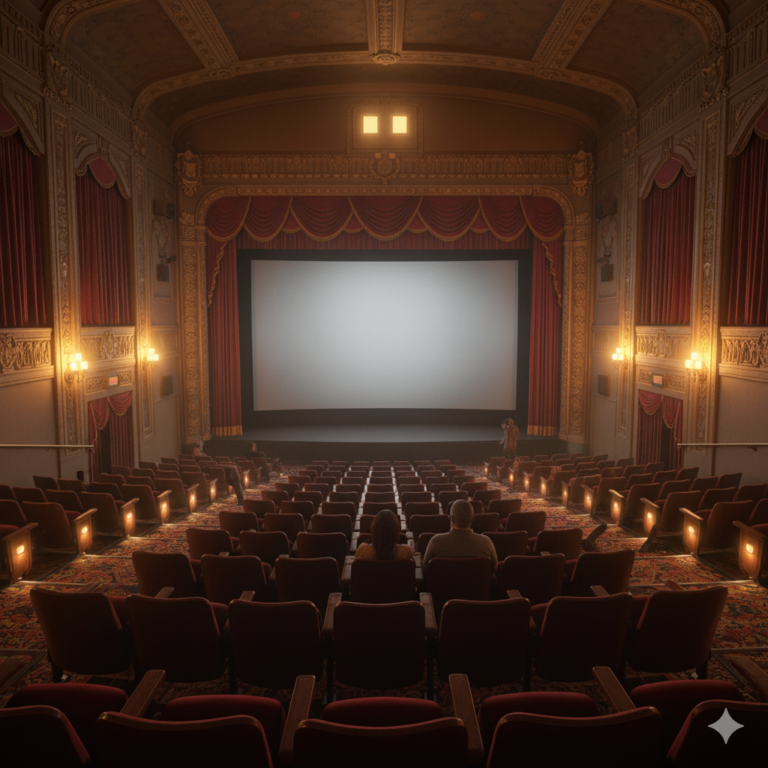
The intersection of LGBTQ+ horror films and queer identity has produced some of cinema’s most provocative, subversive, and genuinely terrifying work over the past century. Horror has long served as a refuge for outsider perspectives, and queer filmmakers and audiences have found in the genre a unique space to explore themes of otherness, persecution, hidden identities, and the monstrous transformation that society often projects onto marginalized communities. From coded subtexts in classic horror to explicit queer narratives in contemporary cinema, these 20 essential LGBTQ+ horror films represent the breadth and depth of what happens when queer perspectives collide with the genre’s darkest impulses. Understanding why horror and queerness have maintained such a symbiotic relationship requires examining the genre’s fundamental preoccupations.
Horror traffics in the forbidden, the hidden, and the transgressive”experiences that resonate deeply with LGBTQ+ individuals who have historically been forced to conceal their identities or face persecution. The monster in horror cinema has frequently served as a stand-in for queer existence, from the effeminate vampire to the gender-nonconforming killer. This collection addresses how queer filmmakers have reclaimed these tropes, subverted expectations, and created genuinely representative horror that speaks to LGBTQ+ experiences without relying on harmful stereotypes. By the end of this guide, readers will have a thorough understanding of the historical context surrounding queer horror, specific film recommendations spanning multiple decades and subgenres, and the critical frameworks necessary to appreciate these works on multiple levels. Whether approaching these films as a horror enthusiast seeking to expand viewing horizons or as someone interested in LGBTQ+ cinema history, this comprehensive examination provides the context and analysis needed to engage meaningfully with these essential works.
Table of Contents
- Why Do LGBTQ+ Horror Films Matter in Cinema History?
- Classic Queer Horror Films That Defined the Genre
- Contemporary LGBTQ+ Horror Films Breaking New Ground
- Essential Queer Horror Films for Building Your Watchlist
- Understanding Queer Coding and Horror Film Tropes
- Streaming Platforms and Accessibility for Queer Horror Cinema
- How to Prepare
- How to Apply This
- Expert Tips
- Conclusion
- Frequently Asked Questions
Why Do LGBTQ+ Horror Films Matter in Cinema History?
The significance of LGBTQ+ horror films extends far beyond mere representation, though representation itself carries enormous weight. For decades, the only queer characters permitted on screen in mainstream Hollywood were those depicted as villains, monsters, or victims”a legacy of the Hays Code that explicitly banned “sexual perversion” from American cinema between 1934 and 1968. Horror became one of the few spaces where queer existence could be acknowledged at all, even if only through coded language and subtext.
Directors like James Whale, who was openly gay in his private life, infused films like “Frankenstein” (1931) and “Bride of Frankenstein” (1935) with themes of alienation and persecution that resonated with queer audiences who recognized their own experiences in the monster’s plight. This history of coded representation created a rich tradition of queer readings of horror cinema that persists today. Films that may not have been intentionally queer nonetheless attracted LGBTQ+ audiences who found meaning in stories about characters forced to hide their true natures, face mob violence for being different, or transform into something society deemed monstrous. The vampire, in particular, became a potent queer symbol”a creature of the night who must conceal their nature, who creates others like themselves through intimate physical contact, and whose existence threatens the heteronormative family structure.
- **Historical significance**: LGBTQ+ horror films document the evolution of queer representation from coded subtext to explicit narrative
- **Artistic innovation**: Queer filmmakers working in horror have consistently pushed boundaries in terms of form, content, and audience expectations
- **Cultural analysis**: These films provide insight into societal attitudes toward LGBTQ+ individuals across different eras and cultures
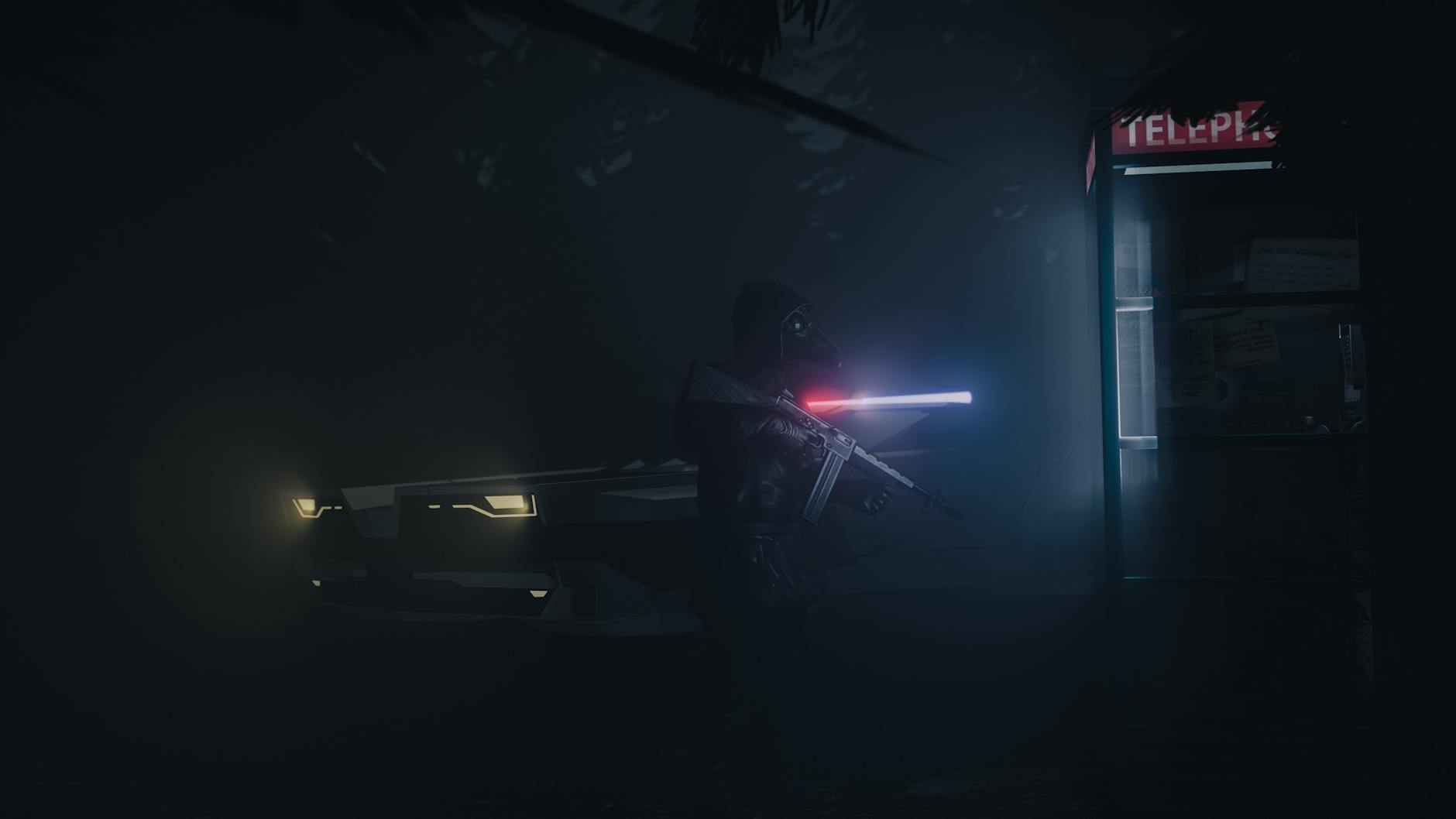
Classic Queer Horror Films That Defined the Genre
Several foundational films established the vocabulary of LGBTQ+ horror cinema and continue to influence contemporary works. “The Haunting” (1963), directed by Robert Wise and based on Shirley Jackson’s novel, features protagonist Eleanor Lance whose intense, obsessive attachment to the glamorous Theodora carries unmistakable sapphic undertones. The film’s refusal to explicitly name this attraction while making it central to the narrative exemplifies the coded queerness of pre-Stonewall cinema.
Wise’s masterful use of suggestion and implication created a template for psychological horror that acknowledges queer desire without exploitation. “Daughters of Darkness” (1971) brought lesbian vampires into the art-house realm with its story of the Countess Elizabeth Báthory seducing a honeymooning couple. Belgian director Harry Kümel crafted a visually stunning film that treats its queer content with sophistication rather than titillation, positioning the Countess as a figure of liberation rather than corruption. The film’s influence can be traced through decades of subsequent lesbian vampire cinema, though few have matched its visual elegance or thematic complexity.
- **”The Hunger” (1983)**: Tony Scott’s stylish vampire film featuring Catherine Deneuve and Susan Sarandon in an iconic seduction scene that became a touchstone of lesbian cinema
- **”Sleepaway Camp” (1983)**: A slasher film whose controversial twist ending has been reclaimed and reexamined through transgender perspectives
- **”A Nightmare on Elm Street 2: Freddy’s Revenge” (1985)**: Long discussed for its gay subtext, now acknowledged by star Mark Patton as reflecting his experience as a closeted actor
Contemporary LGBTQ+ Horror Films Breaking New Ground
The 21st century has witnessed an explosion of explicitly queer horror films that move beyond subtext into direct representation. “Hellbent” (2004) holds the distinction of being one of the first gay slasher films, following a group of friends in West Hollywood during Halloween as they’re stalked by a devil-masked killer. Director Paul Etheredge-Ouzts deliberately constructed the film to give gay audiences the same experience straight viewers had enjoyed for decades”attractive protagonists to root for, genuine scares, and the catharsis of survival horror.
More recently, films like “Knife+Heart” (2018) from director Yann Gonzalez have elevated queer horror into the realm of art cinema. Set in the gay pornography industry of 1970s Paris, the film follows a director whose actors begin dying at the hands of a masked killer. Gonzalez combines giallo aesthetics with explicit queer content and genuine emotional depth, creating a film that functions as both loving homage and original work. The film’s willingness to depict gay sexuality frankly while also delivering effective horror demonstrates how far the subgenre has evolved.
- **”Thelma” (2017)**: Norwegian director Joachim Trier’s film about a young woman discovering her supernatural powers as she falls in love with another woman
- **”Bit” (2019)**: A feminist vampire film about a transgender woman inducted into an all-female vampire group in Los Angeles
- **”Spiral” (2019)**: A same-sex couple and their daughter face discrimination and supernatural threats after moving to a small town
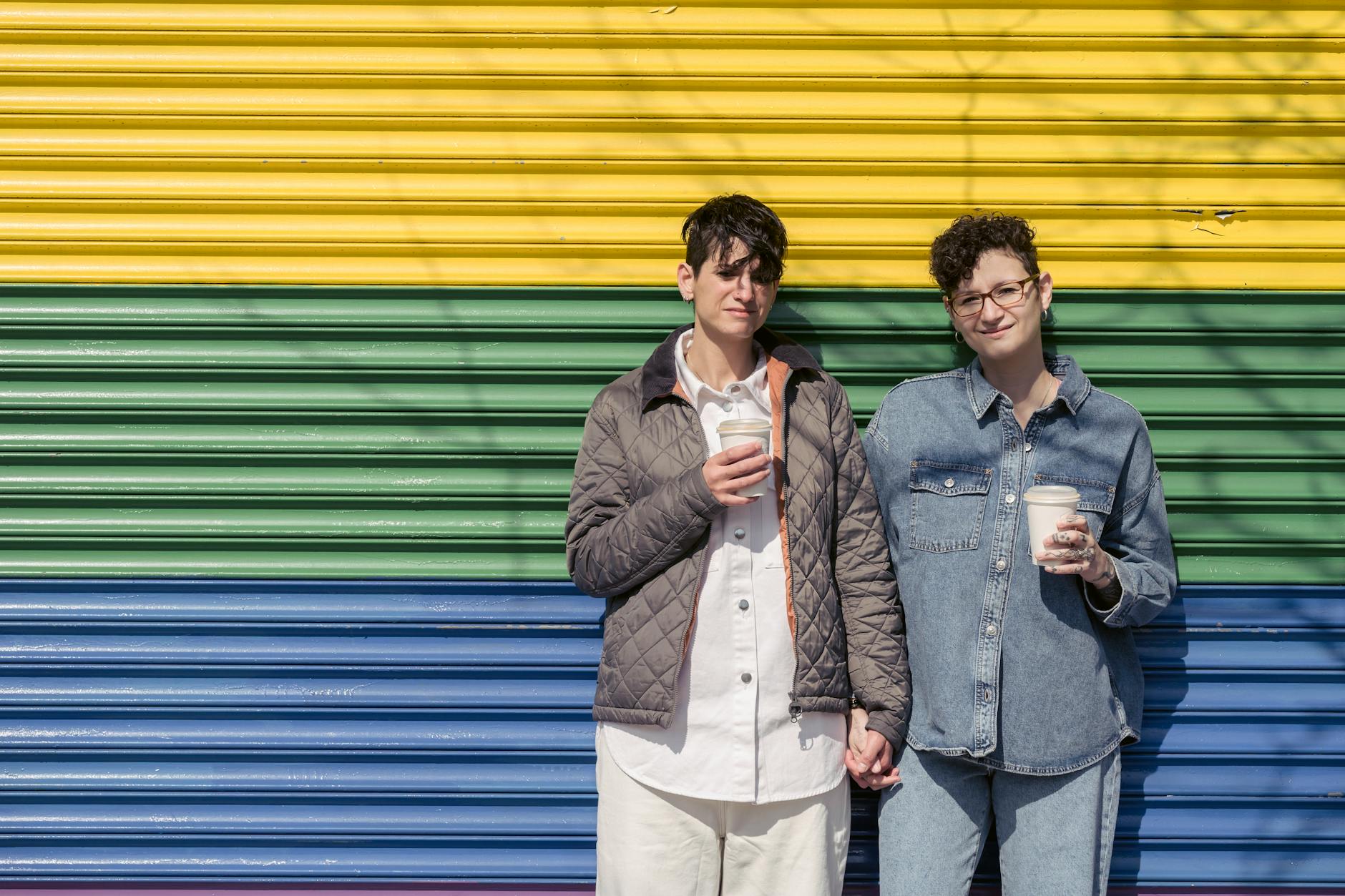
Essential Queer Horror Films for Building Your Watchlist
Constructing a comprehensive viewing experience of LGBTQ+ horror requires attention to diversity within the subgenre”different decades, countries of origin, subgenres, and identities represented. Beginning with foundational texts provides context for how later films respond to and subvert earlier tropes. “The Rocky Horror Picture Show” (1975), while primarily a musical comedy, incorporates horror elements and remains one of the most influential queer cult films ever made.
Its celebration of sexual fluidity and gender nonconformity made it a touchstone for LGBTQ+ audiences for decades. International cinema offers essential perspectives often missing from American productions. “High Tension” (2003) from French director Alexandre Aja features a protagonist whose obsessive love for her friend drives the film’s brutal violence, while South Korean cinema has produced works like “A Tale of Two Sisters” (2003), which permits queer readings of its central relationship. Brazilian film “Good Manners” (2017) combines werewolf mythology with a love story between two women from different social classes, demonstrating how international filmmakers approach queer horror with distinct cultural perspectives.
- **”May” (2002)**: Lucky McKee’s film about a lonely young woman whose inability to connect leads to gruesome consequences features a bisexual protagonist
- **”All Cheerleaders Die” (2013)**: A horror comedy featuring lesbian protagonists and satirizing heteronormative high school culture
- **”What Keeps You Alive” (2018)**: A same-sex couple’s anniversary trip turns deadly in this Canadian survival horror film
Understanding Queer Coding and Horror Film Tropes
Engaging critically with LGBTQ+ horror films requires understanding the concept of queer coding”the practice of imbuing characters with traits associated with queerness without explicitly identifying them as LGBTQ+. This technique was often employed to circumvent censorship while still appealing to queer audiences who could read between the lines. Classic horror villains frequently display coded characteristics: effeminate mannerisms, gender-nonconforming presentation, and predatory interest in same-sex victims.
While problematic in its association of queerness with villainy, this coding also created space for queer visibility when no other representation existed. The “bury your gays” trope presents particular challenges in horror cinema, where death is an expected outcome for many characters regardless of identity. Critics and audiences continue to debate whether queer characters dying in horror films perpetuates harmful patterns or simply reflects the genre’s conventions. Contemporary filmmakers have responded by creating films where queer characters survive, where their queerness isn’t the cause of their victimization, or by centering queer perspectives so thoroughly that the “final girl” archetype itself becomes queered.
- **Reclaimed monstrosity**: Many contemporary LGBTQ+ horror films embrace the monster as a figure of queer power rather than shame
- **Chosen family**: Horror films featuring LGBTQ+ protagonists often emphasize found family structures that contrast with the biological families threatened in traditional horror
- **Body horror and transition**: Transgender filmmakers and characters have found particular resonance in body horror’s focus on physical transformation

Streaming Platforms and Accessibility for Queer Horror Cinema
Access to LGBTQ+ horror films has improved dramatically with the expansion of streaming services, though availability varies significantly by region and platform. Shudder, the horror-focused streaming service, has made a particular effort to include queer horror in its catalog and has produced original content featuring LGBTQ+ characters and creators. The Criterion Channel offers restored versions of classic films like “The Haunting” with scholarly commentary that addresses their queer content.
Independent films often find homes on platforms like MUBI or through virtual cinema releases from distributors like Altered Innocence, which specializes in LGBTQ+ genre cinema. Physical media remains important for preservation and access, particularly for older or more obscure titles. Labels like Arrow Video, Vinegar Syndrome, and Severin Films have released special editions of queer horror classics with new restorations and supplementary materials exploring their LGBTQ+ significance. Film festivals including Outfest, Frameline, and Fantastic Fest regularly program queer horror, providing theatrical experiences and introducing audiences to new work before wider release.
How to Prepare
- **Study horror genre history**: Understanding the broader conventions of horror cinema”slasher films, gothic horror, body horror, and psychological horror”provides the foundation for recognizing how LGBTQ+ filmmakers work within and against these traditions. Resources like Carol Clover’s “Men, Women, and Chainsaws” and Robin Wood’s “Hollywood from Vietnam to Reagan” offer essential theoretical frameworks.
- **Learn about the Hays Code era**: The Motion Picture Production Code’s explicit prohibition of “sexual perversion” from 1934 to 1968 shaped how queerness could and couldn’t be depicted on screen. Documentaries like “The Celluloid Closet” (1995) provide accessible introductions to this history and its lasting effects.
- **Research individual filmmakers**: Directors like Clive Barker, who is openly gay and whose work consistently features queer themes, bring specific perspectives to their horror films. Understanding a filmmaker’s background enriches engagement with their work.
- **Engage with queer film criticism**: Publications like Screen, Cinema Journal, and online outlets including Autostraddle and Bloody Disgusting regularly publish analysis of LGBTQ+ horror films. Reading criticism alongside viewing films deepens understanding.
- **Consider historical context**: A film’s release date significantly affects how its queer content was received and should be interpreted. “Cruising” (1980) provoked protests from gay activists concerned about its depiction of the leather scene, context essential for contemporary viewers.
How to Apply This
- **Create chronological viewing lists**: Watching LGBTQ+ horror films in release order reveals how representation has evolved and how later films respond to earlier works. Begin with coded classics before moving to explicit contemporary representation.
- **Compare international perspectives**: Pair American films with international counterparts addressing similar themes. Watch “Let the Right One In” (2008) alongside its American remake to observe how cultural context shapes queer readings.
- **Attend repertory screenings**: Many cities feature theaters programming classic and cult films, often with queer horror selections during Pride month or Halloween. Theatrical viewing with audiences enhances appreciation for films like “Rocky Horror” that developed through communal experience.
- **Participate in online communities**: Discussion groups on platforms like Reddit, Letterboxd, and Discord dedicated to horror and LGBTQ+ cinema provide spaces to share discoveries, debate interpretations, and receive recommendations for further viewing.
Expert Tips
- **Don’t dismiss problematic older films entirely**: Works with dated or harmful representation can still offer value when approached critically. Understanding why “Silence of the Lambs” (1991) provoked controversy while appreciating its craft demonstrates sophisticated engagement.
- **Seek out films directed by LGBTQ+ filmmakers**: While allies can create meaningful queer horror, films from directors with lived experience often demonstrate greater authenticity and complexity. Research filmmakers’ backgrounds when building watchlists.
- **Pay attention to production contexts**: Whether a film was made for mainstream distribution, the festival circuit, or direct-to-video release affects its content and approach to queer themes. Low-budget independent films often take greater risks.
- **Consider the “final girl” through a queer lens**: Carol Clover’s influential theory of the final girl”the last woman standing in slasher films”has been extensively analyzed for its queer implications. Bringing this framework to viewing enhances appreciation for films like “You’re Next” (2011).
- **Recognize the difference between queer readings and queer texts**: Some films invite queer interpretation without featuring explicitly LGBTQ+ content, while others center queer characters and narratives directly. Both approaches offer value, but distinguishing between them clarifies critical discussion.
Conclusion
The 20 essential LGBTQ+ horror films discussed throughout this guide represent only a fraction of the queer horror cinema available to contemporary audiences. From the coded monsters of classical Hollywood to the proudly out protagonists of current productions, these films document both the challenges faced by LGBTQ+ individuals and the creative responses to those challenges. Horror’s capacity to externalize internal fears, transform bodies, and depict persecution makes it uniquely suited to exploring queer experiences, and filmmakers have recognized and exploited this potential for nearly a century.
Engaging with LGBTQ+ horror films offers more than entertainment”it provides insight into cultural history, challenges viewers to examine their assumptions about identity and monstrosity, and connects contemporary audiences with decades of queer artistic expression. The genre continues to evolve as more openly LGBTQ+ filmmakers gain access to production resources and as audiences demand authentic representation. Those beginning their exploration of queer horror will find a rich tradition waiting, filled with terrors and triumphs that speak to the full complexity of human experience in all its forms.
Frequently Asked Questions
How long does it typically take to see results?
Results vary depending on individual circumstances, but most people begin to see meaningful progress within 4-8 weeks of consistent effort.
Is this approach suitable for beginners?
Yes, this approach works well for beginners when implemented gradually. Starting with the fundamentals leads to better long-term results.
What are the most common mistakes to avoid?
The most common mistakes include rushing the process, skipping foundational steps, and failing to track progress.
How can I measure my progress effectively?
Set specific, measurable goals at the outset and track relevant metrics regularly. Keep a journal to document your journey.