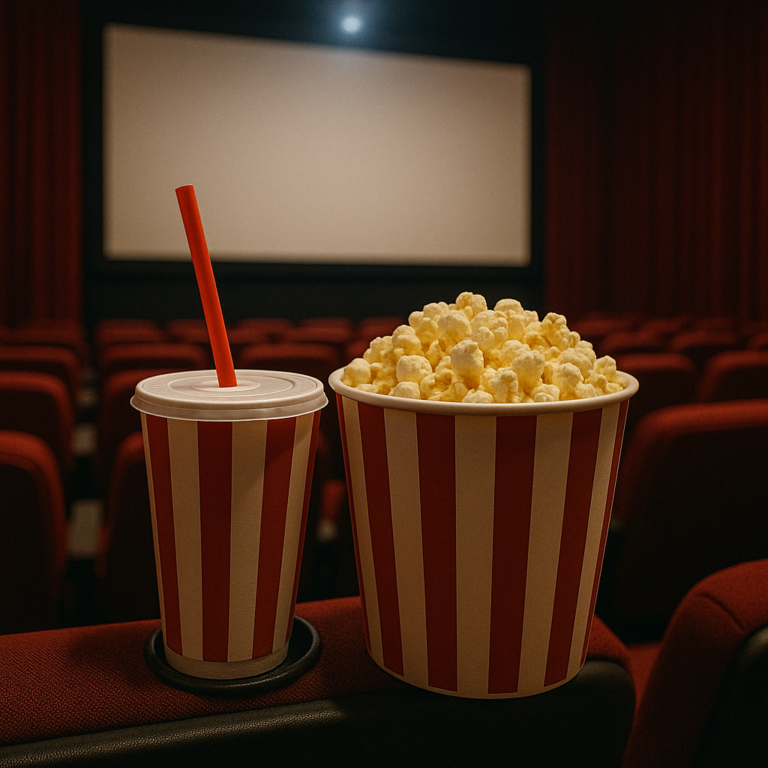
Selecting the 20 best horror movies for Halloween requires navigating decades of cinematic terror, from the atmospheric dread of classic Universal monsters to the visceral shocks of modern elevated horror. Halloween viewing has become a cultural ritual, with millions of households dedicating October to frightening films that range from supernatural chillers to psychological nightmares. The horror genre generates approximately $1 billion annually at the global box office, demonstrating an enduring appetite for stories that explore humanity’s deepest fears. The challenge for many viewers lies in curating a Halloween watchlist that balances genuine scares with quality filmmaking. Not every horror film delivers on its premise, and the sheer volume of options””streaming services collectively offer thousands of titles in the genre””can overwhelm even dedicated fans.
Some viewers seek jump scares and gore, while others prefer slow-building tension and atmospheric unease. Understanding what makes certain horror films endure while others fade into obscurity helps separate truly great Halloween movies from forgettable schlock. This guide examines twenty essential horror films that have earned their place in the Halloween canon through artistic merit, cultural impact, and sheer effectiveness at generating fear. By the end, readers will have a comprehensive viewing schedule that spans subgenres, eras, and styles, ensuring that every night of October delivers something memorably terrifying. Whether the goal is hosting a Halloween movie marathon or finding the perfect film for October 31st itself, this list provides options that satisfy casual viewers and horror aficionados alike.
Table of Contents
- What Makes a Horror Movie Perfect for Halloween Night?
- Classic Horror Films That Define Halloween Movie Marathons
- Supernatural Horror Movies That Deliver Genuine Scares
- Psychological Horror Films for Sophisticated Halloween Viewing
- Modern Horror Movies Redefining the Halloween Genre
- Hidden Gem Horror Films Often Overlooked for Halloween
- How to Prepare
- How to Apply This
- Expert Tips
- Conclusion
- Frequently Asked Questions
What Makes a Horror Movie Perfect for Halloween Night?
The intersection of Halloween and horror cinema creates specific expectations that not all scary movies fulfill equally well. films that resonate during the Halloween season typically incorporate autumnal imagery, supernatural elements, or themes of death and transformation that align with the holiday’s origins. Movies set during Halloween itself””like the 1978 slasher that shares the holiday’s name””carry obvious advantages, but atmosphere matters more than setting. A film like *The Witch* never mentions Halloween yet perfectly captures the season’s essence through its exploration of Puritan-era fears and forest-dwelling evil.
Pacing distinguishes great Halloween viewing from merely adequate horror. The best Halloween horror movies build tension methodically, allowing dread to accumulate rather than relying solely on sudden shocks. This approach mirrors the anticipation that defines October, when decorations appear gradually and the sense of approaching darkness intensifies daily. Films that reward patient attention””*The Shining*, *Hereditary*, *The Exorcist*””provide experiences that linger well beyond their runtime, which is precisely what Halloween viewing should accomplish.
- Atmospheric tension that builds throughout the narrative rather than dissipating between set pieces
- Memorable imagery that becomes associated with the Halloween season itself
- Themes exploring mortality, the supernatural, or the boundary between the living and dead
- Rewatchability that allows viewers to notice new details and deepen their appreciation annually
Classic Horror Films That Define Halloween Movie Marathons
The foundation of any Halloween horror movie marathon rests on films that established the genre’s visual language and thematic concerns. *Halloween* (1978), directed by John Carpenter, revolutionized horror filmmaking with its $300,000 budget that generated over $70 million worldwide.
The film introduced Michael Myers, whose blank white mask and methodical stalking created the template for slasher villains that persists today. Carpenter’s use of widescreen framing to suggest Myers lurking at the edges of the frame influenced countless subsequent horror films.
- The Exorcist* (1973) remains the highest-grossing horror film when adjusted for inflation, earning approximately $1 billion in today’s dollars. William Friedkin’s adaptation of William Peter Blatty’s novel traumatized audiences so severely that theaters reported fainting and vomiting during screenings. The film’s power derives not from gore but from its serious treatment of spiritual warfare, with performances from Ellen Burstyn and Max von Sydow grounding supernatural events in recognizable emotional reality. Its influence extends beyond horror into mainstream filmmaking’s visual vocabulary.
- Psycho* (1960) shattered audience expectations by killing its apparent protagonist within the first act, a structural innovation that demonstrated Alfred Hitchcock’s willingness to manipulate viewer assumptions. The shower scene, comprising 78 camera setups and 52 cuts in 45 seconds, remains cinema’s most analyzed sequence. Hitchcock’s decision to shoot in black and white””partly to minimize the visual impact of blood””created a stark aesthetic that enhanced the film’s psychological unease.
- *Night of the Living Dead* (1968) invented the modern zombie and introduced social commentary to horror
- *The Texas Chain Saw Massacre* (1974) pioneered the “final girl” trope and documentary-style horror
- *A Nightmare on Elm Street* (1984) merged slasher conventions with surrealist dream imagery
Supernatural Horror Movies That Deliver Genuine Scares
Supernatural horror occupies a special place in Halloween viewing because it engages directly with questions about existence beyond death. *The Conjuring* (2013) revitalized haunted house cinema by grounding its scares in the alleged real-life cases of paranormal investigators Ed and Lorraine Warren. Director James Wan demonstrated mastery of classical horror techniques, using long takes and careful framing to generate tension before delivering payoffs that justify the buildup.
The film earned $320 million worldwide against a $20 million budget, spawning a franchise that has collectively grossed over $2 billion. Japanese horror, particularly the original *Ringu* (1998) and *Ju-On: The Grudge* (2002), introduced Western audiences to different cultural approaches to the supernatural. These films emphasize inescapable curses and vengeful spirits rooted in specific Japanese folklore traditions, creating scares that feel genuinely unfamiliar to viewers raised on Western ghost stories. The deliberately paced tension and unsettling imagery influenced a wave of American remakes and original productions throughout the 2000s.
- Hereditary* (2018) elevated supernatural horror by investing heavily in family drama before revealing its occult dimensions. Ari Aster’s directorial debut features a performance from Toni Collette that many critics consider among the finest in horror history, depicting grief that curdles into something far more disturbing. The film’s restraint in its first half makes subsequent revelations more devastating, proving that horror achieves maximum impact when audiences care about characters facing supernatural threats.
- Ghosts and demons tap into nearly universal fears about what happens after death
- Supernatural threats cannot be fought with conventional weapons, heightening helplessness
- Religious and folkloric elements connect horror to deeper cultural anxieties

Psychological Horror Films for Sophisticated Halloween Viewing
Psychological horror dispenses with monsters and ghosts to explore the terrors lurking within the human mind. *The Shining* (1980) transforms Stephen King’s novel about alcoholism and domestic violence into a labyrinthine exploration of isolation and madness.
Stanley Kubrick’s meticulous direction””some scenes required over 100 takes””created an atmosphere of mounting dread that operates almost subliminally. The Overlook Hotel’s impossible geography, which Kubrick deliberately designed to disorient viewers, generates unease even when nothing overtly threatening appears onscreen.
- Get Out* (2017) merged psychological horror with incisive social commentary, earning Jordan Peele an Academy Award for Best Original Screenplay. The film’s horror emerges from recognizable microaggressions that escalate into literal dehumanization, making its terrors resonate with lived experiences of racial anxiety. Its $255 million worldwide gross against a $4.5 million budget demonstrated that horror addressing substantive themes could achieve massive commercial success.
- Black Swan* (2010) applies body horror aesthetics to psychological breakdown, following a ballet dancer whose pursuit of perfection triggers dissociation and self-destruction. Darren Aronofsky’s handheld camerawork creates claustrophobic intimacy that forces viewers into the protagonist’s deteriorating mental state. The film demonstrates psychological horror’s capacity to explore artistic obsession, sexual repression, and identity dissolution without requiring supernatural explanation.
- Mental illness and unreliable narration create uncertainty about what viewers actually witness
- Gaslighting and manipulation by other characters compound protagonists’ psychological fragmentation
- Ambiguous endings invite interpretation and continued contemplation after viewing
Modern Horror Movies Redefining the Halloween Genre
The past decade produced horror films that challenged genre conventions while achieving both critical acclaim and commercial success. *It Follows* (2014) created an original monster””a shapeshifting entity that walks slowly but inexorably toward its victims””while embedding that threat within a dreamlike Detroit landscape.
Director David Robert Mitchell drew from childhood nightmares to create something genuinely new in a genre often accused of recycling familiar threats. The film’s synthesizer score by Disasterpeace became iconic, demonstrating how sonic design contributes to horror effectiveness.
- The Babadook* (2014) used its titular monster as a metaphor for grief and depression, creating horror that functions equally well as psychological drama. Jennifer Kent’s directorial debut features a career-defining performance from Essie Davis, whose deterioration into exhaustion and rage generates dread even before supernatural elements emerge. The film’s conclusion, which refuses easy resolution, acknowledges that some horrors must be managed rather than defeated””a mature perspective rare in genre filmmaking.
- Midsommar* (2019) defied horror conventions by setting its terrors in perpetual daylight among seemingly welcoming Swedish villagers. Ari Aster’s follow-up to *Hereditary* transformed breakup trauma into folk horror, making viewers complicit in a protagonist’s seduction by a murderous cult. The film’s nearly two-and-a-half-hour runtime allows relationships and rituals to develop with unusual patience, making its violence more impactful through contrast with pastoral beauty.
- A24’s horror releases elevated genre filmmaking’s critical reputation and box office potential
- International horror, particularly Korean films like *The Wailing* and *Train to Busan*, expanded the genre’s global appeal
- Streaming platforms funded horror projects that theatrical distribution might have rejected

Hidden Gem Horror Films Often Overlooked for Halloween
Beyond widely recognized classics, numerous horror films reward viewers seeking less familiar scares. *Lake Mungo* (2008) presents itself as a documentary investigating a family’s experiences after their daughter’s drowning death.
The Australian film’s slow revelation of genuinely disturbing imagery buried within home videos creates escalating unease that conventional horror structures cannot replicate. Its modest production values enhance the pseudo-documentary realism, making supernatural elements more unsettling through apparent authenticity.
- The House That Jack Built* (2018) follows a serial killer across twelve years of murders, presented as a philosophical dialogue between the killer and an unseen interlocutor. Lars von Trier’s controversial film generated walkouts at Cannes but offers a genuinely challenging examination of violence, art, and evil that horror rarely attempts. The film refuses comfortable moral positioning, forcing viewers to engage with repellent perspectives without providing reassuring distance.
- Session 9* (2001) uses an abandoned mental hospital’s oppressive atmosphere to generate horror without relying on explicit supernatural elements until its ambiguous finale. Director Brad Anderson shot in the actual Danvers State Hospital before its conversion to condominiums, capturing genuine decay that production design cannot replicate. The film demonstrates how location and sound design can carry horror even when narrative remains deliberately obscure.
- *The Wailing* (2016) blends Korean shamanism with biblical imagery across a sprawling mystery
- *Under the Skin* (2013) presents alien perspective through disorienting imagery and minimal dialogue
- *Cure* (1997) examines contagious violence through hypnosis in Kiyoshi Kurosawa’s masterpiece
How to Prepare
- **Assess viewing environment and equipment** “” Horror films depend heavily on visual and audio design that household settings can undermine. Ensure the television or projector displays properly calibrated contrast, as horror cinematography often places crucial details in shadows. Sound systems should reproduce low frequencies effectively, since bass rumbles and subsonic tones contribute significantly to physical unease. If equipment cannot be upgraded, headphones provide substantial improvement over television speakers.
- **Create appropriate atmospheric conditions** “” Darkness enhances horror viewing by eliminating competing visual stimuli and preventing the screen’s light from washing out. Close blinds, turn off all lights including standby LEDs, and consider viewing late at night when external noise diminishes. Temperature slightly below comfortable enhances alertness and prevents drowsiness that can undermine slow-building tension. Remove phones from the viewing area entirely rather than merely silencing them.
- **Sequence films to build across the Halloween season** “” Begin October with older, slower classics that establish genre foundations before progressing to more intense modern entries. Save the most disturbing films for dates closer to Halloween itself, when seasonal anticipation amplifies their impact. Alternating extremely dark films with lighter horror-comedies prevents exhaustion and maintains enthusiasm across a month of viewing.
- **Research content warnings and triggers** “” Horror films explore genuinely disturbing material that affects viewers differently based on personal experiences. Checking content aggregators like DoesTheDogDie.com allows informed decisions about which films suit particular viewers without spoiling narrative specifics. This preparation prevents unpleasant surprises that could derail viewing sessions or cause genuine distress.
- **Gather appropriate refreshments and supplies** “” Traditional Halloween candy creates associations that enhance seasonal viewing, while avoiding heavy meals prevents discomfort during tense sequences. Having blankets available allows viewers to create partial visual barriers during overwhelming moments without pausing the film. Prepare everything before starting to avoid disrupting atmosphere once viewing begins.
How to Apply This
- **Create a physical or digital calendar with specific films assigned to dates** “” Commitment to particular viewing dates prevents indefinite postponement and ensures the full list receives attention before November arrives. Factor in film lengths, as some selections exceed two hours and require appropriate scheduling. Share the calendar with potential viewing partners to coordinate availability.
- **Verify streaming availability or acquisition methods for each film** “” Horror film licensing shifts frequently between platforms, and assuming availability often leads to frustration when viewing time arrives. JustWatch.com aggregates streaming information across platforms and indicates rental and purchase options when films lack subscription availability. Acquire physical media for films that rotate off streaming regularly.
- **Match specific films to social contexts** “” Some horror films reward group viewing that allows shared reactions and post-film discussion, while others benefit from solitary attention that maximizes immersion. *Evil Dead II* and *Tucker and Dale vs. Evil* enhance parties; *Hereditary* and *The Witch* demand focused individual viewing. Mismatching films and contexts diminishes both the film’s impact and the social occasion.
- **Document reactions and rankings throughout October** “” Keeping notes on each film viewed creates a personal reference that informs future Halloween viewing and allows tracking of evolving preferences. Note which scares proved most effective, which films exceeded or disappointed expectations, and which merit rewatching. This documentation builds knowledge that enhances subsequent horror viewing year-round.
Expert Tips
- **Watch original versions before remakes whenever possible** “” The 1978 *Halloween* establishes visual grammar that the 2018 sequel directly references, making the newer film more rewarding for viewers who recognize callbacks. Original Japanese horror films like *Ringu* differ significantly from American remakes in pacing and cultural context that rewards experiencing both versions.
- **Resist the urge to check phones during slow sequences** “” Modern horror, particularly from directors like Ari Aster and Robert Eggers, builds tension through deliberate pacing that distracted viewing destroys. The payoff for patience in films like *The Witch* depends entirely on accumulated atmosphere that phone-checking dissipates. Commit fully to each viewing or postpone until genuine attention is available.
- **Consider subtitled foreign horror for deeper engagement** “” Reading subtitles forces visual attention that dubbed versions allow to wander, paradoxically creating more immersive viewing experiences. Korean, Japanese, and French horror offer perspectives on fear that English-language films rarely replicate, expanding viewers’ understanding of what horror can accomplish.
- **Revisit dismissed films after several years** “” Horror that fails to connect during initial viewing sometimes reveals depths that younger or differently-situated viewers miss. *The Shining* received mixed contemporary reviews before achieving recognition as a masterpiece; personal reassessment can yield similar revelations about films that seemed unimpressive initially.
- **Explore directors’ full filmographies after discovering favorites** “” Directors who create effective horror typically develop consistent thematic and aesthetic concerns across multiple films. John Carpenter’s work beyond *Halloween*, including *The Thing* and *Prince of Darkness*, rewards fans of his style. Mike Flanagan’s Netflix series extend approaches visible in his theatrical films.
Conclusion
The twenty horror films discussed throughout this guide represent the genre’s capacity to entertain, disturb, and illuminate aspects of human experience that other forms struggle to address. From the foundational works of Hitchcock and Carpenter through contemporary achievements by Peele and Aster, horror cinema has evolved while maintaining its essential function: providing safe contexts for confronting fears that daily life requires suppressing. Halloween viewing transforms this confrontation into celebration, making October a month when audiences actively seek experiences they would otherwise avoid.
Building horror literacy through systematic viewing enhances appreciation for the genre’s artistry while increasing tolerance for intensity that initially overwhelms. Films that seem unbearably frightening during early viewing often become comfortable favorites that viewers return to annually, their scares transformed into familiar pleasures. This evolution reflects horror’s paradoxical appeal: the films provide controlled doses of fear that, through repetition, become mastery experiences affirming viewers’ capacity to endure. Whether the goal is finding new favorites, understanding genre history, or simply filling October evenings with appropriate entertainment, horror cinema offers inexhaustible rewards for those willing to face what it presents.
Frequently Asked Questions
How long does it typically take to see results?
Results vary depending on individual circumstances, but most people begin to see meaningful progress within 4-8 weeks of consistent effort.
Is this approach suitable for beginners?
Yes, this approach works well for beginners when implemented gradually. Starting with the fundamentals leads to better long-term results.
What are the most common mistakes to avoid?
The most common mistakes include rushing the process, skipping foundational steps, and failing to track progress.
How can I measure my progress effectively?
Set specific, measurable goals at the outset and track relevant metrics regularly. Keep a journal to document your journey.