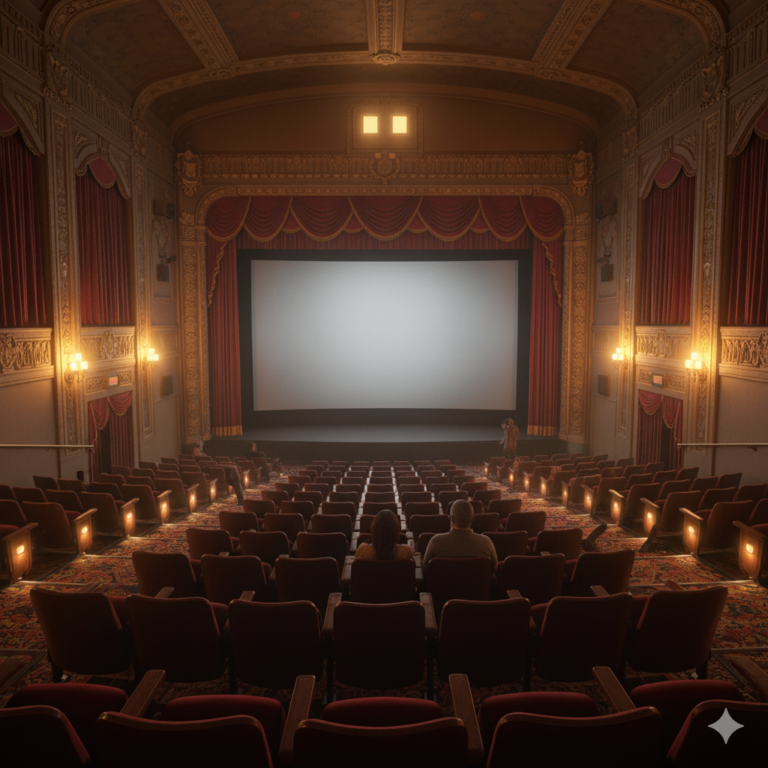
The world of retro indie horror movies represents one of cinema’s most fertile creative grounds, where limited budgets forced filmmakers to rely on atmosphere, tension, and psychological terror rather than expensive special effects. These films, produced outside the major studio system from the 1960s through the early 1990s, established many of the genre conventions we recognize today while simultaneously subverting audience expectations in ways that Hollywood productions rarely dared. From grainy 16mm footage shot in remote farmhouses to experimental sound design created with household objects, these must-watch retro indie horror movies demonstrate that genuine fear requires imagination far more than money. Understanding this corner of horror cinema matters because it reveals the genre’s true DNA. The slick, CGI-heavy horror productions of recent decades owe an enormous debt to independent filmmakers who scraped together financing from local investors, maxed out credit cards, and convinced friends to work for deferred payment. George Romero shot Night of the Living Dead for approximately $114,000 in 1968.
Tobe Hooper made The Texas Chain Saw Massacre for under $140,000 in 1974. These films didn’t just succeed despite their limitations””they succeeded because of them. The documentary-style cinematography, non-professional actors, and practical effects created an authenticity that audiences found genuinely disturbing. By the end of this article, readers will have a comprehensive guide to fifteen essential retro indie horror films spanning three decades, along with the historical context that makes each significant. This exploration covers the defining characteristics of independent horror production, the cultural conditions that allowed these films to flourish, and practical guidance for viewers looking to explore this rich cinematic tradition. Whether approaching these films for the first time or revisiting old favorites with fresh perspective, this guide provides the framework for deeper appreciation of horror’s independent roots.
Table of Contents
- What Makes Retro Indie Horror Movies Different From Studio Productions?
- The Golden Era of Independent Horror Filmmaking (1968-1984)
- Essential Viewing: The Fifteen Must-Watch Retro Indie Horror Films
- Finding and Streaming Classic Retro Indie Horror Films Today
- Common Misconceptions About Retro Indie Horror and Film Quality
- The Legacy and Continuing Influence of Indie Horror Pioneers
- How to Prepare
- How to Apply This
- Expert Tips
- Conclusion
- Frequently Asked Questions
What Makes Retro Indie Horror Movies Different From Studio Productions?
The distinction between retro indie horror movies and their studio counterparts extends far beyond budget figures. Independent horror films of the 1960s through 1980s operated under fundamentally different creative and economic pressures that shaped every aspect of their production. Studio horror films of this era followed established formulas, employed union crews, and required approval from multiple executives before cameras rolled. Independent productions answered to no one except their investors””often the filmmakers themselves””which permitted experimentation that would never survive a studio development process.
This freedom manifested in content that pushed boundaries the major studios wouldn’t approach. Independent horror filmmakers tackled explicit violence, social commentary, sexual content, and nihilistic endings that violated the unwritten rules governing mainstream entertainment. When Romero depicted cannibalistic ghouls devouring human entrails in Night of the Living Dead, no studio executive demanded he tone down the imagery for wider audience appeal. When Wes Craven explored class warfare and revenge in The Last House on the Left, he didn’t need to soften his message for corporate stakeholders. The absence of oversight created space for genuine artistic vision””and genuine transgression.
- **Creative control**: Directors typically wrote, produced, and sometimes edited their own films, maintaining singular artistic vision throughout production
- **Regional character**: Films shot outside Hollywood captured authentic American landscapes and communities, from rural Pennsylvania to backwoods Texas
- **Practical necessity driving innovation**: Limited resources forced creative problem-solving that often produced more effective scares than expensive effects work
The Golden Era of Independent Horror Filmmaking (1968-1984)
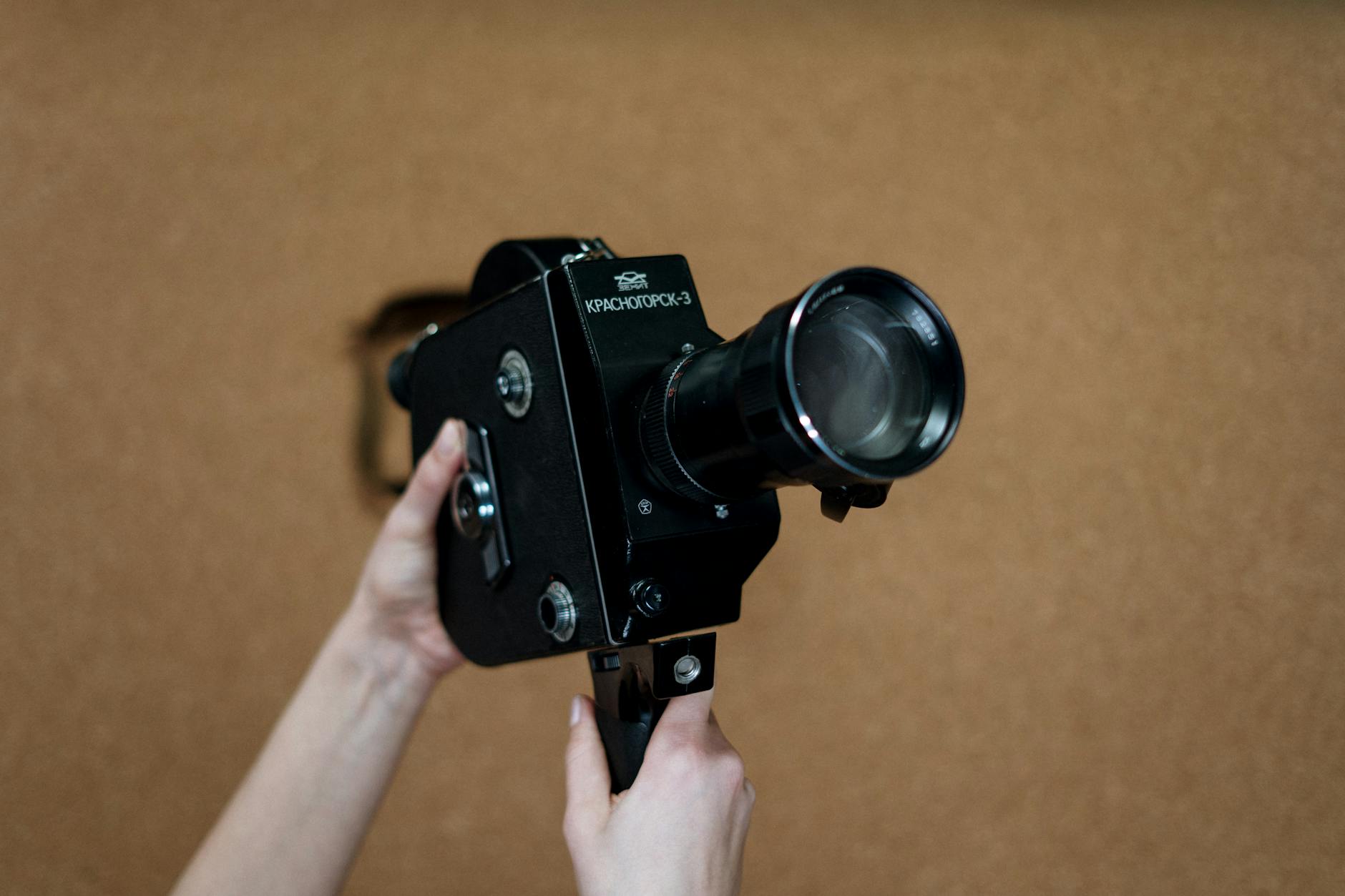
The period spanning night of the Living Dead’s release in 1968 through the mid-1980s represents the golden era for retro indie horror production. Several converging factors created ideal conditions for independent horror filmmaking during these years. The collapse of the Production Code in 1968 removed content restrictions that had governed American cinema for decades. Simultaneously, the emergence of drive-in theaters and grindhouse cinemas created distribution channels hungry for exploitation content that studios wouldn’t produce. Young filmmakers with 16mm cameras and determination could actually reach audiences and potentially profit. The economics of this era favored the ambitious amateur.
Film stock and processing remained relatively affordable. Non-union crews worked for minimal compensation on the promise of experience and potential profit participation. Regional investors””car dealerships, meat-packing plants, local businessmen””provided seed funding for productions that might return substantial profits. Night of the Living Dead reportedly earned over $30 million worldwide against its modest budget. The Texas Chain Saw Massacre grossed approximately $30.9 million domestically. These returns attracted attention and capital to independent horror production throughout the 1970s and early 1980s.
- **Drive-in distribution**: The approximately 4,000 drive-in theaters operating in the United States during the 1970s provided crucial exhibition venues for independent horror
- **Regional production centers**: Cities like Pittsburgh, Austin, and Detroit developed active independent film communities outside Hollywood’s orbit
- **Home video revolution**: The VHS explosion of the early 1980s created new revenue streams and distribution possibilities for independent horror productions
Essential Viewing: The Fifteen Must-Watch Retro Indie Horror Films
Any comprehensive list of must-watch retro indie horror movies must begin with the foundational texts that established the independent horror tradition. Night of the Living Dead (1968) invented the modern zombie mythology while delivering pointed social commentary about race relations and Cold War anxiety. Filmed in Evans City, Pennsylvania, with a cast of unknown actors and local residents, Romero’s debut demonstrated that horror could be both viscerally disturbing and intellectually substantial. The film’s bleak ending””unprecedented for American horror at the time””established a template for indie horror’s willingness to deny audiences comfortable resolution.
The Texas Chain Saw Massacre (1974) pushed further into territory Hollywood wouldn’t touch. Tobe Hooper’s film, shot during a brutal Texas summer with a crew suffering from heat exhaustion and props made from actual animal remains, achieved a documentary realism that convinced many viewers the events depicted were real. The film contains surprisingly little on-screen gore, instead generating terror through implication, sound design, and relentless pacing. Carnival of Souls (1962), though predating the official indie horror boom, established the dreamlike, atmospheric approach that would influence decades of independent horror production. Herk Harvey’s film, made for approximately $33,000 with a crew of industrial filmmakers from Kansas, created an uncanny mood that mainstream horror rarely achieved.
- **Night of the Living Dead (1968)**: The foundation stone of modern independent horror and zombie cinema
- **The Texas Chain Saw Massacre (1974)**: Visceral regional horror that influenced countless imitators
- **Carnival of Souls (1962)**: Proto-indie horror establishing atmospheric, psychological approach
- **Last House on the Left (1972)**: Wes Craven’s brutal debut examining violence and revenge
- **The Evil Dead (1981)**: Sam Raimi’s kinetic, inventive cabin-in-the-woods masterpiece

Finding and Streaming Classic Retro Indie Horror Films Today
Locating these retro indie horror films requires more effort than browsing mainstream streaming platforms, but dedicated viewers have multiple options for accessing this essential cinema. Specialty streaming services have emerged specifically to serve horror enthusiasts and cult film collectors. Shudder, the AMC-owned horror streaming platform, maintains an extensive library of classic independent horror alongside contemporary productions. The Criterion Channel periodically features curated collections of essential horror films, often including restored versions with scholarly commentary.
Physical media remains the most reliable access point for serious collectors. Arrow Video, Vinegar Syndrome, Severin Films, and Blue Underground specialize in restoring and releasing independent horror films from the 1960s through 1990s with comprehensive special features. These boutique labels invest in 4K restorations from original camera negatives, commission new audio commentaries from surviving filmmakers and critics, and include documentary features exploring each film’s production history. A properly restored Blu-ray of The Texas Chain Saw Massacre or Suspiria reveals visual detail obscured for decades by degraded prints and poor home video transfers.
- **Specialty streaming**: Shudder ($5.99/month), Criterion Channel ($10.99/month), Tubi (free with ads), and Pluto TV offer rotating selections of classic horror
- **Boutique Blu-ray labels**: Arrow Video, Vinegar Syndrome, Scream Factory, and Severin Films produce definitive physical media releases
- **Repertory screenings**: Major cities maintain theaters dedicated to revival screenings, often presenting rare 35mm prints
Common Misconceptions About Retro Indie Horror and Film Quality
Newcomers to retro indie horror often struggle with expectations shaped by contemporary production values. The grain, imperfect sound, and occasionally awkward performances characteristic of low-budget 1970s productions can initially seem like flaws rather than aesthetic elements. Understanding that these films emerged from specific material conditions helps viewers appreciate them on appropriate terms. The “roughness” of independent horror wasn’t a failure to achieve Hollywood polish””it was a different approach to filmmaking that often enhanced rather than diminished the viewing experience.
Technical limitations frequently produced accidental innovations that became deliberate stylistic choices. The handheld camerawork in The Texas Chain Saw Massacre resulted partly from necessity””the small crew couldn’t always set up elaborate tracking shots””but the resulting footage conveyed documentary immediacy that a more polished approach would have undermined. The grainy 16mm cinematography of Henry: Portrait of a Serial Killer gives the film its disturbing voyeuristic quality. These aesthetic choices, born from budget constraints, influenced generations of subsequent filmmakers who deliberately adopted “rough” visual styles for artistic effect.
- **Grain isn’t damage**: Film grain in properly restored transfers represents the original photographic texture, not degradation
- **Pacing conventions differed**: 1970s independent films often employed slower builds and longer takes than contemporary horror
- **Non-professional performances**: Many indie horror films cast local non-actors whose naturalistic performances create authenticity impossible with trained performers

The Legacy and Continuing Influence of Indie Horror Pioneers
The filmmakers who established independent horror as a viable creative and commercial enterprise went on to shape mainstream cinema in ways that extended far beyond the genre. Sam Raimi, who mortgaged his family’s home to help finance The Evil Dead, later directed the Spider-Man trilogy that launched the modern superhero era. Wes Craven, beginning with Last House on the Left, created the Nightmare on Elm Street and Scream franchises that dominated 1980s and 1990s horror. Tobe Hooper directed Poltergeist for Steven Spielberg’s production company. George Romero’s zombie mythology became arguably the most adapted horror concept in entertainment history, spawning The Walking Dead franchise and countless video games.
Contemporary independent horror openly acknowledges its debt to these pioneers. Ti West’s House of the Devil (2009) recreated 1980s production techniques and visual aesthetics with obsessive precision. Robert Eggers cited Carnival of Souls among his influences for The Witch. The “mumblegore” movement of the early 2010s””films like You’re Next and The Sacrament””combined indie drama sensibilities with exploitation horror traditions. Understanding retro indie horror provides essential context for appreciating how contemporary filmmakers engage with genre history.
How to Prepare
- **Research the production history**: Read about each film’s creation before watching. Understanding that The Evil Dead’s crew endured freezing Tennessee conditions and that actual cow’s blood was used for certain effects adds dimension to the viewing experience. Production histories appear in documentary features on most boutique Blu-ray releases and in books like Stephen Thrower’s Nightmare USA.
- **Calibrate expectations for pacing and aesthetics**: Watch a well-regarded mainstream horror film from the same era first. Viewing The Exorcist (1973) or Alien (1979) reminds viewers that all 1970s cinema moved differently than contemporary films. This recalibration helps prevent misattributing period pacing to indie limitations.
- **Prepare your viewing environment**: These films benefit from focused attention without phone interruptions. The slow atmospheric builds that characterize much retro indie horror reward patience that distracted viewing undermines. Consider watching after dark with lights dimmed””the conditions under which these films were designed to be experienced.
- **Start with the consensus classics**: Begin with the most widely acclaimed films””Night of the Living Dead, The Texas Chain Saw Massacre, The Evil Dead””before exploring deeper cuts. These films earned their reputations because they remain accessible despite their age, providing a foundation for appreciating more challenging entries.
- **Seek quality transfers**: Avoid poor-quality streams when possible. The difference between a degraded public domain copy of Night of the Living Dead and the Criterion restoration dramatically affects the viewing experience. Boutique labels invest heavily in proper restoration for good reason.
How to Apply This
- **Create a chronological watchlist**: Progress through the films in release order to understand how the genre evolved. Starting with Carnival of Souls (1962), moving through Night of the Living Dead (1968), and continuing through the 1970s and 1980s reveals influence chains and stylistic developments invisible when watching randomly.
- **Pair films with supplementary materials**: After watching each film, explore the special features, listen to commentary tracks, or read contemporary reviews. The Texas Chain Saw Massacre commentary featuring Tobe Hooper and cinematographer Daniel Pearl provides production insights unavailable elsewhere.
- **Join viewing communities**: Online communities like the horror sections of Letterboxd, the r/horror subreddit, and specialized forums provide spaces for discussing these films with knowledgeable enthusiasts. Reading others’ interpretations enriches personal understanding.
- **Document your journey**: Keep notes on each film watched, recording observations and questions. This practice deepens engagement and provides reference material for future discussions or repeat viewings.
Expert Tips
- **Prioritize original versions over remakes**: The 2003 Texas Chainsaw Massacre and 2010 Nightmare on Elm Street remakes, whatever their merits, cannot substitute for experiencing the originals that these lists address. Always locate the original film rather than more accessible remakes.
- **Don’t skip the sequels created by original filmmakers**: Dawn of the Dead (1978) and Day of the Dead (1985) complete Romero’s original zombie trilogy and are essential viewing, not optional supplements. Evil Dead 2 represents a significant artistic evolution from its predecessor.
- **Investigate regional horror beyond the canonical titles**: After the fifteen essential films, explore deeper cuts like Messiah of Evil (1973), Let’s Scare Jessica to Death (1971), and Tourist Trap (1979). These lesser-known films offer rewards for viewers who’ve developed appreciation for the indie horror aesthetic.
- **Understand the exploitation film ecosystem**: Many retro indie horror films shared distribution channels with sexploitation, blaxploitation, and other exploitation genres. Films like Sugar Hill (1974) and Ganja & Hess (1973) combine horror with blaxploitation traditions in revealing ways.
- **Recognize international influences and parallels**: American indie horror existed in conversation with international horror movements. Italian giallo films, British Hammer productions, and Japanese horror influenced American independent filmmakers who often had easier access to foreign films than mainstream audiences.
Conclusion
The fifteen must-watch retro indie horror movies discussed throughout this guide represent more than a checklist for genre enthusiasts””they constitute a shadow history of American independent cinema that parallels the better-known New Hollywood movement. While film school curricula celebrate the innovations of Scorsese, Coppola, and Altman, the equally significant achievements of Romero, Hooper, Craven, and their contemporaries often receive less academic attention despite their enormous cultural influence. These filmmakers proved that meaningful cinema could emerge from regional production, limited resources, and genre frameworks dismissed by critical establishments.
Engaging seriously with retro indie horror develops viewing skills applicable across cinema. Learning to appreciate the atmospheric achievements of low-budget 1970s productions trains attention toward elements that glossy contemporary films often neglect: sound design, performance authenticity, environmental texture, and pacing. Viewers who’ve genuinely engaged with The Texas Chain Saw Massacre or Carnival of Souls watch all films differently afterward, more attuned to the craft beneath surface polish. The next step involves simply beginning: selecting one of the fifteen essential films, finding the best available version, and experiencing what made independent horror a creative force that continues shaping cinema decades later.
Frequently Asked Questions
How long does it typically take to see results?
Results vary depending on individual circumstances, but most people begin to see meaningful progress within 4-8 weeks of consistent effort.
Is this approach suitable for beginners?
Yes, this approach works well for beginners when implemented gradually. Starting with the fundamentals leads to better long-term results.
What are the most common mistakes to avoid?
The most common mistakes include rushing the process, skipping foundational steps, and failing to track progress.
How can I measure my progress effectively?
Set specific, measurable goals at the outset and track relevant metrics regularly. Keep a journal to document your journey.