The iconic locations from classic independent horrors have shaped the genre in ways that big-budget studio productions rarely achieve, transforming ordinary houses, rural landscapes, and forgotten buildings into enduring symbols of dread. Unlike Hollywood horror films that rely on elaborate sets and CGI environments, independent filmmakers have historically turned real-world constraints into creative advantages, discovering that authenticity breeds terror. The farmhouse in rural Texas, the cabin in the Tennessee woods, the suburban home on a quiet street”these places work precisely because they feel possible, even familiar. Independent horror has always understood something fundamental about fear: it thrives in specificity. When a location feels real, when viewers can imagine driving past it on a road trip or walking through its doors, the horror becomes personal.
This connection between place and dread explains why so many landmark independent horror films are inseparable from their settings. The Blair Witch Project without the Black Hills forest, The Texas Chain Saw Massacre without that sweltering farmhouse, Night of the Living Dead without its isolated Pennsylvania farmstead”these films would cease to exist as we know them. This exploration examines fifteen locations that have become synonymous with independent horror cinema, tracing how limited budgets forced filmmakers to find terror in the everyday. From Tobe Hooper’s use of an actual slaughterhouse to Sam Raimi’s discovery of a remote Tennessee cabin, these settings reveal how independent horror creates atmosphere through location rather than effects. By the end, readers will understand not only why these specific places became iconic but also how their selection and utilization established templates still followed by horror filmmakers today.
Table of Contents
- What Makes a Location Iconic in Classic Independent Horror Films?
- Rural Nightmares”Farmhouses and Backwoods Settings in Independent Horror Cinema
- Suburban Dread and the Horror of Familiar Domestic Spaces
- How Filmmakers Transform Real Buildings into Horror Landmarks
- Preservation and Pilgrimage”The Afterlife of Horror Film Locations
- The Legacy of Location-Based Horror in Contemporary Independent Film
- How to Prepare
- How to Apply This
- Expert Tips
- Conclusion
- Frequently Asked Questions
What Makes a Location Iconic in Classic Independent Horror Films?
The distinction between a forgettable horror setting and an iconic location from classic independent horrors comes down to several intersecting factors that budget limitations often enhance rather than diminish. First, the location must serve the narrative organically”it cannot simply be a backdrop but must function almost as a character itself, influencing how the story unfolds and constraining the options available to both characters and filmmakers. The farmhouse in night of the Living Dead works because its isolation creates the siege scenario, while its multiple entry points generate constant vulnerability. Authenticity plays an equally crucial role. Independent horror films typically shoot in real locations rather than constructed sets, and audiences sense the difference even when they cannot articulate it.
When Tobe Hooper filmed The Texas Chain Saw Massacre in a genuine farmhouse during a brutally hot Texas summer, that discomfort translated directly to screen. The actors were not pretending to be miserable”they were miserable. This authenticity creates a documentary quality that studio productions struggle to replicate regardless of budget. The locations that endure in horror memory also tend to subvert expectations about safety. The suburban home should be secure; the summer camp should be carefree; the cabin in the woods should offer peaceful retreat. When horror invades these spaces, it violates assumptions about where danger exists, making the fear portable”viewers carry it home with them.
- **Isolation and confinement**: Iconic horror locations typically trap characters, whether through geography, circumstance, or both
- **Tactile reality**: Real locations provide sensory details that constructed sets cannot match”the creak of actual floorboards, the smell of genuine decay
- **Economic necessity as aesthetic virtue**: Budget constraints force filmmakers to maximize existing locations rather than modify them, preserving architectural and environmental authenticity
Rural Nightmares”Farmhouses and Backwoods Settings in Independent Horror Cinema
Rural America has provided independent horror with some of its most enduring and disturbing locations, establishing a template of pastoral terror that continues influencing the genre. The farmhouse from The Texas Chain Saw Massacre (1974) remains perhaps the most notorious example. Located in Round Rock, Texas, this Victorian-era structure provided Hooper with a ready-made house of horrors”its cramped rooms, low ceilings, and genuine dilapidation created claustrophobic dread without requiring set decoration. The production famously decorated interiors with actual animal bones and rotting materials, making the smell on set so overwhelming that crew members regularly became ill. George Romero’s Night of the Living Dead (1968) established the rural farmhouse as horror sanctuary-turned-prison years earlier, filming at an actual farmhouse in Evans City, Pennsylvania. The location’s legitimate isolation”thirty miles from Pittsburgh with limited access roads”provided both practical production benefits and narrative authenticity.
Romero could not afford to build sets, so he found a condemned farmhouse scheduled for demolition, negotiating permission to use it before its destruction. This economic necessity produced one of horror’s most influential settings, proving that decay and abandonment communicate threat more effectively than expensive construction. The Evil Dead’s cabin deserves particular attention for how thoroughly it shaped subsequent horror. Raimi found a genuine hunting cabin near Morristown, Tennessee, so remote that cast and crew had to drive forty-five minutes on unpaved roads to reach it. There was no running water, no heat during freezing winter shoots, and no easy escape if equipment failed. These conditions produced a film that feels genuinely uncomfortable because it was genuinely uncomfortable to make.
- **The Evil Dead cabin**: Sam Raimi discovered the remote Tennessee cabin that became the setting for his 1981 breakthrough, selecting it specifically for its genuine isolation and primitive conditions
- **The Blair Witch forest**: The Black Hills of Burkittsville, Maryland provided Daniel Myrick and Eduardo Sánchez with endless woodland that felt genuinely disorienting, filmed without artificial lighting or constructed paths
- **Backwoods authenticity**: These rural settings tap into urban anxieties about “flyover country” while simultaneously critiquing assumptions about rural communities
Suburban Dread and the Horror of Familiar Domestic Spaces
While rural settings dominated early independent horror, the 1970s and 1980s saw filmmakers increasingly discovering terror in suburban environments, transforming the American dream of homeownership into nightmare. John Carpenter’s Halloween (1978), though produced with studio involvement, operated on an independent budget and established the suburban street as horror territory. Carpenter filmed in South Pasadena, California, using its tree-lined residential blocks to create the fictional Haddonfield, Illinois. The Myers house at 1000 North Orange Grove Avenue became instantly iconic”an ordinary two-story home indistinguishable from its neighbors except for what happened inside. This domestication of horror proved enormously influential for independent filmmakers who followed.
Wes Craven’s The Last House on the Left (1972) brought violence into comfortable middle-class homes, while Tobe Hooper’s Poltergeist (1982) made suburban tract housing grounds for supernatural invasion. These films understood that horror functions differently when it occurs where audiences actually live. The cabin in the woods offers psychological distance; the house that looks like yours does not. The suburban horror location also enabled commentary that rural settings could not easily support. When horror invades the suburbs, it critiques the ideology of suburban safety itself”the fantasy that moving to a “good neighborhood” protects families from danger. Independent horror filmmakers, often working outside studio oversight, could make this critique explicit in ways mainstream productions avoided.
- **The Amityville location**: The genuine Dutch Colonial house at 112 Ocean Avenue became so associated with the 1979 film that subsequent owners changed its address and modified its distinctive quarter-moon windows
- **Ordinary architecture as threat**: Independent horror discovered that split-level ranches, colonial revivals, and Cape Cods”the most common American home styles”became terrifying precisely because of their ordinariness
- **Economic accessibility**: Suburban locations cost nothing to use for exterior establishing shots, allowing independent filmmakers to create production value through location selection rather than construction
How Filmmakers Transform Real Buildings into Horror Landmarks
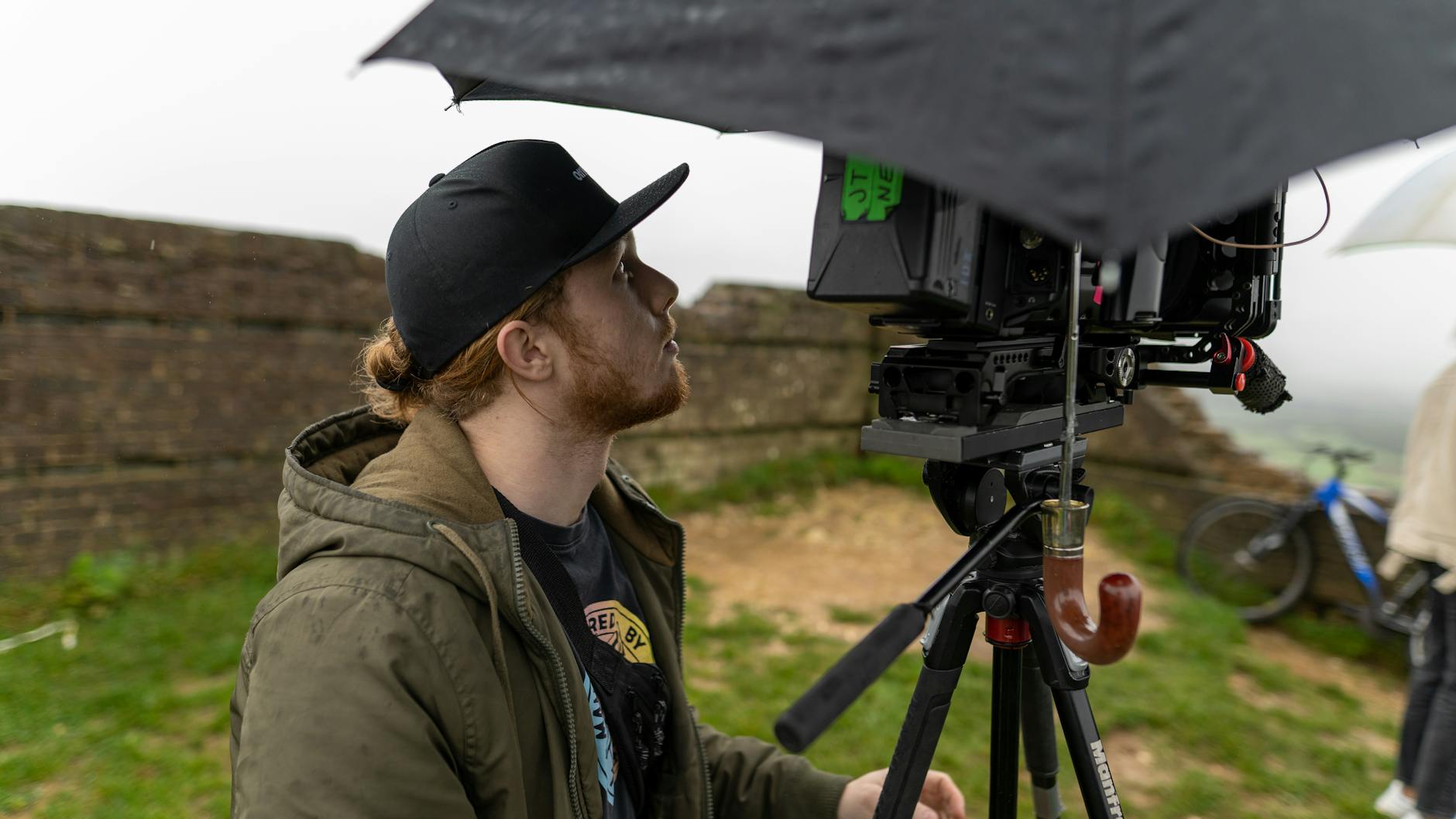
The process by which independent filmmakers identify, secure, and transform real locations into iconic horror settings involves both practical methodology and creative vision. Unlike studio productions that build sets to specification, independent horror requires filmmakers to work with existing architecture, finding or creating horror within structures designed for entirely different purposes. This constraint has historically produced the genre’s most memorable locations. Location scouting for independent horror follows specific criteria that differ from mainstream film production. Filmmakers seek buildings with inherent visual interest”unusual architecture, visible decay, atmospheric lighting conditions”but also practical considerations like owner accessibility, permit requirements, and modification permissions.
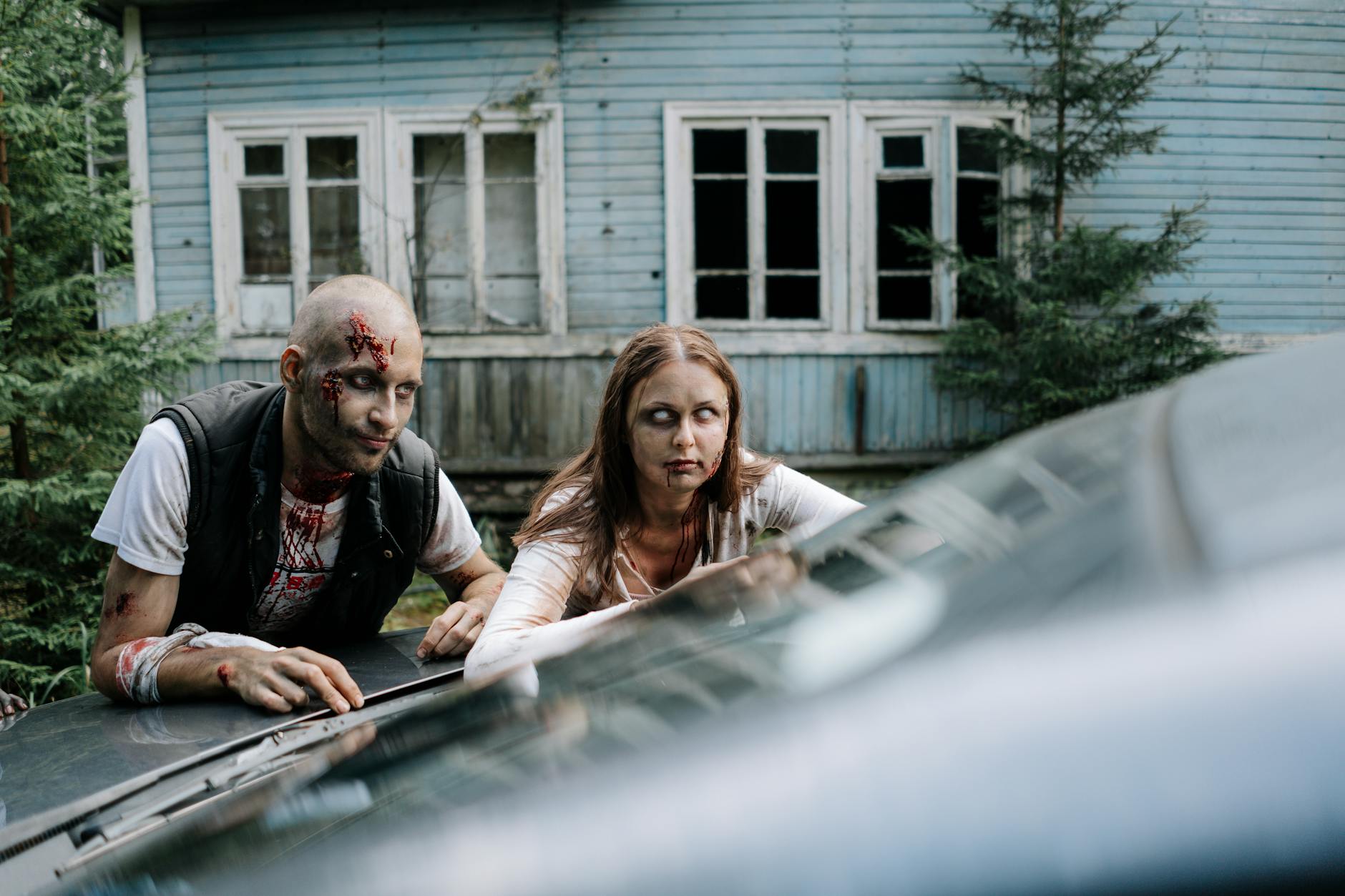
Tobe Hooper drove through rural Texas for weeks before discovering the farmhouse that became the Sawyer family home, specifically seeking a structure that communicated isolation and wrongness without requiring significant alteration. The transformation process also involves what might be called “negative production design””the strategic removal of elements that would undermine horror atmosphere. Contemporary appliances, bright paint colors, signs of comfortable habitation all work against dread. Independent filmmakers strip locations to their bones, removing anything that suggests safety or modernity. The resulting environments feel timeless and unstable, places where normal rules might not apply.
- **Minimal modification philosophy**: The most effective independent horror locations require little set decoration because their existing condition provides atmosphere
- **Natural lighting utilization**: Budget constraints force filmmakers to work with available light, which often produces more realistic and unsettling imagery than artificial alternatives
- **Sound environment consideration**: Real locations provide ambient sound that constructed sets cannot replicate”creaking structures, wind through gaps, distant traffic or animal sounds
- **Escape route analysis**: Horror narratives require understanding how characters might flee a location, making architectural layout crucial to story development
Preservation and Pilgrimage”The Afterlife of Horror Film Locations
Horror film locations occupy a unique position in cinema tourism, attracting visitors decades after production wraps in ways that locations from other genres rarely experience. This phenomenon raises complex questions about preservation, commercialization, and the relationship between fictional horror and real-world spaces. Many iconic locations from classic independent horrors have been demolished, significantly altered, or converted into tourist attractions, each outcome carrying different implications for horror history. The Texas Chain Saw Massacre farmhouse exemplifies both preservation and displacement. In 1998, the original structure was moved from Round Rock to Kingsland, Texas, where it became the Grand Central Café restaurant.
Visitors can now eat barbecue in the same rooms where Leatherface’s family supposedly consumed their victims”a deeply strange juxtaposition that some fans find fascinating and others consider sacrilegious. The building survives, but its context has fundamentally changed, raising questions about what preservation actually preserves. The pilgrimage impulse among horror fans speaks to how effectively these locations communicate through film. Visitors report experiencing genuine unease at horror film sites even when intellectually understanding nothing dangerous occurred there. This response suggests that cinematic location work creates lasting psychological associations, literally changing how spaces are perceived and experienced.
- **The Evans City cemetery**: The cemetery from Night of the Living Dead’s opening scenes remains unchanged, hosting annual fan gatherings and maintaining its original character without commercialization
- **Demolished locations**: The cabin from The Evil Dead no longer exists”it burned down in the years following production, leaving only its foundation and surrounding forest
- **Modified structures**: The Amityville Horror house has been significantly altered by owners seeking privacy, its distinctive windows changed to prevent identification
- **Active tourism sites**: Some locations actively court horror fans, creating tension between historical preservation and commercial exploitation
The Legacy of Location-Based Horror in Contemporary Independent Film
Contemporary independent horror continues drawing on the location-based approaches established by classic films, though technological changes have altered both possibilities and constraints. Digital filmmaking has dramatically reduced production costs, theoretically freeing filmmakers from the location limitations their predecessors faced. Yet many of the most successful recent independent horror films deliberately embrace the aesthetic of authentic locations, recognizing that this approach produces results CGI cannot replicate. Films like It Follows (2014), The Witch (2015), and Hereditary (2018) demonstrate continued commitment to location-based horror, finding terror in Detroit’s decaying neighborhoods, remote New England forests, and isolated rural properties respectively.
These productions had larger budgets than their 1970s predecessors but employed similar methodologies”extensive location scouting, minimal set construction, and narratives that emerge from environmental constraints rather than imposing stories onto generic spaces. The streaming era has created new economic models for independent horror that both support and threaten location-based filmmaking. Platforms hungry for content have funded productions that theatrical distribution would never support, enabling films like The Lodge (2019) and Relic (2020) to find audiences. However, the demand for rapid production schedules can pressure filmmakers toward constructed sets and digital environments that allow greater control over variables that real locations introduce.
How to Prepare
- **Research production histories before viewing**: Knowing that a film used real locations rather than sets changes how you perceive its imagery. Production histories reveal constraints filmmakers faced and creative solutions they developed, providing context that enriches viewing.
- **Study architectural and environmental details**: Horror locations communicate through specificity”the particular style of door handles, the type of trees surrounding a building, the way light enters windows. Training attention toward these details reveals how filmmakers select and present spaces.
- **Consider geographic and cultural context**: Locations carry meaning beyond their physical characteristics. A rural Texas farmhouse communicates differently than a New England farmstead, drawing on distinct regional histories and anxieties. Understanding these contexts illuminates filmmakers’ choices.
- **Compare original locations to film presentation**: Many horror film locations can be visited or viewed through contemporary photography. Comparing how these spaces appear in reality versus on screen reveals the transformative power of cinematography, lighting, and editing.
- **Analyze character-environment relationships**: Effective horror locations constrain and influence character behavior. Examining how characters move through and interact with spaces reveals how location design serves narrative function beyond mere backdrop.
How to Apply This
- **Create location-based viewing lists**: Organize horror film viewing around location types”rural isolation films, suburban dread films, urban decay films”to understand how different environments produce different horror effects and enable comparative analysis.
- **Document local potential horror locations**: Every region contains buildings and landscapes with horror potential. Practicing location scouting in your own area develops the observational skills that produced classic horror settings.
- **Analyze contemporary horror for location influence**: When watching new horror releases, identify which classic location templates filmmakers employ. This practice reveals how thoroughly early independent horror established visual and spatial vocabularies still in use.
- **Research preservation and modification histories**: Tracking what has happened to iconic horror locations after filming illuminates broader questions about film heritage and the relationship between fictional and actual spaces.
Expert Tips
- **Prioritize natural light observation**: The most effective independent horror locations work with available light rather than against it. When visiting potential locations or analyzing film imagery, note how natural light enters spaces and what atmospheric effects it produces at different times of day.
- **Listen to location sound**: Visual analysis dominates most film criticism, but location sound profoundly affects horror atmosphere. Original locations provide ambient soundscapes”creaking structures, environmental noise, acoustic properties”that constructed sets cannot replicate.
- **Study economic context**: Understanding the budget constraints filmmakers faced explains why specific locations were selected and how they were utilized. Many iconic horror choices emerged from financial necessity rather than ideal creative preference.
- **Consider modification ethics**: When visiting horror film locations, respect current owners and communities. Many residents near iconic horror sites have experienced decades of intrusive fan behavior”ethical engagement means recognizing that real people live in and near these spaces.
- **Recognize template repetition**: Independent horror has established location templates that subsequent films endlessly repeat. Identifying when a film deploys a familiar template versus when it genuinely discovers new location approaches helps distinguish innovative horror from derivative content.
Conclusion
The fifteen iconic locations from classic independent horrors examined here represent more than memorable backdrops”they constitute a filmmaking philosophy that transformed limitations into aesthetic principles. When George Romero found a condemned farmhouse, when Tobe Hooper discovered a decaying rural property, when Sam Raimi secured a remote cabin, they were not compromising visions they would have preferred to realize with larger budgets. They were discovering that authentic locations produce authentic dread in ways expensive construction cannot achieve. This lesson remains relevant as contemporary horror navigates between digital possibility and practical location work. Understanding how these locations function enriches horror viewing while illuminating broader questions about place, memory, and fear.
The spaces where we live and travel carry accumulated associations”cultural, personal, architectural”that horror cinema activates and transforms. A suburban house becomes a site of massacre; a summer camp becomes a killing ground; a cabin becomes a doorway to demonic realms. Once these transformations occur on screen, they cannot be entirely undone. We carry them with us, and every similar location we encounter afterward holds latent horror potential. This is the lasting power of location-based independent horror: it changes not just how we see specific places but how we see all places.
Frequently Asked Questions
How long does it typically take to see results?
Results vary depending on individual circumstances, but most people begin to see meaningful progress within 4-8 weeks of consistent effort.
Is this approach suitable for beginners?
Yes, this approach works well for beginners when implemented gradually. Starting with the fundamentals leads to better long-term results.
What are the most common mistakes to avoid?
The most common mistakes include rushing the process, skipping foundational steps, and failing to track progress.
How can I measure my progress effectively?
Set specific, measurable goals at the outset and track relevant metrics regularly. Keep a journal to document your journey.
You Might Also Like
- ATG Ticketing Overview of Prior Class Action Lawsuits Related to Ticketing Fees and Refund Policies
- Regal Unlimited Historical Class Action Claims Involving Subscription Billing Terms and Cancellations
- Regal Cinemas Past Class Action Lawsuits Related to Ticket Fees Subscriptions and Consumer Disclosures