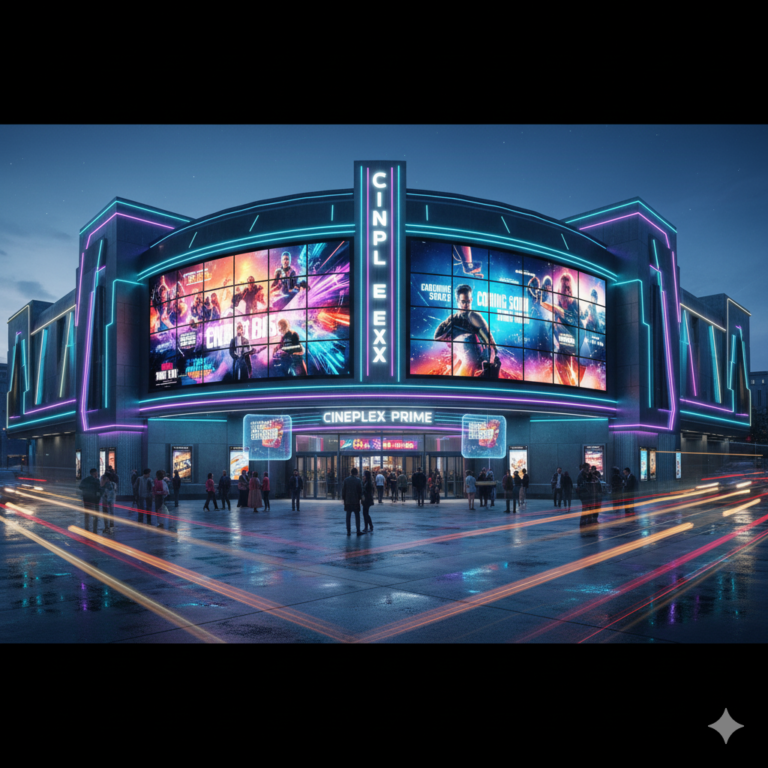
Indie horror film festivals represent the beating heart of genre cinema, showcasing boundary-pushing work from filmmakers who operate outside the studio system. These 15 essential indie horror film festivals have launched careers, premiered groundbreaking films, and built communities of passionate horror devotees who gather annually to celebrate fear in all its forms. From basement screenings in Austin to prestigious European showcases, these festivals collectively define what independent horror looks like today. The landscape of horror cinema has shifted dramatically over the past two decades. While major studios increasingly rely on sequels, remakes, and established franchises, independent filmmakers continue pushing the genre into bold new territory.
Film festivals dedicated to horror provide these creators with platforms to reach audiences, attract distribution deals, and connect with fellow artists. They also solve a persistent problem for horror fans: finding quality genre content amid the flood of mediocre releases that saturate streaming platforms. This guide examines the most significant indie horror film festivals operating today, providing practical information for filmmakers seeking submission opportunities and fans planning festival pilgrimages. Readers will learn what distinguishes each festival, understand the submission processes and typical programming styles, and discover how these events have shaped horror cinema history. Whether the goal is submitting a short film, attending as a fan, or simply understanding the indie horror ecosystem, this comprehensive overview provides essential knowledge about the festivals keeping genre cinema vibrant and dangerous.
Table of Contents
- What Makes an Indie Horror Film Festival Essential for Genre Filmmakers?
- North American Horror Film Festivals Defining Independent Genre Cinema
- European Indie Horror Festivals with Global Influence
- Submission Strategies for Independent Horror Film Festivals
- Common Challenges Facing Films at Horror Festival Circuit
- Regional and Specialized Horror Festivals Worth Attending
- How to Prepare
- How to Apply This
- Expert Tips
- Conclusion
- Frequently Asked Questions
What Makes an Indie Horror Film Festival Essential for Genre Filmmakers?
The distinction between a minor local screening and an essential indie horror film festival comes down to several measurable factors. Industry presence matters enormously””festivals that attract distributors, sales agents, and press provide filmmakers with genuine career opportunities rather than simply adding a laurel to their poster. Fantastic Fest, for example, has premiered films that went on to theatrical distribution and streaming deals, while smaller festivals might offer exposure without meaningful industry connections. Programming curation separates exceptional festivals from those merely filling slots. Essential festivals maintain clear artistic visions and standards, rejecting the temptation to accept every submission with a modest budget.
This selectivity benefits filmmakers whose work appears alongside quality programming rather than being lost in a sea of amateur productions. Festivals like Sitges and Fantasia have built reputations over decades by consistently showcasing the strongest independent horror work available, making their selections meaningful credentials. Community engagement represents another crucial element. The best indie horror film festivals foster year-round connections through online content, regional screening events, and active social media presence. They create ecosystems where filmmakers meet future collaborators, fans discover new favorite directors, and industry professionals identify emerging talent. These festivals function as nodes in a global network of horror enthusiasts, amplifying their influence far beyond the actual event dates.
- Strong festivals attract distributors, sales agents, and international press
- Curated programming ensures quality and provides meaningful credentials
- Community building extends festival impact throughout the year

North American Horror Film Festivals Defining Independent Genre Cinema
North America hosts several of the world’s most influential horror-focused festivals, each occupying a distinct niche within the genre landscape. fantastic Fest in Austin, Texas, stands as perhaps the continent’s premier genre event, running annually since 2005 and premiering films that regularly achieve wide release. The festival’s programming extends beyond pure horror into action, science fiction, and international cinema, but its horror selections consistently represent the cutting edge of independent production. Past world premieres include “The Witch,” “Mandy,” and “Green Room,” films that defined their respective years in genre cinema. The Overlook Film Festival, named after the iconic hotel from “The Shining,” takes a more immersive approach by hosting screenings in atmospheric locations like the Timberline Lodge and various historic hotels.
This experiential element distinguishes Overlook from traditional festival formats, attracting fans who want horror entertainment beyond passive viewing. The festival also programs secret screenings, interactive events, and genre-adjacent programming that explores horror’s connections to music, literature, and gaming culture. Brooklyn Horror Film Festival has rapidly established itself as the East Coast’s essential indie horror destination since launching in 2016. Operating in October to capitalize on Halloween season, the festival emphasizes emerging filmmakers and diverse voices within horror. Its New York location provides access to press and industry figures who might not travel to more remote festival locations, while its focused programming window creates an intensive celebration of genre cinema.
- Fantastic Fest: Largest North American genre festival, major industry presence, Austin
- Overlook Film Festival: Immersive experiences, atmospheric locations, experiential programming
- Brooklyn Horror Film Festival: East Coast essential, October timing, strong emerging filmmaker focus
European Indie Horror Festivals with Global Influence
European horror festivals often claim longer histories and more significant international reputations than their American counterparts. Sitges Film Festival in Catalonia, Spain, has operated since 1968, making it one of the oldest genre-specific festivals in existence. What began as an event focused on fantasy cinema has evolved into a comprehensive showcase of horror, science fiction, and thriller programming, attracting major premieres and substantial industry attention. Sitges selections carry weight with international distributors, and its awards have launched numerous careers in genre filmmaking. FrightFest in London occupies a unique position as both a celebration of horror cinema and a gathering point for the UK genre community.
Operating since 2000, the festival runs across multiple venues during its August showcase, programming hundreds of films that range from major studio releases to no-budget independent productions. FrightFest maintains relationships with British distributors who actively acquire films that premiere at the event, making it a meaningful market for filmmakers seeking UK distribution. Fantasia International Film Festival in Montreal, while technically North American, operates with the sensibility and international scope of European festivals. Running since 1996, Fantasia programs one of the most extensive lineups in genre cinema, spanning horror, action, animation, and experimental work from around the globe. The festival’s emphasis on Asian cinema has introduced Western audiences to numerous now-legendary films and directors, while its competitive sections provide serious critical attention to independent horror productions.
- Sitges: Founded 1968, one of world’s oldest genre festivals, major industry credibility
- FrightFest: UK’s premier horror event, strong distributor relationships, August timing
- Fantasia: Massive programming, strong Asian cinema focus, Montreal location
Submission Strategies for Independent Horror Film Festivals
Submitting to indie horror film festivals requires strategic planning that begins months before deadline dates. Most major festivals open submissions between January and April for events occurring in the summer and fall, meaning filmmakers should research target festivals at least a year before their planned premiere dates. Understanding each festival’s preferences””whether they favor extreme content, elevated horror, supernatural themes, or psychological approaches””helps filmmakers target appropriate venues rather than wasting submission fees on poor fits. The economics of festival submission demand careful budgeting. Entry fees typically range from $25 for small festivals to $75 or more for prestigious events, with early-bird deadlines offering meaningful discounts.
A feature film targeting fifteen to twenty festivals faces potential submission costs of $1,000 or more, requiring filmmakers to prioritize strategically. Premiere status significantly affects acceptance chances, with world premieres commanding the strongest consideration at top-tier festivals. Filmmakers must decide whether to pursue one major festival exclusively or submit broadly to increase acceptance odds while potentially settling for lesser premiere designations. Technical requirements vary between festivals, but most now accept digital screeners through platforms like FilmFreeway, Withoutabox, or direct secure links. However, some prestigious festivals still request physical media for final consideration, and all require high-quality technical standards regardless of budget level. Films with poor sound mixing, unstable picture quality, or amateur technical execution rarely receive serious consideration regardless of conceptual strength.
- Research festival preferences before submitting””tone and content matter
- Budget for submission fees strategically, prioritizing strong fits
- Premiere status significantly affects acceptance at top-tier festivals
Common Challenges Facing Films at Horror Festival Circuit
Independent horror films face distinctive challenges throughout the festival circuit that filmmakers should anticipate and address. Rights and clearance issues frequently derail otherwise successful festival runs. Music licensing presents particular problems, as filmmakers often use placeholder tracks during production without securing festival or distribution rights. Horror films that rely on unlicensed music cannot sign festival agreements, and those that screen without proper clearances face legal exposure. Marketing and attendance present ongoing difficulties even after acceptance. Festivals program dozens or hundreds of films, meaning any individual title competes for audience attention within a crowded schedule.
Films screening at inconvenient times, in smaller venues, or competing against high-profile premieres often draw disappointing crowds despite the prestige of festival selection. Filmmakers who cannot attend to promote their work and participate in Q&A sessions further reduce their films’ visibility and networking potential. The transition from festival success to distribution remains the greatest challenge. Many films complete successful festival runs, accumulating laurels and positive reviews, yet fail to secure meaningful distribution deals. The horror market’s saturation means buyers have extensive options, and festival selections alone rarely guarantee commercial interest. Filmmakers must leverage festival appearances for direct industry connections, following up personally with distributors and sales agents rather than assuming deals will materialize organically.
- Rights clearance, especially music licensing, frequently causes problems
- Competition for audience attention within crowded festival programs
- Festival success doesn’t automatically translate to distribution deals

Regional and Specialized Horror Festivals Worth Attending
Beyond the major festivals, numerous regional and specialized events offer valuable opportunities for filmmakers and fans. Popcorn Frights Film Festival in Miami has grown rapidly since its 2015 founding, becoming the Southeast’s premier horror destination. The festival’s emphasis on Latin American and Spanish-language horror provides distinct programming unavailable at most North American events, while its August timing avoids conflict with fall festival season. Unnamed Footage Festival in San Francisco specializes exclusively in found footage horror, a subgenre with passionate devotees and specific technical and storytelling conventions.
This focused approach attracts filmmakers working within the form and audiences who genuinely appreciate its particular aesthetics rather than dismissing the style as gimmick. Similarly, Final Girls Berlin Film Festival programs exclusively horror films directed by women, addressing the genre’s historical underrepresentation while showcasing diverse perspectives on fear and violence. The Portland Horror Film Festival, Cinepocalypse in Chicago, and Salem Horror Fest in Massachusetts each serve regional audiences while attracting filmmakers seeking additional screening opportunities. These festivals typically offer lower submission fees, less competitive acceptance rates, and meaningful local press coverage, making them valuable components of strategic festival campaigns even if they lack the industry presence of major events.
How to Prepare
- **Research programming and purchase passes early**: Major festivals publish programming schedules two to four weeks before events. Pass tiers range from single-day general admission to all-access packages including parties and special events. Premium passes often sell out months in advance, particularly at Fantastic Fest and FrightFest, so early purchasing prevents disappointment and typically saves money.
- **Book accommodation immediately after pass purchase**: Festival host cities experience high hotel demand during events, with nearby lodging filling quickly once schedules announce. Properties within walking distance of venues command premium prices, but the convenience of avoiding transportation between screenings justifies additional cost, particularly for festivals with late-night programming.
- **Study the schedule and prioritize must-see films**: Festivals program overlapping screenings, forcing difficult choices throughout each day. Identify priority films based on advance reviews, filmmaker track records, and personal genre preferences. Build schedules around essential screenings while leaving flexibility for spontaneous discoveries and social opportunities.
- **Pack appropriately for extended indoor time**: Festival attendance means hours in dark theaters with aggressive air conditioning. Comfortable clothing, layers for temperature variation, phone chargers, and snacks improve endurance across multiple screenings per day. Many festivals prohibit outside food, so verify policies before assuming theater concessions will meet nutritional needs.
- **Prepare networking materials if pursuing industry connections**: Filmmakers attending festivals should bring business cards, phone-ready screener links, and concise verbal pitches for current and upcoming projects. Industry attendees frequently gather at parties and between screenings, making informal conversations valuable opportunities to build relationships.
How to Apply This
- **Create accounts on major submission platforms**: FilmFreeway hosts submission portals for most significant horror festivals, with Withoutabox serving some events. Complete filmmaker profiles thoroughly, as festival programmers review this information alongside screener links. Professional presentation matters, even for underground horror content.
- **Prepare required materials before submission deadlines**: Most festivals require high-resolution stills, director biographies, synopses at multiple lengths, and completed screeners. Gathering these materials under deadline pressure leads to errors and omissions that can disqualify otherwise strong submissions.
- **Target festivals strategically based on premiere status and programming fit**: If pursuing a world premiere at a major festival, do not submit broadly until receiving that decision. If premiering at a smaller regional festival, subsequent submissions should target events accepting regional, national, or platform premieres rather than demanding exclusivity.
- **Follow up professionally after submissions and acceptances**: Respond promptly to festival communication, provide requested materials immediately, and honor agreements regarding premiere status and promotional coordination. The horror festival community is surprisingly small, and reputation matters for future submissions and industry relationships.
Expert Tips
- Submit to festivals whose programming reflects your film’s tone and content rather than simply targeting the most prestigious events. A brutal extreme horror film faces better odds at festivals known for transgressive content than at those emphasizing elevated or mainstream-friendly programming.
- Early deadline submissions receive more careful consideration. Programmers reviewing early submissions have time for multiple viewings and thorough evaluation, while late submissions often receive cursory assessment as screener backlogs accumulate.
- Attend festivals as an audience member before submitting or attending as a filmmaker. Understanding programming sensibilities, audience composition, and venue characteristics helps target appropriate festivals and prepare for the experience of showing work.
- Build relationships with festival programmers and staff through professional, respectful communication rather than aggressive self-promotion. These individuals program thousands of films annually and remember filmmakers who make their jobs easier or harder.
- Consider festival strategy as a campaign rather than isolated submissions. Plan eighteen months ahead, mapping premiere strategy, regional rollout, and international expansion across multiple festival seasons to maximize exposure and distribution opportunities.
Conclusion
The ecosystem of indie horror film festivals provides essential infrastructure for genre cinema, connecting filmmakers with audiences, distributors, and fellow creators in ways that streaming algorithms and theatrical distribution cannot replicate. These fifteen essential festivals””and the dozens of regional events surrounding them””maintain horror’s vitality by championing work too risky, too strange, or too personal for mainstream commercial production. Understanding this landscape empowers both filmmakers and fans to engage more meaningfully with independent horror.
For filmmakers, strategic festival participation can launch careers, secure distribution, and build the professional relationships that sustain long-term genre work. For fans, festival attendance offers access to films months or years before general availability, opportunities to interact with creators, and the communal experience of watching horror with passionate audiences. The indie horror festival circuit rewards those who approach it with preparation, persistence, and genuine enthusiasm for the genre’s continued evolution.
Frequently Asked Questions
How long does it typically take to see results?
Results vary depending on individual circumstances, but most people begin to see meaningful progress within 4-8 weeks of consistent effort.
Is this approach suitable for beginners?
Yes, this approach works well for beginners when implemented gradually. Starting with the fundamentals leads to better long-term results.
What are the most common mistakes to avoid?
The most common mistakes include rushing the process, skipping foundational steps, and failing to track progress.
How can I measure my progress effectively?
Set specific, measurable goals at the outset and track relevant metrics regularly. Keep a journal to document your journey.