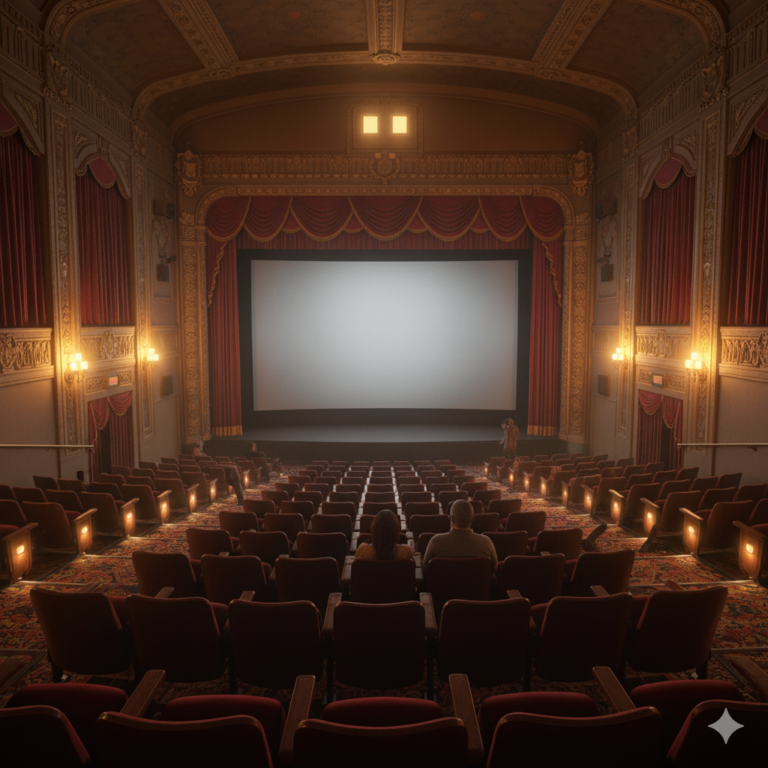
The 15 essential elements of indie horror filmmaking represent a blueprint that has guided countless filmmakers from obscurity to cult status, often with budgets that wouldn’t cover catering on a studio production. Horror remains the most democratized genre in cinema precisely because its core power lies not in spectacle but in psychological manipulation, creative problem-solving, and an intimate understanding of what makes audiences genuinely uncomfortable. From the $60,000 original production of “The Texas Chain Saw Massacre” to the $15,000 phenomenon of “Paranormal Activity,” indie horror has consistently proven that financial constraints breed innovation rather than limitation. Understanding these essential elements matters because the horror genre continues to provide the most viable entry point for emerging filmmakers seeking theatrical distribution and audience engagement. Unlike dramas that require star power or action films demanding expensive set pieces, horror trades in primal emotions that transcend budget categories. The problems indie horror filmmakers face””limited resources, inexperienced crews, compressed shooting schedules””become advantages when channeled through the genre’s conventions.
A shadowy corner costs nothing but creates dread. An unseen threat proves more terrifying than any CGI creature. Silence, properly deployed, generates more tension than an orchestral score. By the end of this article, readers will understand the specific technical, creative, and strategic components that distinguish successful indie horror productions from amateur efforts destined for obscurity. These elements span pre-production planning, on-set execution, and post-production polish, providing a comprehensive framework applicable to first-time filmmakers and experienced directors seeking to return to guerrilla roots. The landscape has shifted dramatically since the digital revolution, making professional-quality horror more accessible than ever while simultaneously flooding the market with competition””making mastery of these fundamentals more critical than ever.
Table of Contents
- What Makes Indie Horror Filmmaking Different From Studio Productions?
- Budget Management and Resource Allocation in Low-Budget Horror
- Location Selection and Production Design for Maximum Horror Impact
- Practical Effects Versus Digital: Making Smart Choices in Indie Horror Production
- Sound Design and Score: The Hidden Power of Indie Horror Filmmaking
- Marketing and Distribution Strategies for Independent Horror Films
- How to Prepare
- How to Apply This
- Expert Tips
- Conclusion
- Frequently Asked Questions
What Makes Indie Horror Filmmaking Different From Studio Productions?
The fundamental distinction between indie horror filmmaking and studio productions extends far beyond budget figures into philosophy, process, and creative freedom. Studio horror operates within established frameworks: market-tested formulas, rating considerations for maximum theatrical reach, and extensive development processes involving multiple writers, producers, and executive notes. Indie horror filmmakers work with singular vision, often wearing multiple hats as writer-director-producer, making decisions based on artistic instinct rather than committee consensus. This autonomy explains why indie horror consistently pushes boundaries that studio productions cannot approach. Resource limitations force indie filmmakers into creative territories that studio productions rarely explore. When you cannot afford elaborate makeup effects, psychological horror becomes the path forward.
When locations must be minimal, contained thrillers emerge””films like “Saw,” which shot primarily in a single room, or “The Blair Witch Project,” which used actual woods and available light. Studio productions often solve problems by throwing money at them; indie productions solve problems by rethinking the problem itself. This constraint-driven creativity has produced some of horror’s most innovative entries. The audience relationship also differs substantially. Indie horror cultivates dedicated fan bases who actively seek challenging, uncompromising content. These viewers attend genre festivals, follow horror podcasts, and champion discoveries to wider audiences. This grassroots distribution model””now amplified through streaming platforms and social media””creates sustainable careers for filmmakers who might never achieve mainstream recognition but maintain devoted followings.
- **Creative control remains absolute**: Directors maintain final cut and vision without interference from marketing departments or focus group data
- **Risk tolerance runs higher**: Experimental narratives, unconventional protagonists, and ambiguous endings become possible when corporate investment isn’t at stake
- **Speed of production increases dramatically**: Films can move from concept to completion in months rather than years, capturing cultural moments while they remain relevant

Budget Management and Resource Allocation in Low-Budget Horror
Financial discipline separates completed indie horror films from abandoned projects, and understanding where to allocate limited funds determines whether the final product looks like a professional effort or a home movie. The general rule among experienced indie horror filmmakers allocates roughly 30% of budget to production (equipment, locations, crew), 25% to post-production (editing, sound design, color correction), 20% to talent, 15% to contingency, and 10% to distribution and marketing preparation. These percentages shift based on specific project needs, but the framework prevents the common mistake of spending everything during shooting and having nothing left for finishing. Sound design consistently emerges as the most cost-effective investment in horror filmmaking. Audiences will forgive visual limitations far more readily than audio problems””a lesson learned painfully by countless indie filmmakers who prioritized camera gear over microphones.
Professional sound mixing and design can elevate footage shot on consumer cameras, while pristine 4K images accompanied by muddy audio immediately signal amateur production. Budget allocation should reflect this reality, with post-production sound receiving substantial consideration even when it means sacrificing visual elements during production. The hidden cost that derails many indie horror productions involves feeding cast and crew. Craft services and meals seem like minor line items during budgeting but accumulate rapidly during multi-week shoots. Experienced producers budget $25-40 per person per day for food, which on a 20-person crew across 15 shooting days represents $7,500-$12,000″”often more than camera rental costs. Underestimating these practical necessities leads to demoralized crews, shortened shooting days, and compromised final products.
- **Deferred payment arrangements** with crew members who believe in the project can extend effective budgets significantly, though these agreements require careful legal documentation and realistic expectations about payment timelines
- **Equipment sharing cooperatives** in most major cities allow access to professional gear at fraction of rental costs, and many successful indie horror productions have been shot entirely with borrowed or shared equipment
- **Location scouting creativity** transforms single locations into multiple settings through lighting, set dressing, and camera angle variations””a technique used extensively in films like “Green Room” and “Don’t Breathe”
Location Selection and Production Design for Maximum Horror Impact
Location serves as both setting and character in effective indie horror, with the right space providing production value that no amount of budget could otherwise achieve. Abandoned buildings, isolated rural properties, and architecturally distinctive homes carry inherent atmosphere that requires minimal enhancement. The key lies in selecting locations that photograph well under available or minimal lighting conditions, as elaborate lighting setups require equipment, crew, and time that indie productions rarely possess. Scout locations at the time of day you intend to shoot, observing how natural light interacts with spaces. Production design in indie horror operates through strategic intervention rather than wholesale transformation.
Rather than attempting to dress an entire location, focus resources on the specific areas captured on camera””often just a few key rooms or exterior angles. This “hero shot” approach concentrates limited production design budgets where they create maximum impact. Practical effects elements like blood, debris, or decay should be planned during pre-production rather than improvised on set, as rushed practical effects consistently appear amateurish and undermine otherwise professional footage. The relationship between location and screenplay ideally develops simultaneously, with writers tailoring scenarios to available or affordable locations rather than writing dream scenarios that become budget impossibilities. Many successful indie horror productions began with a compelling location””a friend’s Victorian house, a family cabin, an abandoned school””and built narratives around the space’s inherent character. This approach ensures that the final script remains achievable while maximizing the production value of available resources.
- **Permits and permissions** represent often-overlooked production requirements that can shut down shoots or create legal liability; guerrilla filmmaking without proper authorization risks footage becoming unusable
- **Sound considerations** at locations extend beyond visual appeal””a beautiful abandoned factory with constant ambient noise creates insurmountable post-production problems

Practical Effects Versus Digital: Making Smart Choices in Indie Horror Production
The practical versus digital effects debate in indie horror filmmaking resolves not through ideology but through pragmatic assessment of specific needs, available skills, and budget realities. Practical effects””physical makeup, mechanical creatures, real blood and gore””photograph with weight and presence that digital effects struggle to replicate, particularly at indie budget levels. However, practical effects require specialized crew members, consume significant on-set time, and limit the number of takes possible before reset procedures. Digital effects offer flexibility in post-production but demand either substantial budget for professional VFX artists or extensive personal skills that take years to develop. The most successful indie horror productions employ hybrid approaches, using practical effects for elements that interact directly with actors and environments while reserving digital effects for enhancement, cleanup, and elements that would be impossible or dangerous to achieve practically.
A creature suit worn by a performer provides realistic movement and allows actors to react to something physical, while digital enhancement can add details, correct imperfections, or extend the creature’s capabilities beyond the suit’s limitations. This combination leverages the strengths of both approaches while mitigating weaknesses. Audience sophistication regarding visual effects has increased dramatically, making poor digital work immediately identifiable and immersion-breaking. When digital effects budgets remain limited, the wisest approach often involves designing around effects limitations””keeping creatures in shadow, using quick cuts, or suggesting rather than showing. The most terrifying moments in horror history often show nothing at all, letting imagination fill the darkness with far worse possibilities than any effect could provide.
- **In-camera effects** including forced perspective, practical lighting gags, and simple mechanical rigs often produce more convincing results than attempting digital solutions beyond available skill levels
- **Blood and gore effects** using practical methods cost relatively little but create visceral impact; commercial blood products run $15-30 per pint, while homemade recipes using corn syrup and food coloring cost even less
- **Digital removal** of safety equipment, wires, and crew reflections represents an often-necessary post-production step that should be planned during shooting rather than discovered as a problem later
Sound Design and Score: The Hidden Power of Indie Horror Filmmaking
Sound design represents the most undervalued and underfunded element of indie horror filmmaking despite its outsized influence on audience experience. Studies of physiological responses to horror films consistently demonstrate that audio cues trigger fear responses more reliably than visual stimuli””a finding that explains why watching horror with the sound muted transforms terrifying sequences into merely tense or even comedic ones. The low-frequency rumbles, sudden stings, and textured ambient soundscapes that define effective horror create physical reactions in viewers, manipulating nervous systems in ways that images alone cannot achieve. Building an effective horror soundscape begins during production with clean dialogue recording and deliberate capture of location ambience, but the majority of sound work occurs in post-production. Foley artists create footsteps, cloth movement, and object manipulation sounds that feel more real than actual production audio.
Sound designers layer atmospheric elements””distant thunder, creaking structures, wind through trees””that establish mood without conscious audience awareness. The absence of sound, strategic silence before a scare, proves equally important, as contrast between quiet and loud defines the rhythm of horror tension. The technical specifications for horror audio””dynamic range, frequency response, and surround sound mixing””require professional attention even when other post-production elements remain in-house. A $500-2,000 investment in professional audio mixing frequently transforms amateur-sounding productions into festival-ready films, representing perhaps the highest return on investment available to indie horror filmmakers. Audiences may not consciously notice excellent sound design, but they absolutely notice poor audio quality.
- **Music licensing** for indie productions typically ranges from $500 to $5,000 per track depending on the composition and intended distribution, making original scores often more economical despite requiring composer fees
- **Royalty-free horror music libraries** provide cost-effective alternatives, though the risk of audiences recognizing overused tracks increases; custom arrangements of public domain classical pieces offer another budget-conscious option
- **DIY Foley recording** using household items and basic microphones can achieve professional-quality results with practice, and many successful indie horror films have been mixed entirely on home studio setups
Marketing and Distribution Strategies for Independent Horror Films
The distribution landscape for indie horror has transformed dramatically since streaming platforms created both unprecedented access and overwhelming competition. Festival premiere strategies, platform-specific release considerations, and audience-building campaigns must begin during production rather than after completion. Films that wait until post-production wraps to consider distribution enter a marketplace with thousands of competing titles and no established audience awareness. Successful indie horror marketing treats audience development as a production element rather than an afterthought.
Genre-specific festivals including Fantastic Fest, Sitges, Frightfest, and Nightstream provide critical exposure to horror-focused audiences, press, and distribution representatives. Festival acceptance creates marketing assets””laurels, reviews, audience awards””that distinguish films in crowded marketplaces. The festival circuit also functions as networking infrastructure, connecting filmmakers with potential collaborators, mentors, and industry contacts that facilitate future productions. Many sustainable indie horror careers trace their origins to festival relationships rather than any single film’s commercial success.
- **Social media presence** during production generates audience investment in the project’s success, with behind-the-scenes content creating community before the film exists
- **Horror-focused websites, podcasts, and YouTube channels** provide targeted press coverage that reaches engaged genre fans; cultivating relationships with these outlets before seeking reviews improves response rates significantly
How to Prepare
- **Develop a script specifically designed for your available resources** by auditing locations, talent, and equipment you can realistically access, then writing scenarios that maximize these assets. The screenplay should specify no more locations than you have secured, no more characters than you have committed actors, and no effects beyond your demonstrated capabilities.
- **Create comprehensive storyboards and shot lists** that communicate your vision to crew members and ensure efficient use of limited shooting days. These documents prevent the costly on-set improvisation that consumes time and creates inconsistent footage; professional storyboard artists charge $50-200 per page, but stick-figure boards drawn by directors themselves serve the functional purpose adequately.
- **Secure all locations, permits, and permissions in writing** before committing to shooting dates, as location fallout represents one of the most common indie production disasters. Written agreements should specify dates, times, areas accessible, and any restrictions; verbal agreements provide no protection when property owners change their minds.
- **Assemble equipment packages and test everything thoroughly** under conditions mimicking actual production. Camera settings, audio recording chains, and lighting configurations should be established and documented so that shooting days focus on performance and composition rather than technical troubleshooting.
- **Conduct rehearsals with principal cast** to refine performances, identify dialogue problems, and build the collaborative relationships that enable efficient on-set work. Rehearsal time invested before production saves multiples of that time during expensive shooting days when crews stand waiting.
How to Apply This
- **Begin with achievable scope** by designing first projects around single locations, minimal cast, and contained timelines that allow completion without external funding dependency. Completed short films and micro-features demonstrate capability far more effectively than ambitious unfinished features.
- **Build crew relationships through collaboration** on other filmmakers’ projects before expecting crew commitment to your own productions. The indie filmmaking community operates on reciprocity; cinematographers, sound recordists, and editors who work on your film likely expect similar support for their projects.
- **Submit to appropriate festival tiers** by researching acceptance rates, programming preferences, and submission deadlines for festivals matching your film’s qualities. Top-tier festival rejection wastes submission fees; regional and genre-specific festivals often provide better launching platforms for debut features.
- **Document the production process** through behind-the-scenes photography, video diaries, and social media updates that create marketing assets and demonstrate professionalism to future investors and collaborators. This documentation serves both immediate marketing needs and long-term career portfolio building.
Expert Tips
- **Schedule emotionally demanding scenes for mid-production** when actors have warmed up but fatigue hasn’t set in, and never place the most critical scenes on the first or final shooting days when problems most commonly occur.
- **Create a detailed paper edit before touching editing software** by transcribing takes with quality assessments and assembling the film on paper first. This discipline prevents the common trap of endlessly adjusting sequences without clear objectives.
- **Record room tone at every location for at least 60 seconds** as this ambient audio becomes essential during editing when dialogue replacement or scene extension requires matching environmental sound.
- **Maintain multiple backup copies of all footage** on separate physical drives stored in different locations. Lost footage cannot be recreated, and hard drive failure rates make redundancy non-negotiable for professional production.
- **Build relationships with local film commissions** who maintain databases of available locations, crew members, and resources; these organizations exist specifically to support productions in their regions and often provide services at no cost.
Conclusion
Mastering the 15 essential elements of indie horror filmmaking provides a foundation for creating compelling, professional-quality genre cinema regardless of budget limitations. The elements discussed””from resource allocation and location selection through practical effects decisions and sound design””interconnect to form a comprehensive approach that addresses the specific challenges indie horror filmmakers face. Success in this space requires not just creative vision but practical competence across multiple disciplines, strategic thinking about audience development and distribution, and the persistence to complete projects despite inevitable obstacles.
The indie horror landscape continues offering opportunities unavailable in any other genre, with streaming platforms, festival circuits, and dedicated fan communities creating pathways from first features to sustainable filmmaking careers. Filmmakers who internalize these essential elements position themselves to create work that stands alongside genre classics produced at fraction of their budgets. The tools have never been more accessible, the distribution channels never more numerous, and the audience appetite for fresh horror perspectives never more robust. What remains constant is the requirement for thorough preparation, disciplined execution, and unwavering commitment to completing the vision that inspired the project’s beginning.
Frequently Asked Questions
How long does it typically take to see results?
Results vary depending on individual circumstances, but most people begin to see meaningful progress within 4-8 weeks of consistent effort.
Is this approach suitable for beginners?
Yes, this approach works well for beginners when implemented gradually. Starting with the fundamentals leads to better long-term results.
What are the most common mistakes to avoid?
The most common mistakes include rushing the process, skipping foundational steps, and failing to track progress.
How can I measure my progress effectively?
Set specific, measurable goals at the outset and track relevant metrics regularly. Keep a journal to document your journey.