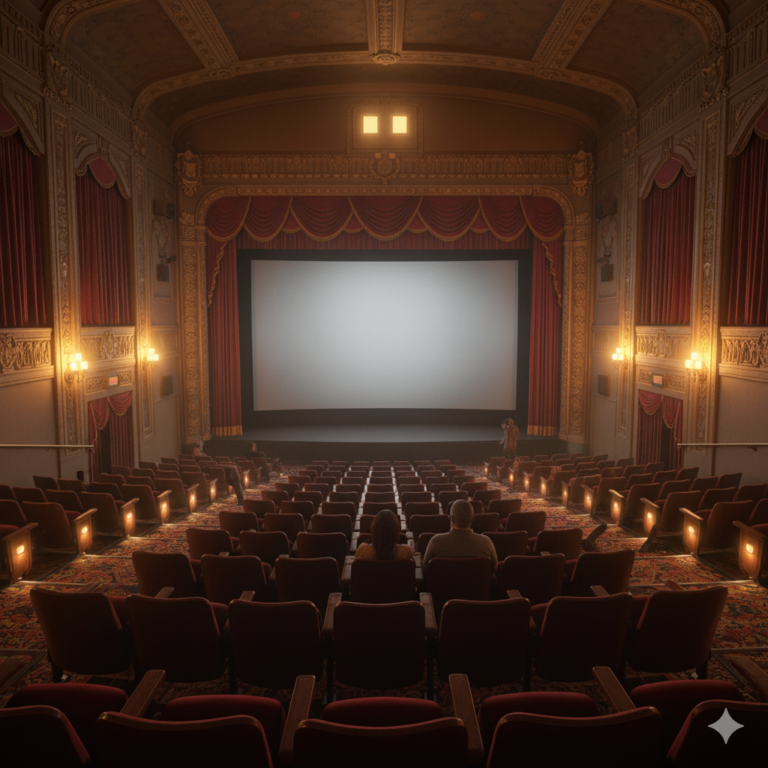
The 15 essential classic Universal Monster movies represent the foundation of modern horror cinema, establishing archetypes, visual techniques, and storytelling conventions that continue to influence filmmakers nearly a century later. Between 1931 and 1954, Universal Pictures produced a remarkable cycle of horror films that transformed literary monsters into cinematic icons, creating a shared universe of interconnected terror long before the concept became a Hollywood buzzword. These films arrived during the Great Depression and extended through World War II and its aftermath, providing audiences with fantastical escapes while simultaneously reflecting societal anxieties about science, death, and the unknown. Understanding these classic Universal Monster movies matters because they established the grammar of horror filmmaking. German Expressionist influences merged with American storytelling sensibilities to create atmospheric masterpieces that prioritized mood and character over explicit gore.
The films introduced audiences to makeup effects that seemed impossible for their era, courtesy of artists like Jack Pierce, whose creations for Frankenstein’s Monster and the Mummy became definitive versions that persist in popular culture. Studios continue to revisit these properties precisely because the original films tapped into something primal and enduring about human fear. By exploring these fifteen essential entries, readers will gain a comprehensive understanding of how the Universal horror cycle developed, which performances and productions stand as genuine artistic achievements, and why certain films deserve priority viewing. This guide addresses common questions about viewing order, historical context, and artistic merit while providing the background necessary to appreciate these films as both entertainment and cultural artifacts. Whether approaching these classics for the first time or revisiting them with fresh perspective, understanding their production history and thematic concerns enriches the viewing experience considerably.
Table of Contents
- What Makes These 15 Classic Universal Monster Movies Essential Viewing?
- The Origins and Evolution of Universal’s Monster Film Legacy
- Dracula and Frankenstein: The Twin Pillars of Universal Horror
- The Bride of Frankenstein and Horror’s First Great Sequel
- The Mummy, The Invisible Man, and Expanding the Monster Universe
- The Wolf Man and Universal’s 1940s Monster Revival
- How to Prepare
- How to Apply This
- Expert Tips
- Conclusion
- Frequently Asked Questions
What Makes These 15 Classic Universal Monster Movies Essential Viewing?
The designation of certain Universal Monster movies as essential stems from their combined artistic achievement, cultural impact, and influence on subsequent horror filmmaking. Not every film Universal produced during its horror golden age merits this classification””the studio released numerous sequels of diminishing quality alongside genuinely groundbreaking work. The essential films share common characteristics: innovative technical achievements, memorable performances, atmospheric direction, and lasting cultural resonance that extends beyond nostalgia. Several factors distinguish the essential entries from lesser sequels and cash-ins.
Films like the original Dracula (1931) and Frankenstein (1931) established the visual and narrative templates that all subsequent versions would reference. The Bride of Frankenstein (1935) demonstrated that sequels could exceed their originals in ambition and execution. The Wolf Man (1941) codified werewolf mythology that persists unchanged in contemporary horror. These films didn’t merely entertain audiences””they created permanent additions to the cultural imagination.
- **Historical significance**: These films pioneered techniques in makeup, cinematography, and sound design that influenced generations of filmmakers
- **Performance quality**: Actors like Boris Karloff, Bela Lugosi, and Lon Chaney Jr. delivered interpretations that remain definitive despite countless remakes
- **Thematic depth**: Beyond surface scares, these films explored loneliness, scientific hubris, persecution, and the nature of humanity itself
The Origins and Evolution of Universal’s Monster Film Legacy
Universal’s monster movie tradition began before the talkie era, with Lon Chaney Sr.’s remarkable performances in The Hunchback of Notre Dame (1923) and The Phantom of the Opera (1925). These silent films established Universal’s reputation for prestige horror productions with elaborate sets and sympathetic monster characterizations. However, the true golden age commenced with the transition to sound, which allowed filmmakers to exploit the possibilities of eerie silence, thunderclaps, and the distinctive voices of their lead performers.
The 1931 releases of Dracula and Frankenstein transformed Universal into the dominant force in American horror cinema. Carl Laemmle Jr., the studio head’s son, championed these productions despite industry skepticism about horror’s commercial viability. Both films became massive hits, prompting Universal to develop additional properties throughout the decade. The studio acquired rights to classic literary works, commissioned original screenplays, and assembled a repertory company of character actors who would appear across multiple franchises.
- **Production innovation**: Universal invested heavily in standing sets, particularly the European village architecture that would appear in numerous films
- **Star system development**: The studio cultivated horror specialists, with Karloff and Lugosi becoming the genre’s first true stars
- **Cross-pollination**: Characters and actors moved between franchises, with films like Frankenstein Meets the Wolf Man (1943) establishing shared universe conventions
Dracula and Frankenstein: The Twin Pillars of Universal Horror
Tod Browning’s Dracula, released in February 1931, brought Bram Stoker’s vampire to american screens with Bela Lugosi reprising his Broadway role. The film’s first act, set in Transylvania, showcases genuinely atmospheric filmmaking with Karl Freund’s cinematography creating memorable images of Dracula’s castle. Lugosi’s aristocratic interpretation, with his deliberate speech patterns and hypnotic stare, established the template for sophisticated vampire characterization that persists today. The film’s static later sections, confined largely to drawing rooms, reflect its stage origins but retain power through Lugosi’s commanding presence.
James Whale’s Frankenstein, released later the same year, represents a more fully realized cinematic achievement. Boris Karloff’s performance as the Monster transcends the heavy makeup to create a genuinely tragic figure””a creature brought to life without consent, immediately rejected by his creator, and persecuted by a society that fears difference. Jack Pierce’s iconic flat-topped, bolt-necked design emerged from practical considerations about how electrical current might theoretically reanimate dead tissue, demonstrating the thoughtful craftsmanship underlying these productions. The film’s expressionist visual style, with its angular sets and dramatic lighting, created images that remain visually striking.
- **Lugosi’s Dracula**: His refusal of the Frankenstein Monster role, which he considered beneath him, proved one of cinema’s great miscalculations
- **Karloff’s Monster**: His sympathetic portrayal transformed a potentially one-dimensional villain into horror’s most tragic figure

The Bride of Frankenstein and Horror’s First Great Sequel
James Whale’s return to the Frankenstein mythology in 1935 produced what many critics consider the finest horror film of the classical era. The Bride of Frankenstein expands upon the original’s themes while introducing baroque humor, religious allegory, and a sophistication that exceeded audience expectations for genre sequels. Universal initially hesitated to greenlight the project, concerned about censorship restrictions that had tightened since the original’s release, but Whale’s prestige and the first film’s continued profitability won studio approval.
The film introduces Dr. Pretorius, played with malevolent glee by Ernest Thesiger, as a corrupting influence who manipulates both Frankenstein and his Monster. Pretorius represents pure scientific amorality, creating homunculi for entertainment and toasting “to a new world of gods and monsters.” Karloff’s expanded role allows the Monster to develop language, friendship with a blind hermit, and ultimately the capacity for self-sacrifice. The Bride herself, played by Elsa Lanchester with her iconic lightning-bolt hair, appears only briefly but creates an indelible impression with her hissing rejection of her intended mate.
- **Production code challenges**: Whale embedded subversive content beneath surface entertainment, with queer readings of the material becoming increasingly recognized by scholars
- **Technical achievement**: Franz Waxman’s score and John J. Mescall’s cinematography elevate the material beyond typical horror production values
- **Thematic complexity**: The film questions creation, consent, and whether beings brought into existence unwillingly owe gratitude to their creators
The Mummy, The Invisible Man, and Expanding the Monster Universe
Karl Freund’s The Mummy (1932) and James Whale’s The Invisible Man (1933) demonstrated Universal’s ability to develop original monster properties beyond direct literary adaptation. The Mummy, while loosely inspired by the 1922 discovery of Tutankhamun’s tomb, created an entirely new mythology around the resurrected priest Imhotep. Boris Karloff delivered a restrained, melancholy performance quite different from his Frankenstein work, portraying a being driven by eternal love rather than confusion and rage.
The Invisible Man showcased Universal’s technical capabilities while introducing Claude Rains in his American film debut. Rains, invisible for most of the film’s runtime, created character through voice alone””a remarkable achievement that launched his Hollywood career. The special effects, achieved through wire work, black velvet photography, and meticulous editing, convinced audiences they were watching genuine invisibility. The film’s dark humor and Rains’ increasingly unhinged delivery as his character descends into megalomania provided template material that subsequent invisible man narratives would follow.
- **The Mummy’s influence**: Its romantic reincarnation plot inspired countless imitators, from horror films to romance novels
- **Invisible Man innovation**: John P. Fulton’s visual effects won no awards but remain technically impressive, created entirely in-camera without modern digital assistance

The Wolf Man and Universal’s 1940s Monster Revival
Universal’s horror output declined in the late 1930s, with sequel quality dropping and audience interest waning. The Wolf Man (1941) revitalized the studio’s monster tradition, introducing Lon Chaney Jr. as Larry Talbot and establishing werewolf mythology that the genre still employs. Unlike Dracula and Frankenstein, which adapted existing literary properties, The Wolf Man created its werewolf lore essentially from whole cloth””silver vulnerability, full moon transformations, and the curse transmitted through bites all originated or were codified here.
Chaney brought genuine pathos to Talbot, a decent man cursed through no fault of his own, doomed to harm those he loves. His large physical presence and expressive features worked effectively beneath Jack Pierce’s increasingly elaborate transformation makeup. The film’s foggy moors, created entirely on Universal’s soundstages, established an effectively claustrophobic atmosphere where danger could emerge from any shadow. Claude Rains, Maria Ouspenskaya, and Ralph Bellamy provided strong support, lending prestige production values to genre material.
- **Mythology creation**: Writer Curt Siodmak invented the “even a man who is pure in heart” poem that the film presents as ancient folklore
- **Chaney’s legacy**: The role defined Chaney Jr.’s career; he would play Talbot in four subsequent films while his father’s silent-era legacy loomed over him
How to Prepare
- **Adjust expectations for pacing**: Pre-1950s Hollywood operated at a deliberate pace compared to modern filmmaking. Films frequently run under 80 minutes yet move slower than contemporary audiences expect. Accepting this rhythm rather than fighting it allows the atmospheric elements to work as intended, building dread through accumulation rather than constant stimulation.
- **Research production context**: Understanding that these films emerged during the Great Depression, when audiences sought escapist entertainment, illuminates certain creative choices. The European settings removed horror from American soil, providing psychological distance. Knowing that Boris Karloff earned only $125 weekly during Frankenstein’s production contextualizes the studio system’s economics.
- **Watch restorations when available**: Universal has invested considerably in preserving and restoring these films. Blu-ray editions and streaming versions of the restored prints reveal cinematographic details invisible in degraded copies. Karl Freund’s work on Dracula and The Mummy particularly benefits from proper presentation.
- **Consider viewing chronologically by franchise**: Rather than strict release order, watching each monster’s appearances sequentially clarifies character development and declining quality in later sequels. This approach helps distinguish essential entries from completist-only viewing.
- **Read contemporary reviews**: Accessing original 1930s and 1940s reviews through newspaper archives reveals how audiences processed these films without horror cinema’s accumulated conventions. Critics’ frequent shock at content considered mild today demonstrates how effectively these films pushed boundaries.
How to Apply This
- **Begin with the essential five**: Dracula (1931), Frankenstein (1931), The Bride of Frankenstein (1935), The Mummy (1932), and The Wolf Man (1941) form the indispensable core. These films introduce the major characters, establish visual and narrative conventions, and represent the cycle’s artistic peaks.
- **Add quality sequels selectively**: Son of Frankenstein (1939) features Karloff’s final Monster performance and Basil Rathbone’s compelling turn as the Baron’s heir. The Invisible Man Returns (1940) provides Vincent Price’s early Universal work. Dracula’s Daughter (1936) offers thoughtful expansion of vampire mythology with surprisingly progressive gender dynamics.
- **Include the complete Creature from the Black Lagoon trilogy**: These 1950s productions (1954-1956) represent Universal horror’s final classical era. The Gill-Man’s design by Milicent Patrick remains iconic, and the underwater photography showcases technical ambition.
- **Approach monster rallies as curiosities**: Films like House of Frankenstein (1944) and House of Dracula (1945) assembled multiple monsters but struggled with coherent narratives. Abbott and Costello Meet Frankenstein (1948) works better, functioning as both legitimate comedy and respectful horror homage with Lugosi’s final Dracula performance.
Expert Tips
- **Prioritize James Whale’s direction**: His four Universal horror films (Frankenstein, The Old Dark House, The Invisible Man, Bride of Frankenstein) represent the studio’s most sophisticated work. Whale brought theatrical training, visual sophistication, and dark wit that elevated genre material into genuine art.
- **Don’t overlook The Old Dark House (1932)**: This Whale film lacks a traditional monster but features Boris Karloff and showcases the director’s talent for combining horror with comedy. Its influence on haunted house films extends through contemporary productions.
- **Recognize makeup artist Jack Pierce’s contribution**: Pierce’s work on Frankenstein’s Monster, the Mummy, and the Wolf Man created permanent cultural images. His process for Karloff’s Monster makeup required over three hours of application daily, demonstrating commitment that modern CGI cannot replicate.
- **Understand the Spanish Dracula’s significance**: Filmed simultaneously on the same sets using Spanish-speaking actors during night shoots, this parallel production offers fascinating comparison. Many critics consider George Melford’s direction more dynamic than Browning’s, though Lugosi’s absence is felt.
- **Study the music**: While early Universal horrors often used minimal original scoring, relying on library music, later productions featured impressive original compositions. Franz Waxman’s Bride of Frankenstein score influenced horror film music for decades.
Conclusion
The 15 essential classic Universal Monster movies constitute more than historical curiosities””they represent foundational texts for horror cinema and continue to reward thoughtful viewing. These films established that monsters could function as sympathetic protagonists, that horror could address serious themes beneath entertainment surfaces, and that technical artistry in makeup, cinematography, and set design could create indelible imagery. Understanding this legacy contextualizes virtually every subsequent horror production, as filmmakers continue referencing, revising, and responding to the templates Universal established.
These films offer particular value for viewers interested in cinema history, horror genre development, and the evolution of special effects technology. The performances of Karloff, Lugosi, Chaney, and their co-stars demonstrate acting techniques from a theatrical tradition now largely vanished, while the production designs showcase studio-era craftsmanship at its finest. Approaching these films with appropriate context and patience reveals why they’ve maintained cultural presence for nearly a century when countless contemporary productions have faded from memory. The monsters endure because they touch something permanent in human psychology””our fears of death, science, transformation, and the possibility that we ourselves might become something monstrous.
Frequently Asked Questions
How long does it typically take to see results?
Results vary depending on individual circumstances, but most people begin to see meaningful progress within 4-8 weeks of consistent effort.
Is this approach suitable for beginners?
Yes, this approach works well for beginners when implemented gradually. Starting with the fundamentals leads to better long-term results.
What are the most common mistakes to avoid?
The most common mistakes include rushing the process, skipping foundational steps, and failing to track progress.
How can I measure my progress effectively?
Set specific, measurable goals at the outset and track relevant metrics regularly. Keep a journal to document your journey.