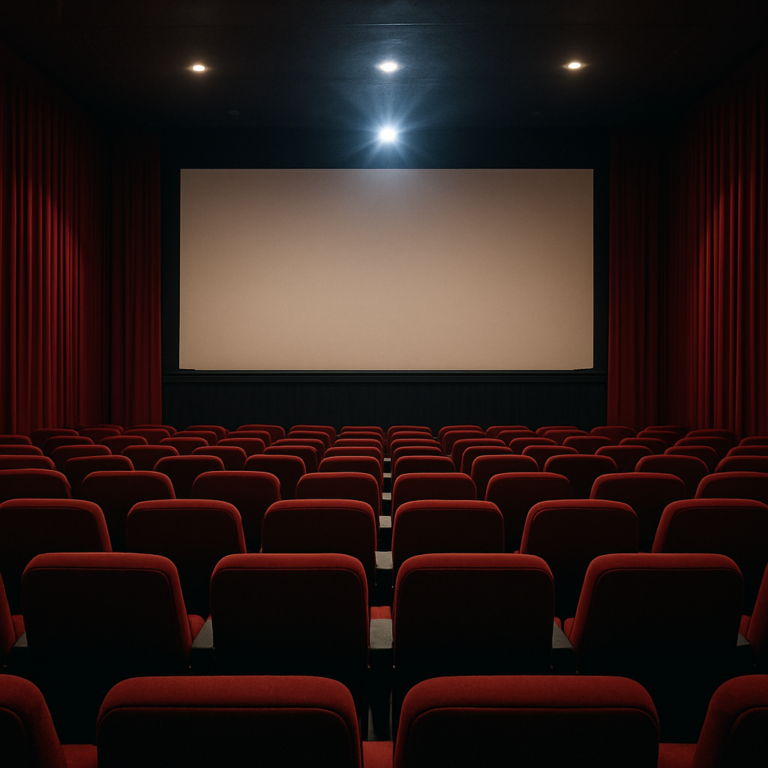
The 15 best sci-fi horror crossovers represent some of the most inventive and terrifying films ever made, combining speculative technology and extraterrestrial threats with visceral fear to create uniquely unsettling cinematic experiences. These hybrid films occupy a special place in movie history, demonstrating that genre boundaries exist primarily to be dissolved when filmmakers have bold enough visions. From Ridley Scott’s claustrophobic masterpiece Alien to more recent entries like Annihilation, the collision of science fiction and horror has produced works that challenge audiences intellectually while simultaneously delivering primal scares. This fusion matters because it addresses fears that pure horror or straight science fiction cannot reach alone.
Science fiction explores what could happen through technological advancement or cosmic discovery, while horror taps into our deepest anxieties about mortality, bodily autonomy, and the unknown. When combined, these genres create narratives that feel both plausible and nightmarish””scenarios where our greatest achievements as a species lead directly to our potential destruction. The scientific grounding makes the horror feel earned rather than arbitrary, and the horror elements prevent the science fiction from becoming sterile or emotionally detached. By the end of this comprehensive exploration, readers will understand what distinguishes exceptional sci-fi horror crossovers from lesser attempts, discover films across multiple decades worth seeking out, and gain appreciation for the thematic depths these hybrid works can achieve. Whether you’re a longtime fan looking to expand your viewing list or a newcomer curious about where to start, this guide covers essential viewing, historical context, and the craft elements that make these films resonate decades after their release.
Table of Contents
- What Makes a Great Sci-Fi Horror Crossover Film?
- Essential Sci-Fi Horror Films from the Golden Age (1970s-1980s)
- Modern Sci-Fi Horror Crossovers That Redefined the Genre
- How to Build the Ultimate Sci-Fi Horror Watch List
- Common Pitfalls in Sci-Fi Horror Crossover Filmmaking
- The Influence of Sci-Fi Horror on Contemporary Filmmaking
- How to Prepare
- How to Apply This
- Expert Tips
- Conclusion
- Frequently Asked Questions
What Makes a Great Sci-Fi Horror Crossover Film?
The most effective sci-fi horror crossovers succeed by using their science fiction concepts as more than window dressing””the speculative elements must directly generate or amplify the horror rather than simply providing an exotic backdrop. In John Carpenter’s The Thing, the alien’s ability to perfectly imitate any living organism creates paranoia that no purely supernatural threat could match. The horror emerges from a scientifically-grounded premise: cellular absorption and replication.
This biological mechanism makes the monster feel disturbingly plausible while the film exploits every terrifying implication of such a creature existing. These films also require careful tonal balance. Too much emphasis on action transforms them into straightforward sci-fi thrillers, while excessive gore can undermine the cerebral elements that distinguish the genre hybrid. Directors like David Cronenberg mastered this balance by grounding body horror in scientific premises””The Fly’s gradual transformation works because the teleportation accident has specific, consistently applied biological consequences.
- **Conceptual integration**: The sci-fi and horror elements must be inseparable, with each enhancing the other rather than competing for attention. Event Horizon’s premise of a spaceship that traveled through a hellish dimension makes its subsequent horrors feel like logical consequences rather than random occurrences.
- **Thematic resonance**: The best entries explore genuine anxieties about scientific progress, corporate exploitation of technology, or humanity’s insignificance in the cosmos. Alien works partly because the Weyland-Yutani corporation’s willingness to sacrifice crew members for a biological weapon specimen reflects real corporate callousness.
- **Atmosphere over explanation**: Successful sci-fi horror maintains mystery and dread rather than over-explaining its monsters or phenomena. Under the Skin presents its alien predator without exposition, making encounters deeply unsettling precisely because we understand so little.
Essential Sci-Fi Horror Films from the Golden Age (1970s-1980s)
The late 1970s and 1980s represent the definitive era for sci-fi horror crossovers, producing multiple works that remain genre benchmarks. Ridley Scott’s 1979 Alien revolutionized both genres simultaneously, introducing the xenomorph””a creature designed by H.R. Giger to evoke nightmares of parasitism, sexual violence, and biomechanical fusion. The film’s deliberate pacing, working-class space trucker characters, and lived-in production design created a template countless films would attempt to replicate.
Its tagline, “In space, no one can hear you scream,” perfectly captured the fusion of cosmic isolation and intimate terror. These films share a commitment to practical effects work that gives their horrors tangible, physical presence. The xenomorph was a man in a suit, The Thing’s transformations involved hundreds of pounds of latex and mechanical components, and Brundlefly required hours of prosthetic application. This tactile reality contributed to their lasting impact””audiences could sense that something physical existed on set, not merely a digital creation added in post-production.
- **Alien (1979)**: Seven crew members on a commercial towing vessel encounter an aggressive extraterrestrial species. The film grossed $184 million worldwide against a $11 million budget and launched a franchise spanning four decades.
- **The Thing (1982)**: A shape-shifting alien infiltrates an Antarctic research station, inspiring paranoia among the twelve-man crew. Though initially a box office disappointment, it has since been recognized as one of the greatest horror films ever made, with practical effects by Rob Bottin that remain stunning.
- **The Fly (1986)**: David Cronenberg’s remake transforms a 1950s creature feature into a tragic meditation on disease and bodily decay. Jeff Goldblum’s gradual metamorphosis won the Academy Award for Best Makeup and remains viscerally disturbing.
Modern Sci-Fi Horror Crossovers That Redefined the Genre
Contemporary filmmakers have continued pushing the sci-fi horror hybrid into new territory, often using improved technology to realize visions that earlier decades couldn’t achieve. Alex Garland’s Annihilation (2018) presents an alien encounter unlike any before it””the Shimmer refracts DNA itself, creating hybrid organisms and threatening the protagonist’s sense of individual identity. The film’s final sequence, featuring a humanoid entity that mirrors the lead character’s movements, achieves genuinely alien horror through patient, unsettling imagery rather than conventional monster design.
These modern entries often embrace ambiguity more fully than their predecessors. Annihilation leaves significant questions unanswered, and Under the Skin provides almost no exposition about its extraterrestrial protagonist. This approach reflects contemporary horror’s willingness to prioritize atmosphere and thematic weight over narrative clarity, trusting audiences to engage with unresolved mysteries.
- **Annihilation (2018)**: Based on Jeff VanderMeer’s novel, this film follows five scientists entering an expanding zone of mutated landscape. Its $55 million budget yielded some of the most visually distinctive horror imagery of the decade, particularly the bear creature whose roars incorporate human screams.
- **Under the Skin (2013)**: Scarlett Johansson plays an alien predator hunting men in Scotland. Director Jonathan Glazer’s experimental approach””using hidden cameras to film Johansson interacting with non-actors””creates documentary-like unease that amplifies the otherworldly horror.
- **Color Out of Space (2019)**: Richard Stanley’s adaptation of H.P. Lovecraft brings cosmic horror to a family farm after a meteorite impact. Nicolas Cage’s performance anchors increasingly surreal horror as alien influence warps reality itself.

How to Build the Ultimate Sci-Fi Horror Watch List
Constructing an effective viewing sequence requires attention to chronology, thematic connections, and viewing fatigue. Starting with foundational works provides context for understanding how later films respond to or subvert established conventions. Watching Alien before Aliens illuminates how James Cameron deliberately shifted toward action-oriented sci-fi while maintaining horror elements.
Similarly, viewing the original 1951 The Thing from Another World before Carpenter’s 1982 version reveals how radically different interpretations of similar source material can be. For newcomers, a suggested starting sequence would be: Alien, The Thing, Event Horizon, Annihilation, Under the Skin. This progression moves from relatively accessible classical horror through increasingly experimental modern interpretations, allowing viewers to calibrate their expectations and develop appreciation for the genre’s range. Each film succeeds on its own terms while also representing distinct approaches to combining science fiction premises with horror execution.
- **Group by theme rather than release date**: Cluster body horror entries (The Fly, Annihilation, Possessor) together, then shift to cosmic horror (Event Horizon, Color Out of Space) for varied viewing experiences.
- **Balance intensity levels**: Follow exceptionally disturbing films like Possessor with slightly less intense entries to prevent exhaustion. Not every viewing session should end with the bleakest possible note.
- **Include international productions**: Japanese films like Tetsuo: The Iron Man and Korean entries like The Host provide perspectives outside American horror conventions.
Common Pitfalls in Sci-Fi Horror Crossover Filmmaking
Many attempted sci-fi horror crossovers fail by prioritizing one genre entirely at the expense of the other, or by failing to develop logical connections between their speculative elements and frightening content. The Alien franchise itself demonstrates this problem: Alien: Resurrection (1997) introduced cloning and hybrid organisms but prioritized quirky characterization and action set pieces over sustained dread. The film’s tonal inconsistency””mixing Joss Whedon’s trademark dialogue with grotesque imagery””pleased neither horror nor sci-fi audiences fully.
Tonal management presents ongoing challenges. Life (2017) featured talented performers and reasonable production values but struggled to establish consistent atmosphere, oscillating between action beats and attempted scares without committing fully to either mode. The film demonstrates how even competent craftsmanship cannot overcome fundamental uncertainty about what kind of movie is being made.
- **Overexplanation**: Providing detailed scientific rationales for every monster ability often diminishes rather than enhances horror. Prometheus (2012) attempted to explain xenomorph origins and arguably reduced their mystique in the process.
- **Generic creature design**: Many lower-budget entries simply place standard-looking monsters in space settings without integrating the environment into the horror. The creature must feel like it belongs to its speculative world.
- **Neglecting character development**: Science fiction premises sometimes overwhelm human drama. Successful entries like Arrival (which blends sci-fi with psychological horror elements) succeed by anchoring cosmic concepts in deeply personal stories.

The Influence of Sci-Fi Horror on Contemporary Filmmaking
The techniques developed within sci-fi horror crossovers have spread throughout mainstream cinema, influencing everything from superhero films to prestige drama. Christopher Nolan’s Interstellar draws from Event Horizon’s dimensional horror while maintaining blockbuster accessibility. Jordan Peele’s work, while not strictly science fiction, employs body horror imagery and speculative premises descended from Cronenberg’s films. The genetic experimentation subplot of Nope connects directly to the tradition of scientific hubris explored throughout the genre.
Television has embraced sci-fi horror with particular enthusiasm. Stranger Things built its massive audience partly by channeling 1980s sci-fi horror aesthetics, directly referencing Alien, The Thing, and other classics. The series demonstrates how foundational these films have become to popular culture””audiences recognize and respond to their visual and narrative DNA even in new contexts. Meanwhile, streaming platforms have enabled more experimental entries like Brandon Cronenberg’s Possessor (2020) to reach audiences who might never have encountered such uncompromising work in theatrical distribution.
How to Prepare
- **Research production history**: Understanding the practical effects achievements of films like The Thing enhances appreciation for their craft. Documentary supplements and making-of features reveal how filmmakers achieved specific images without digital assistance.
- **Adjust expectations for pacing**: Many classic sci-fi horror films employ deliberate pacing that contemporary viewers may find slow. Alien’s first act focuses heavily on character establishment and atmosphere building before the xenomorph appears. This patience serves the eventual horror.
- **Prepare for ambiguity**: Modern entries especially resist tidy conclusions. Annihilation’s ending deliberately remains open to interpretation. Approaching these films with analytical curiosity rather than expectation of resolution improves the experience.
- **Consider thematic content**: Many sci-fi horror films explore genuinely disturbing subject matter including body transformation, loss of identity, and existential meaninglessness. Gauge personal tolerance for these themes before selecting films.
- **Optimize viewing environment**: These films rely heavily on atmosphere, sound design, and visual detail. Home viewing should replicate theatrical conditions as closely as possible””darkened rooms, quality audio, minimal distractions.
How to Apply This
- **Start with acknowledged masterpieces**: Begin viewing with consensus classics like Alien and The Thing to establish baseline understanding of what the genre achieves at its best. These films provide reference points for evaluating subsequent entries.
- **Progress chronologically within thematic groups**: After establishing foundations, explore how specific subgenres evolved. Watch body horror films from The Fly through Possessor to trace how filmmakers developed and varied the approach across decades.
- **Compare remakes and originals**: The Thing (1982), The Fly (1986), and Invasion of the Body Snatchers (1978) all improved upon earlier versions. Studying both iterations reveals how genre conventions and filmmaking techniques evolved.
- **Explore international perspectives**: Japanese, Korean, and European sci-fi horror often approaches the genre with different assumptions and cultural anxieties. Films like Tetsuo: The Iron Man present radically different aesthetics than American counterparts.
Expert Tips
- **Prioritize practical effects-driven films for initial viewing**: CGI-heavy entries can feel dated within years of release, while practical effects work from the 1980s often remains effective. Start with films whose effects have proven durable.
- **Read source material when available**: Many sci-fi horror films adapt novels or short stories. Reading Jeff VanderMeer’s Annihilation or John W. Campbell Jr.’s “Who Goes There?” (the basis for The Thing) provides additional layers of appreciation for how filmmakers interpreted literary horror.
- **Study sound design specifically**: The genre relies heavily on audio to create dread. Alien’s industrial soundscape, Under the Skin’s Mica Levi score, and Annihilation’s distorted guitars all contribute significantly to their films’ effectiveness. Attentive listening rewards.
- **Watch director’s cuts when significantly different**: Ridley Scott’s various cuts of Alien and James Cameron’s extended Aliens contain additional material that affects interpretation. The theatrical cut isn’t always the definitive version.
- **Engage with critical analysis**: Film scholars and critics have written extensively about sci-fi horror. Reading academic or long-form criticism after viewing deepens understanding of how these films achieve their effects and what cultural anxieties they address.
Conclusion
The 15 best sci-fi horror crossovers represent a distinctive achievement in cinema””works that satisfy audiences seeking both intellectual stimulation and visceral fear while often providing trenchant commentary on technology, corporate ethics, and human nature. From the commercial spacecraft corridors of Alien to the shimmer-warped landscapes of Annihilation, these films demonstrate that genre hybridization enables storytelling possibilities unavailable to purer forms. The alien threats, body transformations, and cosmic horrors in these works resonate because they feel like plausible extrapolations of scientific possibility rather than arbitrary supernatural intrusions.
Exploring this genre hybrid rewards patient, attentive viewing. The best entries demand active engagement””noticing how sound design builds unease, how practical effects create tactile horror, how ambiguous endings invite interpretation rather than providing easy closure. For viewers willing to embrace these challenges, sci-fi horror offers some of cinema’s most memorable and disturbing images alongside genuine ideas about what scientific progress might cost us. The genre continues evolving through new voices and technologies, ensuring that future filmmakers will find fresh ways to combine speculation and fear in films that haunt audiences long after viewing.
Frequently Asked Questions
How long does it typically take to see results?
Results vary depending on individual circumstances, but most people begin to see meaningful progress within 4-8 weeks of consistent effort.
Is this approach suitable for beginners?
Yes, this approach works well for beginners when implemented gradually. Starting with the fundamentals leads to better long-term results.
What are the most common mistakes to avoid?
The most common mistakes include rushing the process, skipping foundational steps, and failing to track progress.
How can I measure my progress effectively?
Set specific, measurable goals at the outset and track relevant metrics regularly. Keep a journal to document your journey.