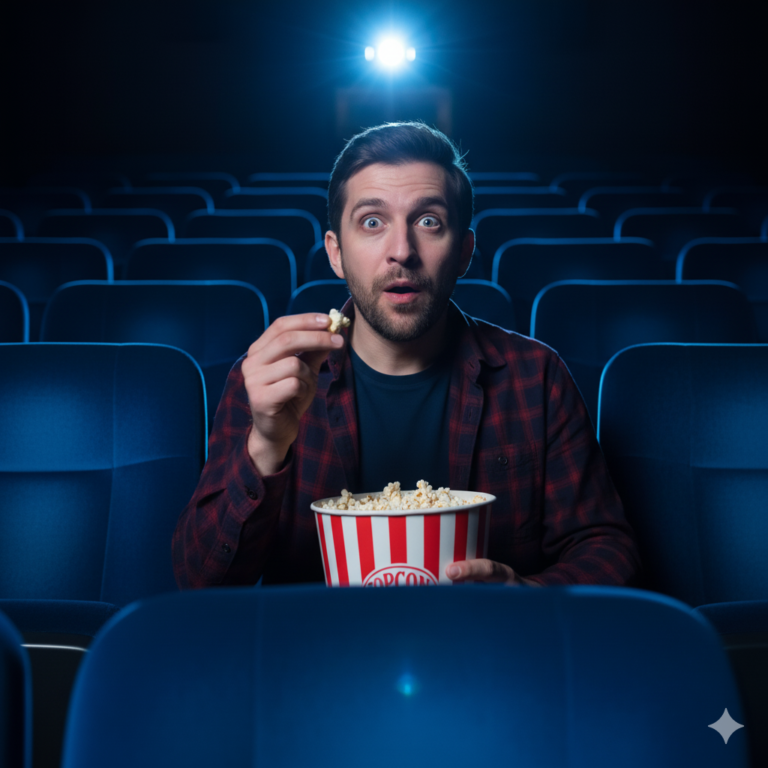
The world of indie horror documentaries offers a fascinating window into the darker corners of filmmaking, fandom, and the cultural phenomena that define the genre. These independently produced films explore everything from the making of cult classics to the obsessive communities that keep horror alive, providing depth and context that mainstream entertainment coverage rarely achieves. For cinephiles seeking substance beyond surface-level retrospectives, indie horror documentaries deliver raw, unfiltered perspectives on the films and filmmakers that shaped generations of nightmares. Horror as a genre has always thrived on the margins, and documentaries about this space reflect that outsider spirit.
Independent documentary filmmakers bring the same guerrilla ethos to their craft that defined low-budget horror cinema itself””shooting interviews in cramped apartments, tracking down reclusive directors, and piecing together archival footage that studios long forgot. The result is a body of work that captures not just film history but the passion, struggles, and occasional madness that goes into creating art designed to terrify. These documentaries answer questions casual viewers might never think to ask: Why did that sequel get made? What happened to that actor afterward? How did a film shot for pocket change become a worldwide phenomenon? By the end of this guide, readers will have a curated list of essential indie horror documentaries spanning multiple decades and subjects, along with practical advice on how to find and appreciate these films. Whether the interest lies in slasher franchises, practical effects artistry, or the psychology of fear, there exists a documentary that dives deep into that specific fascination. This exploration covers documentaries about specific films, broader genre analyses, and character studies of the people who dedicate their lives to horror.
Table of Contents
- What Makes Indie Horror Documentaries Worth Watching?
- Essential Indie Documentaries About Classic Horror Franchises
- Documentaries Exploring Horror Fandom and Culture
- Where to Find and Stream Indie Horror Documentaries
- Common Challenges When Exploring Indie Horror Documentary Content
- The Future of Indie Horror Documentary Filmmaking
- How to Prepare
- How to Apply This
- Expert Tips
- Conclusion
- Frequently Asked Questions
What Makes Indie Horror Documentaries Worth Watching?
Indie horror documentaries succeed where studio-produced featurettes fail because they operate without promotional obligations. A behind-the-scenes feature included on a Blu-ray release serves a marketing function””it exists to sell the product. Independent documentarians approach their subjects with journalistic curiosity rather than commercial necessity, which allows them to ask uncomfortable questions, explore controversies, and present balanced perspectives that acknowledge both triumphs and failures. This freedom produces documentaries that function as genuine historical records rather than extended advertisements.
The production values of indie horror documentaries vary wildly, but this inconsistency often works in their favor. A polished corporate documentary about a horror franchise might feature slick graphics and celebrity narration, but it lacks the intimacy of a filmmaker spending years building trust with interview subjects. Many indie horror documentaries began as passion projects by fans who simply wanted to understand their favorite films better. That genuine enthusiasm translates to exhaustive research, rare archival materials, and access to figures who would never participate in official studio projects. Directors like Daniel Farrands (who made documentaries about the Halloween and Friday the 13th franchises) and David Gregory (founder of Severin Films) built careers on this kind of dedicated deep-dive filmmaking.
- **Unrestricted access to controversial topics**: Indie docs can discuss lawsuits, on-set conflicts, and behind-the-scenes drama that official releases would never acknowledge
- **Extended runtime for comprehensive coverage**: Without broadcast time constraints, these films can run two, three, or even four hours
- **Preservation of oral history**: Many interview subjects in these documentaries have since passed away, making the footage invaluable to film historians

Essential Indie Documentaries About Classic Horror Franchises
Several indie horror documentaries have achieved near-canonical status among genre enthusiasts, particularly those covering the major slasher franchises of the 1980s. “Never Sleep Again: The Elm Street Legacy” (2010) stands as perhaps the definitive example, clocking in at four hours and covering every Nightmare on Elm Street film in exhaustive detail. Directors Daniel Farrands and Andrew Kasch interviewed over 100 cast and crew members, creating a document so thorough that it essentially replaced the need for individual making-of features. The film covers not just production details but the personal lives of those involved, the franchise’s impact on their careers, and the corporate decisions that shaped each sequel.
“Crystal Lake Memories: The Complete History of Friday the 13th” (2013) followed a similar approach for the Jason Voorhees saga, running nearly seven hours in its complete form. based on Peter M. Bracke’s book of the same name, this documentary leaves no stone unturned””from the original film’s contentious production through the Paramount and New Line eras to the 2009 remake. What elevates this beyond simple nostalgia is its willingness to address the franchise’s problems: troubled productions, cast disputes, and creative compromises made to satisfy ratings boards and studio executives. The documentary presents Friday the 13th as a cultural phenomenon worth serious analysis rather than disposable entertainment.
- **”His Name Was Jason: 30 Years of Friday the 13th” (2009)**: A shorter but still comprehensive look at the franchise, featuring Tom Savini and numerous cast members
- **”Halloween: 25 Years of Terror” (2006)**: Covers the Michael Myers films through the Rob Zombie era with insights from John Carpenter and Debra Hill
- **”Leatherface: The Texas Chain Saw Massacre” (1974) various documentaries**: Multiple indie docs have covered Tobe Hooper’s masterpiece, including “The Texas Chain Saw Massacre: A Family Portrait” (1988)
Documentaries Exploring Horror Fandom and Culture
Beyond production histories, indie horror documentaries excel at examining the communities that form around genre cinema. “Nightmares in Red, White and Blue” (2009) takes an academic approach to american horror, tracing how the genre reflects national anxieties from the atomic age through post-9/11 paranoia. Narrated by Lance Henriksen and featuring interviews with directors like John Carpenter, Joe Dante, and Larry Cohen, this documentary positions horror as essential cultural commentary rather than mere exploitation. It argues convincingly that horror films serve as pressure valves for societal fears, making them worthy of serious critical attention.
“Woodlands Dark and Days Bewitched: A History of Folk Horror” (2021) represents a more recent evolution in horror documentary filmmaking. At over three hours, Kier-La Janisse’s film traces the folk horror tradition across continents and decades, from British films like “The Wicker Man” to American regional horror to international variations. The documentary demonstrates how horror documentaries can function as legitimate film scholarship, complete with thematic analysis and historical context that rivals academic texts. Its success at festivals and with critics proved that audiences hunger for substantive genre coverage.
- **”The American Nightmare” (2000)**: Examines how Vietnam and social upheaval influenced 1960s-70s horror
- **”Video Nasties: Moral Panic, Censorship & Videotape” (2010)**: Chronicles Britain’s controversial video censorship era
- **”Why Horror?” (2014)**: Explores the psychology behind horror fandom through interviews with creators and fans

Where to Find and Stream Indie Horror Documentaries
Locating indie horror documentaries requires more effort than browsing mainstream platforms, but dedicated streaming services have simplified the hunt considerably. Shudder, the horror-focused streaming service owned by AMC Networks, has become the primary destination for genre documentaries, regularly adding both new productions and catalog titles. Their original documentary programming includes films like “Horror Noire: A History of Black Horror” (2019) and “Cursed Films” (a series examining supposedly haunted productions). A Shudder subscription costs approximately $6.99 monthly and provides access to hundreds of horror films alongside documentary content.
Physical media remains essential for serious collectors, as many indie horror documentaries receive limited Blu-ray releases through specialty labels. Companies like Shout Factory, Synapse Films, and Severin Films frequently include feature-length documentaries as bonus content on their horror releases””sometimes the documentaries run longer than the films they accompany. The Blu-ray release of “The Texas Chain Saw Massacre” from Second Sight, for example, includes multiple documentary features totaling several hours of content. For completists, these physical releases often contain extended interviews and materials unavailable elsewhere.
- **Arrow Video subscription service**: Includes numerous horror documentaries in their streaming library
- **Tubi and Pluto TV**: Free ad-supported platforms occasionally carry older horror documentaries
- **YouTube**: Several indie horror documentaries have been uploaded with creator permission, though availability changes frequently
- **Vimeo On Demand**: Some documentary filmmakers sell or rent their work directly through this platform
Common Challenges When Exploring Indie Horror Documentary Content
Availability represents the most persistent obstacle for viewers interested in indie horror documentaries. Unlike mainstream films that receive wide distribution, many horror documentaries saw limited theatrical runs or direct-to-video releases that quickly went out of print. Titles from the 2000s and earlier may only exist on DVD, with no streaming options and physical copies commanding high prices from collectors. This scarcity creates a frustrating situation where critically acclaimed documentaries remain essentially inaccessible to interested viewers. Persistence and patience””along with occasional willingness to pay premium prices””are necessary virtues for documentary hunters.
Quality inconsistency poses another challenge. The same independence that allows filmmakers to pursue subjects freely also means no quality control exists. Some indie horror documentaries are meticulously researched and professionally produced; others are hastily assembled clip shows with minimal insight. The documentary boom of the 2000s produced dozens of cheap productions cashing in on anniversary dates, many of which offer little beyond interview soundbites and film clips. Learning to distinguish substantial documentaries from lazy cash-grabs requires developing familiarity with specific filmmakers and production companies known for quality work.
- **Rights issues**: Documentaries featuring extensive film clips sometimes lose streaming rights when underlying film licenses expire
- **Regional availability**: Many indie horror documentaries were produced for specific markets and never received international distribution
- **Outdated information**: Documentaries from 20+ years ago may contain claims since disputed or expanded upon by later research

The Future of Indie Horror Documentary Filmmaking
The democratization of filmmaking tools has created unprecedented opportunities for horror documentary production. Cameras capable of professional-quality footage cost a fraction of what they did two decades ago, and editing software is accessible to anyone with a computer. This technological shift has produced a new generation of documentary filmmakers approaching horror history with fresh perspectives.
Crowdfunding platforms like Kickstarter and Indiegogo have funded numerous horror documentary projects, allowing filmmakers to gauge audience interest before production and build communities around their work. Recent years have also seen increased interest in underexplored corners of horror history. Documentaries examining international horror traditions, marginalized voices within the genre, and specific subgenres have found audiences eager for content beyond the standard franchise retrospectives. “Horror Noire” (focusing on Black horror) and “Woodlands Dark and Days Bewitched” (folk horror) suggest that audiences will support documentaries taking scholarly approaches to specific traditions within the broader genre.
How to Prepare
- **Watch the source material first**: Before viewing a documentary about a specific film or franchise, watch the original movies being discussed. Documentaries assume familiarity with their subjects and spoil major plot points without warning. Watching “Never Sleep Again” without having seen the Nightmare on Elm Street films means missing context that makes interview revelations meaningful.
- **Research the documentary’s production context**: Understanding when a documentary was made and who made it helps calibrate expectations. A documentary produced with studio cooperation will have different access than one made independently. Knowing the filmmakers’ previous work indicates their approach and quality standards.
- **Check runtime and format**: Some horror documentaries run multiple hours and work better consumed in segments. Others are designed for single viewing. Plan accordingly rather than starting a four-hour documentary at midnight expecting to finish it.
- **Prepare for varying technical quality**: Indie documentaries may include archival footage in poor condition, audio recorded in suboptimal environments, and editing that lacks studio polish. Adjusting expectations for production values prevents disappointment when excellent content arrives in rough packaging.
- **Have note-taking materials ready**: Quality horror documentaries mention dozens of films, filmmakers, and resources worth exploring further. Keeping a list while watching creates a roadmap for future viewing and research.
How to Apply This
- **Start with documentaries about films you already love**: The entry point into horror documentaries should be subjects that already matter to you. Passion for the source material translates to engagement with documentary content, and familiar reference points make information retention easier.
- **Use documentaries as viewing guides**: Let documentary recommendations guide future horror watching. Most horror documentaries mention numerous other films worth seeking out, and following these threads expands genre knowledge organically.
- **Engage with online communities**: Subreddits like r/horror, horror-focused Discord servers, and film Twitter regularly discuss documentary content and can provide recommendations tailored to specific interests. These communities also share information about availability and upcoming releases.
- **Support physical media releases**: Purchasing Blu-rays and DVDs from specialty labels signals market demand for horror documentary content. Many independent documentaries only continue to exist because physical media sales justify preservation and restoration efforts.
Expert Tips
- **Prioritize documentaries by respected filmmakers over anniversary cash-ins**: Names like Daniel Farrands, Kier-La Janisse, and David Gregory indicate quality; generic “30th Anniversary Documentary” titles often signal rushed productions
- **Check bonus features on horror Blu-rays before purchasing documentaries separately**: Many standalone documentaries originally appeared as bonus content on home video releases, meaning you might already own them without realizing it
- **Festival screenings often preview documentaries before wide release**: Following horror film festivals like Fantastic Fest, Sitges, and FrightFest provides early access to upcoming documentary productions and helps identify which titles deserve attention
- **Documentary podcasts and YouTube channels provide supplementary content**: Shows like “In Search of Darkness” (which became a documentary series) and channels focused on horror history offer documentary-adjacent content that satisfies similar interests
- **Library systems sometimes carry horror documentaries**: Public libraries with robust media collections occasionally stock genre documentaries, providing free legal access to otherwise difficult-to-find titles
Conclusion
Indie horror documentaries represent a vital and underappreciated corner of film culture, preserving history, providing context, and celebrating the genre in ways that official studio content cannot match. From comprehensive franchise retrospectives to academic examinations of horror’s cultural significance, these films offer depth and insight for viewers willing to seek them out. The fifteen documentaries highlighted throughout this guide represent starting points rather than comprehensive coverage””the genre contains hundreds more films worthy of attention.
The continued production of quality horror documentaries depends on audience support, whether through streaming subscriptions, physical media purchases, or crowdfunding contributions. Each viewing, purchase, and recommendation helps ensure that horror history continues to be preserved and analyzed by passionate filmmakers. For those who view horror as more than disposable entertainment””as a genre worthy of serious consideration and historical documentation””indie horror documentaries provide endless opportunities for deeper understanding and appreciation.
Frequently Asked Questions
How long does it typically take to see results?
Results vary depending on individual circumstances, but most people begin to see meaningful progress within 4-8 weeks of consistent effort.
Is this approach suitable for beginners?
Yes, this approach works well for beginners when implemented gradually. Starting with the fundamentals leads to better long-term results.
What are the most common mistakes to avoid?
The most common mistakes include rushing the process, skipping foundational steps, and failing to track progress.
How can I measure my progress effectively?
Set specific, measurable goals at the outset and track relevant metrics regularly. Keep a journal to document your journey.