The psychology behind our love for horror films represents one of cinema’s most fascinating paradoxes: why do millions of people actively seek out experiences designed to frighten, disturb, and unsettle them? From the earliest silent films featuring vampires and monsters to today’s sophisticated psychological thrillers, horror has remained one of the most enduring and profitable genres in filmmaking. Understanding what drives this seemingly contradictory attraction reveals profound truths about human nature, emotional processing, and the complex relationship between fear and pleasure. This question matters because horror film consumption has become increasingly prevalent in modern society. Box office data consistently shows horror films generating significant returns relative to their modest budgets, with the genre producing some of cinema’s highest profit margins.
Yet beyond commercial success, the persistent human fascination with frightening content speaks to deeper psychological needs that extend far beyond simple entertainment. Horror films serve functions that many viewers may not consciously recognize””from providing safe spaces to confront mortality to offering cathartic release from everyday anxieties. By the end of this exploration, readers will understand the neurological mechanisms that transform fear into pleasure, the evolutionary roots of our attraction to threatening stimuli, and the various psychological profiles that predict horror film appreciation. The analysis draws from research in neuroscience, evolutionary psychology, personality theory, and media studies to construct a comprehensive picture of why horror continues to captivate audiences across cultures and generations. Whether you consider yourself a horror devotee or someone who avoids scary movies entirely, understanding this psychology offers valuable insights into human emotional processing and the remarkable ways cinema can fulfill fundamental psychological needs.
Table of Contents
- Why Do People Psychologically Enjoy Being Scared by Horror Films?
- The Evolutionary Origins of Fear Attraction in Cinema
- Personality Factors That Predict Horror Film Appreciation
- How Horror Films Provide Psychological Benefits and Catharsis
- The Dark Side of Horror Film Psychology and Potential Harms
- Cultural Variations in Horror Film Psychology
- How to Prepare
- How to Apply This
- Expert Tips
- Conclusion
- Frequently Asked Questions
Why Do People Psychologically Enjoy Being Scared by Horror Films?
The psychological enjoyment of fear through horror films stems from a phenomenon researchers call “benign masochism”””the human capacity to derive pleasure from negative experiences when contextual factors signal safety. When watching a horror film, the brain processes threatening imagery through the amygdala, triggering genuine fear responses including elevated heart rate, increased cortisol production, and heightened alertness. However, the prefrontal cortex simultaneously recognizes the artificial nature of the threat, creating a unique neurological state where fear and safety coexist. This dual processing allows viewers to experience the full intensity of fear while maintaining awareness that no actual danger exists.
Neurotransmitter activity during horror viewing reveals another crucial component of this psychological puzzle. The fear response triggers dopamine release in the brain’s reward centers, particularly when the threatening situation resolves or when viewers successfully predict frightening moments. This neurochemical reward mirrors the satisfaction experienced after overcoming real challenges, explaining why many horror enthusiasts describe feeling energized and accomplished after watching scary films. Research conducted at the University of Westminster found that watching horror films can burn up to 200 calories, with the body responding as though facing actual physical threats while the mind processes the experience as entertainment.
- **Excitation transfer theory** explains how physiological arousal from fear enhances subsequent positive emotions when threats resolve, intensifying feelings of relief and satisfaction
- **The safety-learning model** suggests horror films provide opportunities to practice fear responses in controlled environments, potentially building psychological resilience
- **Sensation-seeking personality traits** correlate strongly with horror film appreciation, indicating that individuals with higher optimal arousal levels actively seek intense experiences to reach their preferred state of stimulation
The Evolutionary Origins of Fear Attraction in Cinema
Human attraction to frightening content has deep evolutionary roots that predate cinema by hundreds of thousands of years. Our ancestors who paid attention to threat-related information””predators, dangerous terrain, hostile competitors””survived to pass on their genes at higher rates than those who ignored such signals. This survival advantage created brains inherently drawn to threat-relevant stimuli, a tendency that modern horror films exploit masterfully. The monsters, killers, and supernatural entities populating horror cinema tap directly into evolved threat-detection systems designed for ancestral environments.
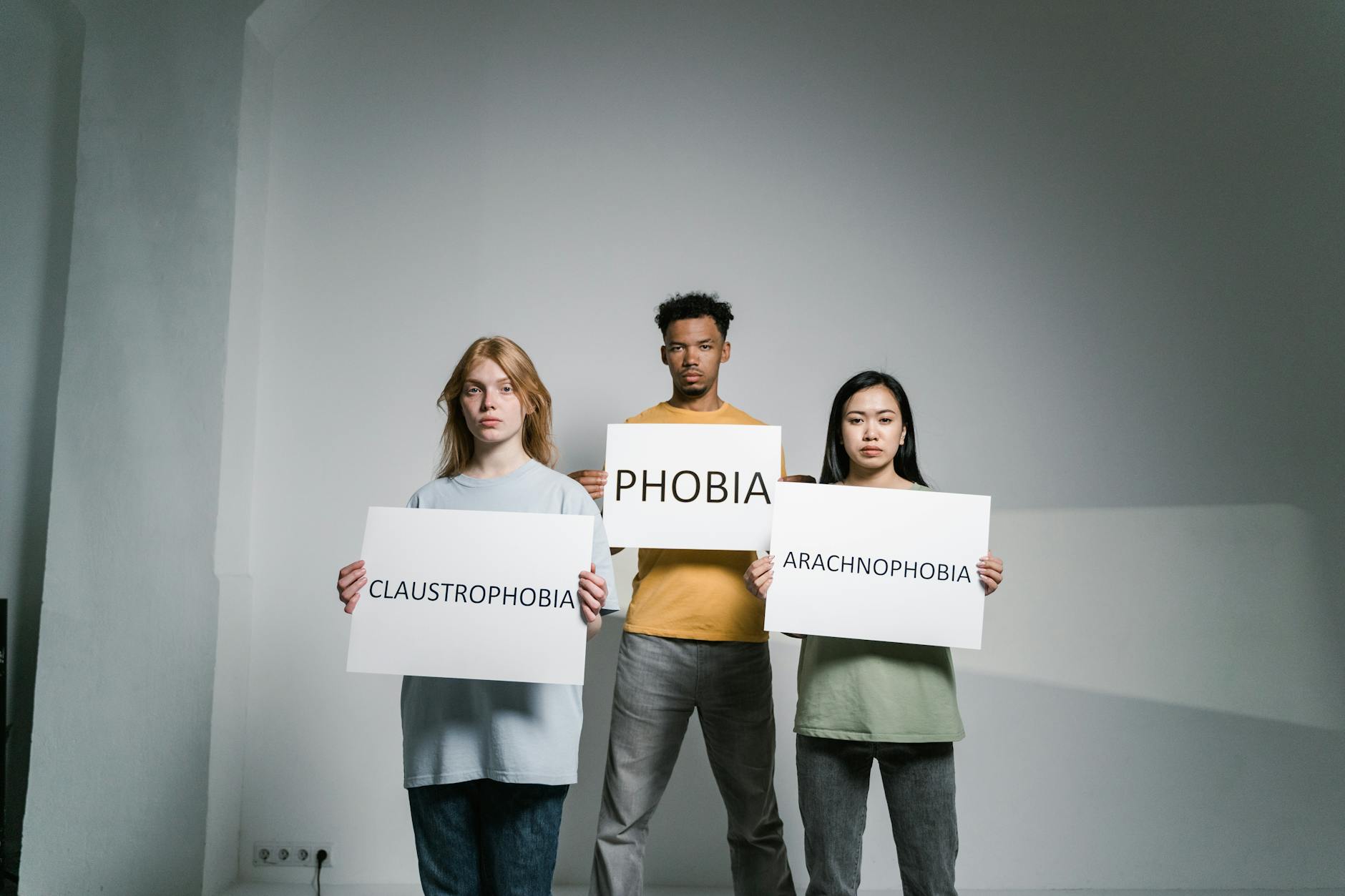
Prepared learning theory, developed by psychologist Martin Seligman, provides additional evolutionary context. Humans demonstrate heightened readiness to fear certain categories of stimuli that posed genuine threats throughout evolutionary history: snakes, spiders, darkness, heights, enclosed spaces, and aggressive conspecifics. Horror films disproportionately feature these evolutionarily relevant threats rather than modern dangers like automobiles or electrical outlets, despite the latter causing far more contemporary deaths. This pattern suggests horror filmmakers intuitively understand which fear triggers resonate most deeply with human psychology.
- **The predator-prey dynamic** fundamental to survival manifests repeatedly in horror narratives, from “Jaws” to slasher films, activating ancient neural circuits for detecting and escaping threats
- **Disgust responses** evolved to protect against disease and contamination appear in body horror and zombie films, engaging the behavioral immune system that kept ancestors safe from pathogens
- **Social threat detection** systems that helped navigate dangerous interpersonal situations activate during psychological horror films featuring deception, betrayal, and malevolent human intentions
Personality Factors That Predict Horror Film Appreciation
Not everyone responds to horror films with equal enthusiasm, and psychological research has identified specific personality dimensions that predict attraction to frightening media. Sensation seeking, a trait characterized by the need for varied, novel, and intense experiences, shows the strongest correlation with horror film appreciation. High sensation seekers possess nervous systems that require greater stimulation to reach optimal arousal levels, making the intense experiences provided by horror films particularly appealing. These individuals often find everyday life insufficiently stimulating and actively pursue activities””including horror consumption””that elevate their physiological and psychological arousal.
The Big Five personality framework reveals additional predictors of horror appreciation. Low scores on agreeableness correlate with greater enjoyment of violent and disturbing content, potentially because highly agreeable individuals experience more empathic distress when witnessing suffering, even fictional suffering. Openness to experience also predicts horror appreciation, as this trait encompasses willingness to engage with unconventional and potentially disturbing ideas. Interestingly, neuroticism shows a curvilinear relationship with horror enjoyment””moderate levels may enhance the experience, while very high neuroticism often leads to overwhelming anxiety that precludes enjoyment.
- **Empathy levels** influence horror responses in complex ways, with some research suggesting highly empathic viewers may avoid graphic horror while appreciating psychological horror that engages their capacity for understanding character experiences
- **Morbid curiosity**, a recently identified individual difference construct, captures fascination with death, violence, and the darker aspects of existence that predicts horror consumption independently of sensation seeking
- **Gender socialization** historically created differences in horror consumption patterns, though contemporary research suggests biological sex differences in fear responses are smaller than previously believed, with socialization playing a larger role in shaping horror preferences

How Horror Films Provide Psychological Benefits and Catharsis
Horror films offer genuine psychological benefits that extend beyond momentary entertainment. Aristotle’s concept of catharsis””emotional purification through artistic engagement””applies directly to horror consumption. By experiencing intense fear in controlled contexts, viewers may process and release accumulated anxiety, emerging from the experience with reduced tension. Research published in the Journal of Media Psychology found that individuals who watched horror films during periods of high stress reported greater anxiety reduction compared to those who watched neutral content, suggesting horror can serve as an emotional regulation tool.
The controlled nature of horror film fear allows viewers to practice emotional regulation skills applicable to real-world situations. Facing frightening scenarios on screen provides opportunities to develop tolerance for uncertainty, manage physiological arousal, and experience fear without the actual consequences that real threats would produce. This “stress inoculation” effect may explain why some research links horror consumption with better psychological adjustment during genuinely threatening situations. Studies conducted during the COVID-19 pandemic found that horror fans and individuals who consumed more prepper and pandemic-related films prior to 2020 reported better psychological resilience during the actual crisis.
- **Mood management theory** explains how viewers select media to regulate emotional states, with some individuals choosing horror specifically to transform mild negative moods into more intense but ultimately resolvable fear experiences
- **Social bonding** through shared horror experiences strengthens relationships, as the intense emotions and physical proximity during frightening films create conditions similar to those that forge bonds during actual threatening situations
- **Identity expression** and group belonging motivate horror consumption among certain demographics, particularly adolescents and young adults who use horror appreciation to signal bravery, unconventionality, or membership in particular subcultures
The Dark Side of Horror Film Psychology and Potential Harms
Despite the psychological benefits associated with horror consumption, legitimate concerns exist regarding potential negative effects, particularly for vulnerable populations. Exposure to graphic horror content can produce lasting negative consequences in some individuals, including persistent anxiety, sleep disturbances, and intrusive thoughts about frightening imagery. Children prove especially susceptible to these effects, as their developing brains lack the mature prefrontal cortex functioning necessary to contextualize fictional threats as non-real. Research by Joanne Cantor documented cases of individuals reporting fear of specific stimuli””water, clowns, particular locations””that persisted years or even decades after viewing frightening films during childhood.
Desensitization represents another concern raised regarding horror consumption. Repeated exposure to graphic violence and disturbing imagery can reduce emotional responsiveness to such content over time, requiring increasingly extreme material to produce equivalent reactions. Critics argue this desensitization might generalize to real-world violence and suffering, though research findings remain mixed. Some studies suggest media violence desensitization is context-specific and does not significantly impact responses to actual violence, while others find correlations between heavy horror consumption and reduced empathic responses to others’ pain.
- **Individual vulnerability factors** including pre-existing anxiety disorders, trauma history, and young age increase risk for negative effects from horror exposure, suggesting the genre is not psychologically appropriate for all viewers
- **Content specifics** matter substantially, with supernatural horror generally producing less lasting distress than realistic violence or content depicting harm to children, likely because unrealistic threats are more easily dismissed by rational processing
- **Viewing context** influences outcomes, with social viewing typically producing more positive experiences than solitary viewing, as the presence of others provides social referencing cues that help calibrate appropriate emotional responses
Cultural Variations in Horror Film Psychology
Horror films reflect and exploit culturally specific fears, revealing how psychological responses to frightening content vary across societies. Japanese horror, exemplified by films like “Ringu” and “Ju-On,” emphasizes atmospheric dread, vengeful spirits, and violations of social obligations””themes reflecting cultural anxieties around proper behavior, duty, and the consequences of social transgressions. American horror has traditionally favored more explicit violence and monster threats, potentially reflecting cultural values around individualism and direct confrontation with dangers. These differences demonstrate that while basic fear responses are universal, the specific triggers and contexts that activate those responses are shaped significantly by cultural learning.
Cross-cultural research reveals both universal and culture-specific patterns in horror psychology. Fears of darkness, predatory animals, and death appear across all studied cultures, consistent with evolutionary perspectives on prepared fears. However, supernatural beliefs, religious frameworks, and social structures create unique horror traditions in different societies. Indonesian horror draws heavily on local folklore and Islamic spiritual concepts, while Korean horror often incorporates themes of social inequality and collective trauma from the nation’s difficult twentieth-century history. These cultural variations remind us that the psychology of horror operates within specific meaning systems that shape how fear is experienced, expressed, and processed.
How to Prepare
- **Assess your baseline anxiety levels** before selecting horror content, as viewing frightening material during periods of high stress may overwhelm coping resources rather than providing cathartic relief. Choose lighter horror or delay viewing if you are already feeling anxious or emotionally depleted.
- **Research content warnings and specific triggers** for films you plan to watch, as different horror subgenres produce distinct psychological effects. Someone comfortable with supernatural horror may find body horror or home invasion films significantly more disturbing due to personal history or specific fear triggers.
- **Arrange appropriate viewing contexts** by selecting social or solitary viewing based on your personality and preferences. Most research suggests shared viewing experiences produce more positive outcomes, but some individuals process fear more effectively alone without social performance pressures.
- **Prepare physiological regulation strategies** such as controlled breathing techniques or progressive muscle relaxation that you can employ during particularly intense sequences. Having these tools available reduces the likelihood of overwhelming anxiety that diminishes enjoyment.
- **Plan post-viewing activities** that allow for psychological decompression, whether discussing the film with others, engaging in light entertainment, or simply allowing time before sleep. This transition period helps prevent intrusive thoughts and sleep disturbances that sometimes follow horror consumption.
How to Apply This
- **Start with horror subgenres matching your psychological profile**””high sensation seekers may appreciate intense slashers or extreme horror, while those lower on this trait often prefer atmospheric supernatural films or psychological thrillers that emphasize suspense over shock.
- **Use horror viewing as intentional exposure practice** for specific anxieties you wish to address, selecting films that feature fears you want to build tolerance for while maintaining enough psychological distance to prevent overwhelm.
- **Monitor your responses during and after viewing** to identify your personal patterns, including which elements you find most disturbing, how quickly you recover from intense scenes, and whether certain viewing conditions improve your experience.
- **Leverage the social bonding potential of horror** by creating shared viewing experiences with friends or partners, using the intense emotional activation as an opportunity to strengthen relationships through mutual support and shared experience processing.
Expert Tips
- **Match horror intensity to your current life circumstances** rather than following fixed preferences””periods of stability can support more extreme horror exploration, while challenging times may call for gentler genre entries that still provide benefits without additional strain.
- **Recognize that avoidance maintains fear** while controlled exposure typically reduces it over time. If you want to enjoy horror but find it too frightening, start with highly acclaimed films in lower-intensity subgenres and gradually progress as your tolerance develops.
- **Pay attention to physical responses** as informative data about your psychological state. Elevated heart rate, tension, and startle responses indicate genuine fear processing, while numbness or boredom may suggest desensitization or mismatched content selection.
- **Discuss films after viewing** to process the experience cognitively and extract meaning from frightening content. This verbal processing helps integrate the emotional experience and can transform potentially disturbing content into valuable psychological material.
- **Respect your limits without judgment**””genuine psychological differences in fear tolerance mean that extreme horror appreciation is neither superior nor necessary. The psychological benefits of horror are accessible across intensity levels, and forcing yourself through unwanted content rarely produces positive outcomes.
Conclusion
The psychology behind our love for horror films emerges from the intersection of evolutionary heritage, neurological architecture, personality traits, and cultural context. Humans are not simply passive victims of fear but active agents who have developed sophisticated capacities to transform threatening experiences into sources of pleasure, growth, and social connection. Horror films tap into ancient neural circuits designed for survival while providing modern benefits including emotional regulation, stress inoculation, and cathartic release. The genre’s enduring popularity testifies to its success in meeting genuine psychological needs that more comfortable entertainment cannot address.
Understanding these psychological mechanisms allows for more intentional engagement with horror content, whether you seek to enhance your appreciation of the genre, understand why you avoid it, or help others navigate their relationship with frightening media. The research consistently indicates that horror films, when consumed appropriately, can provide legitimate psychological benefits for many viewers. Those who feel drawn to the genre can embrace that attraction as a healthy expression of fundamental human capacities for managing fear and seeking intense experience. Those who prefer to avoid horror can do so without concern, recognizing that individual differences in fear tolerance are normal variations rather than deficits to overcome.
Frequently Asked Questions
How long does it typically take to see results?
Results vary depending on individual circumstances, but most people begin to see meaningful progress within 4-8 weeks of consistent effort.
Is this approach suitable for beginners?
Yes, this approach works well for beginners when implemented gradually. Starting with the fundamentals leads to better long-term results.
What are the most common mistakes to avoid?
The most common mistakes include rushing the process, skipping foundational steps, and failing to track progress.
How can I measure my progress effectively?
Set specific, measurable goals at the outset and track relevant metrics regularly. Keep a journal to document your journey.